
It’s 10:30 a.m. You already had breakfast, you planned your meals, and you’re fully committed to losing weight. Yet, no matter how determined you feel, you still can’t seem to stop thinking about food all the time. Lunch is already on your mind, then a snack, then dinner, and it feels like your goals are competing with your cravings.
Have you ever noticed that the more you try to control food, the more it seems to control your thoughts? The harder you push it away, the louder it becomes. Instead of feeling empowered, you feel distracted.
Constant thoughts about food during weight loss aren’t a sign of weakness. They’re the natural result of biology, psychology, and identity colliding. When your body senses change, your brain reacts, and food becomes mentally amplified.
But here’s the empowering part, you don’t silence food thoughts by force. You reduce their power by changing your systems, your structure, and ultimately the person you’re becoming. And once you shift your identity, your focus begins to shift with it
The Root Cause: Why You Think About Food More When Losing Weight
A. Biological Drivers
When you reduce calories:
- Ghrelin (hunger hormone) increases
- Leptin (satiety hormone) decreases
- Dopamine, the brain’s reward neurotransmitter, becomes more reactive to food cues.
Studies show that caloric restriction increases activity in brain regions associated with food reward, making food cues more attention-grabbing and intrusive for dieters. In simple terms, your brain turns up the volume on food.
B. Psychological Drivers
- Scarcity mindset: “I can’t have that.”
- Rigid dieting rules → mental fixation.
- Identity conflict: “I want to lose weight” vs. “I love food.”
When you label foods as forbidden, your brain amplifies desire, a phenomenon known as the “ironic process theory.”
C. Behavioral Drivers
- Skipping meals.
- Grazing when bored.
- Constant exposure to food content and cues.
The solution isn’t a distraction. It’s redesigning your system.
11 Practical, Identity-Shifting Tips to Stop Thinking About Food All the Time
So, if you’re on the path of losing weight, or have lost weight over the last few months, but seem to can’t stop thinking about food all the time, here are 11 strategies that you can start applying today and not let it feel like a punishment when trying to eat healthier.
1. Stop Dieting, Start Fueling With Strategy
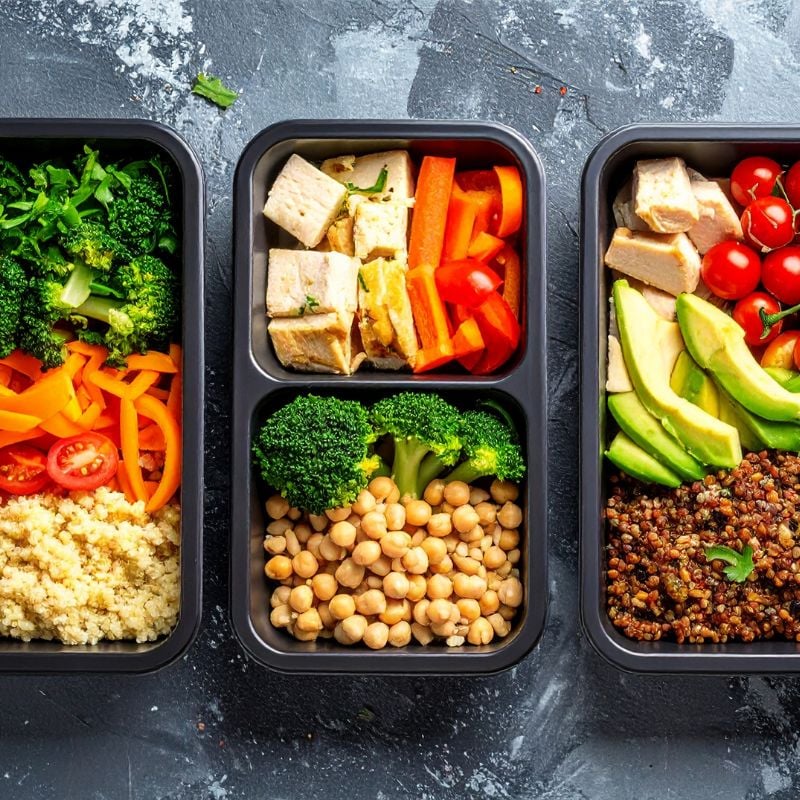
Restriction increases obsession. Strategic fueling reduces it.
Prioritize:
- 25–40g protein per meal.
- High-fiber vegetables.
- Healthy fats for satiety.
Protein has been shown to increase fullness and reduce subsequent calorie intake. Research indicates that higher-protein diets enhance satiety and may naturally lower overall energy intake, supporting better appetite control during weight loss.
Think performance, not punishment.
2. Anchor Your Day Around Non-Food Goals
When weight loss becomes your only focus, food becomes your only distraction.
Choose 1–2 identity goals:
- Strength training performance.
- Skill development.
- Career milestone.
Research suggests that individuals who adopt mastery-approach goals, focusing on personal improvement rather than external judgment, tend to experience lower rumination and greater engagement in positive behavior change.
3. Eat on a Structured Schedule
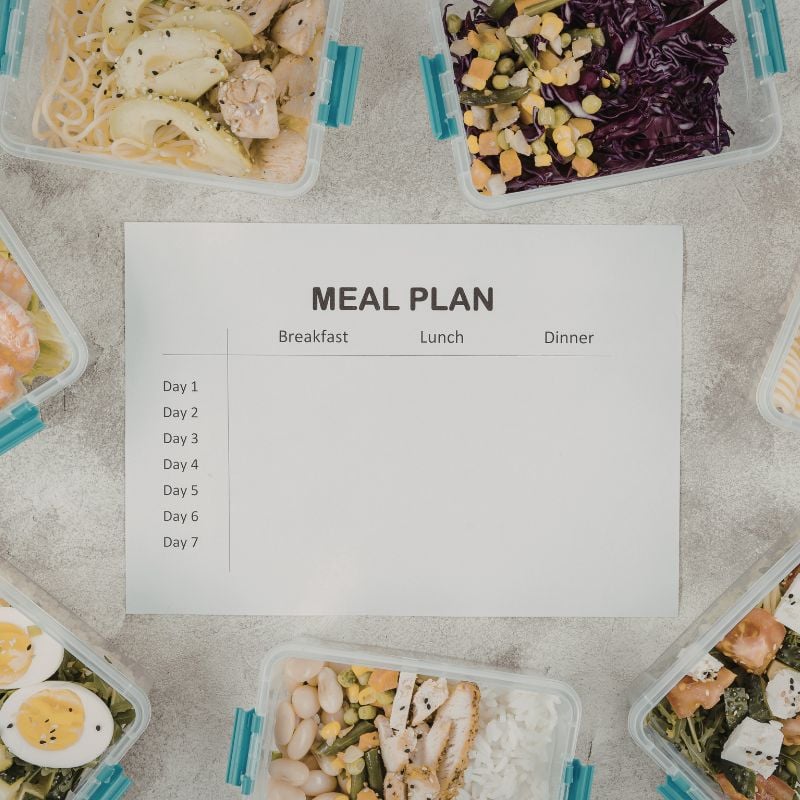
Random eating fuels mental chatter.
Instead:
- Plan to eat 3 meals a day,
- 1 planned snack (if needed). This can be even two times a day.
If you need help creating that structure, this simple meal-planning guide can help you intentionally organize your week.
Predictability lowers anxiety around food decisions.
4. Increase Protein Intake Strategically
Protein is the most satiating macronutrient.
A meta-analysis found that higher protein intake significantly improves appetite control and reduces late-night snacking.
Aim for: 0.7–1g protein per pound of goal body weight (adjust per individual needs).
5. Redefine Hunger vs. Boredom

Use the 10-Minute Pause Rule, before eating, ask yourself:
- Am I physically hungry?
- Would I eat a balanced meal right now?
Use a hunger scale from 1–10. Interoceptive awareness reduces emotional eating patterns.
Additionally, before even trying to put something in your mouth, drink a glass of water, go for a small walk. Hydration and movement are two key elements that you can introduce into your daily habits to avoid compulsive eating.
6. Remove “Forbidden Food” Language
When you label food as “bad,” it becomes mentally louder.
The way you talk about food directly affects your mental state. In fact, small changes in how you structure your diet can significantly influence your mental health and emotional balance.
Instead:
- Practice controlled inclusion.
- Plan small portions intentionally.
Research on dietary restraint suggests that rigid restriction and strict dieting are associated with a higher risk of binge eating and loss-of-control eating behaviors.
7. Design Your Environment for Success
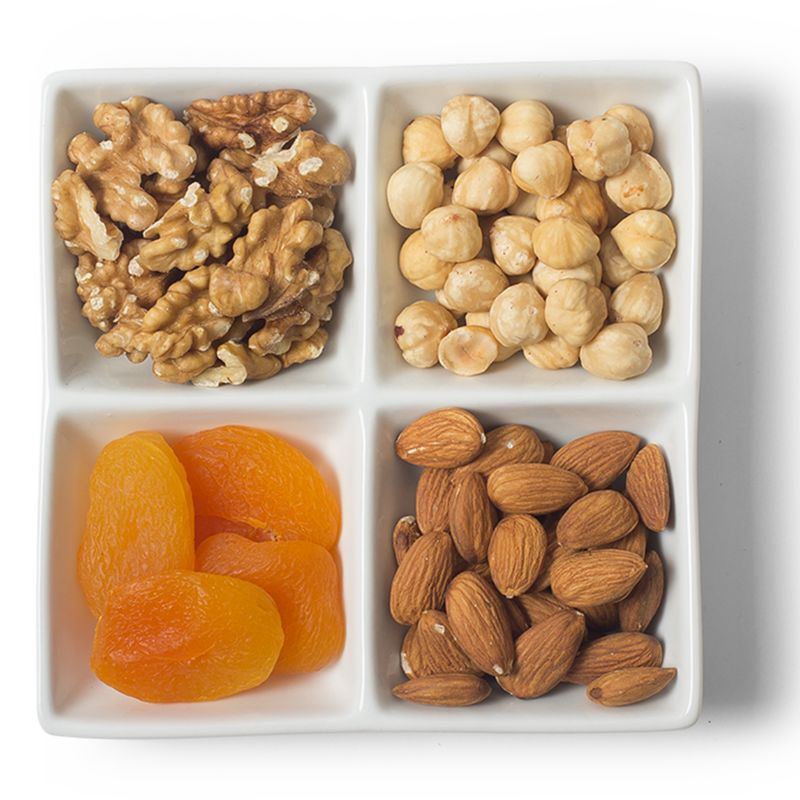
Environment beats willpower.
Keep protein-rich snacks visible and easily accessible. If you’re unsure which options support your goals, choosing healthier snack alternatives can help you intentionally design your environment.
- Store ultra-processed snacks out of sight.
- Reduce exposure to food content on social media.
Cue exposure directly increases desire through conditioned responses.
8. Replace Food as a Reward Mechanism
If food is your only source of dopamine, weight loss becomes a battle.
Create alternative rewards:
- Fitness milestones.
- Experiences.
- Personal development investments.
Dopamine is triggered by anticipation and progress, not just eating.
9. Build a New Identity: “I Am a Disciplined Person.”

Saying “I’m trying to lose weight” keeps you in a state of struggle.
Instead, change the wording to something like:
“I am someone who prioritizes health.”
Behavior → Identity → Reinforced behavior.
Each small, disciplined action builds evidence. Over time, those small actions become the habits that define who you are.
10. Train Your Mind to Tolerate Cravings
Cravings are neurological waves lasting 15–30 minutes.
Practice urge surfing:
- Notice.
- Breathe slowly and intentionally to calm your nervous system.
- Delay.
- Redirect.
Cognitive-behavioral techniques significantly reduce compulsive eating.
11. Increase Daily Engagement & Purpose

Idle time amplifies food thinking. We’ve all been there, a lot of times we confuse boredom with hunger. That’s why it is important to keep our minds busy and focus on the things that build-up momentum and that compound over time.
Instead increase:
- Movement.
- Social interaction.
- Skill-building.
- Tackle your to-do list with deep mental focus.
- Connection with nature.
- Identify and avoid what triggers your mind into thinking you’re hungry.
A structured day leaves less room for rumination.
The Mental Shift: From Food-Focused to Goal-Focused
Weight loss success is less about eliminating thoughts and more about reducing their authority.
- You don’t silence cravings.
- You outgrow them.
Mental discipline is built through systems, not suppression.
When Constant Food Thoughts May Signal Something Deeper
If you experience:
- Persistent guilt around food.
- Extreme restriction.
- Binge-purge cycles.
- Severe anxiety around eating.
Consider professional guidance from a registered dietitian or licensed therapist.
Practical Action Plan: How to Regain Mental Control Around Food
1. Structure Your Meals With Intention
Stop leaving your eating schedule to chance. Plan 3 balanced meals (and 1 intentional snack if needed), so your brain stops constantly asking, “When am I eating next?”
If planning feels overwhelming, using a structured meal-planning system can reduce daily decision fatigue and help you stay consistent.
2. Increase Protein to Stabilize Hunger Signals
Aim to include a quality protein source at every meal. When your body feels physiologically satisfied, your mind becomes quieter.
3. Eliminate the “Forbidden Food” Mindset
Stop labeling foods as “bad.” Controlled inclusion reduces obsession more effectively than rigid restriction. Extreme or overly restrictive dieting approaches often backfire, increasing fixation rather than freedom.
4. Choose One Identity-Based Habit This Week
Don’t try to change everything at once. Pick one action that reinforces your new identity, for example, “I am someone who plans my meals” or “I am someone who trains three times a week.”
5. Track Mental Wins. Not Just Scale Weight
- Notice when you pause before eating.
- Notice when you tolerate a craving.
- Notice when you stick to your structure.
Those moments build discipline faster than the number on the scale.
Conclusion: Stop Thinking About Food All the Time by Building Better Systems
Constant food thoughts during weight loss don’t mean you’re failing. They mean your brain is responding to perceived scarcity, and the solution isn’t more willpower, it’s better structure. When you fuel strategically, organize your day with intention, and shift your identity, you naturally begin to stop thinking about food all the time because your focus expands beyond cravings.
Discipline isn’t about fighting urges every hour. It’s about building systems strong enough that those urges lose their authority.
So tell me, are you going to keep negotiating with cravings, or become the person who leads them?

Hi I’m Ana. I’m all about trying to live the best life you can. This blog is all about working to become physically healthy, mentally healthy and financially free! There lots of DIY tips, personal finance tips and just general tips on how to live the best life.
Leave a Reply