
Have you ever spent money on a “better” shampoo, a scalp oil, or a new hair mask, only to notice that your scalp health isn’t improving whatsoever? Well, scalp as any other part of your body, needs the right nutrients to grow healthier and more abundant hair.
Here is the part we sometimes forget, your scalp is skin. And just like the skin on your face or hands, it needs steady care from the inside too.
Food will not magically erase dandruff, stop sudden hair loss, or fix scalp irritation overnight. But the right nutrients can support your scalp barrier, hair follicles, oil balance, collagen production, and the normal repair processes your body is already trying to carry out.
So, let’s walk through 15 simple foods that promote scalp health, what makes them useful, and easy ways to add them to real meals without making your diet feel like another full-time job.
And if shedding is one of your biggest concerns, these simple ways to fight hair loss may be helpful to read next.
A Quick Note Before We Start
Food can support scalp health, but it is not a replacement for medical care. If you notice sudden shedding, bald patches, intense itching, burning, sores, or painful flakes, it is best to check with a dermatologist.
Also, more nutrients do not always mean better results. Too much selenium, vitamin A, or vitamin E may cause problems, so a food-first approach is usually safer than taking high-dose supplements without guidance.
If you are considering biotin specifically, this guide on the truth about biotin for hair growth can help you understand when it may actually make sense.
What Nutrients Does Your Scalp Need?
Since your scalp is skin, it needs nutrients that support repair, oil balance, collagen, and healthy hair follicles. Protein, healthy fats, iron, zinc, vitamin C, vitamin A precursors, selenium, and B vitamins can all play a helpful role.
If you are also trying to care for your hair from the inside, this guide on foods to nurture hair may be a helpful next read.
15 Foods That Promote Scalp Health to Add to Your Diet
1. Salmon
Salmon is one of the best foods for scalp support because it provides protein and omega-3 fats in a single meal. Omega-3s are important fats, and research explains that EPA and DHA are found mainly in fish and seafood.
- Key nutrients: Omega-3 fats, protein, vitamin D.
- Simple meal idea: Add baked salmon to rice bowls, salads, or tacos.
- Tip: Canned salmon can be a budget-friendly lunch option.
If your goal is also to support stronger, healthier growth, these expert-backed tips to make your hair grow faster may be a helpful next read.
2. Eggs
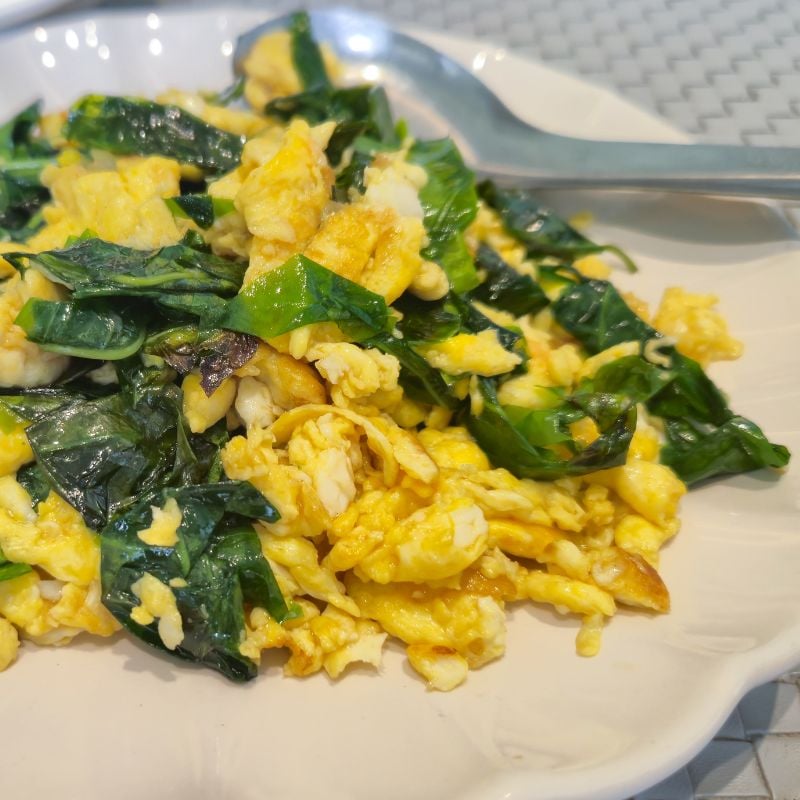
Eggs are easy, affordable, and rich in protein. They also contain biotin, a nutrient connected to normal skin, hair, and nail health.
A study notes that biotin deficiency can cause hair thinning, skin rashes, and brittle nails, though extra biotin is not proven to help everyone.
- Key nutrients: Protein, biotin, selenium.
- Try this: Make boiled eggs with fruit, or this scrambled eggs and refried black beans breakfast for a filling morning meal.
- Helpful add-on: Pair eggs with veggies to make the meal more balanced.
3. Greek Yogurt
Greek yogurt gives you protein in a simple, no-cook way. Since hair is made mostly of protein, getting enough protein daily matters for overall hair and scalp support.
- Key nutrients: Protein, B vitamins, calcium.
- Easy bowl idea: Add berries, walnuts, and pumpkin seeds.
- Small upgrade: Choose plain yogurt for less added sugar.
4. Pumpkin Seeds
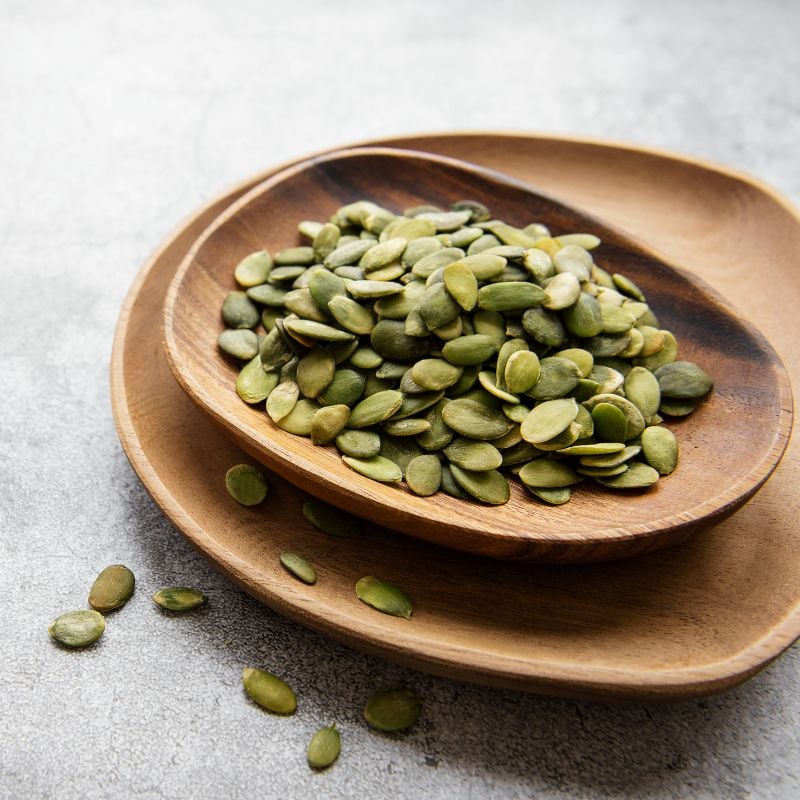
Pumpkin seeds are tiny but powerful because they contain zinc. Zinc is involved in immune function, wound healing, and cell division, all of which are important for healthy skin function.
- Key nutrients: Zinc, magnesium, healthy fats.
- Sprinkle them on: Oatmeal, salads, soups, or yogurt bowls.
- Budget tip: Use them as a topping to keep the bag lasting longer.
5. Lentils
Lentils are a great plant-based food for scalp health because they provide protein, iron, folate, and zinc. Iron matters because it helps move oxygen through the body, and low iron status is often discussed in relation to hair shedding and hair health.
- Key nutrients: Plant protein, iron, folate, zinc.
- Add them easily: Use lentils in soups, tacos, rice bowls, or pasta sauce.
- Smart pairing: Serve with lemon, tomatoes, or bell peppers to help absorb plant-based iron.
6. Spinach
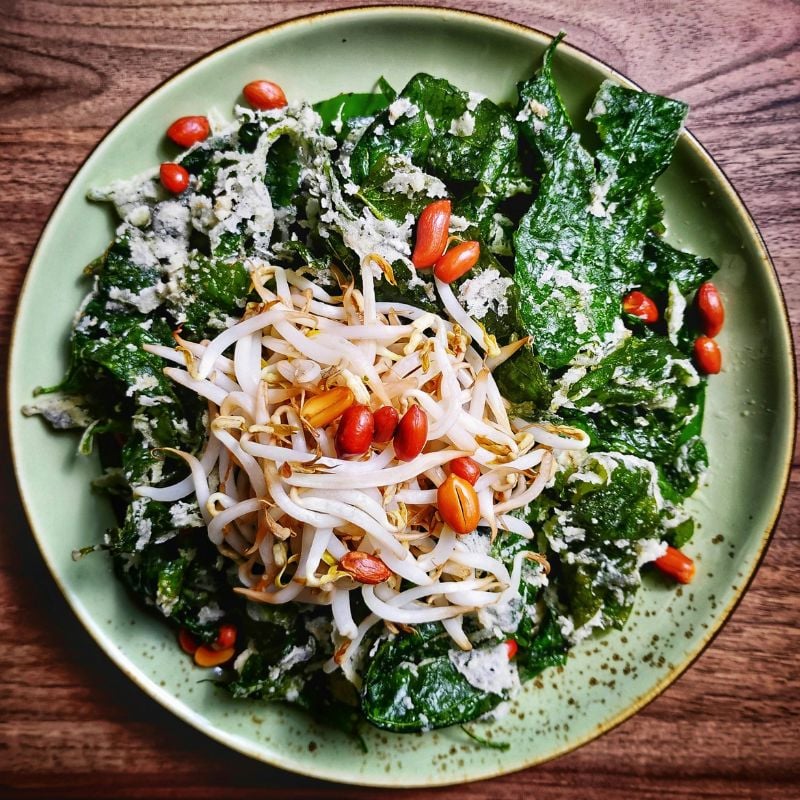
Spinach gives you several scalp-friendly nutrients in one simple green. It contains folate, plant-based iron, vitamin C, and beta-carotene.
- Key nutrients: Folate, iron, vitamin C, beta-carotene.
- Quick add-in: Toss it into eggs, smoothies, soups, pasta, or this easy crustless spinach mini quiche recipe for a simple make-ahead option.
- Real-life tip: Frozen spinach is usually cheaper and works well.
7. Sweet Potatoes
Sweet potatoes contain beta-carotene, which your body can convert into vitamin A. Vitamin A supports normal cell growth and tissue maintenance, but high-dose vitamin A supplements can be risky, so food sources are the gentler route.
- Key nutrients: Beta-carotene, fiber, vitamin C.
- Serve it simply: roast cubes or bake a sweet potato.
- Easy topping: Add Greek yogurt, cinnamon, or black beans.
8. Bell Peppers
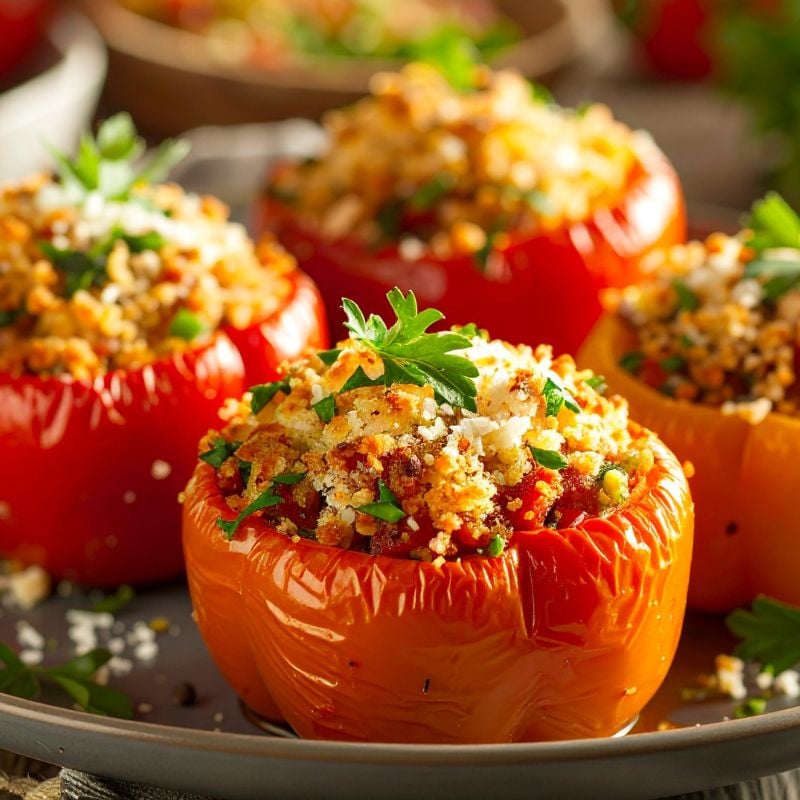
Bell peppers are one of the easiest ways to add vitamin C to your plate. Vitamin C helps the body make collagen and improves iron absorption from plant-based foods.
- Key nutrients: Vitamin C, antioxidants.
- Use them in: Fajitas, omelets, salads, stir-fries, or snack plates.
- Best match: Pair them with lentils, beans, or spinach.
9. Avocado
Avocado adds healthy fats, fiber, and vitamin E. It can also make meals more satisfying, which helps if you are trying to eat more balanced meals without feeling restricted.
- Key nutrients: Monounsaturated fats, vitamin E, fiber.
- Simple serving: Add slices to toast, eggs, salads, or grain bowls.
- Tip: Save the other half with lemon juice to reduce waste.
10. Walnuts
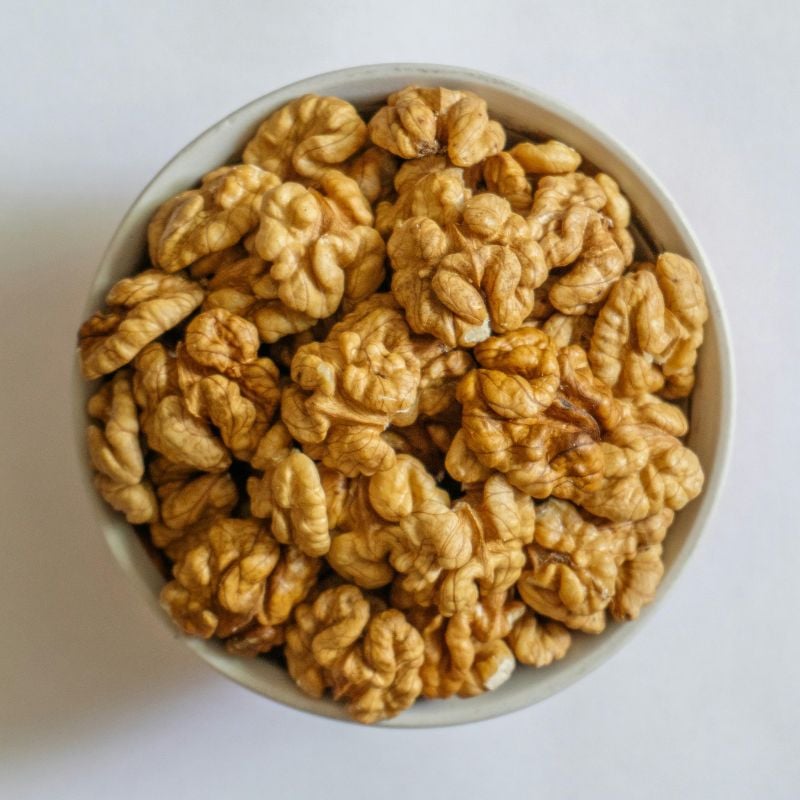
Walnuts are a simple plant-based source of ALA, an omega-3 fatty acid.
Research explains that ALA is an essential fatty acid, meaning your body needs to get it from food.
- Key nutrients: ALA omega-3, vitamin E, plant protein.
- Snack idea: Add a small handful to oatmeal, yogurt, or trail mix.
- Gentle reminder: Nuts are nutrient-dense, so a small portion is enough.
11. Oysters
Oysters are one of the richest food sources of zinc, and research notes that oysters provide more zinc per serving than any other food.
- Key nutrients: Zinc, iron, protein.
- Practical option: Eat them occasionally if you already enjoy seafood.
- Not your thing? Try beef, chicken, beans, dairy, or pumpkin seeds instead.
12. Chickpeas
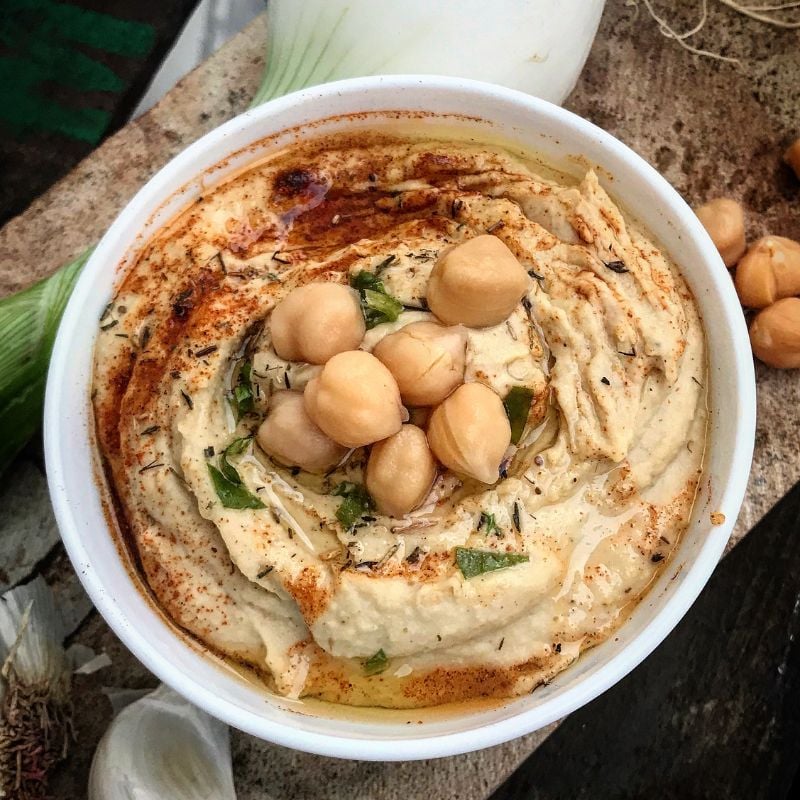
Chickpeas are affordable, filling, and easy to use in a variety of meals. They provide plant protein, fiber, iron, and zinc.
- Key nutrients: Plant protein, zinc, iron, fiber.
- Use them for: Hummus, roasted chickpeas, curry, or chickpea salad.
- Flavor boost: Add lemon juice, olive oil, garlic, or tomatoes.
13. Berries
Berries add vitamin C and plant compounds in a naturally sweet way. They are especially helpful when paired with iron-rich plant foods.
- Key nutrients: Vitamin C, polyphenols, fiber.
- Simple add-on: Mix into yogurt, oats, smoothies, or cottage cheese.
- Money-saving tip: Frozen berries are often cheaper and still easy to use.
14. Brazil Nuts
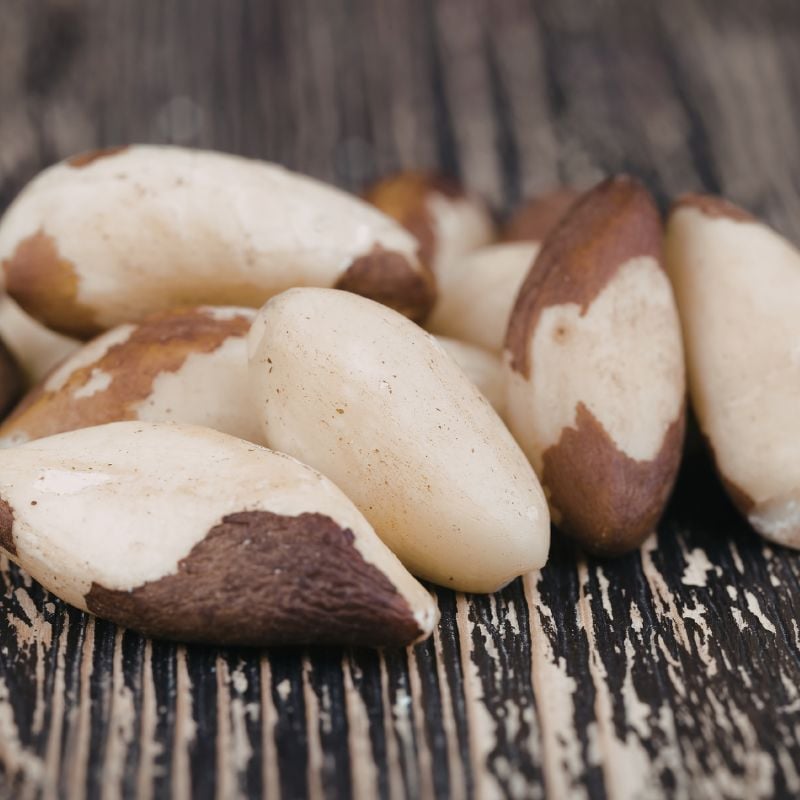
Brazil nuts are known for selenium. Selenium supports thyroid hormone metabolism, DNA production, and protection from oxidative damage and infection.
- Key nutrients: Selenium, healthy fats.
- Use with care: One Brazil nut a day is usually enough for many adults.
- Important note: Do not overdo them, as excessive selenium can be harmful.
15. Oats
Oats are simple, comforting, and easy to build into a scalp-supporting breakfast. They also pair beautifully with other foods on this list.
- Key nutrients: Iron, zinc, B vitamins, fiber.
- Make it better: Top with berries, walnuts, pumpkin seeds, or Greek yogurt.
- Busy-morning idea: Prep overnight oats so breakfast is ready when you are, or try these easy banana oat muffins for a simple make-ahead option.
My Final Thoughts: Nutrition First, Products Later
A healthier scalp does not come from one perfect food. Adding a few foods that promote scalp health can help your body get the protein, healthy fats, vitamins, and minerals it needs to care for your skin and hair from the inside.
Start with two or three simple options, like pumpkin seeds, salmon, spinach, lentils, or berries. Small choices, repeated often, can make scalp care feel easier and more manageable.
Which one would be easiest for you to add this week?

Hi I’m Ana. I’m all about trying to live the best life you can. This blog is all about working to become physically healthy, mentally healthy and financially free! There lots of DIY tips, personal finance tips and just general tips on how to live the best life.
Leave a Reply