
You know that tiny moment when you look down at the shower drain and think, Wait, is that more hair than usual? Or when your brush seems fuller than it used to, and suddenly you are checking yourself obsessively in every mirror? Today, we’ll cover real ways to fight hair loss before it gets worse.
Hair loss can feel personal.
It can make you worry, make you compare old photos, or make you wonder if you did something wrong. But here is the comforting truth: you are not powerless. Some shedding is normal, and many causes of hair loss can be managed once you understand what may be triggering it.
So, where do you start when your hair feels thinner, weaker, or like it is falling out more than usual?
You may also like: If your goal is to reduce shedding and support healthier growth, these tips to make your hair grow faster may be a helpful next read.
First, Know This: Hair Loss Does Not Have Just One Cause
Before trying every oil, vitamin, or shampoo you see online, it helps to remember that hair loss can have different triggers. Some are temporary, some are related to daily habits, and others need professional treatment.
Common causes can include:
- Genetics or hormonal changes
- Stress, illness, or major life changes
- Tight hairstyles, heat, or chemical damage
- Scalp problems like itching, flakes, or irritation
- Low protein, nutrient gaps, or medication changes
That is why the best first step is to understand what may be causing the shedding instead of guessing.
9 Ways to Fight Hair Loss That Actually Help
Here are nine practical ways to fight hair loss and protect the hair you still have.
1. See a Dermatologist If the Hair Loss Feels Sudden or Unusual
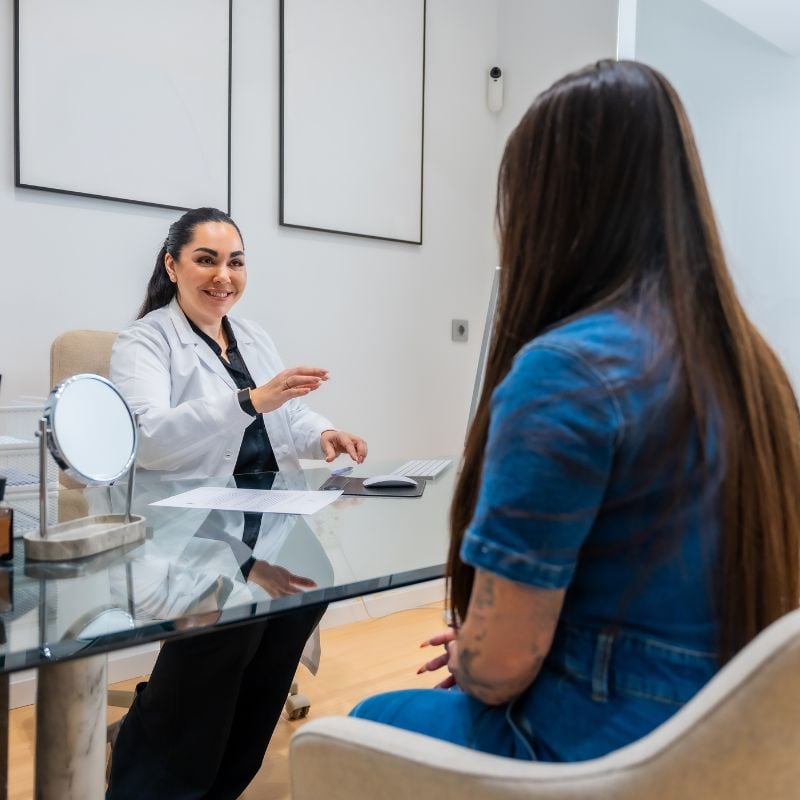
If your shedding came out of nowhere, you see bald patches, your scalp hurts, or your hair is coming out in clumps, do not try to guess for months on end. A board-certified dermatologist can examine your scalp, review your medical history, and help identify the underlying cause.
Try this:
- Take clear photos of your hairline, part, and thinning areas every 2–4 weeks.
- Write down recent changes: illness, stress, weight loss, new medication, postpartum changes, or diet changes.
- Ask whether bloodwork may be useful, especially for thyroid, iron, vitamin D, or other possible deficiencies.
2. Eat Enough Protein Every Day
Hair is made mostly of keratin, a protein. If you are skipping meals, dieting hard, or not eating enough protein, your body may not prioritize hair growth. Research recommends 40 to 60 grams of protein per day to help support hair health, especially for people at risk of telogen effluvium.
Easy ways to use this:
- Add eggs, Greek yogurt, chicken, fish, tofu, beans, lentils, or cottage cheese to meals.
For more food ideas that support stronger strands from the inside out, you can also check these foods to nurture your hair.
- If you eat a plant-based diet, rotate lentils, beans, tofu, tempeh, edamame, nuts, seeds, and whole grains.
- Avoid crash diets: Research notes that eating too few calories can cause significant hair loss.
3. Check Nutrient Gaps Before Taking Random Hair Supplements
Hair vitamins can feel like an easy fix, but more supplements do not always mean more hair. According to research, excessive amounts of certain nutrients, including vitamin A, vitamin E, and selenium, have been linked to hair loss.
Biotin is a good example. Biotin deficiency can cause hair loss, but evidence that biotin supplements improve hair in healthy people is limited.
If you have been thinking about taking biotin, this honest guide on the truth about biotin for hair growth can help you understand when it may actually be useful and when it may not be necessary.
A smarter plan:
- Ask your doctor if you should check iron/ferritin, zinc, vitamin D, thyroid markers, or other labs.
- Focus on food first: eggs, fish, beans, leafy greens, nuts, seeds, lean meats, and fortified foods.
- Do not take high-dose supplements unless a clinician recommends them.
4. Build a Gentle Wash-and-Condition Routine
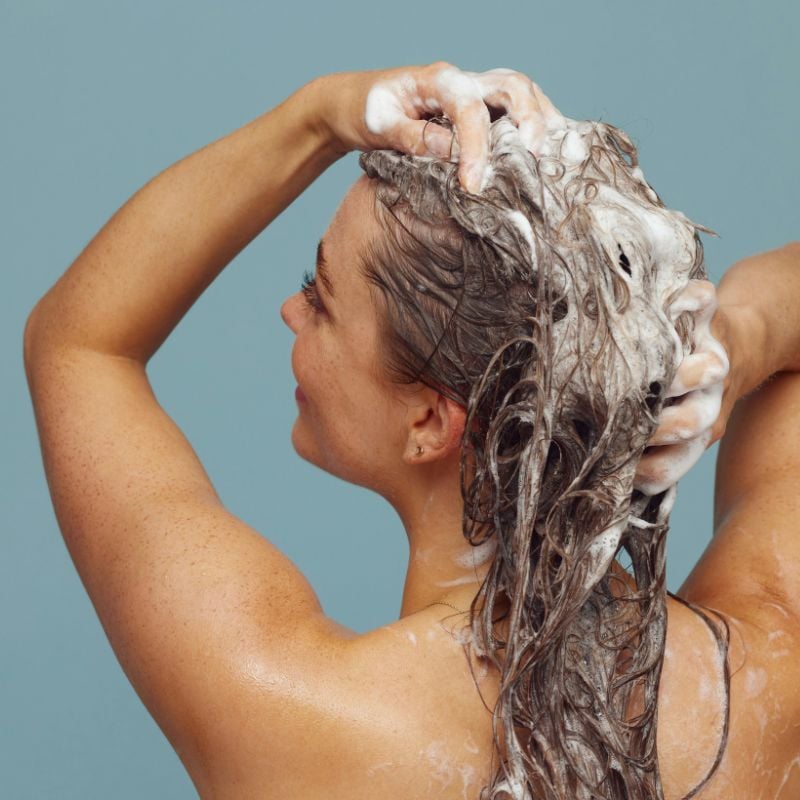
A shampoo cannot magically fix every type of hair loss, but a gentle routine can reduce breakage and make thinning hair look healthier while you address the root cause. Using a gentle shampoo and conditioner after every wash, leave-in conditioner or detangler, and a microfiber towel to reduce damage.
Using the right tool also matters, so this guide on how to choose the right brush for your hair type can help you avoid extra pulling and breakage.
Try this routine:
- Use a gentle shampoo that does not leave your scalp tight or irritated.
- Condition your ends every time you wash.
- Detangle with care, starting at the ends and working upward.
- Pat or wrap hair with a microfiber towel instead of rubbing it roughly.
5. Stop Wearing Tight Hairstyles Too Often
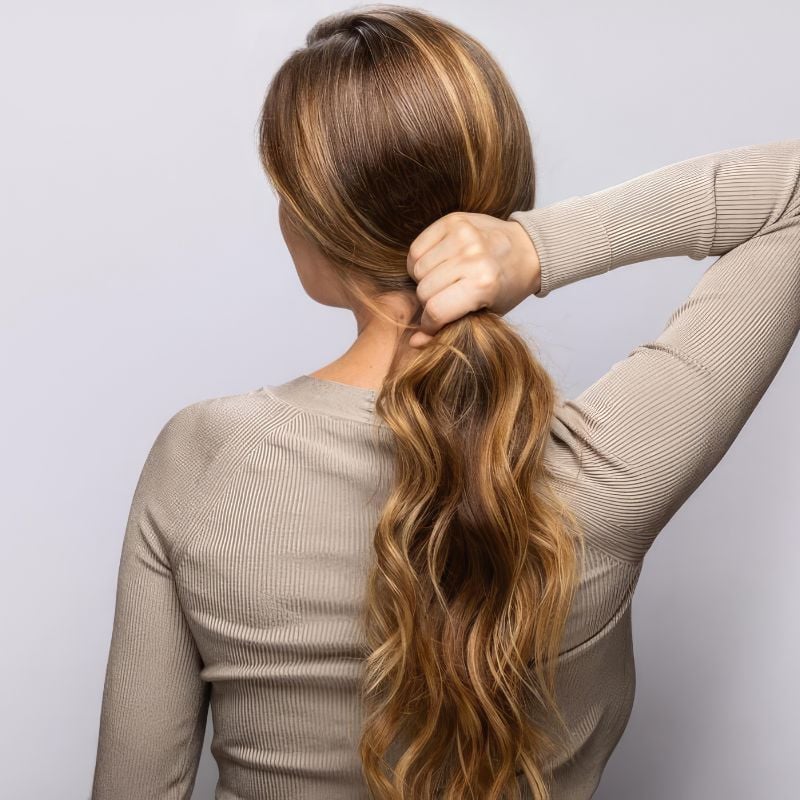
Tight ponytails, buns, cornrows, braids, locs, weaves, and extensions can pull on the scalp. Over time, that pulling can lead to traction alopecia, a type of hair loss that may become permanent if ignored.
Protect your hairline by doing this:
- Loosen braids, buns, ponytails, and protective styles.
- Remove a style right away if it causes pain, stinging, crusting, or scalp tenderness.
- Give your hair breaks between tight styles.
- Watch for broken hairs, thinning edges, or patches near areas that get pulled.
A simple rule: if the hairstyle hurts, it is too tight.
Million Dollar Mamas have also loved: 17 Effortless Half-Up Hairstyles.
6. Use Less Heat and Be Careful With Chemical Treatments
Heat tools and chemical treatments can weaken already fragile hair. This does not mean you can never style your hair again. It just means your hair may need a softer routine, especially during a shedding season.
Try this:
- Save hot tools for special occasions.
- Use the lowest heat setting that still works.
- Let your hair air-dry when you can.
- Avoid bleaching, relaxing, and coloring close together.
7. Take Scalp Problems Seriously
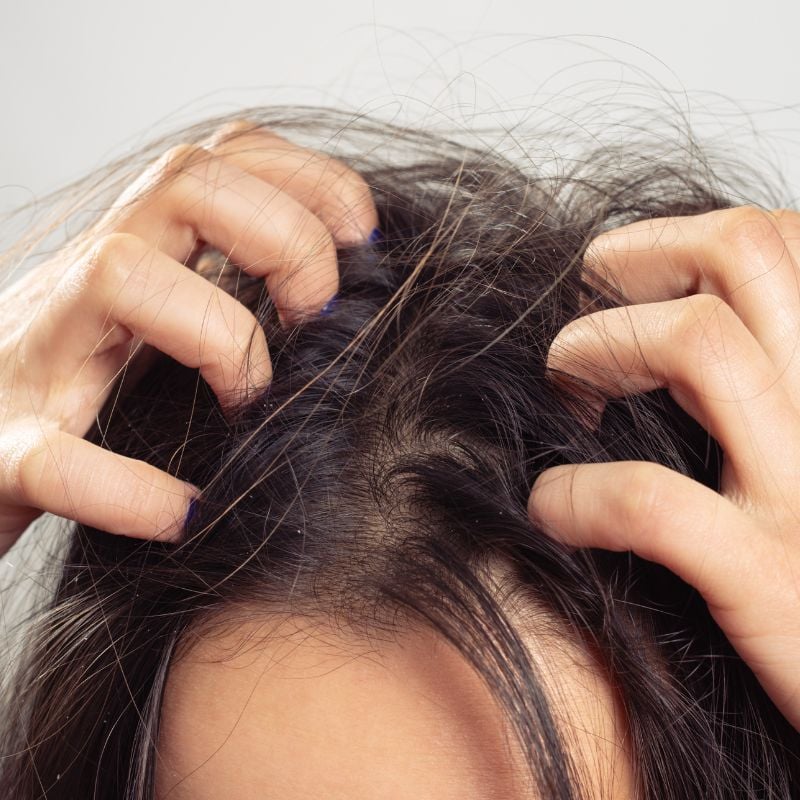
Your scalp is the soil from which your hair grows. If it is itchy, flaky, painful, inflamed, or covered in buildup, do not ignore it.
What to do:
- Wash often enough to keep your scalp comfortable.
- Avoid heavy oils or products that sit on your roots and create buildup.
- Try dandruff shampoo for mild flakes, but see a dermatologist if it does not improve.
- Do not scratch aggressively or use harsh DIY scalp scrubs on irritated skin.
8. Support Your Body After Stress, Illness, Weight Loss, or Hormonal Changes
Sometimes shedding starts a few months after your body goes through something intense: high stress, fever, illness, surgery, childbirth, rapid weight loss, or a major hormonal change.
Research explains that telogen effluvium is temporary hair loss caused by stress or a change in the body.
Help your body recover:
- Eat regular meals with protein, iron-rich foods, fruits, vegetables, and healthy fats.
- Sleep as consistently as possible.
- Avoid extreme diets during stressful seasons.
- Be patient, but seek medical help if shedding is heavy, lasts longer than expected, or is accompanied by other symptoms.
Healthy people may normally lose up to 100 hairs per day, while telogen effluvium can cause up to 300 hairs per day.
9. Use Evidence-Based Hair Loss Treatments When Needed
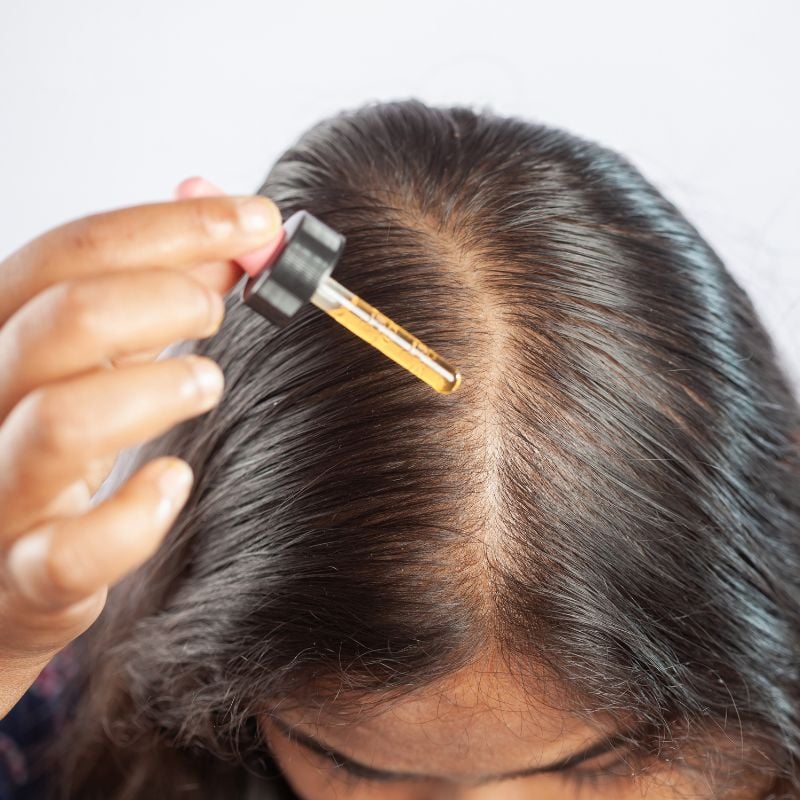
Some hair loss will not respond enough to oils, masks, or diet changes alone. Hereditary thinning, for example, often requires treatment to slow it down. Minoxidil is one option dermatologists may recommend for early hair loss.
Keep this in mind:
- Ask a dermatologist whether minoxidil or another treatment is right for your type of hair loss.
- Start early if your part is widening, the crown is thinning, or the hairline is changing.
- Be consistent. Hair treatments usually need months, not days.
- Do not stop prescribed treatments without asking your clinician.
Conclusion: Start With Small Habits
Fighting hair loss is not about doing everything perfectly. It is about paying attention early, being gentle with your hair, feeding your body well, caring for your scalp, and getting help when something feels off.
You do not have to throw every product at the problem.
The best ways to fight hair loss often start with simple habits that protect your hair from the inside and out, then seeking support if shedding continues.
Which of these hair-saving habits feels like the easiest one for you to start this week?

Hi I’m Ana. I’m all about trying to live the best life you can. This blog is all about working to become physically healthy, mentally healthy and financially free! There lots of DIY tips, personal finance tips and just general tips on how to live the best life.
Leave a Reply