
A few months ago, I found myself holding a bottle labeled biotin for hair growth, wondering if this tiny capsule was really the answer to thinner strands and slow growth. The promises on the packaging sounded convincing: longer, stronger, fuller hair. But I couldn’t help but ask myself whether it was truly science or just good marketing.
If you’ve ever noticed extra hair in your brush or felt your ponytail getting thinner, you know how personal it feels. Hair changes can shake your confidence in ways people don’t always talk about. And when something claims to fix it, it’s tempting to believe it.
So does biotin actually help hair grow in women, or are we being sold hope in a bottle? Today, we’re looking past the hype and into what the research really says.
Before we jump in, you might also want to check: 10 Foods to Nurture Your Hair.
What Is Biotin? (And Why It Became So Popular)
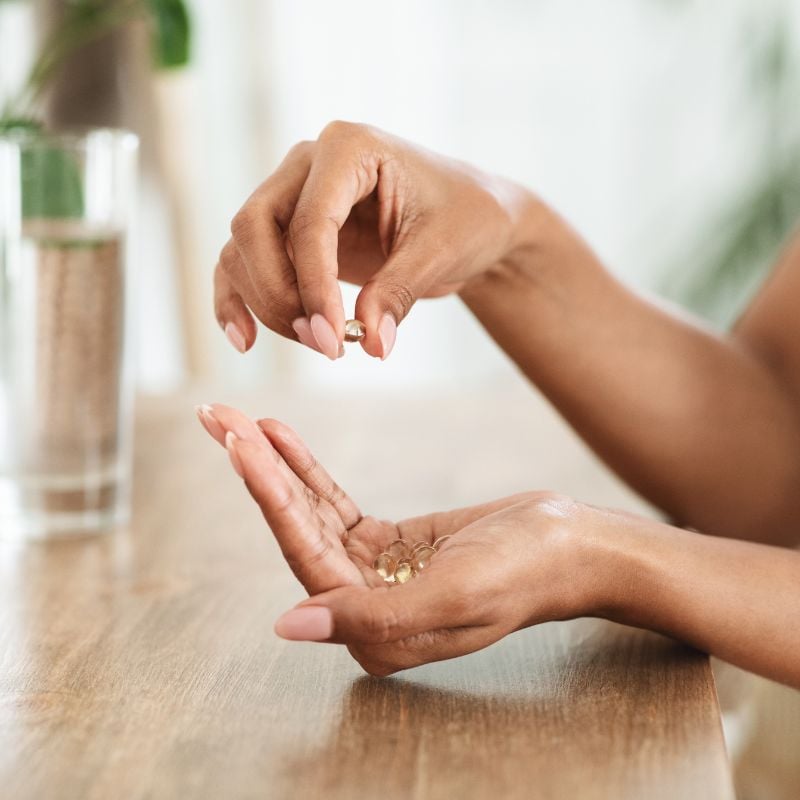
Biotin, also known as vitamin B7, is a water-soluble B vitamin. It plays a key role in helping your body metabolize fats, carbohydrates, and proteins. Specifically, it serves as a cofactor for carboxylases that support energy production and amino acid metabolism.
Why does that matter for hair?
Hair is primarily made of keratin, a structural protein. Since biotin is involved in protein metabolism, many assume that more biotin must mean more keratin, and therefore more hair growth.
The recommended Adequate Intake (AI) for adults is 30 mcg per day, as indicated by research. Most people easily meet this through foods like:
- Eggs (cooked)
- Nuts and seeds
- Salmon
- Sweet potatoes
- Spinach

So why are supplements everywhere?
Because a biological connection (protein metabolism → keratin → hair) is easy to turn into a marketing claim, even if the clinical evidence is limited.
Why People Think Biotin Should Work for Hair Growth
The reasoning seems simple:
- Hair is made of keratin.
- Biotin supports keratin infrastructure.
- Therefore, biotin should increase hair growth.
This is called mechanistic plausibility, and it makes sense on paper.
But here’s where things get important: Biological plausibility is not the same as clinical proof.
For a supplement to be considered truly effective, it must demonstrate benefits in well-designed human trials, not just theoretical pathways.
What the Research Actually Shows (Specifically in Women)
1. Biotin Deficiency and Hair Loss
Research evidence that true biotin deficiency can cause hair thinning and hair loss, along with skin rashes and neurological symptoms.
Research published in 2017 reported improvements in hair growth after biotin supplementation in individuals with documented biotin deficiency or specific metabolic disorders, but not in healthy individuals with normal biotin levels.
In cases of deficiency, biotin is effective.
But here’s the critical detail:
Biotin deficiency is uncommon in healthy adults, including women, and typically occurs only in specific clinical situations, such as:
- Severe malnutrition, long-term intravenous nutrition
- Chronic alcohol misuse, genetic enzyme defects (e.g., biotinidase deficiency)
- Prolonged consumption of raw egg white or the use of certain medications
- Such as some antiseizure drugs
2. What About Women Without Deficiency?
This is where the conversation changes.
Current research remains limited. A recent review identified only a limited number of well-designed randomized controlled trials demonstrating that biotin supplementation alone can improve hair growth in individuals with normal biotin levels.
Many studies examining hair and skin supplements use combinations of micronutrients, such as biotin paired with:
- Collagen
- Zinc
- Vitamin C
- Iron
Because these formulations include multiple active ingredients, it is difficult to determine whether any observed improvement is due specifically to biotin.
In dermatology, most experts agree:
There is insufficient evidence to recommend biotin as a routine hair-growth supplement for healthy women.
Research reviews emphasize that while biotin may improve hair growth in cases of confirmed deficiency, the available literature does not support its use for hair loss in otherwise healthy individuals.
Even research notes that hair loss in women is more commonly linked to:
- Iron deficiency
- Thyroid disorders
- Hormonal changes
- StressGenetics (female pattern hair loss)
Not biotin deficiency.
So Does Biotin Work for Hair Growth in Women?
Here’s the honest answer:
Biotin may improve hair growth in cases of confirmed deficiency. However, in women with adequate biotin levels, supplementation has not been shown to significantly increase hair growth. Current research highlights the limited evidence for biotin supplementation in individuals without deficiency.
Why?
Because once your body has adequate levels to support normal metabolic function, adding more does not “supercharge” hair follicles. Hair growth depends on complex signaling pathways, hormonal balance, blood flow to the scalp, genetic predisposition, and overall nutritional status, not on a single vitamin taken in excess.
In other words, correcting a deficiency can restore normal hair function. But taking extra biotin when your levels are already sufficient does not appear to stimulate additional growth.
When Might Biotin Be Appropriate?
Biotin may be considered if:
- You have symptoms of deficiency (hair loss + rash + neurological changes)
- You have gastrointestinal absorption issues
- You are on medications that impair biotin metabolism
- Blood testing confirms low levels
Evidence-Based Supplementation
Clinical doses for deficiency are often 2.5–5 mg (2,500–5,000 mcg) per day, far above the 30 mcg daily requirement. These doses are typically used under medical supervision.
Improvements, when a deficiency is present, are usually observed after 3–6 months, as hair growth cycles take time.
Important Safety Consideration
High-dose biotin can interfere with lab tests, especially:
- Thyroid hormone panels
- Troponin (heart attack marker)
- Certain hormone tests
If you are taking biotin, your physician should be aware of this before laboratory testing.
Who Probably Should NOT Take Biotin for Hair Growth?
- Women with normal lab results
- Women with hormone-related hair loss
- Women experiencing postpartum shedding
- Women with a genetic pattern of hair thinning
In these cases, biotin is unlikely to address the root cause.
While no supplement can override biology, small daily habits can support healthier growth over time. If you’re looking for practical strategies, here are science-informed tips to help your hair grow faster naturally.
What May Work Better for Hair Health
If you’re experiencing hair thinning, approaches include:
- Checking iron levels (iron deficiency is a common cause of hair loss in women)
- Evaluating thyroid function
- Ensuring adequate protein intake
- Addressing stress and sleep
- Dermatologic treatments like topical minoxidil
- In some cases, PRP or prescription therapies
Supporting your hair through nutrient-dense foods may be more effective than relying on a single supplement. You can explore a full list of hair-supporting nutrients in this guide to foods that nourish healthy hair.
Common Myths About Biotin
More biotin equals more hair growth.
- False. Excess is typically excreted.
Biotin shampoos grow hair.
- There is no strong evidence that topical biotin penetrates the scalp deeply enough to affect follicles.
If celebrities take it, it must work.
- Marketing is not medicine.
Final Thoughts: The Truth About Biotin for Hair Growth
Biotin is essential for health, but it is not a magical solution for hair growth.
For women with a confirmed deficiency, supplementation can restore normal hair growth. For women with normal levels, current research does not support biotin as an effective standalone hair growth treatment.
If you’re worried about thinning hair, the smartest step isn’t buying another supplement; it’s identifying the root cause.
Because when it comes to your hair, wouldn’t you rather treat the real issue instead of chasing a trend?

Hi I’m Ana. I’m all about trying to live the best life you can. This blog is all about working to become physically healthy, mentally healthy and financially free! There lots of DIY tips, personal finance tips and just general tips on how to live the best life.
Leave a Reply