
Have you ever reached the top of the stairs and needed an extra moment to catch your breath? Maybe you blamed it on a long day, but part of you still wondered whether your heart needed more care. The good news is that healthy heart habits don’t require a complete lifestyle change. They can begin with a short walk, a nourishing meal, or simply remembering to take your medication.
Heart care can feel like another responsibility on an already crowded list, especially if you are managing high blood pressure, an irregular heartbeat, or another condition. Between work, appointments, and family life, it is understandable if making changes feels overwhelming.
If you’re a patient with a heart condition or simply want to start taking better care of your heart, this list will fit you dearly.
You don’t need to do everything at once. The following habits are practical enough for real life and can help you protect your health, energy, and independence for the years ahead. Start with one that feels manageable and build from there.
If you would like a little more guidance before getting started, these natural ways to strengthen your heart offer additional changes you can gradually introduce into your routine.
15 Healthy Heart Habits You Can Start Today
These healthy heart habits are not about following a perfect routine. They are practical actions you can introduce gradually to protect your heart, preserve your energy, and remain active and independent as you age. If you already have a cardiovascular condition, work with your healthcare team to adapt them to your needs.
1. Turn Your Treatment Plan Into a Daily Routine
More than half of medications prescribed for chronic conditions are not taken as directed, according to research.
- Use a pill organizer or set a daily phone reminder.
- Request refills before your medication runs out.
- Keep an updated list of medicines and supplements.
- Report side effects or financial difficulties instead of stopping treatment yourself.
If you’re the kind of person that want to start taking medication for heart protection, you should first consult with a medical professional and once you get your prescription, make sure you do take your treatment religiously.
2. Learn and Record Your Heart Numbers
Nearly 46% of U.S. women have high blood pressure or take medication for it, but fewer than one in four have it controlled.
- Ask about your blood pressure, LDL cholesterol, triglycerides, and blood sugar.
- Use a validated upper-arm monitor and learn how to read your blood pressure results.
- Rest for five minutes, sit with your feet flat, and support your arm at heart level.
- Record your results to discuss at appointments.

3. Build Meals Around a Heart-Supportive Pattern
There are certain popular diets that directly support heart health.
DASH and Mediterranean-style eating emphasize nourishing foods rather than strict restrictions. DASH can lower blood pressure and LDL cholesterol, according to research.
If you are unsure which approach would suit your lifestyle, you can compare some of the best diets for heart health before deciding where to begin.
Regardless of the diet you decide to follow, your dishes should look a lot like this:
- Vegetables and fruit: Provide fiber, potassium, and protective plant compounds.
- Beans and lentils: Offer plant protein and soluble fiber with little saturated fat.
- Whole grains: Oats, barley, and brown rice support blood sugar and cholesterol.
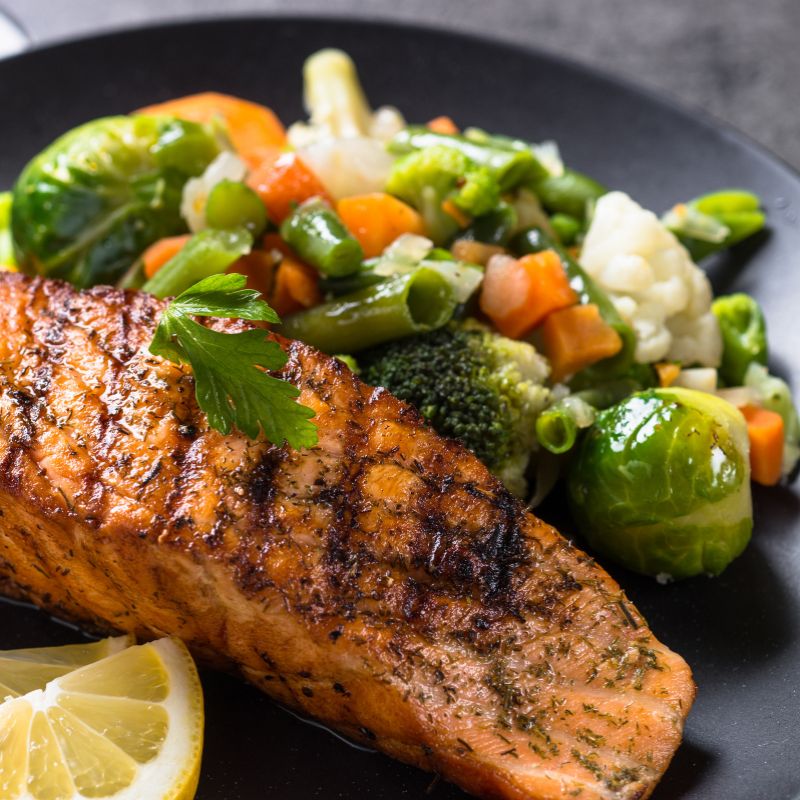
- Fish: Salmon, trout, and sardines provide protein and omega-3 fats.
- Nuts and seeds: Add fiber, minerals, and unsaturated fats.
Need more ideas for your grocery list? These foods for your heart offer simple ways to bring more heart-supportive ingredients into your meals.
4. Check Sodium Before Food Reaches the Table
Most sodium comes from packaged, restaurant, and prepared foods, not just the salt shaker. Research recommends that most adults consume less than 2,300 milligrams per day, although individual targets may vary.
- Compare sodium between products using equal serving sizes.
- Select no-salt-added canned foods when possible.
- Rinse canned beans and vegetables before eating.
- Flavor meals with garlic, lemon, vinegar, herbs, or spices.
- Follow your clinician’s target if you have heart failure or kidney disease.
To identify other products that may contain more sodium than expected, take a look at these foods to avoid if you suffer from high blood pressure.
5. Replace Certain Fats Instead of Removing Them All
Saturated fat is common in butter, fatty meat, full-fat dairy, coconut oil, and palm oil. Unsaturated fat is found in olive oil, nuts, seeds, avocado, and fish.
- Cook with olive or canola oil instead of butter or shortening.
- Replace processed meat with fish, beans, lentils, or poultry.
- Choose nuts or seeds instead of fried snacks.
- Add oats, barley, beans, and fruit for more soluble fiber.
You can also explore these foods that may support healthier arteries, featuring fiber, unsaturated fats, and other heart-supportive nutrients.
6. Schedule Movement Like an Appointment
Adults should gradually work toward 150 minutes of moderate activity weekly, although smaller amounts still count.
- Schedule 10- or 15-minute walks and discover the health benefits of walking.
- Use the talk test: you should be able to talk but not sing.
- Stop if you experience chest discomfort, dizziness, palpitations, or unusual shortness of breath.
- Get medical clearance if you have an existing heart condition.
- Choose enjoyable activities or try these low-impact exercises for beginners.

7. Strengthen the Muscles That Preserve Independence
Maintaining muscle can help prevent age-related muscle loss and make everyday activities such as carrying groceries, climbing stairs, and rising from a chair easier.
- Add resistance-band, light-weight, or chair exercises twice weekly.
- Begin with a comfortable resistance and increase it gradually.
- Include simple balance movements in your routine.
- Seek supervision after heart surgery, hospitalization, or a cardiac event.
8. Interrupt Long Periods of Sitting
A morning workout doesn’t erase an otherwise inactive day. Frequent movement can make activity feel more natural and manageable.
- Stand, stretch, or walk every 30 to 60 minutes.
- Place commonly used objects away from your desk.
- Walk briefly after meals when your care team says it is safe.
- Take phone calls while standing.
These movement breaks work best as part of a complete routine.
For more ideas, explore these everyday habits that could prevent heart disease.
9. Protect Seven to Nine Hours for Sleep
Research recommends that adults get seven to nine hours of sleep each night.
- Keep consistent sleep and wake times throughout the week.
- Dim screens and bright lights before bed.
- Keep your bedroom cool, dark, and quiet.
- Ask about sleep apnea if you snore loudly, gasp during sleep, wake with headaches, or remain exhausted during the day.

10. Create a Nicotine-Free Home and Car
Secondhand smoke raises coronary heart disease risk among nonsmoking adults by 25% to 30%.
- Make your home and car completely smoke- and vape-free.
- Remove ashtrays and other familiar smoking cues.
- Ask visitors to smoke away from doors and windows.
- Request evidence-based quitting support from a healthcare professional.
Ready to quit? These practical tips to quit smoking can help you take the first steps.
11. Stop Treating Alcohol as Heart Medicine
Starting to drink red wine is not a reliable way to protect your heart. Reducing or avoiding alcohol may be especially important for people with high blood pressure or atrial fibrillation.
- Don’t start drinking for supposed cardiovascular benefits.
- Ask whether alcohol interacts with your medication.
- Avoid relying on alcohol for sleep or stress relief.
- Discuss the safest option for your condition with your clinician.
12. Practice a Short Stress Reset Every Day
Stress can interfere with medication, sleep, movement, and nutritious meals. A brief daily pause may make those routines easier to maintain.
- Practice slow breathing for five minutes with the box breathing technique.
- Write down worries before bedtime.
- Try prayer, meditation, or a quiet cup of tea.
- Seek professional support when anxiety or low mood persists.
- Never assume that new chest discomfort or breathlessness is “only stress.”
- Take a short, phone-free walk or try a social media detox.
13. Make Social Connection Part of Heart Care
Poor social relationships are associated with a 29% higher risk of coronary heart disease and a 32% higher risk of stroke.
- Learn how to speak openly about your feelings with someone you trust.
- Walk or prepare a heart-supportive meal with a friend.
- Join a community, faith, hobby, or support group.
- Invite someone to important medical appointments.
14. Make Time for a Daily Heart Check-In
Taking one quiet minute each day can help you recognize changes before they become easy to dismiss.
- Notice changes in your breathing, energy, heartbeat, or ankle swelling.
- Record symptoms, blood pressure, or weight if your clinician recommends it.
- Write down unusual changes instead of relying on memory.
- Contact your healthcare team if symptoms are new, persistent, or worsening.

15. Use Follow-Up Care and Cardiac Rehabilitation
Feeling better doesn’t always mean that treatment is finished. Cardiac rehabilitation participants are 42% less likely to be readmitted within six to 12 months.
- Keep routine primary-care and cardiology appointments.
- Bring home readings, medication lists, and questions.
- Ask about cardiac rehabilitation after a heart attack, heart failure diagnosis, angioplasty, or heart surgery.
- Create a written plan that identifies symptoms requiring a clinician’s call or immediate emergency care.
My Final Thoughts
Taking care of your heart doesn’t mean following a perfect routine. The most effective healthy heart habits are the ones you can realistically repeat, whether that means taking your medication on time, walking for a few minutes, or checking the sodium on a food label.
Begin with one change and allow it to become part of your life before adding another. Every small effort can support the energy, health, and independence you want to enjoy in the future.
Which healthy heart habit will you start with today?

Hi I’m Ana. I’m all about trying to live the best life you can. This blog is all about working to become physically healthy, mentally healthy and financially free! There lots of DIY tips, personal finance tips and just general tips on how to live the best life.
Leave a Reply