
You sit down, wrap the cuff around your arm, press the little button, and wait while it squeezes tighter and tighter. A few seconds later, two numbers appear on the screen, and suddenly, you realize you are not fully sure how to read a blood pressure reading.
And then comes the real question: Is this okay, or should I be worried?
If you have ever checked your blood pressure at home and felt confused by the numbers, you are not alone. A home blood pressure monitor can be a helpful little tool, but only when you know how to use it correctly and understand what the reading means.
This guide will walk you through what the top and bottom numbers mean, how to use an electronic monitor at home, and when a number is high enough to call your doctor.
And if your readings have been running high, you may also want to explore these natural remedies for high blood pressure as a gentle next step to discuss with your doctor.
What a Blood Pressure Reading Actually Means
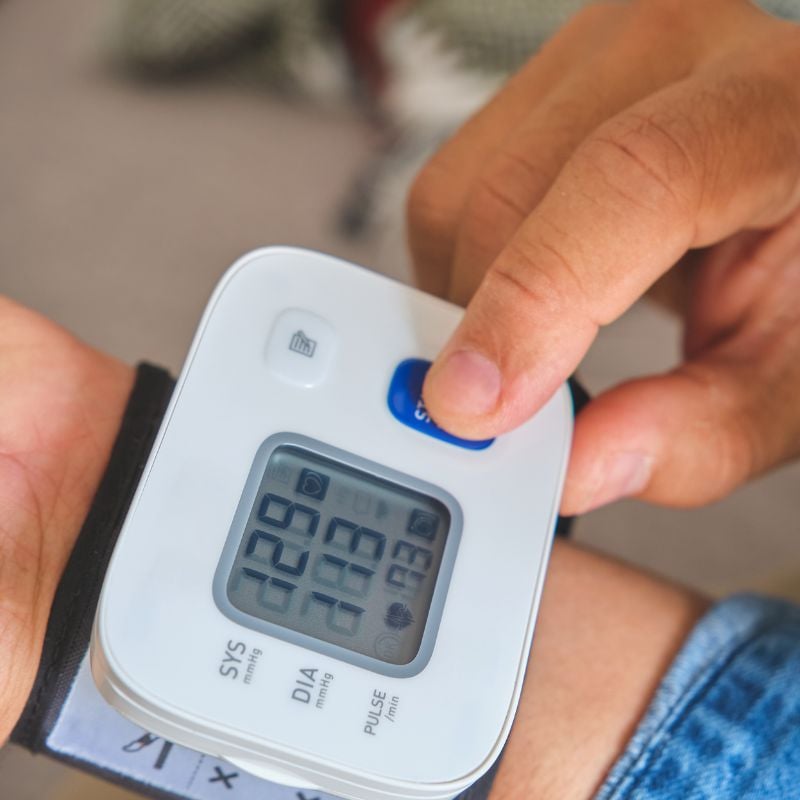
A blood pressure reading usually looks like this: 118/76 mm Hg.
The first number is called systolic blood pressure. It measures the pressure of your blood against your artery walls when your heart beats. The second number is called diastolic blood pressure. It measures the pressure when your heart rests between beats.
Think of it this way:
- Top number: the pressure when your heart pushes blood out.
- Bottom number: the pressure when your heart relaxes.
- mm Hg: the unit used to measure blood pressure, measured in milimiters of mercury.
- Pulse: your heart rate, which many monitors show too, but it is not the same as blood pressure.
So if your monitor reads 122/78, your systolic is 122, your diastolic is 78, and your pulse may appear separately on the screen.
Why Home Blood Pressure Readings Are Worth Learning
Blood pressure is not just something older adults need to think about. Research data from August 2021 to August 2023 found that hypertension affected 23.4% of adults ages 18–39 and 52.5% of adults ages 40–59 in the United States.
That does not mean you need to panic over one reading. It means learning how to check your numbers correctly can help you notice patterns early.
Nearly half of U.S. adults have high blood pressure, according to research, and only about 1 in 4 adults with high blood pressure has it under control. That is why a home monitor can be useful, especially if your doctor has asked you to track your numbers.
Since blood pressure is closely connected to heart health, it can also help to learn a few natural ways to strengthen your heart over time.
How to Use a Home Blood Pressure Monitor Correctly
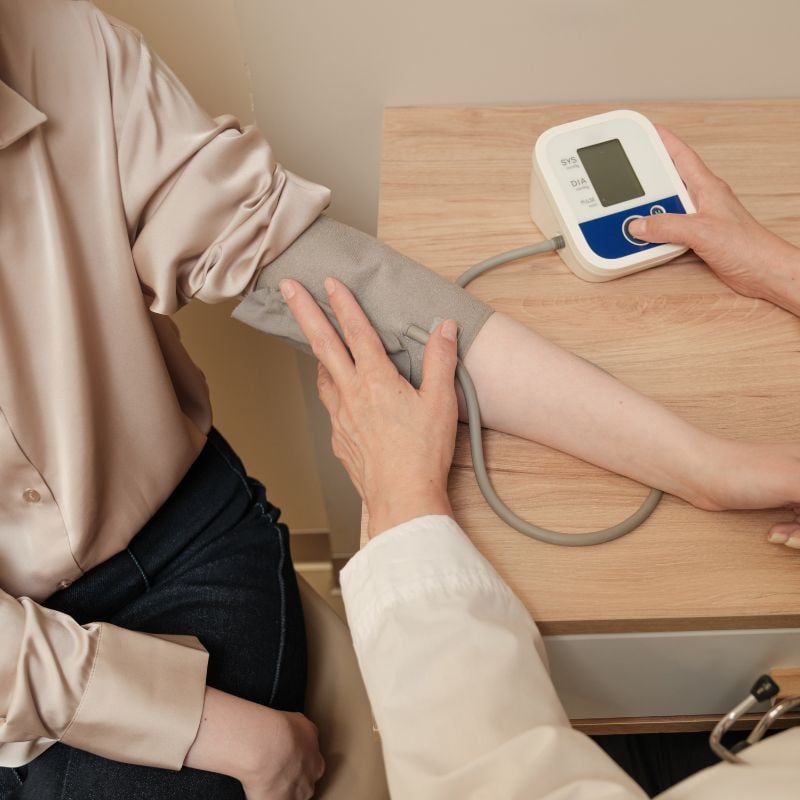
A home monitor is only as helpful as the way you use it. A rushed reading, the wrong cuff size, or an improper arm position can make your number look higher or lower than it really is.
Research recommends using an automatic cuff-style upper-arm monitor when possible.
Wrist and finger monitors are not usually recommended because they can be less reliable. It also recommends choosing a validated monitor and making sure the cuff fits your arm.
Here is a simple way to do it:
- Get settled first: Sit quietly for about five minutes before you start. Research also recommends avoiding caffeine and smoking for 30 minutes before checking your blood pressure.
- Place the cuff on bare skin: Do not put it over a shirt. The cuff should go on your upper arm.
- Line it up well: place the cuff about 1 inch above the bend of your elbow, with the tubing over the front center of your arm.
- Keep your body relaxed: Sit with your back supported, feet flat on the floor, and legs uncrossed.
- Rest your arm: Support it on a table at about heart level.
- Stay quiet: Talking during the reading can affect the result.
- Check again if needed: If the number seems unusual, rest quietly and take another reading after one or two minutes.
Blood Pressure Reading Chart: What Your Numbers May Mean
Here is a simple way to understand the categories.
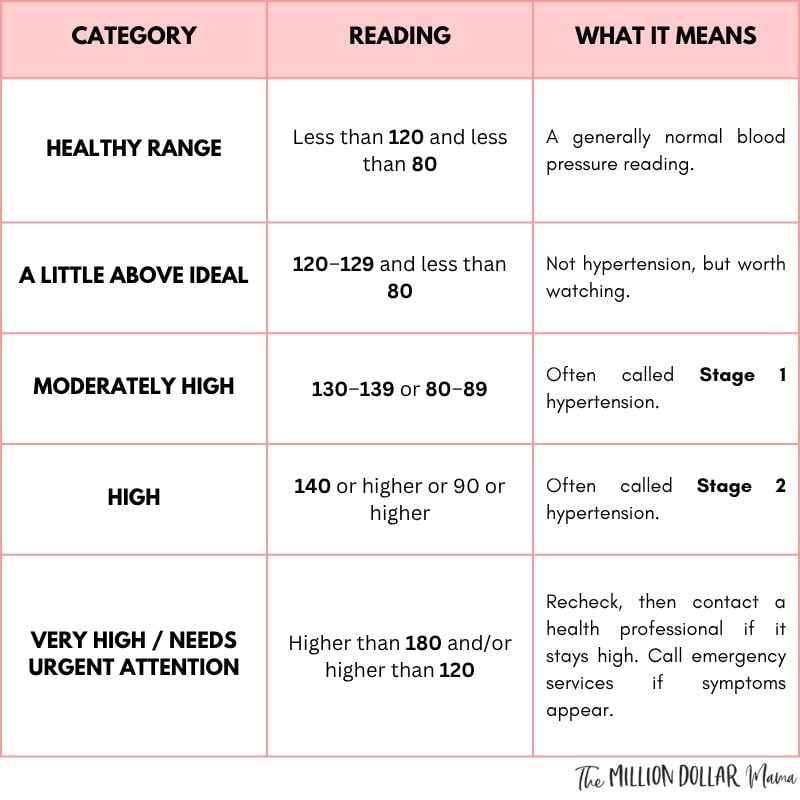
If your readings often fall into the higher ranges, please go to a health professional so you can get the needed attention.
Some home remedies can also help. Check them out here:
Learning about the foods to avoid if you suffer from high blood pressure may also help you understand what daily habits could be affecting your numbers.
One important note: only a doctor or qualified health professional can diagnose high blood pressure.
When a Reading Is High Enough to Take Action

If you get one high reading, take a breath. Stress, movement, caffeine, pain, poor sleep, or even checking too quickly can affect the number.
Try this:
- If it is slightly high: Sit calmly and recheck later.
- If it keeps landing in the 130s/80s: Save the readings and talk with your doctor.
- If it is 140/90 or higher more than once: Do not ignore it. Bring your log to a health professional.
- If it is higher than 180 and/or 120: Wait at least 1 minute and check again. If it stays high, you should contact a health care professional.
If that reading comes with symptoms such as chest pain, shortness of breath, back pain, numbness, weakness, vision changes, or difficulty speaking, call emergency services.
This is not about being scared. It is about knowing what deserves attention.
Common Mistakes That Can Change Your Reading
Before assuming the number is “bad,” check the setup.
Small things that can throw off your reading include:
- Measuring over clothing.
- Using a cuff that is too small or too large.
- Sitting with crossed legs.Holding your arm too low or too high.
- Talking during the measurement.
- Checking right after exercise, caffeine, stress, or rushing.
- Taking it again and again because you feel anxious.
A poorly fitting cuff can lead to inaccurate readings, and digital upper-arm monitors are often the most accurate option.
How to Keep a Simple Blood Pressure Log
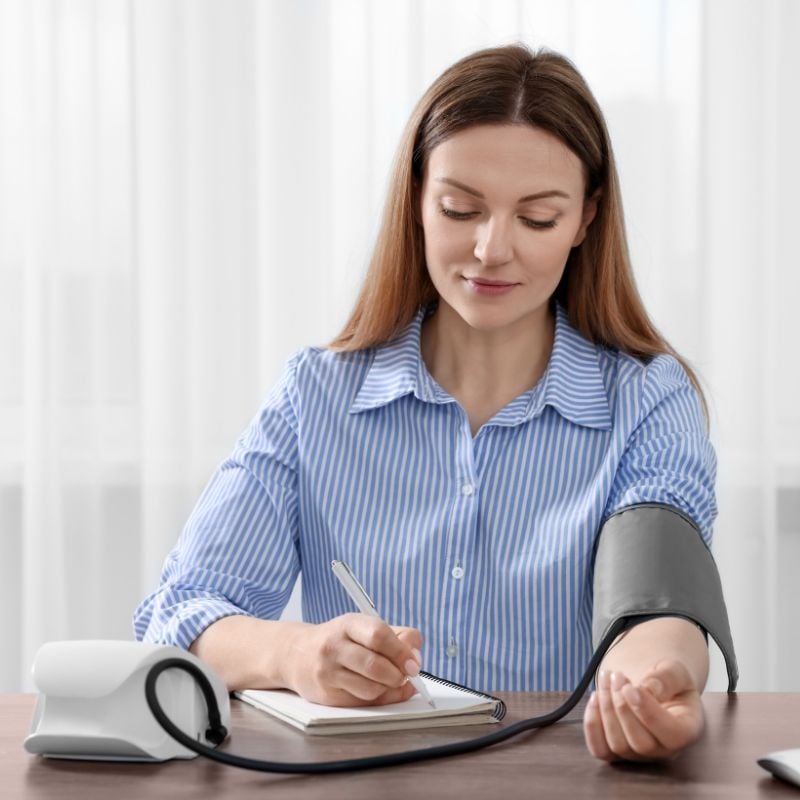
A blood pressure log can help you and your doctor see the bigger picture. One number is just one moment. A log shows patterns.
Keep it simple:
- Write down the date and time.
- Record both numbers: systolic and diastolic.
- Add your pulse if your monitor shows it.
- Note what was going on: stress, poor sleep, coffee, exercise, or feeling unwell.
- Bring the log to appointments instead of trying to remember everything.
Over time, your log may help you notice patterns around stress, sleep, caffeine, or meals.
If food seems to play a role, these foods to balance blood pressure are a helpful place to keep learning.
Final Thoughts on this Practical Guide
Learning how to read a blood pressure reading can make your home monitor feel less intimidating and much more useful. You do not need to obsess over every number, and you definitely do not need to diagnose yourself from one reading.
The goal is simple: measure correctly, understand the range, notice patterns, and know when to ask for help. Your blood pressure monitor is not there to scare you. It is there to give you information you can use with more confidence, more calm, and better conversations with your doctor.
Have you ever taken your blood pressure at home and wondered if the number was normal or something you should take more seriously?

Hi I’m Ana. I’m all about trying to live the best life you can. This blog is all about working to become physically healthy, mentally healthy and financially free! There lots of DIY tips, personal finance tips and just general tips on how to live the best life.
Leave a Reply