
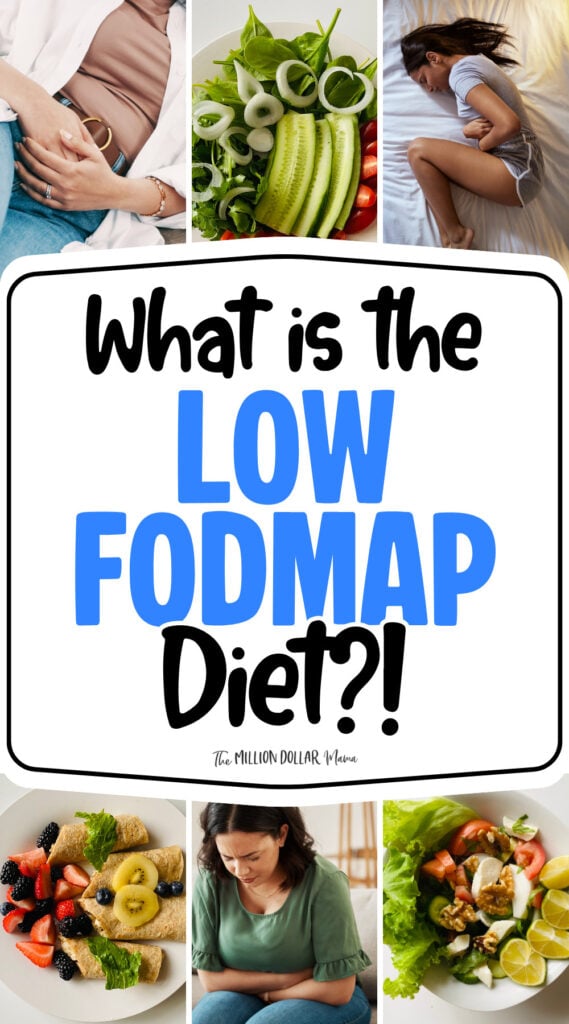
Have you ever heard of the low-FODMAP diet and wondered if it could help when even “healthy” meals leave you bloated, crampy, gassy, or running to the bathroom?
If you live with irritable bowel syndrome, that can feel exhausting. You try to eat well, but your stomach still seems unpredictable, and suddenly, food feels more confusing than comforting.
The low-FODMAP diet is not about blaming food or following another strict weight-loss plan. It is a short-term, guided way to understand what may be upsetting your gut, so meals can start to feel a little less stressful again.
If you are also looking for simple ways to feel better day to day, these home remedies for IBS relief may be worth exploring.
What Is a Low-FODMAP Diet?

A low-FODMAP diet is a temporary eating plan often used for people with IBS to help identify foods that may trigger bloating, gas, abdominal pain, diarrhea, constipation, or mixed bowel habits. Research describes it as an elimination diet that reduces certain carbohydrates that can be hard for some people to digest, then systematically reintroduces foods to identify personal triggers.
FODMAP stands for:
- F — Fermentable
- O — Oligosaccharides, found in foods like wheat, onion, garlic, and beans
- D — Disaccharides, mainly lactose in some dairy foods
- M — Monosaccharides, such as excess fructose
- P — Polyols, sugar alcohols found in some fruits, vegetables, gums, candies, and sugar-free products
These carbohydrates may be poorly absorbed in the small intestine, draw water into the intestines, and ferment quickly by gut bacteria, which can lead to gas, bloating, abdominal pain, and bowel changes in people with IBS.
If you are still trying to make sense of your symptoms, this guide on the symptoms of irritable bowel syndrome can help you understand what may be going on a little better.
How the Low-FODMAP Diet Works
The low-FODMAP diet usually has three main steps: elimination, reintroduction, and personalization. According to research, the goal is not to avoid every high-FODMAP food forever, but to find the specific foods that trigger symptoms and keep the diet as balanced as possible.
First, high-FODMAP foods are removed for a short period. Then, foods are added back one group at a time while symptoms are tracked. Finally, you build your own version of the diet by keeping foods that feel okay and limiting the ones that clearly cause problems.
That is what makes this diet different from a strict “do not eat this” plan. It is more like learning your gut’s personal language.
Easy Low-FODMAP Meals You Can Try
Here are simple meal ideas that can fit into a low-FODMAP diet, especially during the first phase. Always adjust portions and ingredients based on your own tolerance and your dietitian’s advice.
1. Eggs with Spinach and Roasted Potatoes
This is a good breakfast when you want something warm, filling, and simple. Eggs provide protein, potatoes add gentle carbs, and spinach adds color and nutrients without needing onion or garlic.
Simple ingredients:
- Eggs
- Baby spinach
- Potatoes
- Olive oil
- Salt, pepper, and herbs
Easy way to serve it:
- Roast diced potatoes with olive oil and herbs.
- Scramble or fry eggs.
- Add spinach at the end until it softens.
- Use chives or green onion tops for extra flavor.
2. Oatmeal with Berries and Peanut Butter
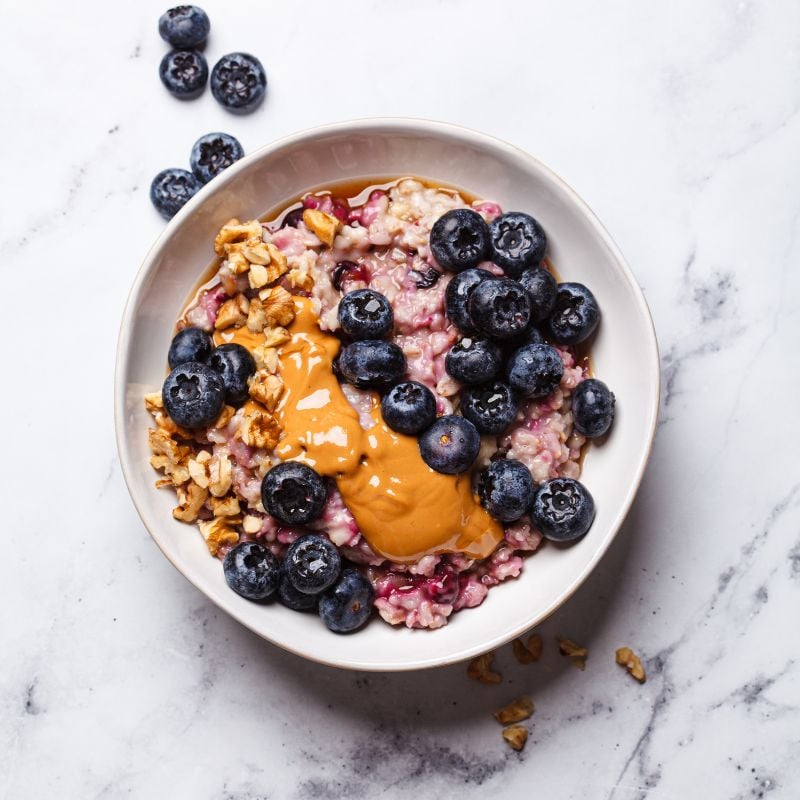
Oats can be a comforting option for mornings when your stomach feels sensitive. Berries add natural sweetness, and peanut butter helps make the meal more satisfying.
Simple ingredients:
- Oats
- Strawberries or blueberries
- Peanut butter
- Lactose-free milk or water
- Cinnamon
Helpful tip:
Keep the portion moderate and avoid honey during the elimination phase. If you want sweetness, use fruit or a small amount of maple syrup if tolerated.
3. Chicken Rice Bowl
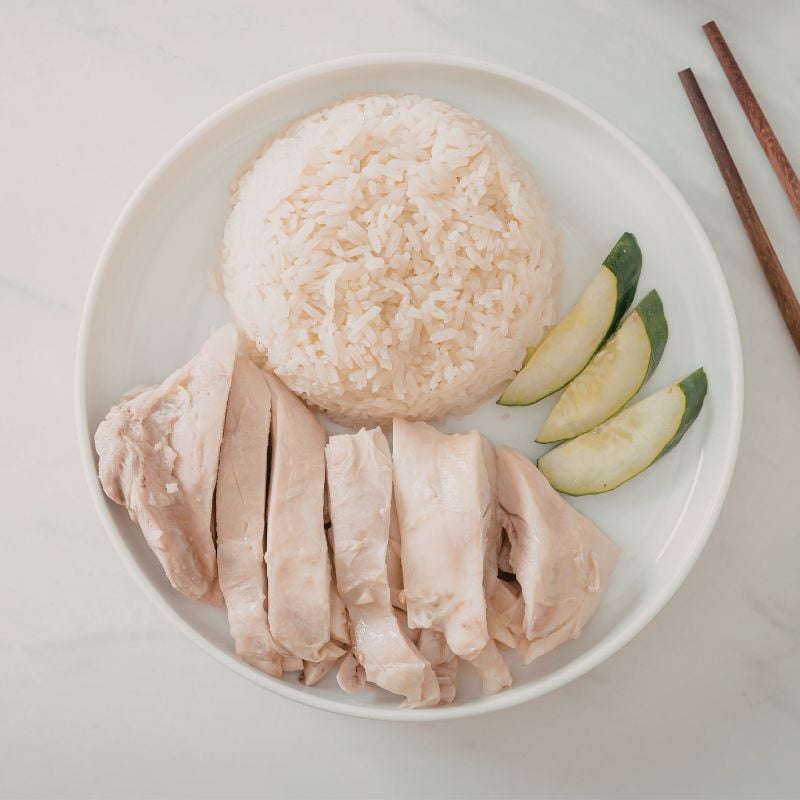
This is one of the easiest low-FODMAP meals to prepare because it uses simple ingredients and can be changed depending on what you have at home.
Simple ingredients:
- White or brown rice
- Grilled chicken
- Cucumber
- Carrots
- Spinach or lettuce
- Lemon juice and olive oil
How to build it:
- Start with rice as the base.
- Add chicken for protein.
- Use crunchy vegetables like cucumber and carrots.
- Finish with lemon, olive oil, salt, and herbs.
This meal is good because it is filling without being complicated. It also avoids common triggers like garlic-heavy sauces, creamy dressings, and wheat-based sides.
4. Corn Tortilla Tacos
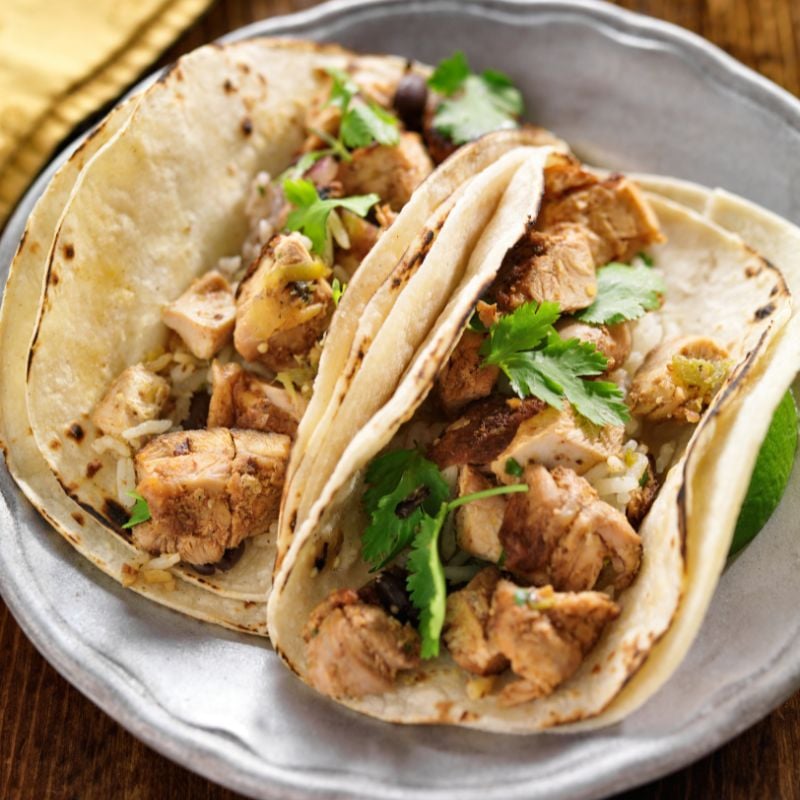
Tacos can still work on a low-FODMAP diet when you use corn tortillas and simple fillings. They are also easy to customize, which makes them great for families.
Simple ingredients:
- Corn tortillas
- Chicken, turkey, fish, or firm tofu
- Lettuce
- Tomato
- Green onion tops or chives
- Lime juice
- Lactose-free cheese, if tolerated
Smart swap:
Skip onion, garlic, and heavy sauces. Use lime-, cilantro-, chive-, and garlic-infused oil for flavor instead.
5. Salmon with Rice and Zucchini
This dinner feels complete without needing many ingredients. Salmon gives you protein and healthy fats, rice is gentle and easy to pair with, and zucchini cooks quickly.
Simple ingredients:
- Salmon
- Rice
- Zucchini
- Lemon
- Olive oil
- Herbs
Cooking idea:
Bake or pan-cook the salmon with lemon and herbs. Serve it with rice and sautéed zucchini. If you want more vegetables, add carrots or spinach on the side.
6. Gluten-Free Pasta with Tomato Basil Sauce
Pasta does not have to disappear completely. The key is to choose gluten-free pasta and use a simple sauce without onion or garlic.
Simple ingredients:
- Gluten-free pasta
- Tomato sauce without onion or garlic
- Basil
- Olive oil or garlic-infused oil
- Parmesan or lactose-free cheese, if tolerated
Make it easier:
Check the sauce label carefully. Many tomato sauces contain onion or garlic, even when they look simple.
7. Lactose-Free Yogurt Bowl
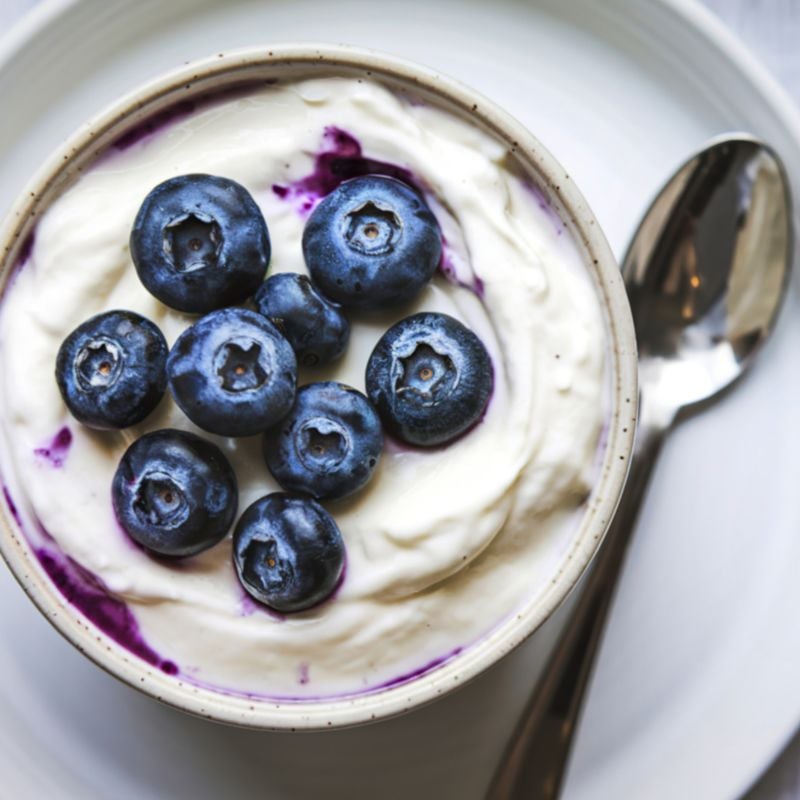
This is a good option when you need something quick and do not feel like cooking. Lactose-free yogurt can work better for people who react to regular dairy.
If regular dairy seems to bother your stomach, this guide to going dairy-free can help you find simple swaps without feeling lost.
Simple ingredients:
- Lactose-free yogurt
- Kiwi or blueberries
- Pumpkin seeds
- Oats, if tolerated
- Cinnamon
Best time to use it:
This works well as breakfast, a light snack, or something gentle when you do not want a heavy meal.
Small Tips to Make the Diet Easier
- Plan before you start: Choose a few simple meals so you are not deciding while hungry or uncomfortable.
- Read labels slowly: Watch for onion, garlic, wheat, honey, inulin, chicory root, and sugar alcohols.
- Keep meals simple at first: Fewer ingredients make it easier to notice patterns.
- Track without obsessing: Write down what you ate, portion sizes, symptoms, stress, and bowel changes.
- Bring foods back later: The reintroduction phase helps you avoid cutting out more foods than needed.
Since IBS can make your gut feel extra sensitive, these simple ways to support a healthier gut may offer gentler ideas for caring for your digestion day to day.
When to Get Extra Help
Talk to a doctor or dietitian if your symptoms are severe, new, worsening, or hard to manage. You should also seek medical care if you notice warning signs such as blood in your stool, unexplained weight loss, fever, persistent vomiting, or symptoms that wake you at night.
If constipation is one of the symptoms you struggle with most, these home remedies for chronic constipation relief may give you a few gentle ideas to explore with your doctor’s guidance.
You do not have to figure this out alone. A low-FODMAP diet should feel like a guided way to understand your body, not a punishment.
Conclusion
The low-FODMAP diet can feel confusing at first, but it is really a tool for learning. It is not about eating boring food forever or blaming yourself when your stomach reacts. It is about giving your gut a calmer starting point, testing foods carefully, and building meals that feel supportive in real life.
And once you know which foods your body handles better, eating can start to feel a little less stressful again.
Have you noticed that certain meals trigger your IBS symptoms more than others?

Hi I’m Ana. I’m all about trying to live the best life you can. This blog is all about working to become physically healthy, mentally healthy and financially free! There lots of DIY tips, personal finance tips and just general tips on how to live the best life.
Leave a Reply