
It started with a routine check-up. My 32-year-old coworker “felt healthy” until her blood pressure test revealed otherwise. She had no symptoms, just a quiet warning. Three months later, after adopting a few habits to prevent heart disease, her numbers dropped and her energy returned.
Heart disease is still the world’s leading killer, taking nearly twenty million lives every year. In the United States, it remains in the top spot. What makes it even more concerning is that most of its causes, high blood pressure, poor diet, inactivity, and stress, can actually be changed.
This isn’t about perfection. It’s about building simple, lasting habits that strengthen your heart.
10 Simple Habits to Prevent Heart Disease You Can Start Today
If one small change today could protect your heart tomorrow, what would you start with? Let’s cover them some.
1) Know and Track Your Numbers
According to research, High blood pressure, cholesterol, and blood sugar often cause no symptoms. There are routine checks for these silent risks.
Track what matters:
- Blood pressure: check yearly, or monthly if elevated.
- Cholesterol: every 4–6 years starting at 20+.
- A waist circumference greater than 35 inches (for women) and greater than 40 inches (for men) increases the risk.
Add tests like A1c or hs-CRP if you’re at risk for diabetes or inflammation.
Make it easy: schedule your annual labs around your birthday and log results in your phone. Consistency matters more than perfect data.
2) Eat Smart, Not Perfect
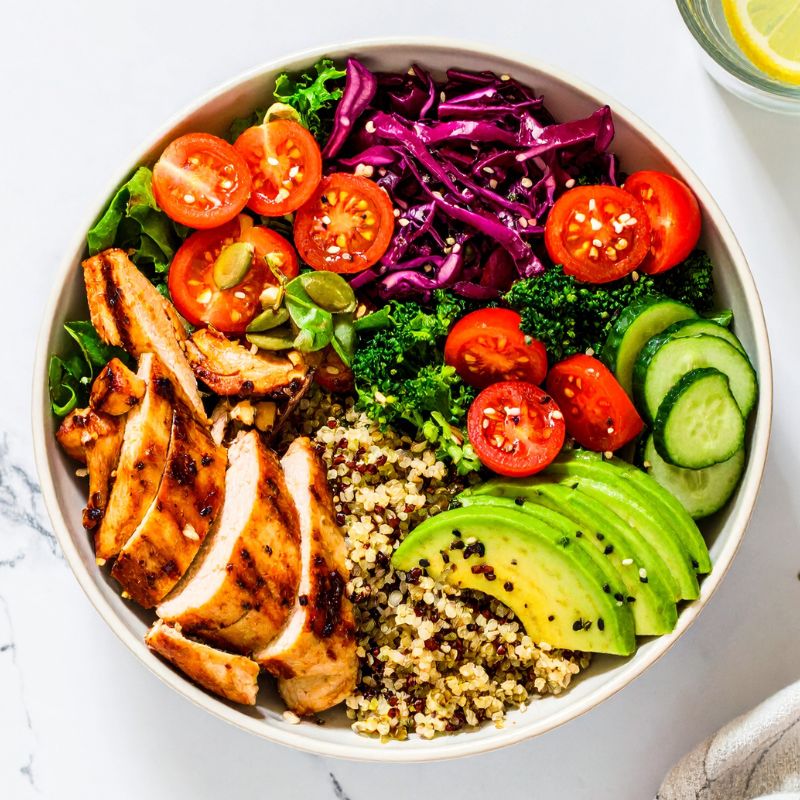
A heart-healthy diet lowers blood pressure, cholesterol, and inflammation. Focus on foods that protect rather than restrict.
Fill your plate:
- Half: vegetables + legumes (beans, spinach, lentils).
- Quarter: lean proteins (fish, chicken, tofu).
- Quarter: whole grains (oats, brown rice, corn tortillas).
- Fats: olive oil, avocado, nuts.
If you want to dive deeper into the best foods scientifically proven to protect your heart, read The Best Foods for Your Heart.
Limit sodium (< 2300 mg daily), avoid trans fats, and cut sugary drinks. A handful of nuts instead of chips or sparkling water instead of soda are simple swaps that add up.
You can also explore Foods to Lower Bad Cholesterol to understand how everyday foods can help reduce LDL levels.
Healthy food isn’t punishment, it’s protection at the cellular level.
3) Move Your Body Daily
Exercise is medicine. Studies recommend 150 minutes of moderate activity weekly, plus strength training twice a week.
Start small:
- 30-minute brisk walk 5 days/week.
- 20 minutes of home strength training twice a week.
- Use the stairs, walk during calls, and stretch every hour.
Walking is one of the simplest yet most powerful ways to protect your heart.
Even minor movements can improve blood flow and reduce visceral fat. Attach the activity to an existing habit, such as walking immediately after lunch.
Million Dollar Mamas have also read: The Incredible Health Benefits of Walking

4) Protect Your Sleep—Your Heart’s Nightly Reset
Research indicates that short or poor-quality sleep is associated with hypertension, weight gain, diabetes, and heart disease.
Practical sleep hygiene:
- 90-minute wind-down: dim lights, no heavy meals or high-intensity exercise late.
- Environment: calm, dark, quiet; phone outside the bedroom if possible.
Maintaining a balanced bedroom temperature can significantly impact the quality of your sleep. Learn more in How Your Room Temperature Affects Your Sleep Quality.
- Watch for signs of sleep apnea: loud snoring, gasping, morning headaches, and daytime sleepiness.
- Screen-time hygiene: Use blue-light filters at night, set no-phone zones after bedtime to protect sleep.

5) Train Your Stress Response & Strengthen Connection
Chronic stress and social isolation increase inflammation and unhealthy coping (overeating, smoking, and alcohol). Building coping skills lowers cardiovascular risk.
Tools that actually fit life:
- Two-minute box breathing between meetings.
- 5-minute body scan before bed.
- Journaling one prompt: “What can I control today?”
- Connection habit: Schedule one walk-and-talk with a friend each week.
If you’re trying to stop smoking, don’t miss these Practical Tips to Quit Smoking.
6) Aim for a Healthy Body Composition (Not Just a Number on the Scale)
Central adiposity (belly fat) is more predictive of cardiometabolic risk than scale weight. Tracking waist circumference is practical and powerful; risk rises above 35 in (women) and 40 in (men).
The good news: Even a 3–5% weight reduction can improve triglycerides, blood pressure, and glucose in many adults, especially when changes come from losing visceral fat and gaining/maintaining muscle.
How to implement:
- Strength train 2–3 times a week (full-body workouts); prioritize protein-rich, fiber-dense meals; and walk after meals when possible.
- Track progress with waist tape, clothes fit, energy, and lab trends, not just pounds.
For more practical, science-backed ways to build healthy weight habits, read these 11 Tips to Start Losing Weight.
7) Quit Tobacco and Rethink Alcohol
Smoking doubles heart-disease risk, but within 1 year of quitting, it drops by half.
when it comes to alcohol, keep it moderate, with one drink/day for women and 2 for men, or skip it altogether. Heavy drinking raises blood pressure and heart rhythm problems.
Replace smoking breaks with short walks or sparkling water rituals. Each craving conquered is a heartbeat protected.
You may also like: How Drinking Alcohol Affects How Your Skin Looks.
8) Keep Up With Checkups
Lifestyle changes shine brightest when paired with medical follow-ups. Regularly screen for blood pressure, cholesterol, and diabetes.
Checklist:
- BP annually. Cholesterol every 4–6 years.
- Dental care, gum disease adds risk.
- Vaccines, flu shots, and pneumococcal shots prevent infections that can strain the heart.
Bring your “heart dashboard” (numbers, meds, goals) to every appointment.
Alongside your regular screenings, you can also explore these Natural Remedies for High Blood Pressure.
9) Design a Heart-Healthy Environment
Your surroundings either support or sabotage your goals. Nudge theory works: the easier the behavior, the more likely it is to happen.
Home nudges:
- Fruit bowl on the counter; salty snacks out of sight.
- Sneakers by the door; a yoga mat is visible.
- Meal-prep staples (beans, brown rice, veggies) visible at eye level.
Work nudges:
- Water bottle on your desk (refill at set times).
- 5-minute “movement alarms.”
- Stairs whenever possible; walking meetings when you can.
10) Build a Sustainable Mindset (This Is a Marathon)
The best plan is the one you can live with. Relapses happen. What protects your heart over decades is consistency, not extremes.
Make it stick:
- Habit stacking: “After I brush my teeth, I take my nighttime BP,” “After lunch, I walk 5 minutes.”
- Monthly reviews: What worked? What didn’t? Set one micro-goal.
- Celebrate non-scale wins: steadier energy, better sleep, and improved lab results.
- Find your people: a group chat for step counts, a Saturday friend walk, or an online community anchored in AHA’s Essential Eight framework.
Conclusion: Simple Habits to Prevent Heart Disease
The coworker who “felt fine” didn’t wait for a crisis to occur. She built small, consistent habits to prevent heart disease that soon became part of her life. Proper prevention isn’t about one significant change; it’s about steady choices that strengthen your heart every day.
Which habit will you start tomorrow to keep your heart strong?

Hi I’m Ana. I’m all about trying to live the best life you can. This blog is all about working to become physically healthy, mentally healthy and financially free! There lots of DIY tips, personal finance tips and just general tips on how to live the best life.
Leave a Reply