
Have you ever stood in the grocery store, holding two “healthy” products, and wondered, Which one is actually better for my heart? When you search for the best diets for heart health, the answers can feel confusing fast. One label says low-fat. Another says keto. Someone online says carbs are the problem, while someone else says fat is.
It can feel overwhelming, especially when you are not just trying to “eat clean,” but trying to take better care of your heart, your blood pressure, your cholesterol, or someone you love.
The reassuring part? A heart-healthy diet does not have to be perfect, expensive, or joyless. The best diets for heart health usually share a simple foundation: more whole foods, more fiber, better fats, less sodium, and fewer ultra-processed foods.
If you have ever wondered what experts usually consider the healthiest diet in the world, this can also help you understand why certain eating patterns keep showing up in heart-health conversations.
Before we look at the best 5 diets for your heart health, let’s make it clear what a heart-friendly diet should actually include.
What Makes a Diet Good for Heart Health?
Heart health matters at every age, not only later in life. Cardiovascular diseases are the leading cause of death worldwide, and research estimates that they caused 19.8 million deaths in 2022, about 32% of all global deaths.
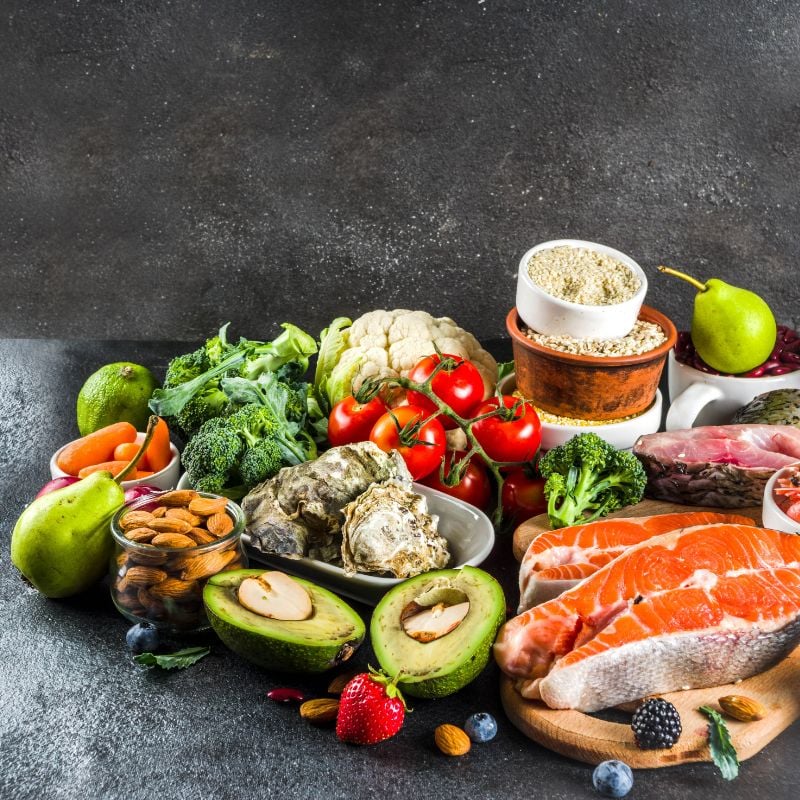
A good diet for your heart should support blood pressure, cholesterol, blood sugar, inflammation, and overall blood vessel health. Most heart-friendly eating patterns include:
- Fruits and vegetables for fiber, potassium, antioxidants, and minerals.
- Whole grains like oats, brown rice, quinoa, barley, and whole-wheat bread.
- Healthy protein such as beans, lentils, fish, seafood, tofu, nuts, seeds, poultry, and low-fat dairy.
- Unsaturated fats from olive oil, avocado, nuts, seeds, and fatty fish.
- Less sodium, added sugar, and saturated fat, especially from processed meats, fried foods, packaged snacks, and sugary drinks.
- Mostly minimally processed foods, because the American Heart Association recommends choosing minimally processed foods, limiting added sugars and salt, using liquid plant oils, and choosing healthy protein sources.
Once you understand the basics, it becomes easier to build meals around foods that directly support your heart, like fruits, vegetables, whole grains, beans, nuts, and healthy fats.
If you have heart disease, high blood pressure, kidney disease, diabetes, high cholesterol, or take heart medication, consult your doctor or dietitian before making major dietary changes. You may need specific guidance on sodium, potassium, fluid intake, or medication interactions.
The Best 5 Diets for Heart Health to Consider
1. The DASH Diet
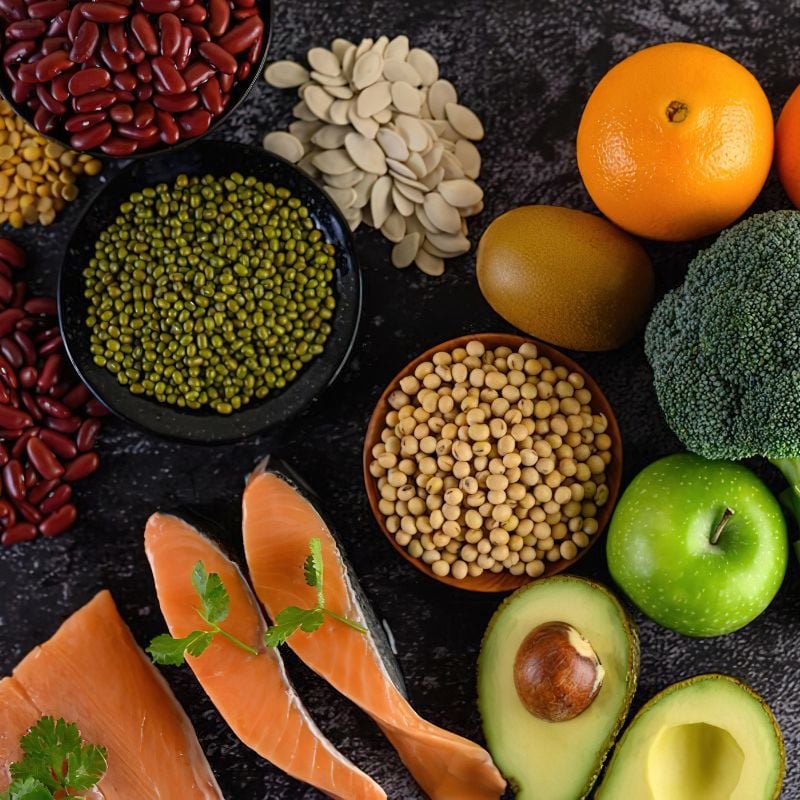
The DASH diet, which stands for Dietary Approaches to Stop Hypertension, is one of the best diets for heart health, especially if blood pressure is your main concern. It focuses on fruits, vegetables, whole grains, beans, nuts, seeds, low-fat dairy, fish, poultry, and less sodium.
DASH is designed to help lower blood pressure and encourages greater intake of potassium, calcium, magnesium, fiber, and protein while reducing sodium and saturated fat.
Best for: People with high blood pressure, a family history of hypertension, or anyone who wants a structured heart-health plan.
If blood pressure is your main concern, it may also help to understand which foods to avoid if you suffer from high blood pressure, so your DASH meals feel more intentional and easier to plan.
Put it into practice:
- Choose low-sodium canned beans, broth, soup, and sauce.
- Build meals with vegetables, whole grains, and lean protein.
- Use garlic, lemon, herbs, onion, vinegar, and spices instead of relying only on salt.
- Swap salty snacks for fruit, yogurt, nuts, or homemade popcorn.
Simple meal idea: Oatmeal with berries and walnuts, or salmon with brown rice and roasted vegetables.
2. The Mediterranean Diet
The Mediterranean diet is one of the most popular heart-healthy eating patterns because it feels flexible and enjoyable. It focuses on vegetables, fruits, beans, lentils, whole grains, nuts, seeds, olive oil, fish, seafood, herbs, and smaller amounts of dairy, poultry, and red meat.
Best for: People who want a realistic lifestyle approach instead of a strict diet. That flexibility matters because overly strict or trendy diets can be hard to maintain and, in some cases, may not be the best fit for your long-term health.
Research shows that the Mediterranean diet consistently ranks among the best diets because experts consider it healthy, effective, and easy to follow.
Make it easier at home:
- Use extra virgin olive oil instead of butter most of the time.
- Eat fish or seafood a couple of times per week.
- Add beans or lentils to salads, soups, tacos, or pasta.
- Snack on fruit, nuts, or Greek yogurt instead of packaged sweets.
- Keep red meat as an occasional food, not the center of most meals.
Simple meal idea: A bowl with brown rice, chickpeas, cucumber, tomatoes, salmon or chicken, olive oil, lemon, and a little feta.
3. The Pescatarian Diet
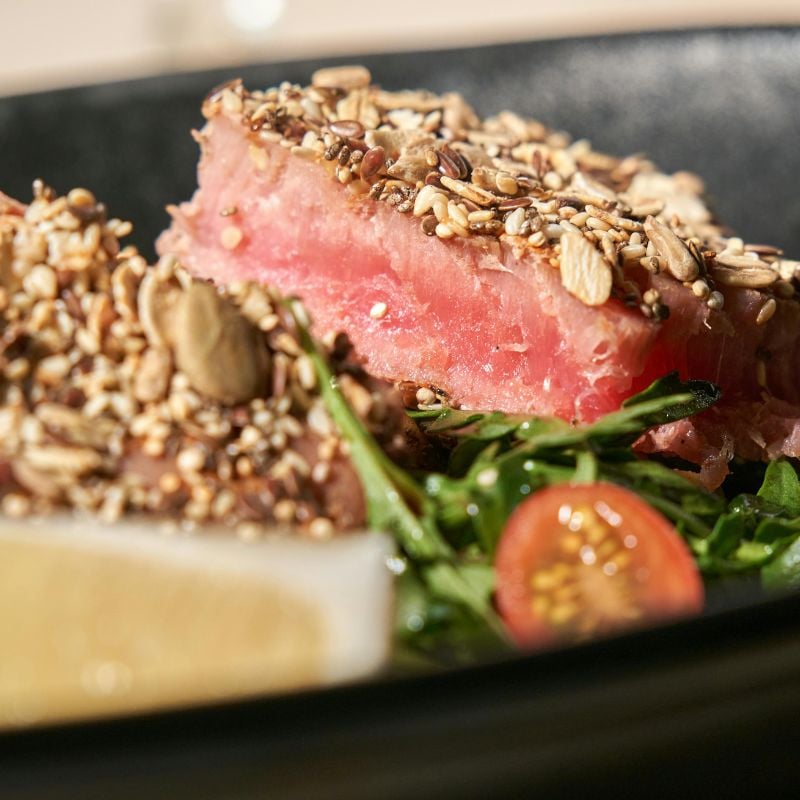
A pescatarian diet is mostly plant-based but includes fish and seafood. This can support heart health by encouraging vegetables, beans, whole grains, nuts, and seeds while still including omega-3-rich fish.
Research recommends eating two servings of fish per week, especially fatty fish such as salmon, sardines, trout, herring, or mackerel.
Best for: People who want to eat less red meat but are not ready to go fully vegetarian.
A simple way to follow it:
- Choose fatty fish about twice a week.
- Use canned salmon, sardines, or tuna for easy, budget-friendly meals.
- Keep beans, lentils, tofu, eggs, or Greek yogurt available for protein.
- Add enough vegetables and whole grains so the diet does not become mostly pasta and cheese.
Simple meal idea: Fish tacos with cabbage, beans, avocado, salsa, and corn tortillas.
If fish is not your favorite or you want more variety, you can also add omega-3-rich foods that are not fish, like chia seeds, flaxseeds, walnuts, and hemp seeds.
4. The Vegetarian or Plant-Forward Diet
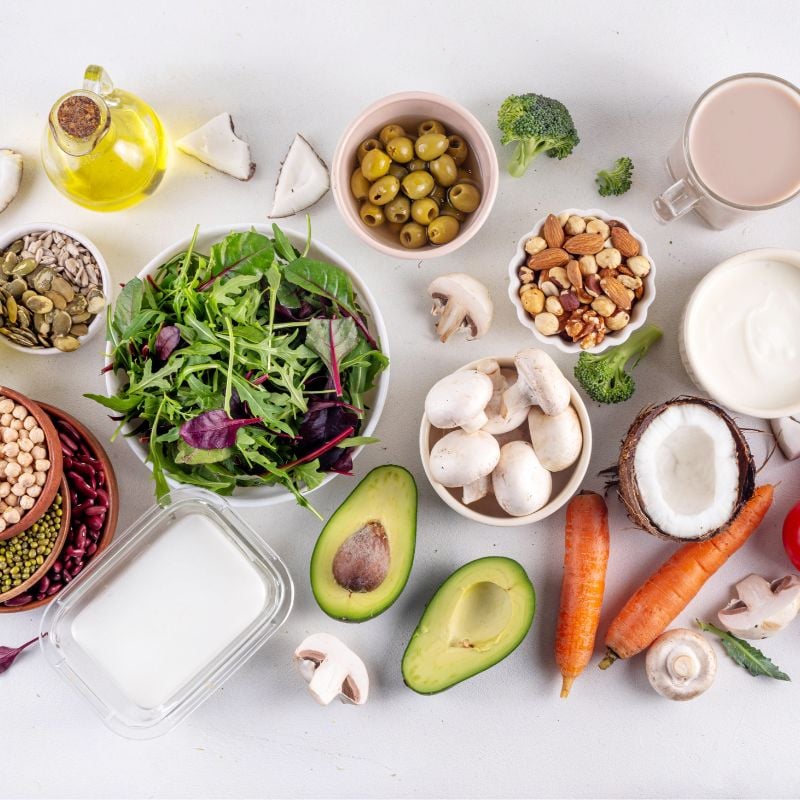
A vegetarian or plant-forward diet can be heart-friendly when it is based on whole foods rather than just processed meat substitutes. The goal is to eat more beans, lentils, tofu, nuts, seeds, fruits, vegetables, and whole grains.
This style of eating can naturally increase fiber intake and reduce processed meat, which is helpful for long-term heart health.
Best for: People who want to eat more plants, improve fiber intake, and reduce red or processed meats.
Keep it balanced:
- Use beans, lentils, tofu, eggs, Greek yogurt, or cottage cheese for protein, or other plant-based protein foods to keep meals filling and balanced.
- Add nuts or seeds to oatmeal, salads, smoothies, and snacks.
- Choose whole grains instead of white bread, pastries, or white pasta.
- Limit meat substitutes that are high in sodium or saturated fat.
- Watch nutrients like vitamin B12, iron, zinc, omega-3s, and protein if eating fully vegetarian or vegan.
Simple meal idea: Lentil soup with whole-grain bread, or a veggie omelet with avocado and fruit.
5. The Portfolio Diet
The Portfolio diet is not as well-known as DASH or the Mediterranean diet, but it is very useful for people focused on cholesterol. It is built around foods that may help lower LDL cholesterol, such as oats, barley, beans, lentils, soy foods, nuts, and plant sterols.
A clinical trial found that the Portfolio diet reduced LDL cholesterol by 13.1% to 13.8% over 24 weeks.
Best for: People concerned about high LDL cholesterol who want a food-based plan to discuss with their doctor or dietitian.
Start with small swaps:
- Eat oats or barley several times a week.
- Add beans, lentils, chickpeas, tofu, or soy foods more often.
- Include a small serving of nuts most days.
- Use olive oil or avocado instead of butter.
- Ask a healthcare professional before using plant sterol products.
Simple meal idea: Oatmeal with berries and almonds, bean chili, or tofu stir-fry with vegetables and brown rice.
If cholesterol is your main concern, it can also help to learn which foods may naturally lower bad cholesterol.
As you compare these options, try to avoid overly restrictive or trendy diets that can be harmful to your health, especially if you already have blood pressure, cholesterol, or heart concerns.
Best Diets for Heart Health: Which One Fits You?
Eating for your heart does not mean giving up every food you love. It can start with one better breakfast, one extra vegetable, one fish dinner, or one lower-sodium swap.
The best diets for heart health all help you eat more nourishing foods while cutting back on the foods that can quietly work against your heart.
Choose DASH for blood pressure, Mediterranean for flexibility, Pescatarian to reduce meat, Plant-forward for more fiber, or Portfolio for LDL cholesterol.
What heart-healthy change feels easiest for you to start with this week?

Hi I’m Ana. I’m all about trying to live the best life you can. This blog is all about working to become physically healthy, mentally healthy and financially free! There lots of DIY tips, personal finance tips and just general tips on how to live the best life.
Leave a Reply