
I still remember the first time I spotted a silver strand in my early thirties. I froze for a second, leaned closer to the mirror, and thought, Wait, already? If you’re between 30 and 45 and noticing those first gray hairs, you’re not alone, and you may have already started searching for foods that may prevent gray hair naturally. It’s a quiet concern many of us share, especially when it feels like it’s happening sooner than expected.
For most people, gray hair begins sometime in their 30s or 40s. Genetics plays the biggest role in determining when it happens, and if your parents went gray early, there’s a higher chance you might too. That’s where diet may play a supportive role, not as a miracle cure or permanent solution, but as a way to nourish your hair follicles from within.
If you want to go deeper into how nutrition affects overall strand strength and growth, you can also explore these foods to nurture hair for a broader approach to hair health.
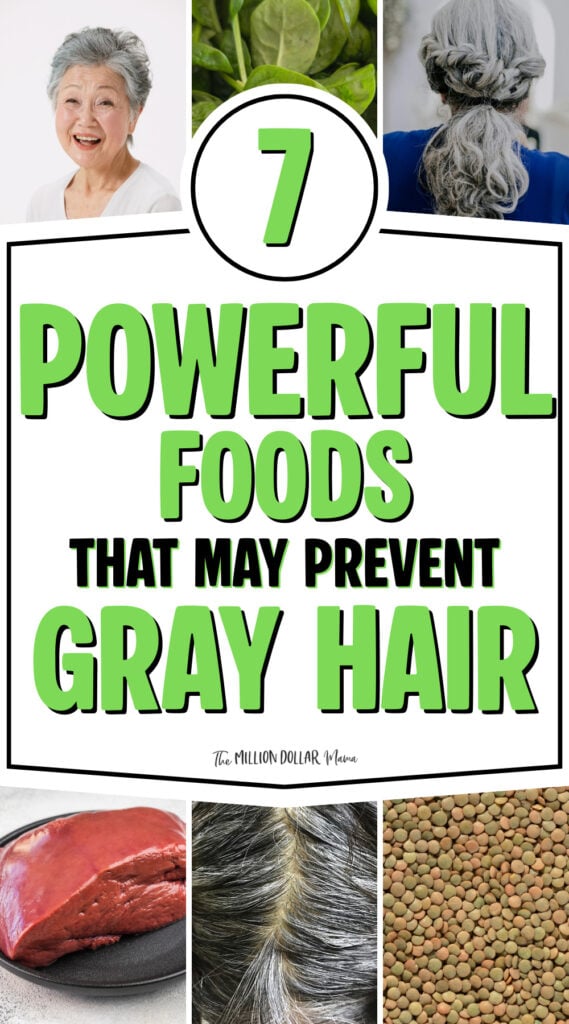
Today, we’re looking at seven nutrient-rich foods that may help support melanin production, reduce oxidative stress, and maintain healthy hair between the ages of 30 and 45.
Why Hair Turns Gray
Hair gets its color from melanin, a pigment produced by specialized cells called melanocytes in the hair follicle. There are two main types of melanin:
- Eumelanin (brown/black tones)
- Pheomelanin (red/yellow tones)
As we age, melanocytes gradually produce less pigment. Studies indicate that oxidative stress, caused by accumulated free radicals, can harm melanocytes in hair follicles, leading to accelerated pigment loss and contributing to gray hair.
Between ages 30 and 45, several factors may contribute to earlier graying:
- Chronic stress (which increases oxidative stress markers)
- Pregnancy-related nutrient depletion
- Restrictive or crash diets
- Poor gut absorption
- Vitamin deficiencies (especially B12 and iron)
Because hormonal shifts during this stage of life can influence nutrient balance and cellular health, you may also want to explore common signs of a hormonal imbalance to better understand how internal changes can affect your body.
However, the strongest factor remains genetics. Research shows that genetic factors explain most of the variation in when people go gray; in some twin studies, as much as 90% of the difference in graying age was due to genetics.
Key Nutrients That Support Hair Pigmentation
Before we dive into the foods, let’s briefly understand the nutrients involved in maintaining pigment:
- Vitamin B12: Deficiency has been linked to premature graying.
- Folate (B9): Supports DNA repair in rapidly dividing cells like hair follicles.
- Iron: Helps deliver oxygen to follicles.
- Copper: Activates tyrosinase, the enzyme required for melanin production.
- Zinc: Supports cellular repair and follicle health.
- Vitamin D: Regulates melanocyte function.
- Antioxidants (Vitamin C, E, polyphenols): Protect melanocytes from oxidative damage.
- Protein (Tyrosine): An amino acid precursor needed to produce melanin.
Now let’s look at seven powerful foods rich in these nutrients. If you’d like a deeper understanding of how minerals interact in the body, this guide on magnesium supplements offers a helpful breakdown.
1. Spinach and Dark Leafy Greens
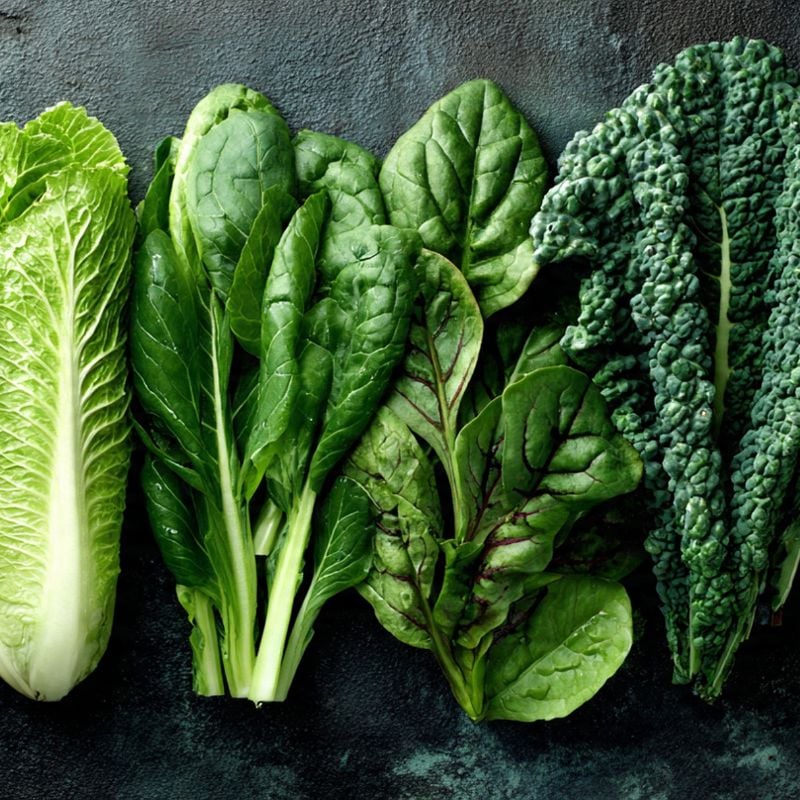
Spinach, kale, and Swiss chard are nutritional powerhouses. They’re rich in iron, folate, vitamin C, and antioxidants.
Iron deficiency is one of the most common nutrient deficiencies worldwide, especially among women aged 30–45. Research estimates that over 37% of women of reproductive age are iron-deficient globally. Since iron helps transport oxygen to hair follicles, low levels may impact pigment production.
Folate also supports DNA repair, important for cells like melanocytes that divide regularly.
How to use it: Add spinach to smoothies, omelets, or sautéed as a dinner side, or try these easy crustless spinach mini quiches for a nutrient-dense breakfast option.
2. Eggs
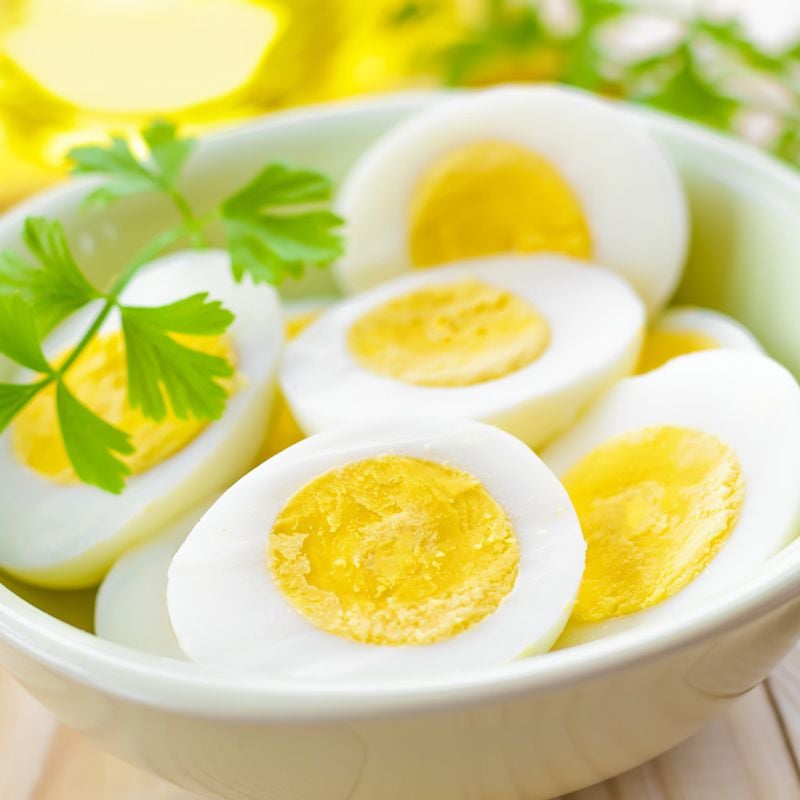
Eggs are one of the most convenient and complete sources of protein, vitamin B12, biotin, and zinc.
- Protein provides tyrosine, the amino acid directly used to produce melanin.
This is important at 30–45:
- Nutrient absorption may decline slightly with age, and B12 deficiency becomes more common, especially in vegetarians.
Tip: Aim for 1 egg daily unless medically contraindicated. For a balanced, protein-rich breakfast, try these scrambled eggs with refried black beans to combine B12, iron, and plant-based fiber in one simple meal.
3. Salmon (or Fatty Fish)
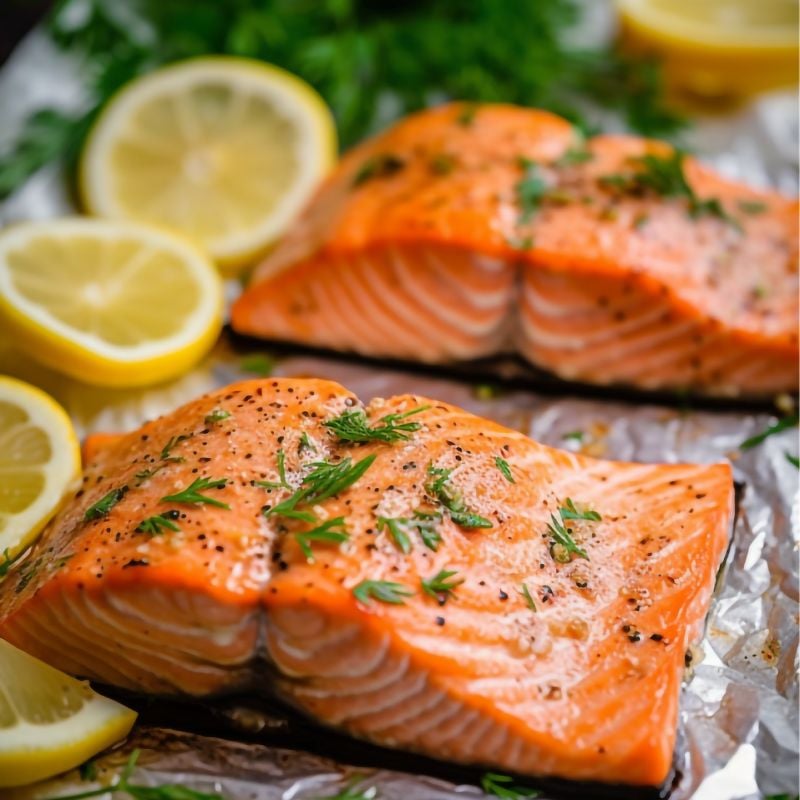
Salmon is rich in vitamin D, B12, and omega-3 fatty acids.
Vitamin D plays a regulatory role in melanocyte biology. According to research, low vitamin D levels may correlate with hair disorders.
- Omega-3s help reduce inflammation and support scalp circulation. Inflammation is believed to contribute to oxidative stress within hair follicles.
If you don’t regularly eat fish, you can still obtain anti-inflammatory benefits from plant sources listed in this guide to omega-3-rich foods that aren’t fish.
Recommendation: Two servings of fatty fish per week.
4. Lentils and Chickpeas
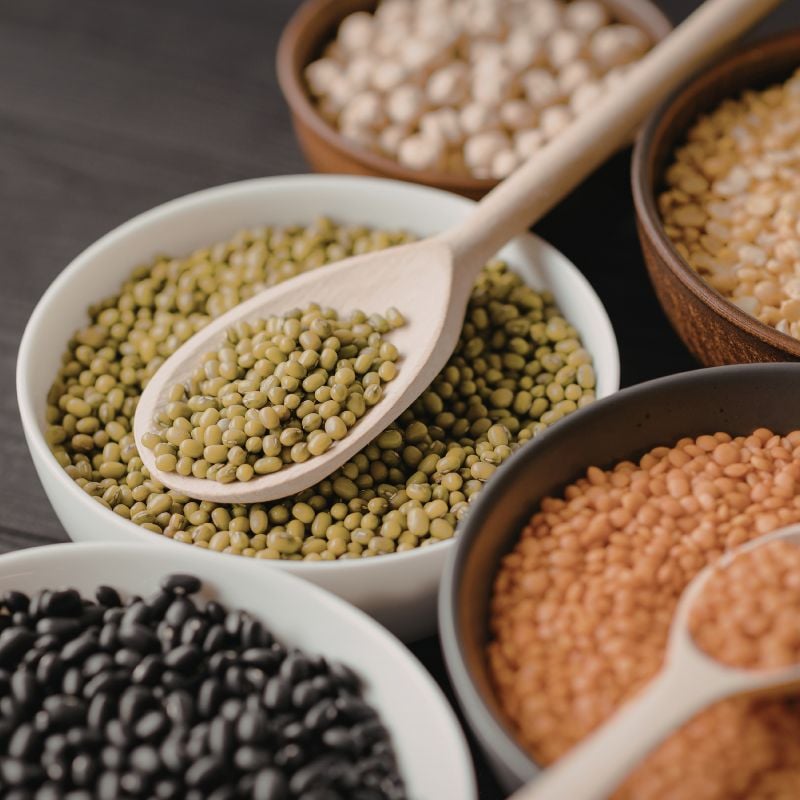
For plant-based readers, lentils and chickpeas are excellent sources of iron, folate, and zinc.
Folate deficiency has been associated with hair pigmentation disorders, according to research. Lentils also contain fiber, which supports gut health, and gut health directly affects nutrient absorption.
- Between 30 and 45, stress and poor diet habits can disrupt gut balance, affecting nutrient availability.
Easy option: Add lentils to soups or salads for weekly meal prep.
5. Pumpkin Seeds and Nuts
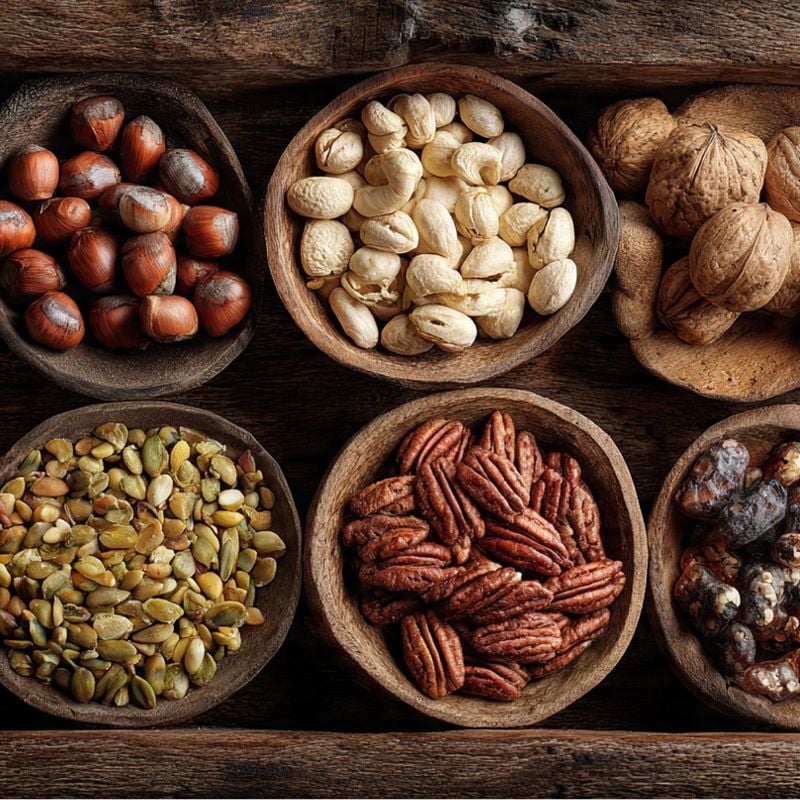
These are rich in copper, zinc, and vitamin E.
Copper is especially important because it activates tyrosinase, the enzyme required to produce melanin. Low copper levels have been observed in individuals with premature graying.
- Vitamin E acts as an antioxidant, helping protect melanocytes from oxidative stress.
Serving idea: A small handful (about 1 ounce) daily.
6. Berries (Blueberries and Strawberries)
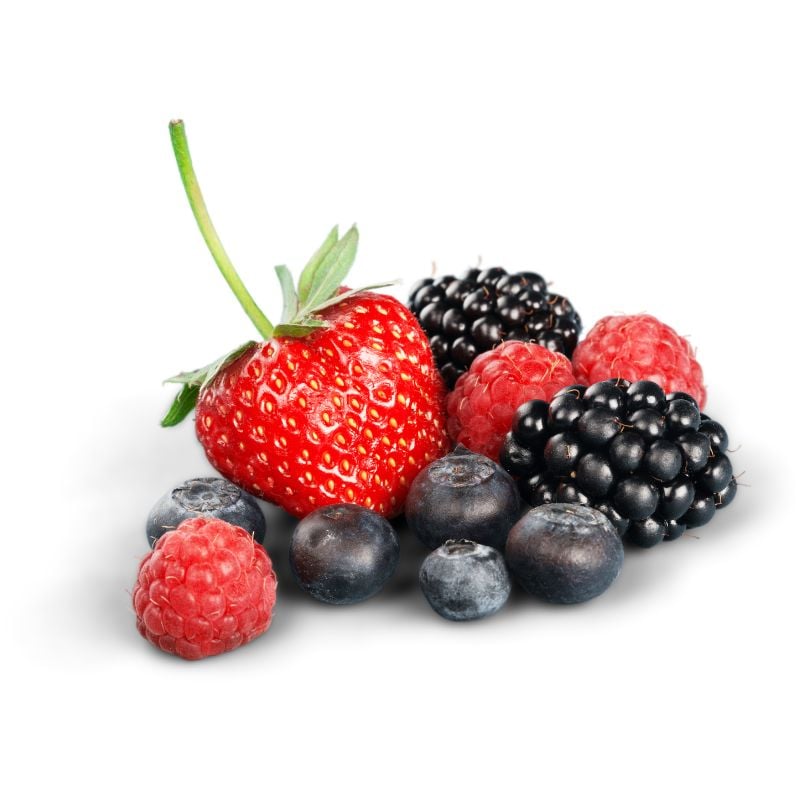
Berries are antioxidant champions. They’re packed with vitamin C and polyphenols, which help neutralize free radicals.
Oxidative stress is a major contributor to melanocyte aging. A diet high in antioxidants may reduce this damage.
- Between careers, parenting, and life demands, ages 30–45 are often high-stress years, making antioxidant intake even more relevant.
Simple addition: Add berries to oatmeal or yogurt.
7. Beef Liver (or Fortified Alternatives)
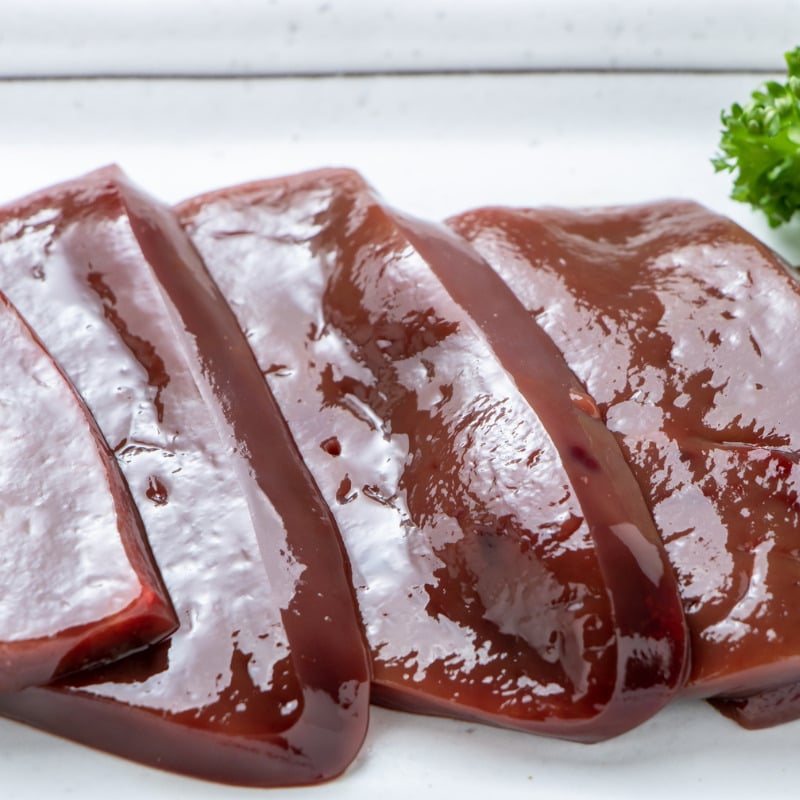
Beef liver is one of the most nutrient-dense foods available. It contains extremely high levels of B12, iron, copper, and folate.
If premature graying is linked to nutrient deficiency, the liver may be particularly helpful. However, moderation is important due to high vitamin A content.
- For vegetarians, fortified cereals and plant milks can provide B12.
For those who don’t enjoy liver, incorporating other red meat options, such as simple ground beef recipes, can still help support iron and B12 intake.
Frequency: Once weekly in small portions.
What These Foods Can, and Cannot Do
Let’s pause for clarity.
These foods may help if graying is associated with:
- Nutrient deficiencies
- Oxidative stress
- Chronic inflammation
Severely restrictive eating patterns can sometimes worsen deficiencies and inflammation, which is why understanding the risks of certain diets that can be harmful to your health is just as important as adding nutrient-dense foods.
They cannot:
- Reverse fully gray hair
- Permanently restore pigment once melanocytes stop functioning
- Override strong genetic predisposition
Once melanocytes permanently stop producing pigment, diet alone cannot reactivate them. Nutrition is supportive, not curative.
Lifestyle Factors Matter Just as Much
Diet is only one piece of the puzzle.
- Chronic stress increases oxidative stress markers.
- Smoking has been associated with nearly double the risk of premature graying.
- Sleep deprivation affects cellular repair.
- Poor gut health impairs nutrient absorption.
A holistic approach works best.
Sample 1-Day Gray-Hair-Supportive Meal Plan
- Breakfast: Eggs with sautéed spinach + blueberries
- Lunch: Lentil salad topped with pumpkin seeds
- Snack: Mixed nuts. Dinner: Grilled salmon with leafy greens
- Optional: Fortified cereal with plant milk
This pattern supports iron, B12, copper, vitamin D, antioxidants, and protein, all in one day.
If you prefer a more structured approach, using a monthly meal plan can help you consistently include these nutrient-dense foods without overthinking daily choices.
My Final Thoughts on Gray Hair Prevention
Noticing gray hair in your 30s or early 40s can feel surprising, even emotional. Genetics remains the strongest factor, and no food can guarantee prevention. But choosing foods that may prevent gray hair by supporting melanin production and reducing oxidative stress can help nourish your follicles and potentially maintain pigment longer.
Instead of chasing perfection, focus on nourishment, balance, and realistic expectations. Because at the end of the day.
Isn’t the real question, whether you’re consistently choosing foods that may prevent gray hair while supporting your body, inside and out?

Hi I’m Ana. I’m all about trying to live the best life you can. This blog is all about working to become physically healthy, mentally healthy and financially free! There lots of DIY tips, personal finance tips and just general tips on how to live the best life.
Leave a Reply