
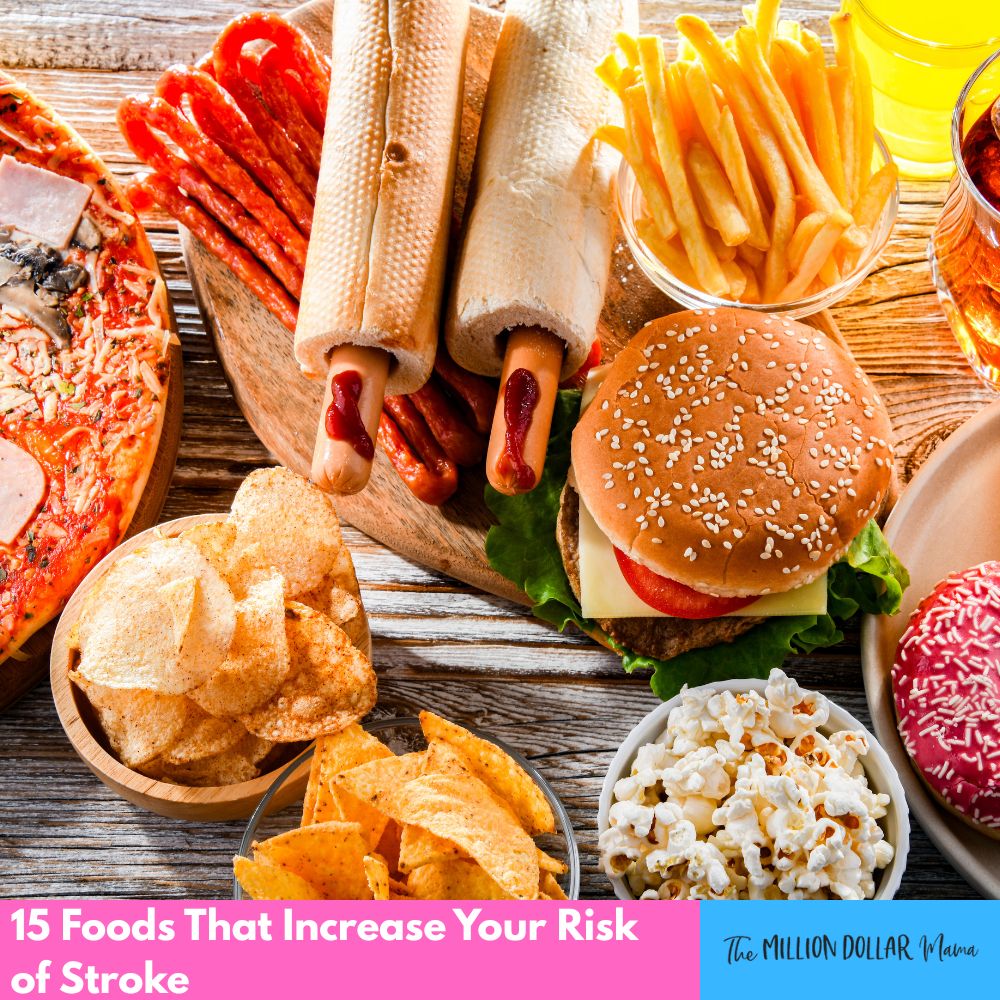
Last week, I opened my pantry looking for a quick snack and noticed how many ordinary foods had long ingredient lists. Not so long ago, a neighbor suffered a stroke and that made me pause for a minute and think about the foods I’m buying my family to enjoy as a casual snack. Have you ever wondered whether or not some of the foods that increase the risk of a stroke are already part of your weekly routine?
If you have, please don’t panic or feel guilty. One slice of pizza, a handful of chips, or an occasional dessert won’t determine your future health. Portions, frequency, medical conditions, and your overall eating pattern all matter.
My goal isn’t to frighten you or divide your kitchen into “good” and “bad” foods.
It’s to help you recognize common choices that may affect stroke-related risk factors—and find replacements that are realistic, affordable, and still enjoyable.
Looking for more ways to care for your cardiovascular health? Start with these habits to adopt for a healthy heart.
What Do These Foods Have in Common?
No single food directly causes a stroke. The concern is how frequently these choices appear in your diet and how they may affect stroke-related conditions over time.
Many of these foods share one or more of these characteristics:
- High sodium: It can raise blood pressure. Learn more about why you need to cut down on sodium.
- Saturated or trans fats: Large amounts may negatively affect cholesterol and blood vessel health.
- Added sugar: Frequent high intake can contribute to weight gain and elevated blood sugar.
- Heavy processing: These foods often combine sodium, sugar, unhealthy fats, and large portions.
- Excess alcohol: Drinking too much may raise blood pressure and affect heart rhythm.
You don’t need to remove everything overnight. Start with the foods you eat most often and choose one practical replacement at a time.

15 Foods That Increase Stroke Risk and Healthier Ways to Replace Them
The following foods don’t directly cause a stroke. The concern is that eating them frequently may increase sodium, saturated fat, trans fat, added sugar, or alcohol intake, all of which can affect stroke-related risk factors. Instead of eliminating everything at once, focus on the foods you consume most often and begin with a few manageable substitutions.
1. Bacon, Sausage, Hot Dogs, and Other Processed Meats

Processed meats are convenient, but they’re often concentrated sources of sodium, preservatives, and saturated fat. A meta-analysis found that high processed-meat intake was associated with a 17% higher incidence of stroke compared with low intake, although the study doesn’t prove direct causation.
- Main concerns: Sodium, saturated fat, and preservatives.
- Try instead: Homemade chicken, fish, beans, lentils, or fresh lean meat.
Get deeper insights of the risks of eating these foods in: 10 Negative Effects of Eating Ultra-Processed Foods.
2. Fatty Cuts of Red Meat
Fatty beef, pork, and lamb can add a considerable amount of saturated fat to your meals. Regular high intake may raise LDL cholesterol in some people, but evidence connecting processed meat with stroke risk is stronger than the evidence for fresh red meat.
- What to watch: Visible fat, large portions, and frequent consumption.
- A lighter choice: Fish, skinless poultry, legumes, or smaller portions of lean meat.
Million Dollar Mamas also liked: Anti-Inflammatory Foods to Add to Your Diet.
3. Deep-Fried Fast Food

Fried chicken, onion rings, and similar fast foods can be high in sodium, saturated fat, and excess calories. In countries where partially hydrogenated oils are still permitted, fried foods may also contain industrial trans fat.
- The risky combination: Salt, unhealthy fats, and oversized portions.
- Change the method: Bake, grill, or air-fry food with olive or canola oil.
4. French Fries and Loaded Fries
Restaurant fries may contain significant sodium and calories, especially when served in large portions. Bacon, cheese sauce, and salty toppings can further increase the saturated fat and sodium content.
- Look beyond the potato: Preparation method and toppings make the greatest difference.
- Make the switch: Choose herb-roasted potatoes or a baked sweet potato with plain yogurt.
5. Pizza
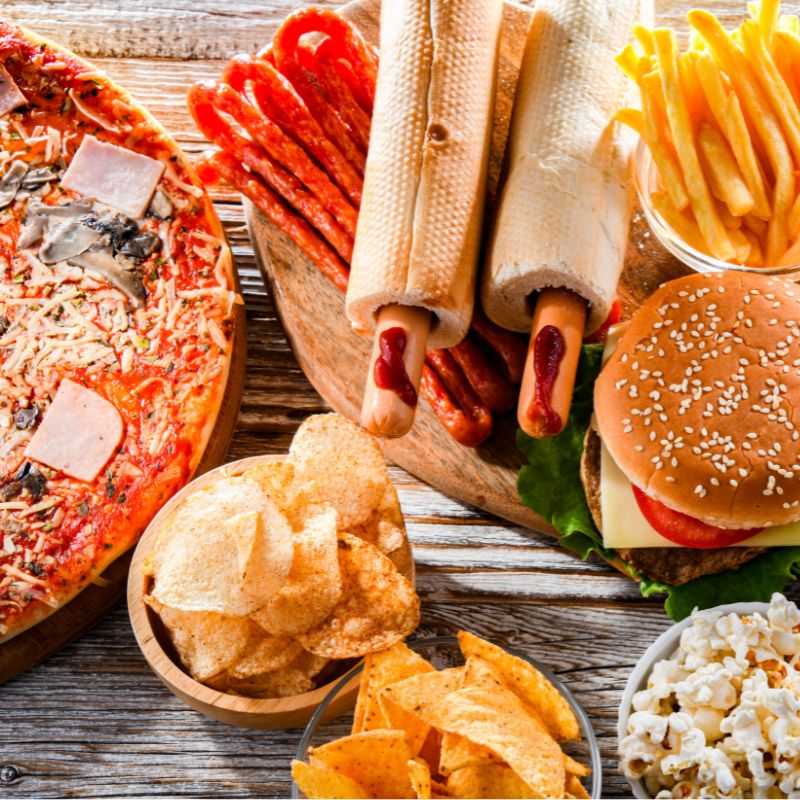
Pizza can bring together several dietary concerns, including salty sauce, processed meat, cheese, and a refined-flour crust. Research lists pizza as one of the leading sources of sodium for American adults.
- Ingredients to limit: Pepperoni, sausage, extra cheese, and salty dipping sauces.
- Choose vegetables, less cheese, chicken, and a thin whole-grain crust.
You may also like: The Best Diets for Heart Health.
6. Instant Noodles
The seasoning packet is often the biggest concern in a bowl of instant noodles. It may contain a large amount of sodium, while the noodles alone usually provide little fiber, produce, or potassium.
- An easy adjustment: Use only half the seasoning packet.
- Add more nutrition: Include vegetables, tofu, chicken, an egg, or a low-sodium broth.
7. Regular Canned Soups
Soup may look like a wholesome lunch, but one container can hold more than one serving. Eating the entire can may provide much more sodium than you expected after reading the front label.
- Check carefully: Compare sodium per serving and the number of servings in the container.
- Shop smarter: Choose “low sodium” or “no salt added” soup and season it with herbs.
8. Frozen Dinners and Boxed Meals
Frozen and boxed meals vary widely, but many contain substantial sodium, saturated fat, or added sugar. Depending on them, several times a week can make these nutrients add up quietly.
- Before buying, compare labels and learn about the negative effects of eating ultra-processed foods.
- Keep the convenience: Freeze homemade chili, vegetable soup, or chicken-and-brown-rice bowls.
9. Potato Chips, Pretzels, and Salty Crackers
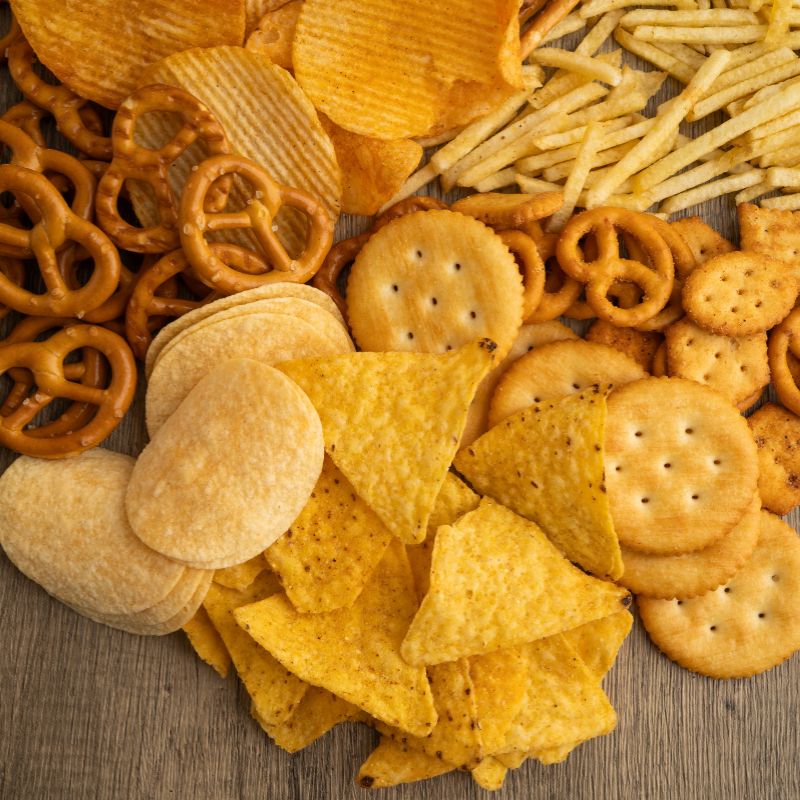
These snacks can become a major source of sodium because it’s easy to eat more than the recommended serving size. The concern is frequent, mindless snacking rather than enjoying an occasional handful.
- Portion tip: Place one serving in a bowl instead of eating directly from the package.
- Reach for: Unsalted nuts, vegetables with hummus, or air-popped popcorn with herbs.
10. Cheese-Heavy Processed Foods
Cheese doesn’t need to disappear from your refrigerator. However, nachos, cheese dips, stuffed crusts, and processed cheese products can deliver a considerable amount of sodium and saturated fat in a single sitting.
- Focus on frequency: Large, cheese-heavy meals are more concerning than a small serving.
- Find some balance: Use less part-skim cheese and add vegetables, beans, or avocado.
11. Butter, Ghee, and Solid Shortening
Butter and ghee are rich in saturated fat. Some shortenings sold in countries without strict trans fat restrictions may also contain partially hydrogenated oils. Research recommends keeping trans fat below 1% of daily calories.
- Read the ingredients: Look for “partially hydrogenated oil.”
- Cook with: Olive, canola, avocado, or another unsaturated plant oil.
12. Packaged Pastries, Doughnuts, and Cookies

Packaged baked goods often combine added sugar, saturated fat, refined flour, and sometimes trans fat. Frequent intake may contribute to a dietary pattern associated with poorer metabolic and cardiovascular health.
- Enjoy them thoughtfully: Choose a small portion instead of treating them as an everyday breakfast.
- For something sweet: Pair fruit with plain yogurt or make oatmeal with cinnamon and berries.
13. Sugary Breakfast Cereals and Granola
A breakfast label doesn’t automatically make a product nutritious. Some cereals and granolas contain plenty of added sugar but very little fiber, making them closer to dessert than a balanced morning meal.
- Check the box: Look for a whole grain as the first ingredient and compare added sugar.
- Upgrade breakfast: Choose oatmeal or unsweetened cereal and add berries, nuts, or seeds.
14. Soda, Sweet Tea, and Sugary Energy Drinks
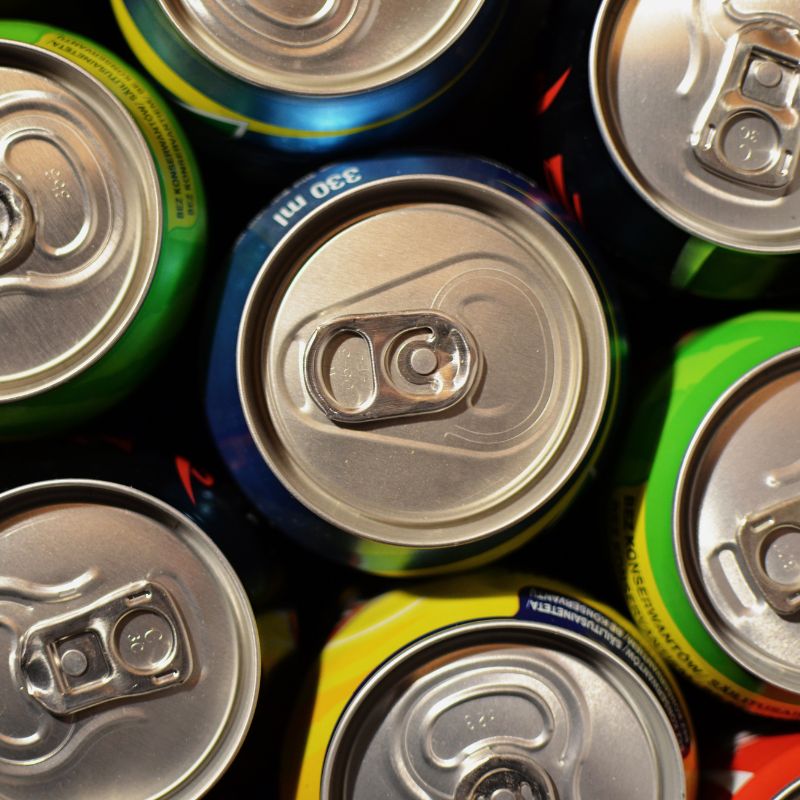
Sugary drinks deliver added sugar without the fiber found in whole fruit. A 2023 meta-analysis covering 72 studies found that higher consumption was significantly associated with hypertension, stroke, and other cardiometabolic outcomes.
- Sources to notice: Soda, sweet tea, energy drinks, lemonade, and sugary coffee drinks.
- Sip instead: Water with fruit, sparkling water, or unsweetened tea.
15. Alcohol in Excess
Heavy drinking and binge drinking are consistently associated with high blood pressure, stroke, and abnormal heart rhythms. Research advises women who drink to limit themselves to no more than one drink per day.
- Keep in mind: One oversized cocktail may contain more than one standard drink.
- A social alternative: Sparkling water with citrus or a low-sugar alcohol-free drink.
Other Habits That Support Stroke Prevention

Diet is only one part of caring for your overall health. These habits that could prevent heart disease offer additional ideas you can gradually add to your routine:
- Check your blood pressure regularly.
- Aim for about 150 minutes of moderate activity each week.
- Don’t smoke, and seek support if you’re ready to quit.
- Manage diabetes, cholesterol, and atrial fibrillation with medical guidance.
- Take prescribed medications as directed.
- Protect your sleep and find manageable ways to reduce stress.
Emergency reminder: If someone develops facial drooping, arm weakness, or speech difficulty, call emergency services immediately.
Final Thoughts on Foods That Increase Stroke Risk
Learning about foods that increase stroke risk isn’t meant to make eating stressful. Start by noticing which foods appear most often, then choose one realistic replacement. Small changes made consistently can support your blood pressure, blood vessels, and long-term health without requiring a perfect diet.
Which food on this list would be easiest for you to replace this week?

Hi I’m Ana. I’m all about trying to live the best life you can. This blog is all about working to become physically healthy, mentally healthy and financially free! There lots of DIY tips, personal finance tips and just general tips on how to live the best life.
Leave a Reply