
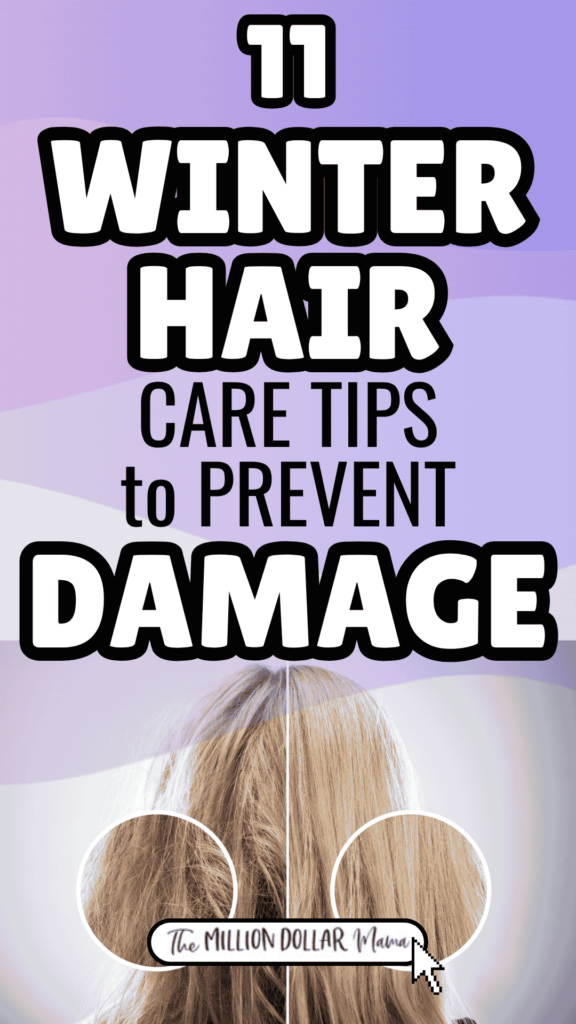
The first winter cold morning always feels cozy, until you look in the mirror. Your hair looks flat, dry, or frizzy, and your scalp suddenly feels itchy. You might ask yourself, “Why does my hair lose all life the moment it gets cold?” That’s precisely why learning about Winter Hair Care Tips to Prevent Damage matters more than ever.
You’re not imagining it.
Cold air, low humidity, and indoor heating “strip moisture from both your hair and scalp, leading to dryness, dullness, and increased breakage during winter months.”
The result? Static, brittle strands, and that rough texture, no amount of styling can hide.
But there’s a way to keep your hair soft and strong all winter long. Below, you’ll find 11 practical tips that go beyond the usual “wear a hat” advice, offering actual protection for your hair and helping it thrive during the coldest months.
Your Complete Guide: 11 Winter Hair Care Tips to Prevent Damage
1. Wash Less Frequently — But Wash Smarter
Washing your hair too often can do more harm than good. Each shampoo session strips away sebum, the natural oil that protects your scalp and hair. And in winter, when your body produces less oil, that can quickly lead to dryness.
According to research, dermatologists recommend washing your hair two to three times a week, depending on your hair type. Use a gentle, sulfate-free shampoo and warm water, not hot.
- On off days, try a dry shampoo or co-washing (washing with conditioner only) to keep your hair feeling fresh without stripping its moisture.
Struggling to keep your hair clean between washes? Here’s how to keep your hair fresh after a workout without overwashing or stripping away natural oils.
2. Bring Back the Moisture with Deep Conditioning
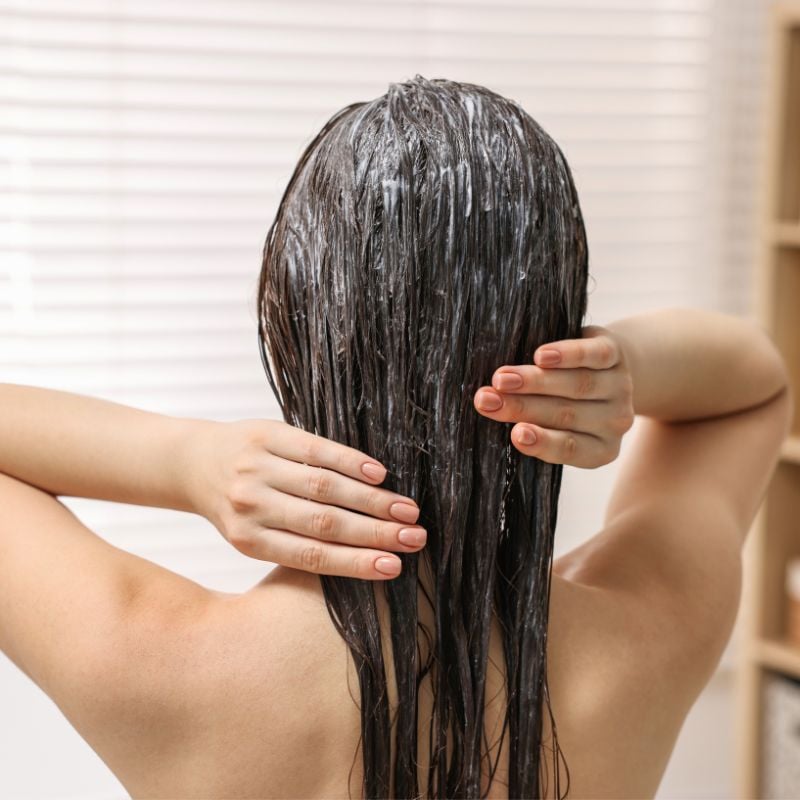
Winter air is dry, and your hair feels it.
According to dermatology studies, deep conditioning treatments enriched with shea butter or argan oil can significantly restore elasticity and reduce breakage during cold, dry months.
Use a mask once a week with ingredients like shea butter, coconut oil, glycerin, or panthenol. Follow with a leave-in conditioner to seal hydration.
- Curly or textured hair? Twice a week is even better.
- Fine hair? Choose lightweight formulas to avoid a flat look.
The goal is straightforward: restore moisture and retain it.
Million Dollar Mamas have also read: 21 Hairstyles to Try If You Have Curly Hair.
3. Avoid the “Too Much of a Good Thing” Trap
Yes, your hair needs moisture, but too much of it can have the opposite effect. Over-conditioning can lead to “hygral fatigue,” when the hair becomes overly elastic or mushy when wet.
To balance it out, alternate your hydrating mask with a protein-based treatment every other week. Look for ingredients like keratin, silk amino acids, or hydrolyzed wheat protein.
A quick test: If your hair stretches and doesn’t bounce back easily when wet, it’s time for more protein.
4. Give Your Heat Tools a Break
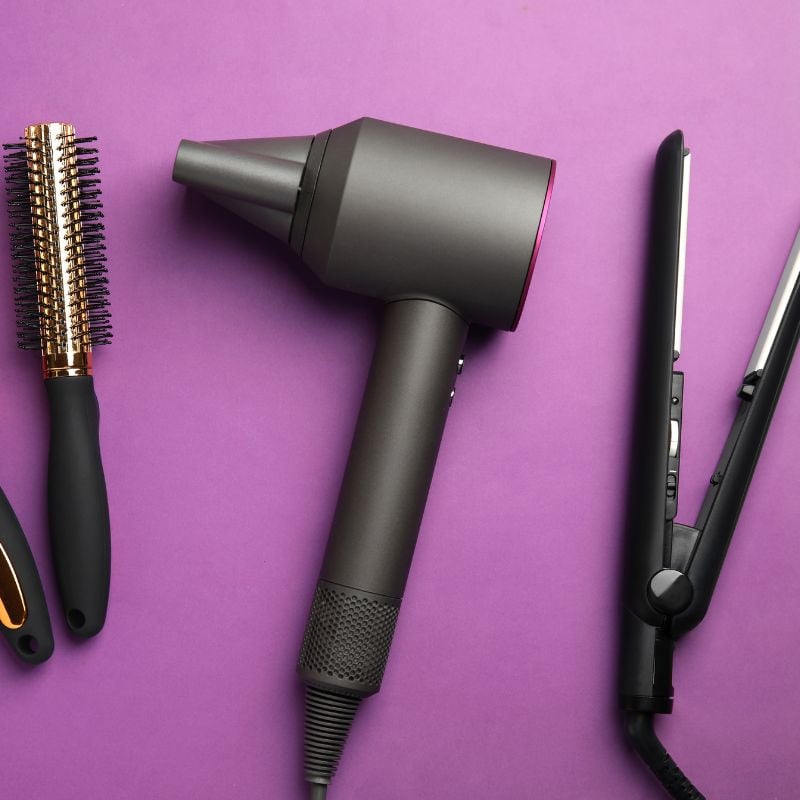
Winter already puts enough stress on your strands. Add heat styling, and you’ve got a recipe for breakage. High temperatures damage the cuticle, the outer layer that keeps moisture in.
Let your hair air-dry whenever you can. If you must blow-dry or style with heat, always apply a heat protectant and keep temperatures under 350°F. According to research, experts note that using heat protection can significantly reduce hair damage from styling heat.
Finish with a cool-air blast, which helps seal the cuticle and adds extra shine to your hair.
5. Don’t Forget About Your Scalp
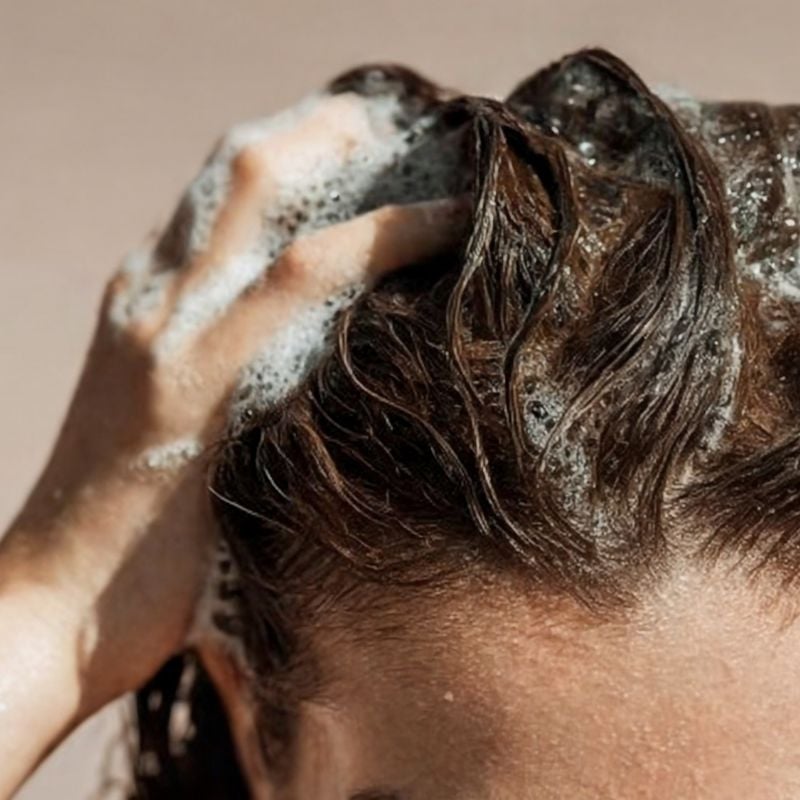
Healthy hair starts with a healthy scalp. During winter, reduced humidity and poor circulation can cause your scalp to become dry, flaky, and irritated.
Give yourself a gentle scalp massage once or twice a week using warm oils, such as jojoba or argan. It’s more than just relaxing, according to Harvard Health. Scalp massages improve blood flow and oxygen delivery to the follicles, which supports stronger hair growth.
If you use styling products, add an exfoliating scalp scrub once a week to remove buildup and flakes.
A healthy scalp is the foundation for growth. You can also explore these tips to make your hair grow faster for long-term, science-backed results.
6. Protect Your Hair from Wind, Static, and Hats
Static, tangles, and friction are three of winter’s biggest hair enemies. Wool hats and scarves can roughen the cuticle, leading to frizz and split ends.
Here’s what helps:
- Wear silk- or satin-lined hats to reduce friction.
- Wrap your hair in a satin scarf before putting on a beanie.
- Use an anti-static spray or a metal comb to discharge static electricity.
Research indicates that silk fabrics reduce friction by over 43%, making them ideal for winter hair protection.

7. Never Step Outside with Wet Hair
Leaving the house with damp hair might seem harmless, but cold air can cause water inside the hair shaft to expand, leading to tiny cracks that can cause breakage.
- Dry your hair thoroughly before going outdoors. Use a microfiber towel to pat (not rub) your hair gently, and when blow-drying, keep the setting on low or cool.
- Microfiber towels are also proven to reduce friction compared to cotton ones, helping your hair dry faster and stay smoother.
8. Trim Regularly — Don’t Wait for Spring
Split ends don’t just stay at the bottom; they creep upward and weaken the entire strand. Regular trims, every 6–8 weeks, prevent that from happening.
For color-treated or chemically processed hair, trimming every four weeks helps maintain strength. Between salon visits, apply a lightweight serum or leave-in oil to your ends to keep them sealed.
Research indicates that while trimming doesn’t make hair grow faster, it prevents breakage, helping your hair appear longer and healthier.
9. Choose the Right Tools and Fabrics
The wrong brush or pillowcase can undo your hard work. Choose a vented paddle brush with mixed bristles to minimize tugging and static.
- Replace your cotton pillowcases with satin or silk ones; these materials can reduce hair breakage.
- Avoid tight elastics and rubber bands, as they can pull and break strands of hair. Instead, opt for silk or soft fabric scrunchies.
Choosing the right brush makes all the difference in reducing frizz and preventing breakage. If you’re unsure which one suits your hair texture, check out this detailed guide on how to choose the right brush for your hair type.
10. Feed Your Hair from Within

Great hair starts on your plate. Hair is primarily composed of protein, so your diet plays a significant role in its appearance and texture.
Add protein-rich foods like eggs, fish, and legumes, such as beans. Include omega-3s from chia seeds, walnuts, or salmon, and don’t forget vitamins like biotin, vitamin D, and iron. These nutrients are crucial for promoting healthy hair growth and maintaining its strength.
- Drink plenty of water too, about two liters daily. Hydration keeps your scalp balanced and prevents flakiness.
What you eat shows up in your hair. Learn more about the best foods to nurture hair and boost shine, strength, and resilience from within.
11. Tailor Your Routine to Your Hair Type
What works for one person might not work for another. Different hair types need different routines, especially in cold weather.
Here’s a quick guide:
- Fine hair: Stick to lightweight products and steer clear of heavy oils.
- Curly or coily hair: Layer moisture, use leave-in, seal with oil, and protect with satin.
- Color-treated hair: Opt for sulfate-free shampoos and UV-protecting serums.
- Chemically treated hair: Alternate between protein and hydrating masks to rebuild the hair structure.
Adapting your care routine to your hair type helps maintain shine, elasticity, and strength through every season.
Bonus Winter Beauty & Style Reads
If you’re embracing a full winter glow-up, these might inspire you too:
- Explore a gentle 5-Step Winter Skin Detox to refresh your skin through the colder months.
- Need cozy fashion ideas that pair perfectly with healthy hair? Check out Winter Outfit Inspiration Ideas for Women Over 30 for timeless looks that keep you warm and confident.

Conclusion: Healthy Hair, No Matter the Weather
Winter can be harsh, but your hair doesn’t have to suffer. A few mindful changes, such as washing less frequently, adding moisture, trimming regularly, and protecting against friction, can make all the difference.
Start small: pick three of these Winter Hair Care Tips to Prevent Damage and try them this week. Maybe it’s a new pillowcase, a weekly mask, or a five-minute scalp massage before bed.
Your hair will thank you for the extra care.
Which of these winter hair care tips will you start with first?

Hi I’m Ana. I’m all about trying to live the best life you can. This blog is all about working to become physically healthy, mentally healthy and financially free! There lots of DIY tips, personal finance tips and just general tips on how to live the best life.
Leave a Reply