
You’re halfway up the stairs when you realize you’re breathing harder than usual. Or perhaps your calf starts cramping on a walk you’ve taken dozens of times. Could these easy-to-dismiss changes be clogged arteries warning signs, or are they simply the result of another exhausting week?
It’s natural to blame tiredness, stress, indigestion, or being out of shape. Life is busy, and many of us become very good at pushing through discomfort without stopping to ask whether our bodies are trying to get our attention.
The signs below can have many causes, so noticing one doesn’t mean you have a blocked artery. Still, a new, recurring, or worsening pattern deserves a conversation with a healthcare professional, and certain combinations require immediate help.
For practical meal ideas, explore these foods that support arterial health.
What Does “Clogged Arteries” Actually Mean?
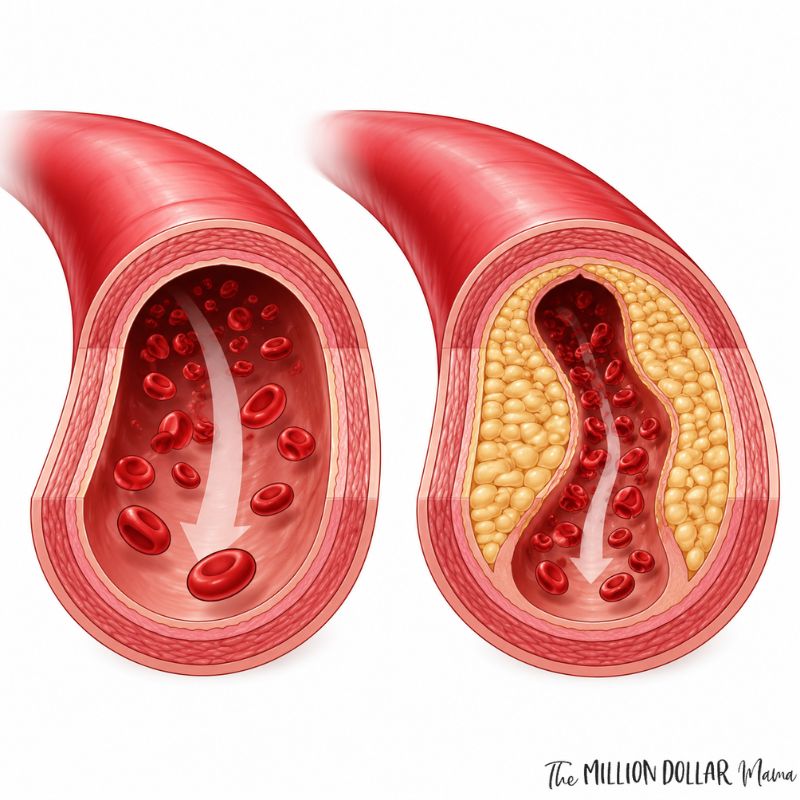
“Clogged arteries” usually refers to atherosclerosis, a buildup of plaque that narrows an artery and limits oxygen-rich blood. An artery doesn’t have to be completely blocked before symptoms appear, and the signs depend on whether it supplies the heart, legs, brain, kidneys, or another area.
Symptoms can’t confirm a blockage at home. In fact, the research shows that some people don’t notice anything until the condition becomes serious. Among people with peripheral artery disease (PAD), about one in five report no symptoms, while more than half have symptoms that aren’t considered typical.
Another useful step is learning how to understand your blood pressure readings.
13 Clogged Arteries Warning Signs You Shouldn’t Ignore
1. Chest Pressure, Tightness, or Pain
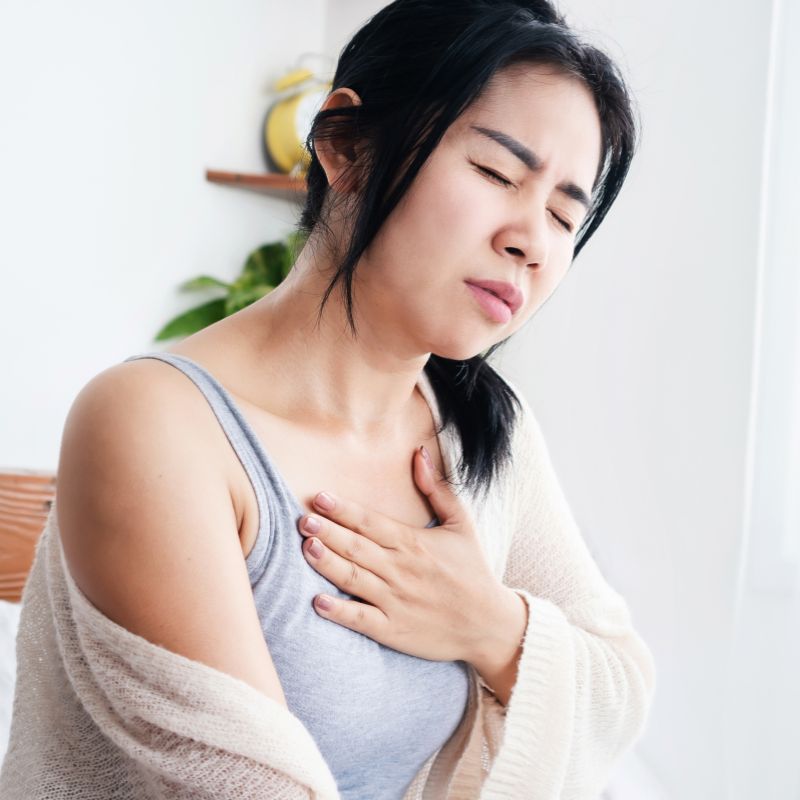
Angina isn’t always a sharp pain. It may feel like squeezing, burning, heaviness, pressure, or tightness.
- It commonly appears during physical activity or emotional stress.
- Discomfort that is new, persistent, or occurs at rest is more concerning.
2. Shortness of Breath
Reduced blood flow to the heart may leave you feeling as though you can’t catch your breath.
- Notice breathlessness during activities that were previously comfortable.
- Pay particular attention when it appears with chest pressure, nausea, or unusual fatigue.
3. Unusual Fatigue or Weakness
This feels different from ordinary end-of-day tiredness and may make your usual routine seem unexpectedly difficult.
- Everyday tasks may suddenly require more effort.
- You may need longer to recover after light activity.
- Women can experience unusual fatigue alongside other heart-attack symptoms.
Related reading: Learn how cholesterol may affect your energy levels.
4. A Racing or Pounding Heartbeat
Palpitations may feel as though your heart is racing, pounding, or fluttering.
- Notice whether the sensation keeps returning.
- Seek evaluation if accompanied by chest discomfort, dizziness, weakness, or breathlessness.
- Palpitations have several possible causes, so they can’t confirm a blockage on their own.

5. Discomfort in the Arms, Back, Neck, Jaw, or Stomach
Heart-related discomfort isn’t always centered in the chest.
- It may spread to one or both arms.
- Some women feel discomfort in the shoulder, upper back, neck, jaw, or stomach.
- Chest discomfort is still the most common heart attack symptom in women.
Other readers also found these foods to balance blood pressure helpful.
6. Nausea, Heartburn, or an Upset Stomach
It’s easy to assume the discomfort came from something you ate, and ordinary indigestion usually isn’t caused by a clogged artery.
- Pay attention when nausea or stomach discomfort feels new or unexplained.
- It becomes more concerning when accompanied by chest pressure, sweating, breathlessness, or lightheadedness.
7. A Sudden Cold Sweat
An unexplained clammy or cold sweat may differ from normal perspiration caused by heat or exercise.
- Notice whether it begins suddenly without an obvious explanation.
- Treat it seriously when it occurs with chest discomfort, nausea, lightheadedness, or shortness of breath.
8. Lightheadedness or Sudden Dizziness
Research indicates that dizziness and vertigo may make you feel lightheaded, unsteady, or as though you could faint.
- On its own, it doesn’t confirm an artery problem.
- It becomes more concerning when it appears with chest discomfort, shortness of breath, nausea, or a cold sweat.
9. Leg Pain or Cramping While Walking
Pain that begins while walking and improves with rest is called intermittent claudication, the most common symptom of peripheral artery disease.
- The sensation may include aching, heaviness, or cramping.
- It often affects the calf but may also appear in the thigh, buttock, or foot.
- A recurring walk-pain-rest pattern deserves medical evaluation.

10. Numbness, Weakness, or Pins and Needles
Reduced circulation in a leg or foot may affect both sensation and movement.
- Research includes leg weakness, numbness, and pins and needles among the possible symptoms of peripheral artery disease.
- Weakness or numbness may affect your balance or make walking more difficult.
- Persistent or worsening symptoms should be discussed with a healthcare professional.
11. One Foot Feels Colder Than the Other
A noticeable temperature difference between your feet may be associated with reduced blood flow.
- According to the NHLBI, one foot feeling colder than the other can be a symptom of peripheral artery disease.
- The affected foot or leg may also appear pale, blue, or discolored.
- Sudden severe pain, coldness, numbness, or weakness may indicate acute limb ischemia, which requires immediate medical care.,

12. Changes in Skin Color, Leg Hair, or Toenails
Reduced circulation can sometimes cause gradual and visible changes in a leg or foot.
- The skin may look unusually pale, blue, or discolored.
- Leg hair and toenails may grow very slowly or stop growing normally.
- Changes affecting only one side deserve a medical discussion.
13. Foot Pain at Rest or Wounds That Heal Slowly
These symptoms may indicate more advanced peripheral artery disease and shouldn’t be ignored.
- Leg or foot pain may persist at rest.
- Sores on the toes, feet, or legs may heal slowly or not at all.
- Spreading infection or rapidly worsening pain requires urgent care.
When to Seek Medical Help Immediately
Research reports that someone in the United States has a heart attack about every 40 seconds. That isn’t meant to frighten you; it explains why recognizing an emergency pattern matters. Call 911 or your local emergency number immediately for:
- Possible heart attack: Chest pressure that lasts more than a few minutes or returns, especially with upper-body discomfort, shortness of breath, nausea, cold sweating, or lightheadedness.
- Possible stroke or TIA: Sudden facial drooping, one-sided weakness or numbness, speech difficulty, vision changes, loss of balance, or an unexplained severe headache, even if the symptoms disappear.
- Possible acute limb ischemia: Sudden severe arm or leg pain with paleness, coldness, numbness, weakness, loss of movement, or a weak or absent pulse.
When emergency services are available, call rather than waiting for symptoms to worsen or driving yourself.
Final Thoughts on Clogged Arteries Warning Signs
Many clogged arteries warning signs overlap with less serious conditions, so the goal isn’t to panic or diagnose yourself. Instead, notice patterns: what triggers the symptom, how long it lasts, whether rest relieves it, and whether it is becoming more frequent.
Share those details with a healthcare professional, and respond immediately to the emergency combinations above.
Have you noticed a recurring change that it may be time to discuss with your healthcare professional?

Hi I’m Ana. I’m all about trying to live the best life you can. This blog is all about working to become physically healthy, mentally healthy and financially free! There lots of DIY tips, personal finance tips and just general tips on how to live the best life.
Leave a Reply