
There was a season in my life when I felt constantly tired. I was sleeping, exercising, even trying to “eat healthy,” yet my skin looked dull, and my energy crashed by mid-afternoon. That’s when I started paying attention to Foods High in Antioxidants and how they might support my body from the inside out.
Have you ever felt like you’re doing your best but your body still feels inflamed, sluggish, or older than it should?
What most people don’t realize is that oxidative stress happens inside our bodies every single day.
Pollution, stress, poor sleep, processed foods, and even intense workouts can increase free radicals, unstable molecules that gradually damage our cells.
Over time, this internal stress can influence how we age, how our skin looks, how steady our energy feels, and how well our heart and brain function.
This is where antioxidants come in. These compounds help neutralize free radicals and protect your cells from unnecessary damage. And they work best when they come from real, whole foods, not pills. So today, I’m sharing 13 antioxidant-rich foods you can easily add to your diet, why each one is recommended, and which part of your body benefits most.
Why Foods High in Antioxidants Should Be Part of Your Diet
When we talk about healthy eating, we often focus on calories, protein, or carbs. But what’s happening at the cellular level matters just as much.
Every single day, your body produces free radicals, unstable molecules generated by:
- Stress
- Pollution
- Poor sleep
- Processed foods
- Intense exercise
- Normal metabolic processes
When free radicals accumulate, they contribute to oxidative stress, which can damage cells, proteins, and even DNA. If you’re curious how this process affects specific organs, especially detoxification pathways, you can explore more in my guide on antioxidant-rich foods for liver health.
Research shows that oxidative stress has been linked to the development of metabolic diseases such as type 2 diabetes and contributes to cellular aging and dysfunction in tissues over time.
This is where Foods High in Antioxidants become powerful.
Antioxidants help:
- Neutralize free radicals before they damage cells
- Protect blood vessels and support heart health
- Support brain cells, which are especially vulnerable to oxidative damage
- Strengthen immune response
- Protect skin collagen and elasticity
Before we dive into the list, remember: real health is built through daily habits. Adding more antioxidant-rich foods is one of the simplest, most sustainable upgrades you can make.
13 Foods High in Antioxidants You Can Start Eating Today
So, let’s get started so you too can incorporate these 13 foods into your diet.
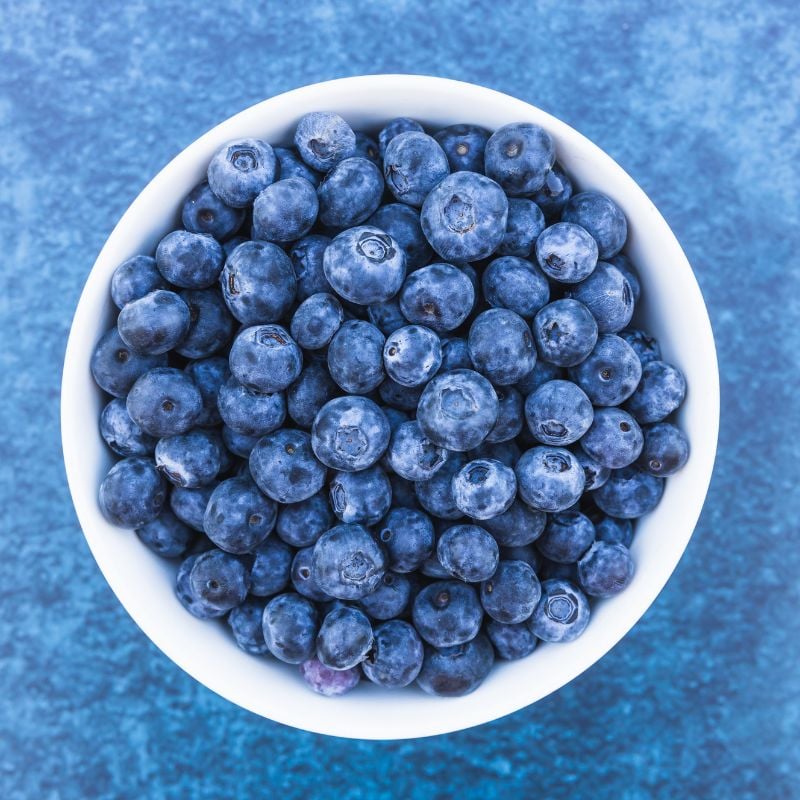
1. Blueberries
Main antioxidants: Anthocyanins
Best for: Brain & heart
Blueberries consistently rank among the highest antioxidant fruits in laboratory measurements of total antioxidant capacity. Their deep blue color comes from anthocyanins, compounds linked to improved cognitive function and cardiovascular health.
A study found that higher intake of berry fruits, rich in anthocyanins, has been linked to slower age-related cognitive decline. Anthocyanins also help reduce oxidative stress in blood vessels.
How to add them: Toss into oatmeal, blend into smoothies, or keep frozen for an easy snack. If you want fresher and more affordable options, you can even learn how to start raising your own berries at home.
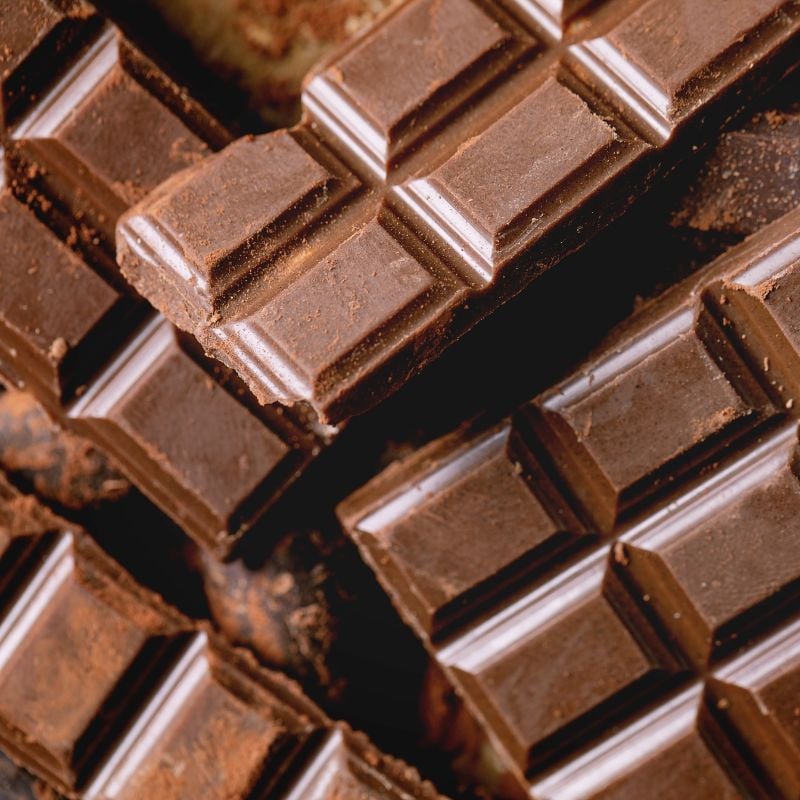
2. Dark Chocolate (70%+ Cocoa)
Main antioxidants: Flavonoids
Best for: Cardiovascular system
Yes, chocolate, the right kind.
Dark chocolate rich in cocoa contains flavonoids that support blood vessel flexibility and circulation.
Research found that cocoa flavanols can improve endothelial function. These antioxidants help reduce LDL oxidation, a key step in artery damage.
How to add it: 1–2 small squares after dinner. Choose at least 70% cocoa and minimal added sugar.
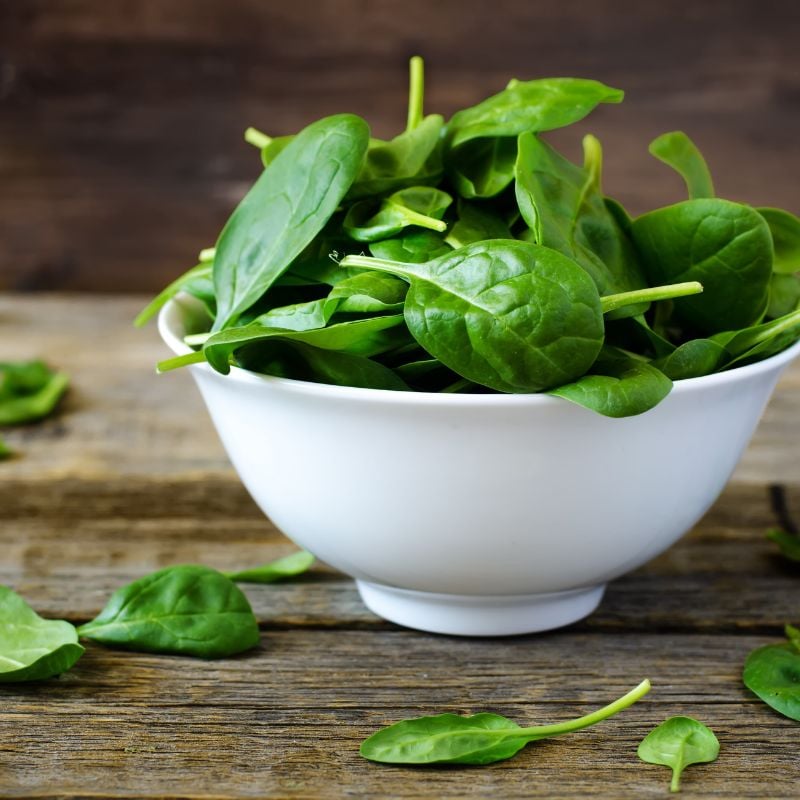
3. Spinach
Main antioxidants: Vitamin C, beta-carotene, lutein
Best for: Eyes & immune system
Spinach is nutrient-dense and rich in lutein, a carotenoid that accumulates in the retina and helps protect against oxidative damage from blue light.
Its vitamin C content also supports immune defense and collagen formation.
How to add it: Fresh in salads or lightly sautéed with olive oil to improve carotenoid absorption. You can also try this easy, protein-rich, crustless spinach mini-quiche recipe for a simple, antioxidant-packed meal.
4. Walnuts
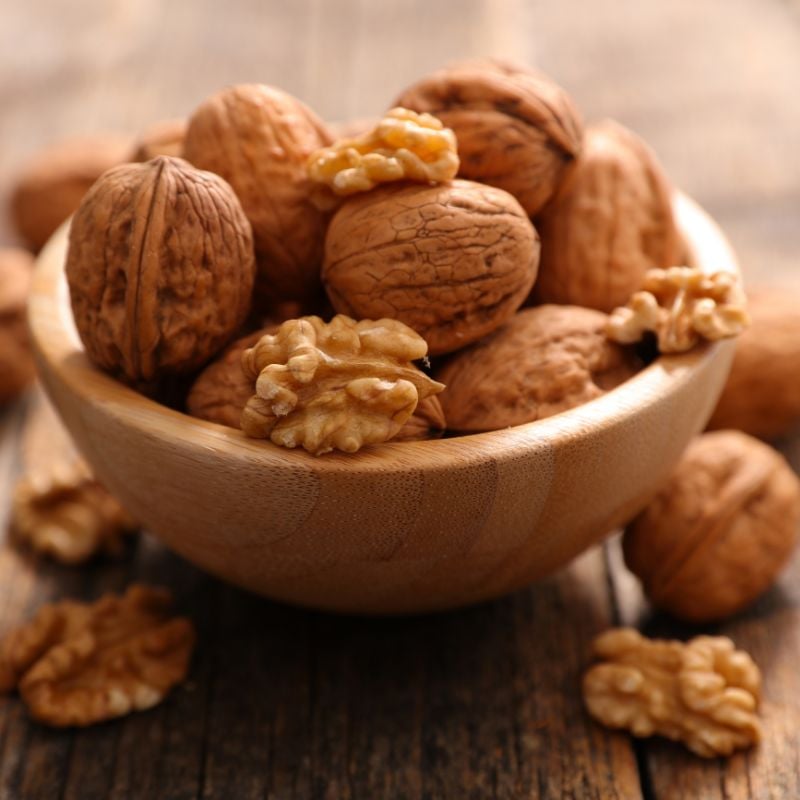
Main antioxidants: Polyphenols, vitamin E
Best for: Brain & inflammation control
Walnuts provide antioxidant polyphenols and alpha-linolenic acid (ALA), a plant-based omega-3 fat. Research found that walnuts may reduce oxidative stress and markers of inflammation.
The brain, which is rich in fat and vulnerable to oxidative damage, particularly benefits.
How to add them: A small handful daily or chopped into yogurt or salads.
5. Green Tea
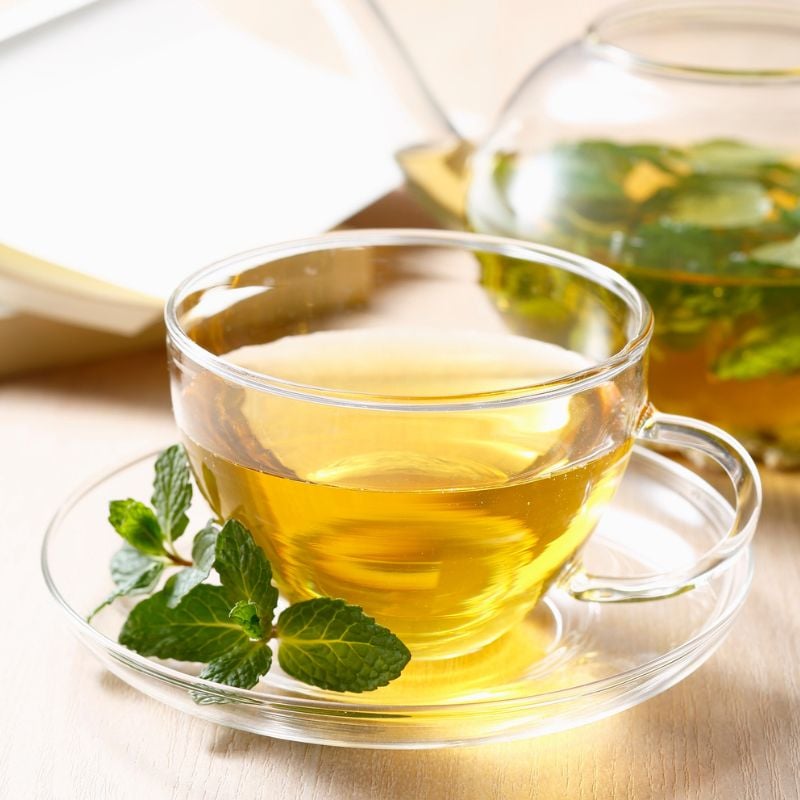
Main antioxidants: EGCG (catechins)
Best for: Metabolism & cellular protection
Green tea is one of the most researched antioxidant beverages. Its catechin EGCG has been shown to reduce oxidative stress and support metabolic health by scavenging free radicals and influencing key metabolic pathways.
Replacing sugary drinks with green tea can reduce calorie intake while increasing antioxidant exposure.
How to add it: Brew 1 cup daily, especially mid-morning or in the afternoon.
6. Tomatoes
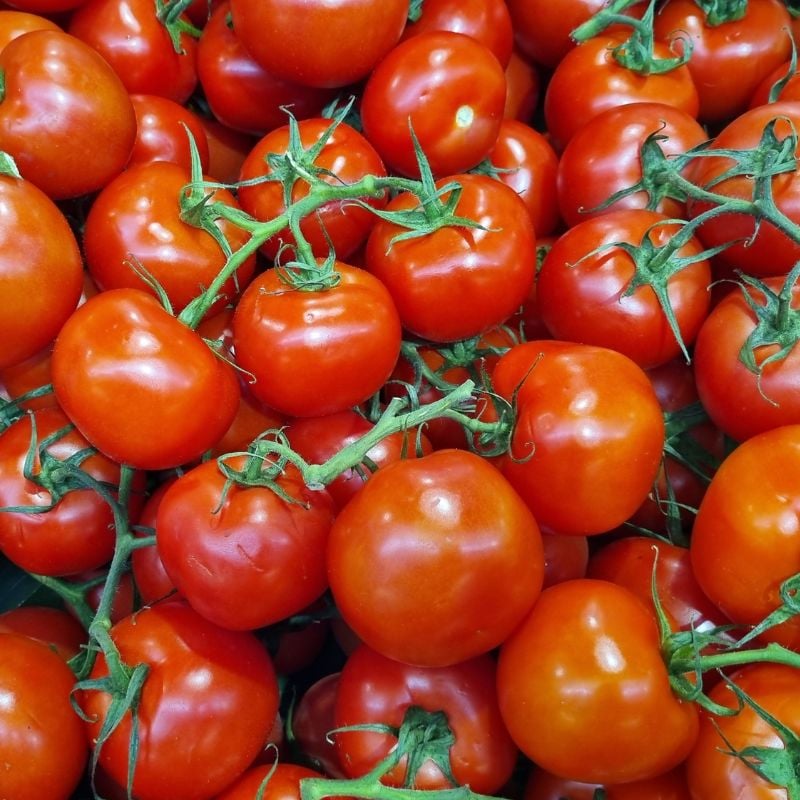
Main antioxidants: Lycopene
Best for: Heart & prostate health
Lycopene is a powerful carotenoid associated with reduced risk of cardiovascular disease. Interestingly, cooked tomatoes (like sauce) increase lycopene bioavailability.
Lycopene helps reduce oxidative damage in blood vessels and may support prostate health in men.
How to add them: Tomato sauce, roasted tomatoes, or homemade salsa.
7. Carrots
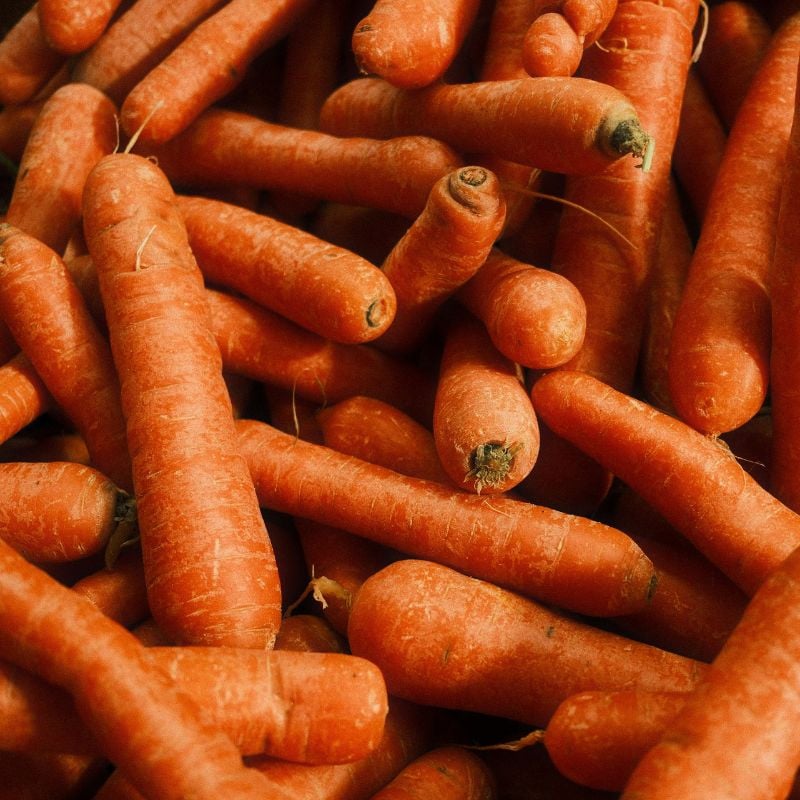
Main antioxidants: Beta-carotene
Best for: Skin & immune system
Beta-carotene is converted into vitamin A, which is essential for immune defense and skin repair.
Carrots are affordable, accessible, and easy to store, making them practical.
How to add them: Raw with hummus or roasted with olive oil.
8. Black Beans
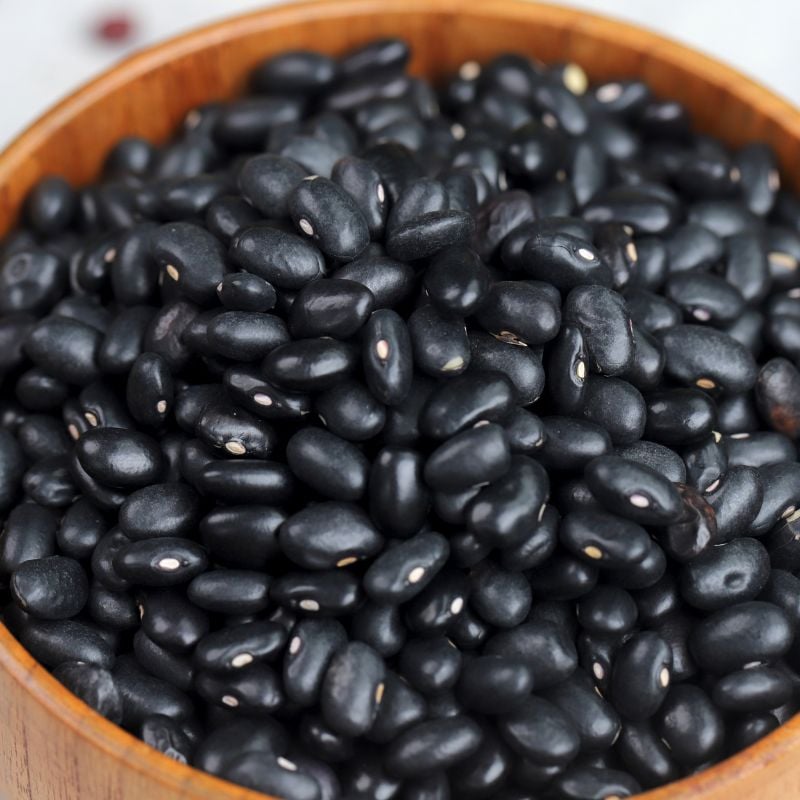
Main antioxidants: Anthocyanins, polyphenols
Best for: Gut health & blood sugar balance
Black beans combine antioxidants with fiber, a powerful duo. Fiber supports the microbiome, and polyphenols help reduce inflammation.
Beans help close that gap.
How to add them: Tacos, grain bowls, soups, or blended into dips. For a balanced, protein-rich option, try this easy omelette with black beans and guacamole for a gut-friendly antioxidant boost.
9. Extra Virgin Olive Oil
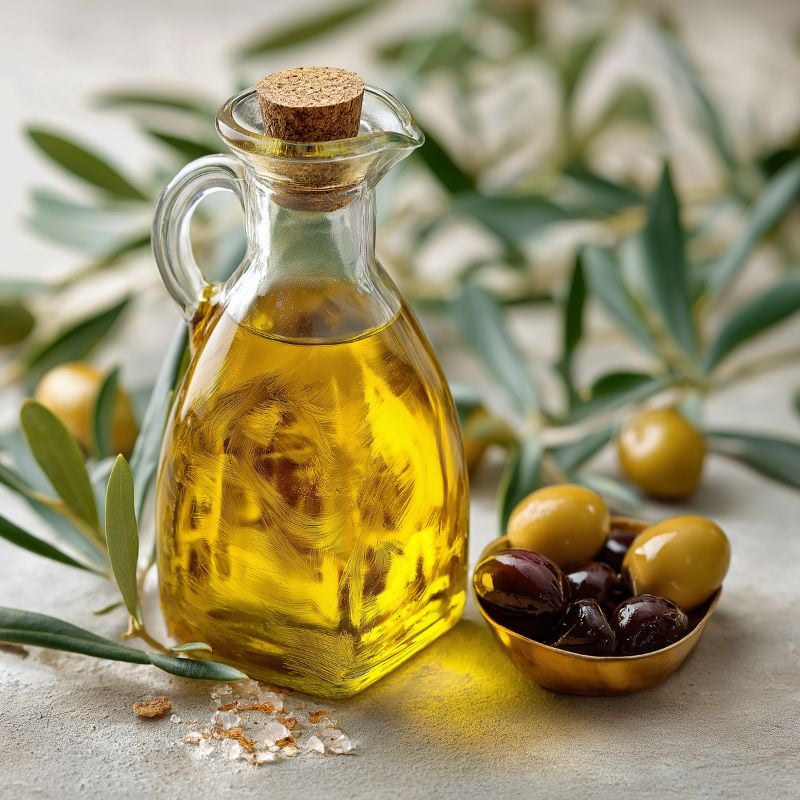
Main antioxidants: Hydroxytyrosol, oleuropein
Best for: Heart & inflammation
A cornerstone of the Mediterranean diet, extra virgin olive oil protects LDL cholesterol from oxidation. Research links Mediterranean dietary patterns to reduced cardiovascular risk.
These polyphenols support vascular health and help control systemic inflammation.
How to add it: Use it as your primary cooking oil or salad dressing.
Curious about how healthy olive oil is? Check out my ranking on the most popular cooking oils, HERE.
10. Strawberries
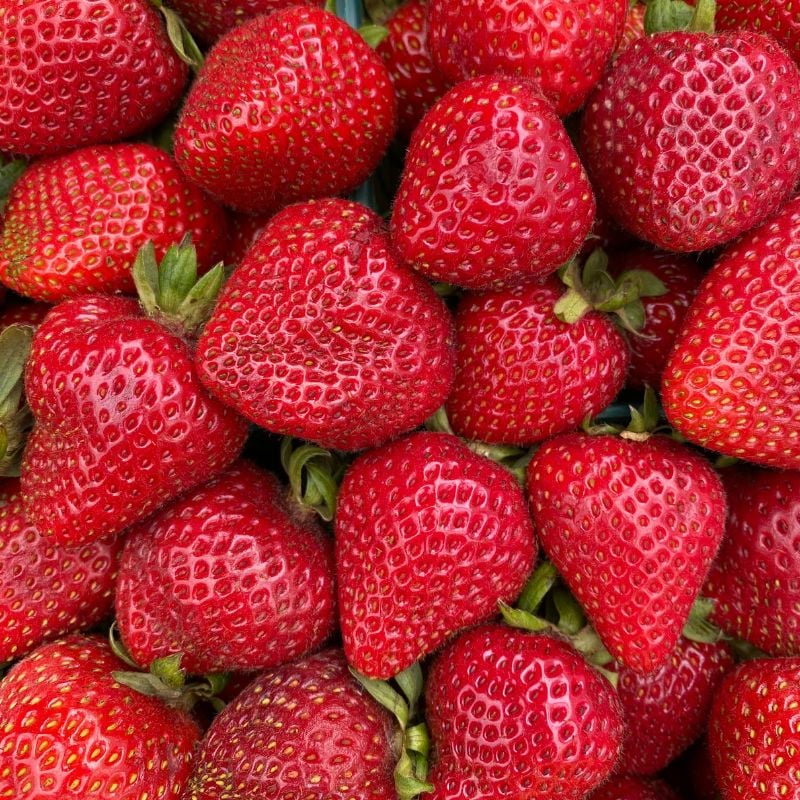
Main antioxidants: Vitamin C, ellagic acid
Best for: Skin & immune system
Strawberries contain antioxidant compounds that, when consumed regularly, may support overall health and improve biomarkers of oxidative stress and inflammation. Vitamin C supports collagen production and skin integrity.
Their ellagic acid also contributes antioxidant protection.
How to add them: Breakfast bowls, smoothies, or fresh snacks.
11. Turmeric
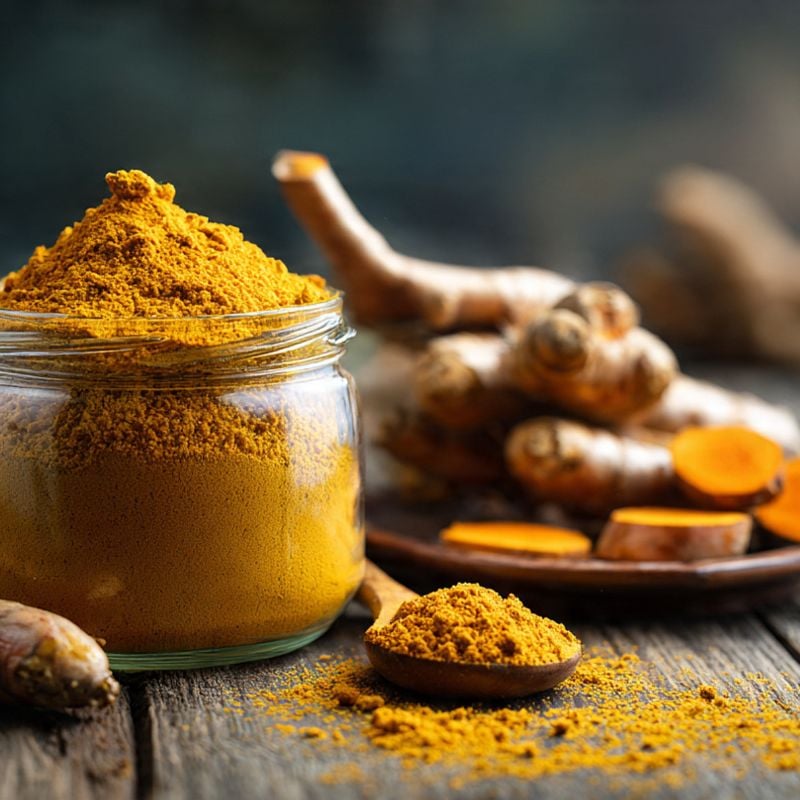
Main antioxidants: Curcumin
Best for: Joint health & inflammation
Curcumin has been studied for its anti-inflammatory and antioxidant properties. It supports joint comfort and cellular protection. If you want a deeper look at its science-backed effects, explore the full benefits of turmeric here.
Curcumin absorption improves significantly when combined with black pepper.
How to add it: Sprinkle into soups, rice, or golden milk with black pepper.
12. Red Cabbage
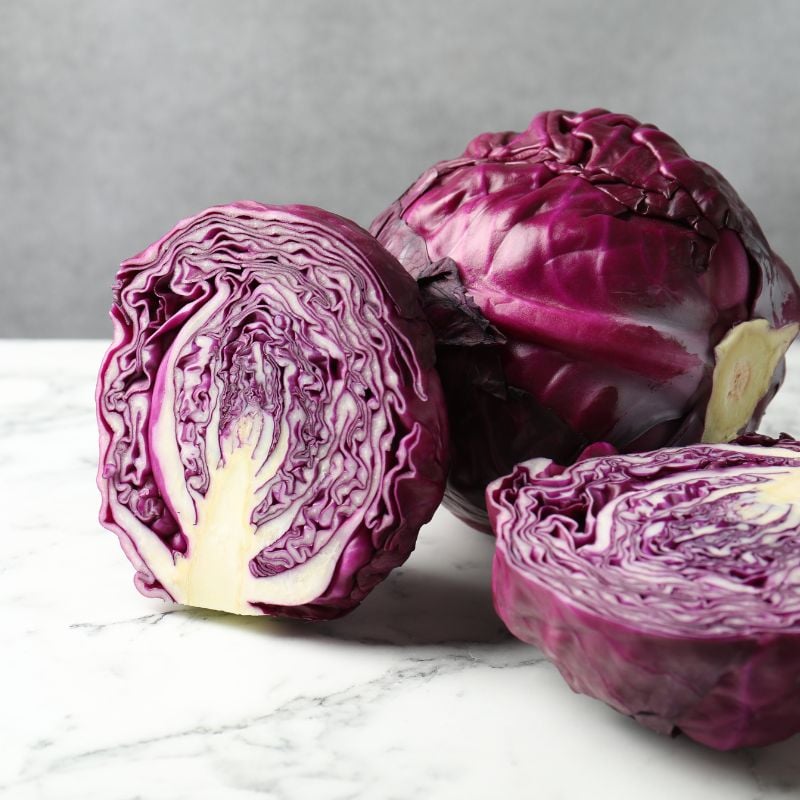
Main antioxidants: Anthocyanins
Best for: Digestive & cardiovascular health
Red cabbage contains significantly higher levels of antioxidants than green cabbage due to its anthocyanins. It supports vascular integrity and provides fiber for gut health.
How to add it: Fresh slaw, tacos, or stir-fries.
13. Pomegranates
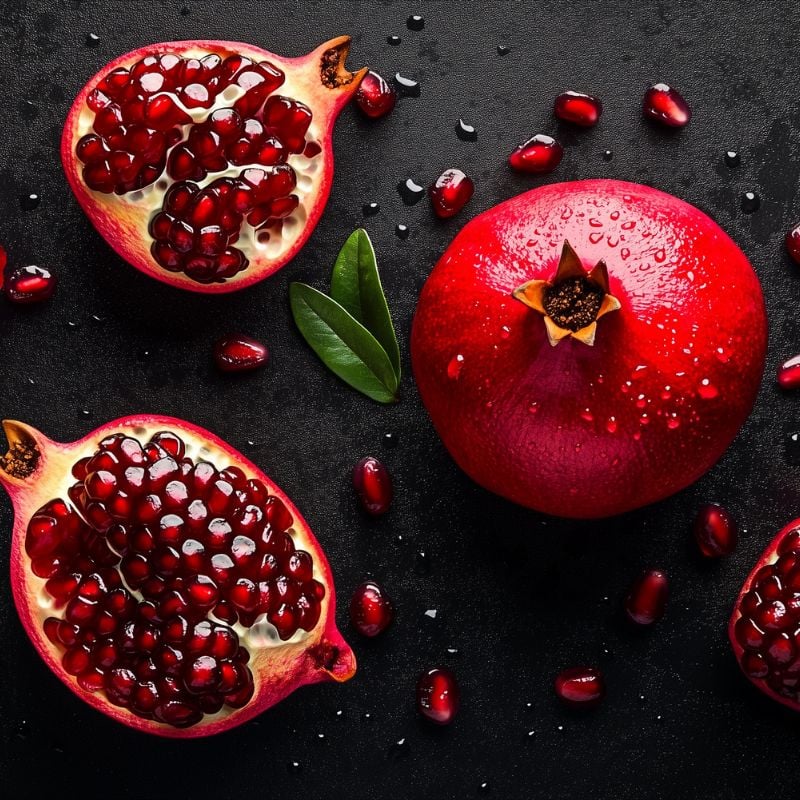
Main antioxidants: Punicalagins
Best for: Heart & cellular aging
Pomegranates contain unique polyphenols called punicalagins, which have been shown to reduce oxidative stress markers. These compounds help protect blood vessel walls and support healthy aging.
How to add them: Sprinkle seeds over yogurt or salads, or blend them into smoothies.
My Final Thoughts on These Foods High in Antioxidants
Antioxidants aren’t magic, but they are powerful when consumed consistently through whole, colorful foods. Instead of chasing expensive supplements or trendy “superfoods,” focus on accessible ingredients that nourish your brain, heart, skin, gut, and immune system every single day.
Small swaps, such as adding berries to breakfast, replacing soda with green tea, and cooking with olive oil, can shift your body’s oxidative balance over time.
Real health isn’t built in a week. It’s built meal by meal.
So tell me, which of these antioxidant-rich foods can you start adding to your meals this week?

Hi I’m Ana. I’m all about trying to live the best life you can. This blog is all about working to become physically healthy, mentally healthy and financially free! There lots of DIY tips, personal finance tips and just general tips on how to live the best life.
Leave a Reply