
It’s 6:30 p.m. The food is ready, the table is set, and once again, your toddler looks at their plate, crosses their arms, and says the words every parent dreads: “I don’t want that.” If you’ve been searching for food ideas for toddlers, just like yours that, refuse to eat, this moment probably feels all too familiar. You try one more time. You negotiate. Nothing works.
If you’ve ever wondered how a child who was hungry just minutes ago can suddenly refuse every bite, you’re not alone, and you’re not doing anything wrong.
Many parents go through this phase, especially during the early toddler years, when children begin asserting independence, reacting more strongly to textures and colors, and wanting control over what goes into their bodies.
This stage of food refusal is widely recognized as a normal part of development, even though it can feel exhausting, frustrating, and deeply personal. What looks like stubbornness is often a child responding to unfamiliar sights, smells, or textures, not a lack of hunger or appreciation for your effort.
So the real question isn’t, “How do I force my child to eat?”It’s this: How can I make food feel safe, familiar, and fun enough that my child actually wants to try it?
Why Presentation Matters More Than Ingredients (Ages 2–5)
Between ages 2 and 5, children don’t reject food because they’re being difficult. They reject food because their brains are wired differently.
At this age:
- Color matters more than taste
- Shape matters more than nutrition
- Familiarity matters more than variety
Research shows that toddlers often decide whether they’ll eat something before it ever reaches their mouth, based purely on how it looks. That’s why hiding nutrients inside familiar foods works far better than introducing new foods “as is.”
This is also why novelty, Disney characters, bright colors, playful shapes, and other elements can dramatically increase acceptance. When food feels like play, the nervous system relaxes. When food feels like pressure, resistance increases.
The simple rule many feeding therapists agree on is this:
Make food look like fun, not a test.
15 Food Ideas for Toddlers (Ages 2–5) Who Refuse to Eat
Each of the following foods is designed with three goals in mind:
- Visual appeal for picky eaters
- Familiar textures and flavors
- Hidden or gentle nutrition support
1. Beetroot Pancakes (Naturally Pink Pancakes)
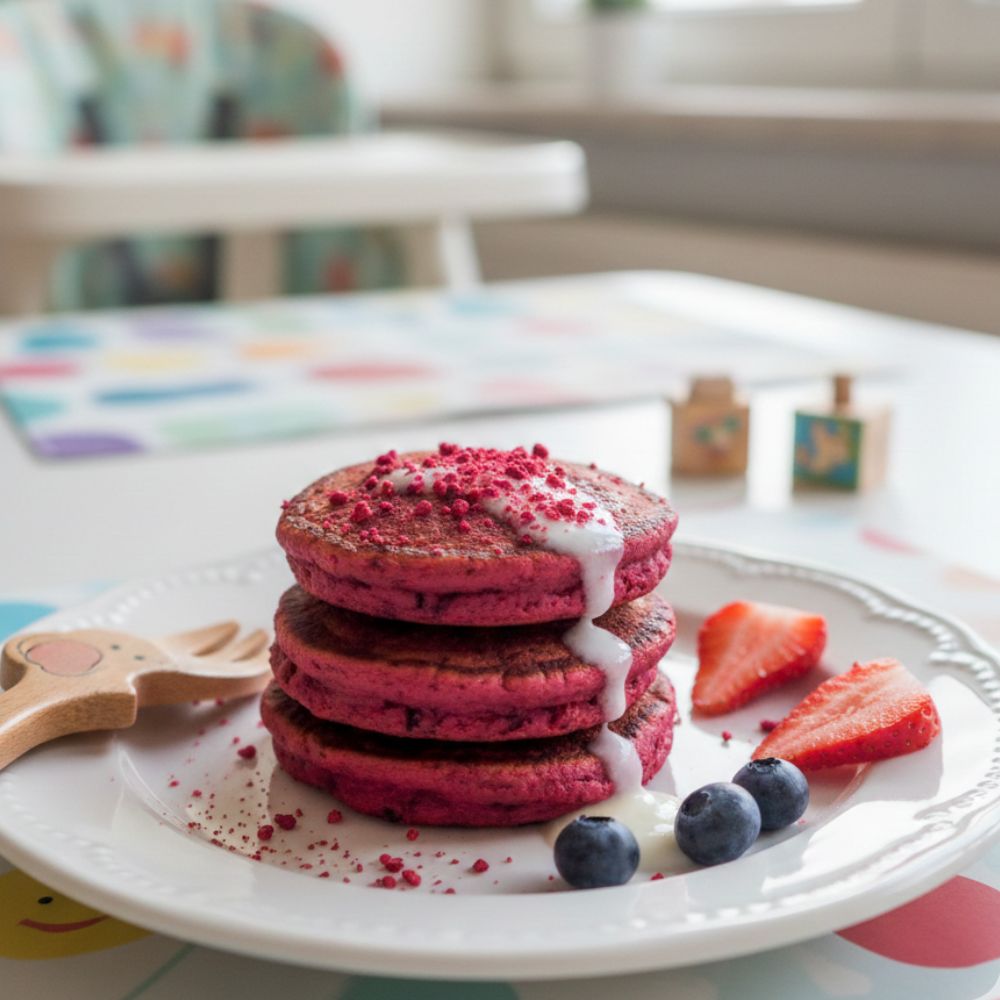
Bright pink pancakes instantly grab a child’s attention, especially toddlers who love colorful foods. Beetroot blends smoothly into pancake batter and has a mild sweetness when cooked, making it almost undetectable in taste.
Why kids accept it:
- The color feels exciting and playful, not “healthy.”
Nutritional benefit: Beets provide fiber, folate, and antioxidants that support digestion and circulation.
2. Zucchini Noodles with Mild Cheese Sauce
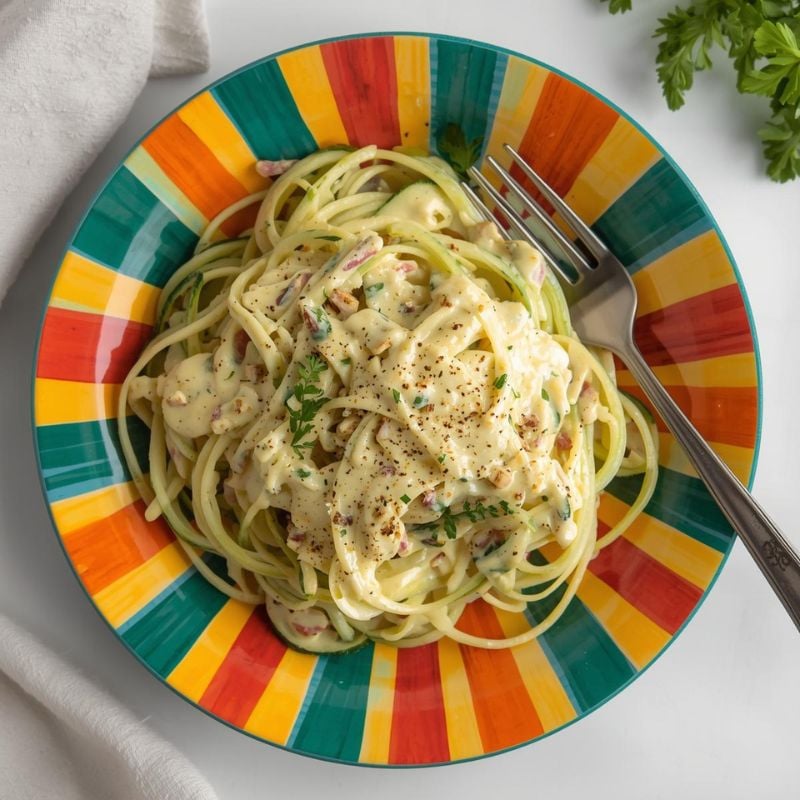
Zucchini noodles mimic the shape of pasta, which most toddlers already love. When paired with a creamy cheese sauce, the vegetable becomes secondary.
Why this works visually:
- It looks like spaghetti, not vegetables.
Tip: Cut noodles shorter for easier chewing and less frustration.
Nutritional benefit: Zucchini adds hydration, fiber, and vitamin C.
3. Mini Chicken-Crust Pizzas
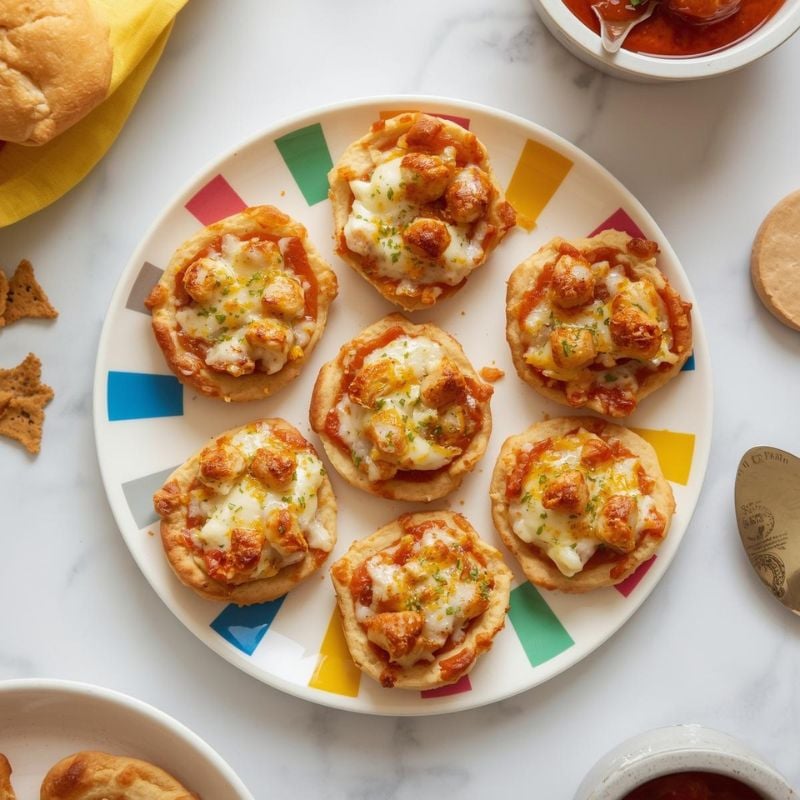
These pizzas use ground chicken as the base instead of dough, topped lightly with sauce and cheese.
Why kids don’t resist it:
- Pizza is familiar, comforting, and visually recognizable.
Nutritional benefit: High protein supports growth while reducing refined carbohydrates.
4. Disney Character Pancakes
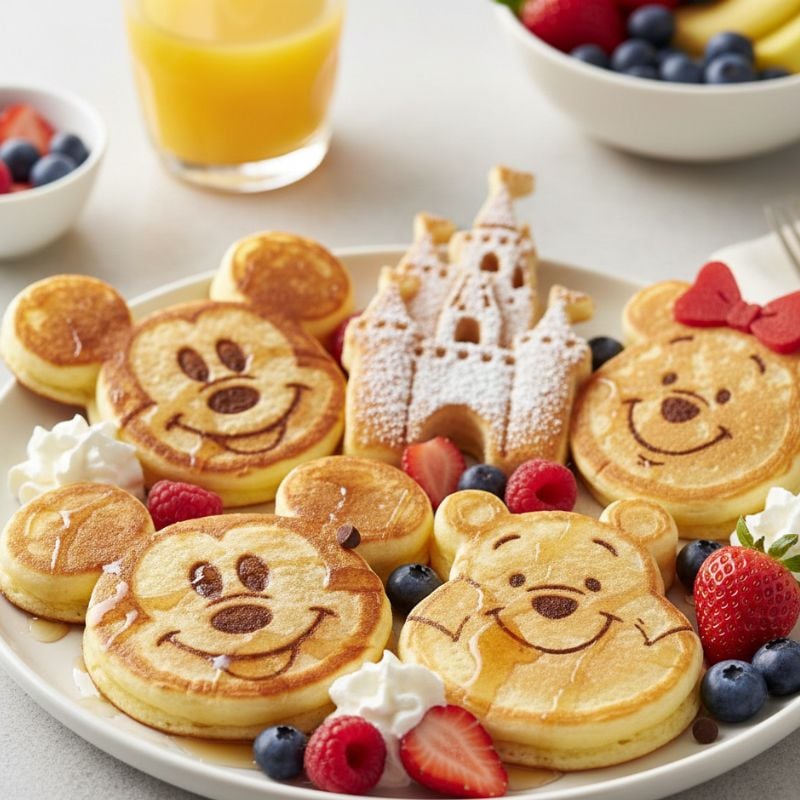
Using molds or simple outlines, pancakes shaped like Mickey, Elsa, or other favorite characters create instant curiosity.
Why it sparks interest:
- Toddlers are far more likely to eat something they emotionally connect with.
Nutritional benefit: You can enrich the batter with oats, eggs, or fruit purees.
5. Banana-Oat Pancake Bites
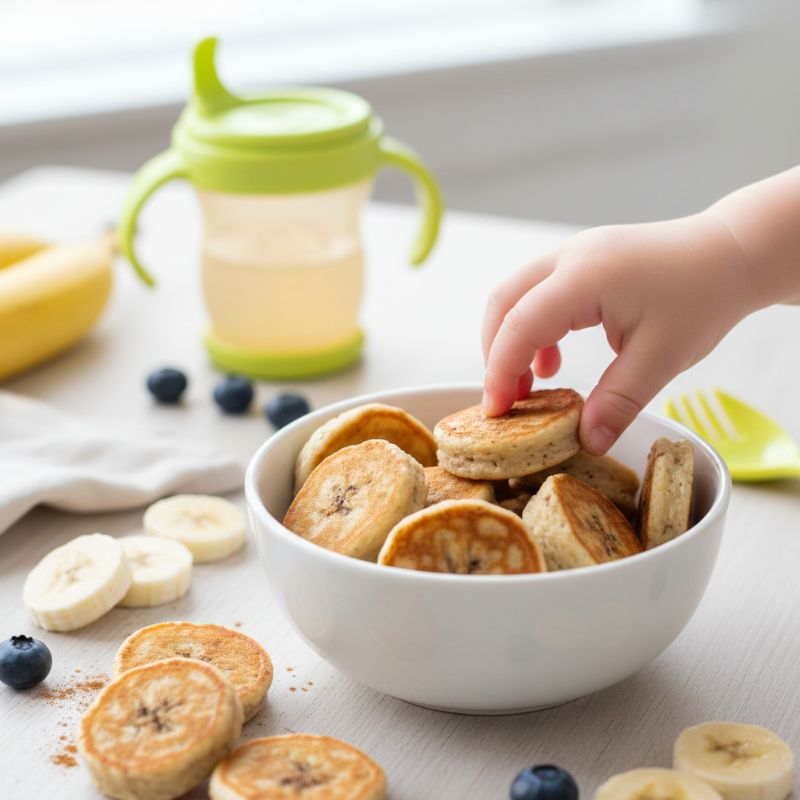
Soft, naturally sweet, and bite-sized, these pancake bites feel more like snacks than meals.
Why this feels less intimidating:
- Small portions feel less overwhelming.
Nutritional benefit: Oats provide fiber, and bananas add potassium; no refined sugar is needed.
6. Spinach & Cheese Egg Muffins
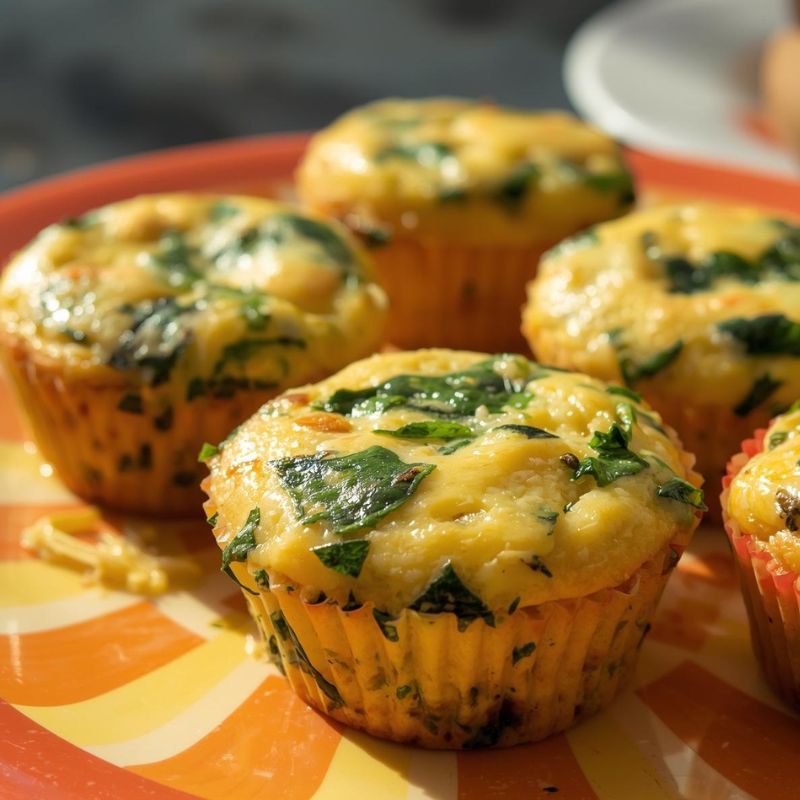
Egg muffins are easy to hold and eat with little hands. Finely chopped spinach blends seamlessly into the egg.
Why kids accept it:
- Cheese masks the visual presence of greens.
Nutritional benefit: Eggs provide protein and choline for brain development.
You may also like these: Easy Crustless Spinach Mini Quiches.
7. Sweet Potato Smiley Fries
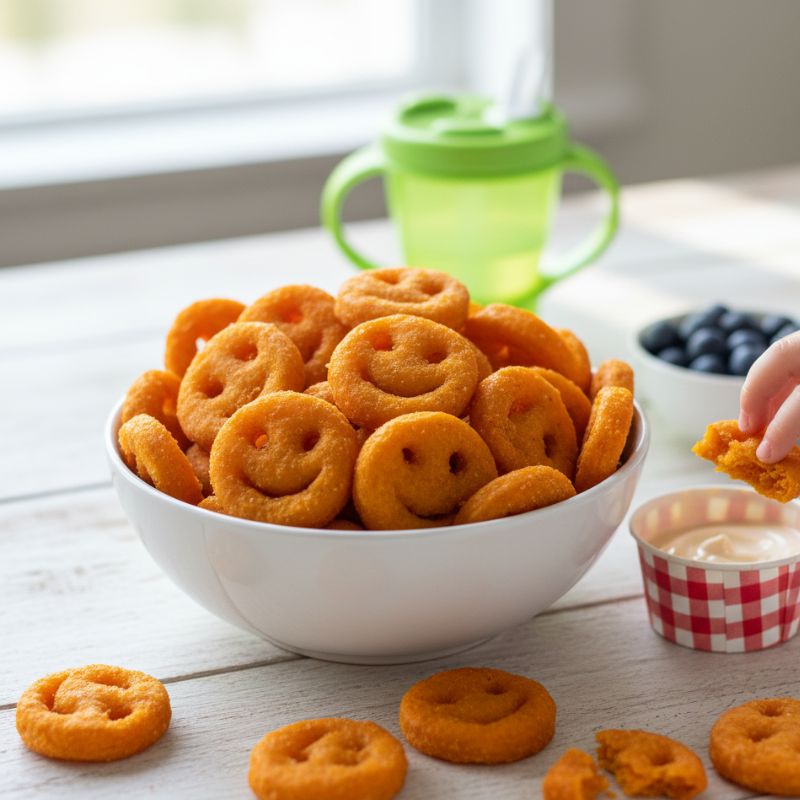
Cutting sweet potatoes into fry shapes and adding smiley faces turns them into something playful.
Why kids say yes more often:
- They resemble regular fries but feel more fun.
Nutritional benefit: Sweet potatoes are rich in vitamin A and fiber.
8. Hidden-Veg Mac and Cheese
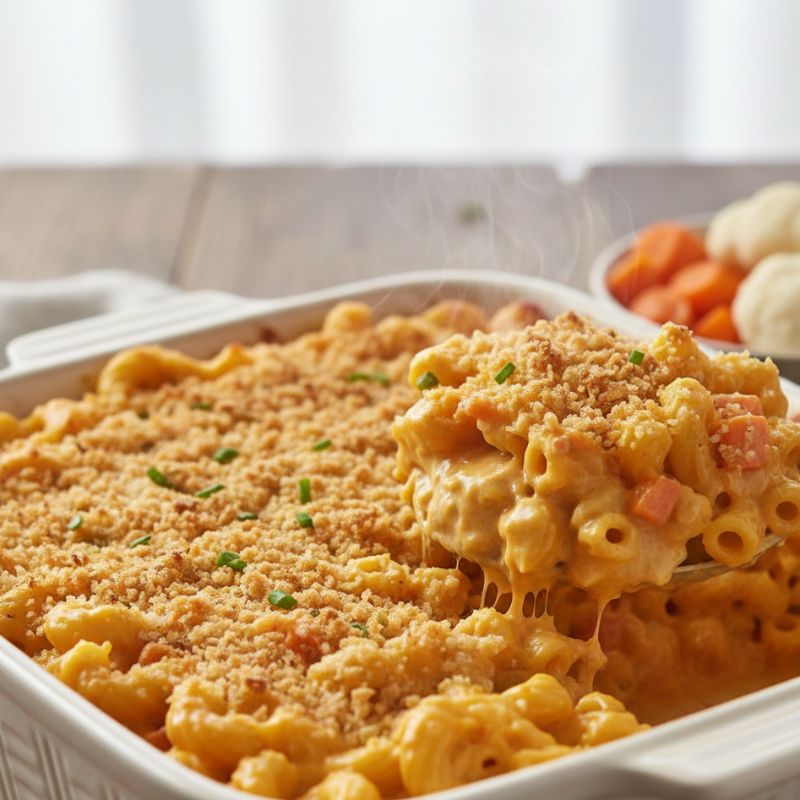
Pureed carrots or cauliflower melt into the cheese sauce without altering taste.
Why it feels safe:
- Mac and cheese is a safe, comfort food.
Nutritional benefit: Adds vitamins and fiber without changing texture.
9. Mini Meatball Pops
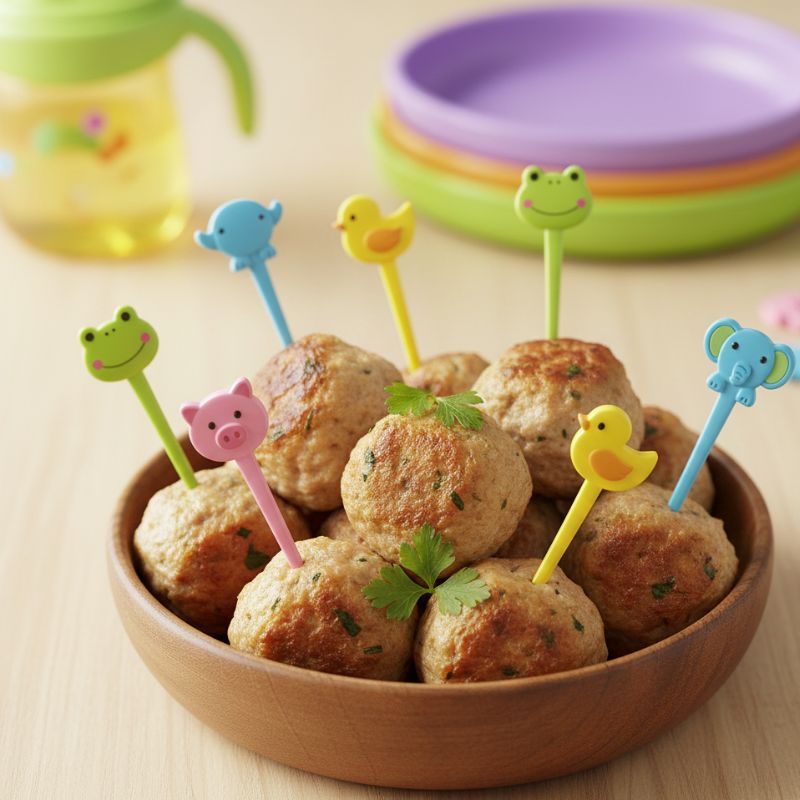
Small chicken or turkey meatballs served on toothpick-style sticks (age-appropriate supervision required).
Why kids accept it:
- Eating with hands feels playful and independent.
Nutritional benefit: Lean protein supports muscle growth.
10. Yogurt Bark with Fruit Shapes
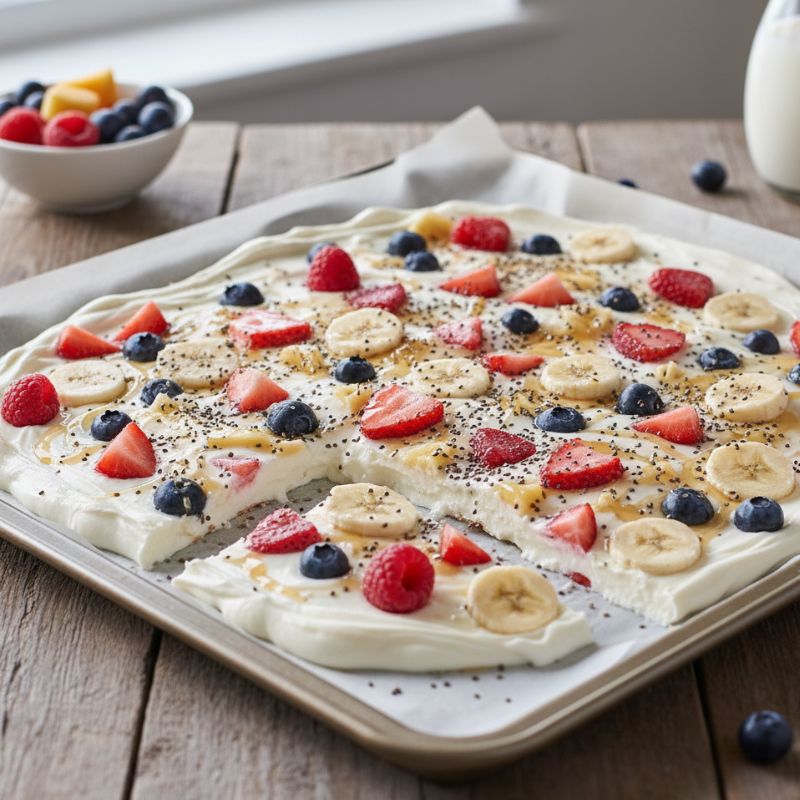
Frozen yogurt spread thin and topped with strawberries or bananas feels like dessert.
Why it doesn’t trigger resistance:
- It looks like a treat, not a meal.
Nutritional benefit: Yogurt provides calcium and probiotics.
11. Rice Balls with Hidden Veggies
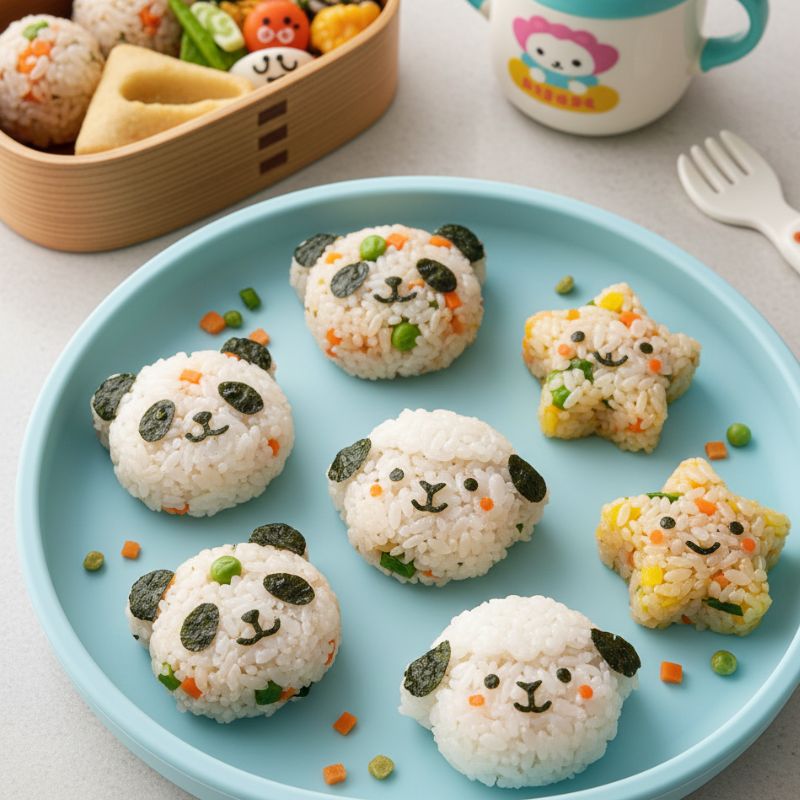
Rice mixed with finely chopped vegetables and shaped into animals or stars.
Why texture matters here:
- Soft texture and fun shapes reduce resistance.
Nutritional benefit: Combines carbohydrates with micronutrients.
12. Baked Apple & Carrot Oat Bars
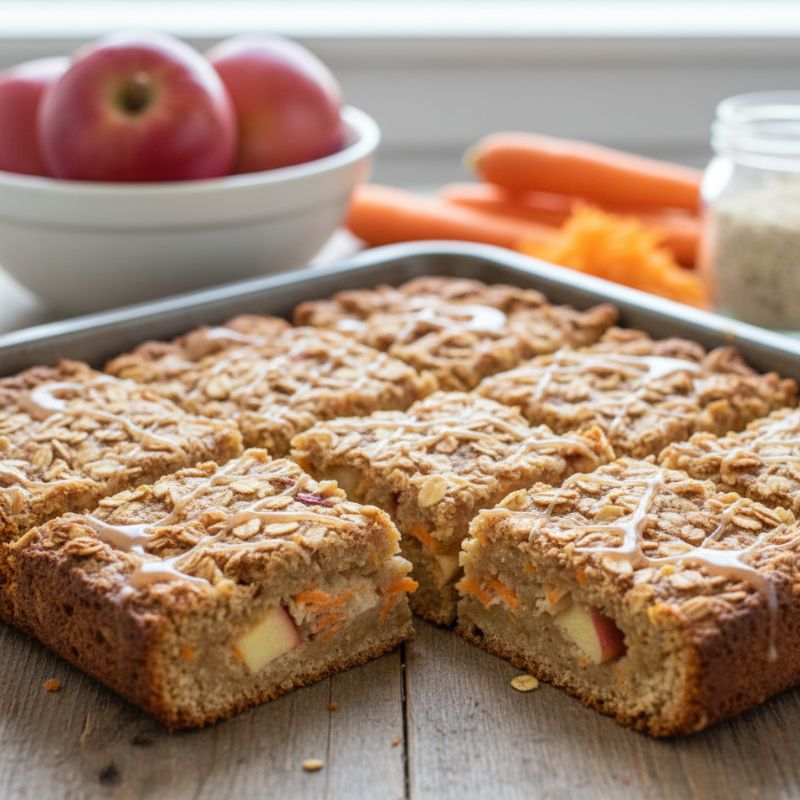
Soft, lightly sweet, and easy to hold, these baked oat bars introduce vegetables in a way that feels more like a snack than a meal.
Why flavor leads the way:
- The apple’s natural sweetness takes the lead, while the oats provide a soft, comforting texture toddlers already recognize.
Nutritional benefit: Carrots support vision and immune health, while oats add fiber that helps keep little tummies satisfied.
13. Quesadilla Faces
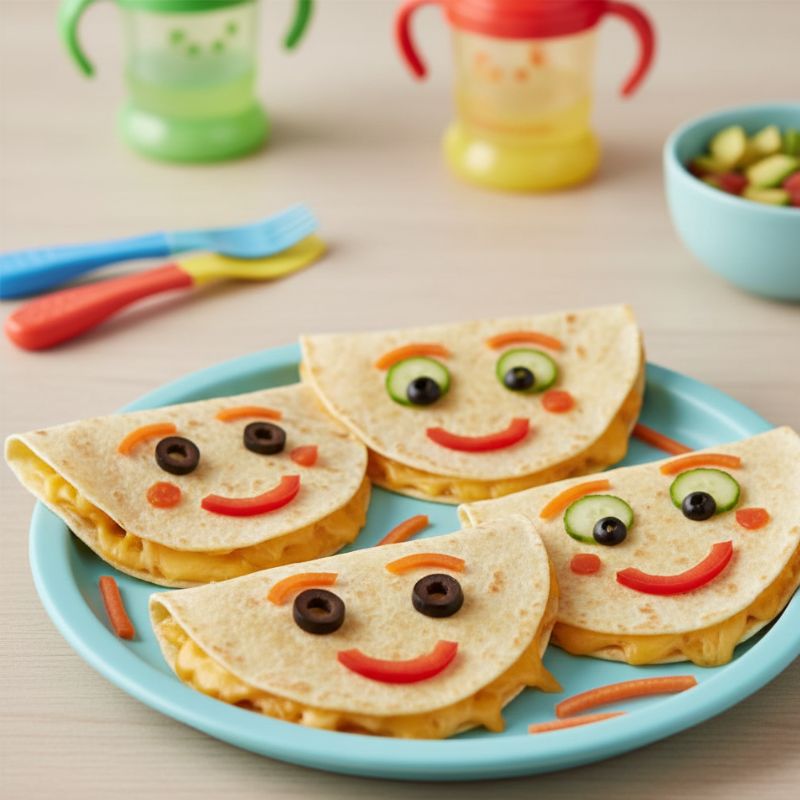
Cheese quesadillas decorated with veggie eyes and smiles. Cook them and add the topping with the help of your kids.
Why kids accept it:
- Kids are more likely to eat food they helped decorate.
Nutritional benefit: Provides calcium and protein.
14. Fruit & Yogurt Parfait Cups
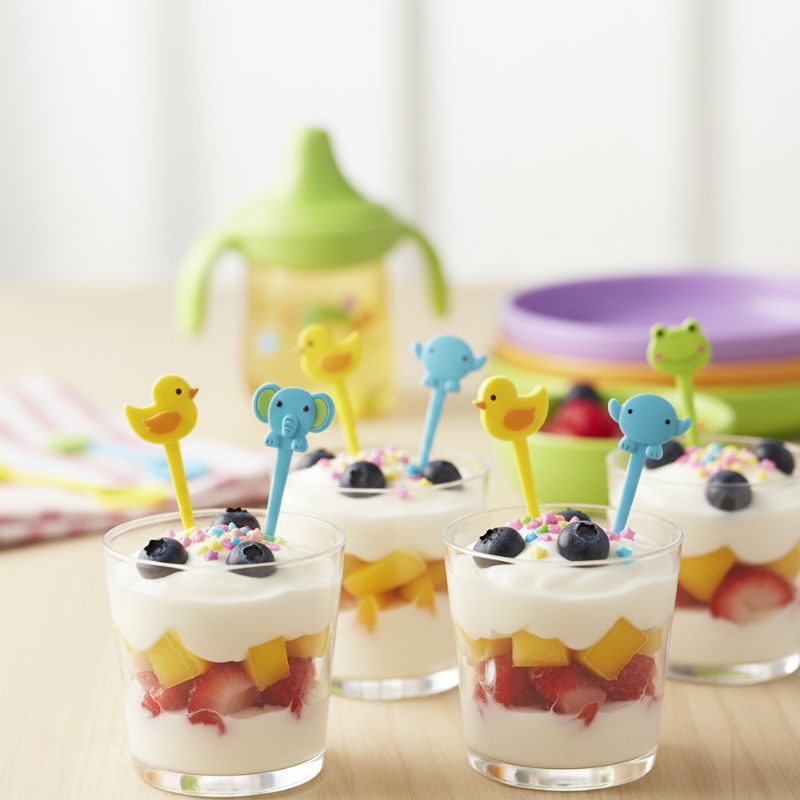
Layering yogurt and fruit allows children to see each ingredient. Believe me, they love it; I love it.
Why visual control reduces stress:
- Visual control reduces anxiety.
Nutritional benefit: Balanced mix of protein, fiber, and vitamins.
15. Mini Waffle Sandwiches
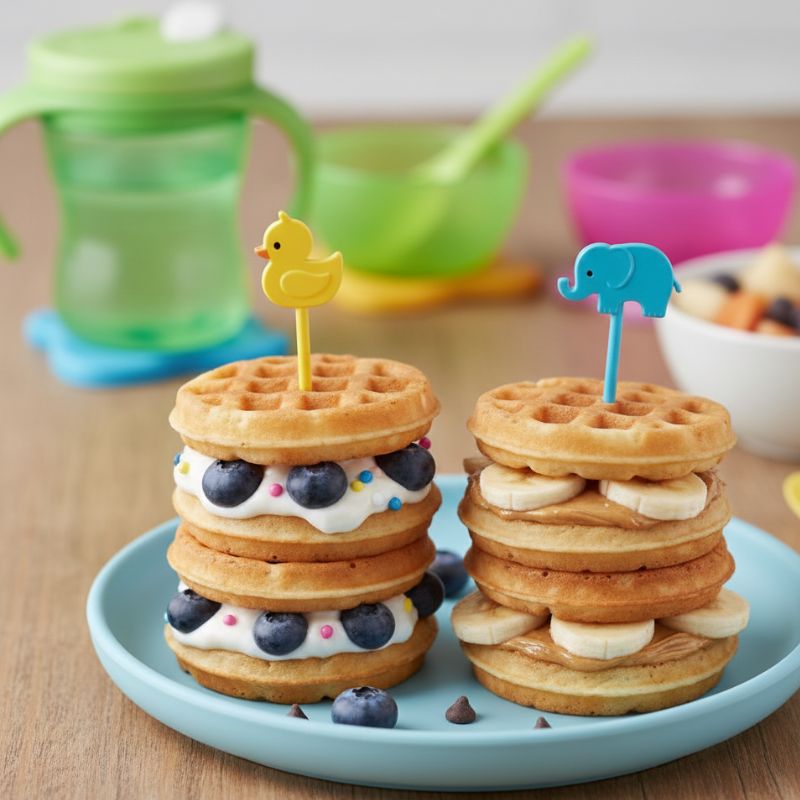
Waffles filled with yogurt or peanutnut butter.
Why kids accept it:
- Sweet appearance with familiar texture.
Nutritional benefit: Balanced energy from carbs and fats from the peanut butter and berry toppings.
Tips to Introduce These Foods Without Resistance
- Always serve new foods next to a safe food
- Keep portions very small
- Don’t ask “Do you want this?”, simply place it on the plate
- Let children touch, smell, or explore food first
Consistent routines help reduce mealtime resistance during toddler years. Predictable meal schedules make children feel safer and more willing to try new foods, as explained in these seven steps for consistent parenting routines.
Common Mistakes Parents Make With Picky Eaters
- Pressuring bites
- Using dessert as a reward
- Replacing meals with constant snacks
- Showing frustration at the table
When parents are overwhelmed or exhausted, mealtime pressure tends to increase. Addressing parental stress is just as important as changing what’s on the plate, which is why even small moments of self-care can make a difference for families.
When Refusing to Eat Is Still Normal (and When It’s Not)
Food refusal is normal unless accompanied by:
- Weight loss
- Extreme rigidity
- Delayed growth
Active play during the day can naturally support appetite regulation in young children. Simple movement-based activities, like toddler-friendly obstacle courses, can help balance energy levels and hunger cues.
The Bottom Line: Reduce Mealtime Stress with These Food Ideas for Toddlers
If there’s one thing I want you to take away from this, it’s this: your child doesn’t need perfect meals; they need calm, consistency, and creativity. Picky eating at ages 2–5 is a phase, not a failure, and small changes in how food looks can make a big difference over time.
So instead of focusing on how much your child eats today, ask yourself this:
Which one fun, low-pressure food could I try this week to make mealtime feel easier for both of us?

Hi I’m Ana. I’m all about trying to live the best life you can. This blog is all about working to become physically healthy, mentally healthy and financially free! There lots of DIY tips, personal finance tips and just general tips on how to live the best life.
Leave a Reply