
Last year, I met a mom at the gym who was doing hour-long workouts five days a week, and barely seeing results. She wasn’t lazy or inconsistent; she simply didn’t know which exercises that burn the most calories were actually right for her body weight. Like many of us, she was working hard but not necessarily working smart.
Have you ever wondered if the workout you’re doing is truly the most efficient use of your limited time? Between work deadlines, family responsibilities, and everything in between, guessing isn’t a strategy. You deserve clarity, not confusion.
If you’re between 25 and 45 and trying to maximize results, understanding calorie burn isn’t optional; it’s essential. The number of calories you burn varies based on your weight, intensity, and activity level. Today, we’re breaking it down clearly so you can make smarter decisions.
Remember, calorie consumption isn’t the only thing you should care about. When it comes to weight loss, effort to perform an exercise and the amount of muscle you’ve built come to play an important real towards that goal.
However, if calorie burning is what you’re looking for, this guide is just the right fit for you.
How Calorie Burn Really Works
Calories burned during exercise are estimated using METs (Metabolic Equivalent of Task), a standardized measure from the Compendium of Physical Activities.
1 MET = energy used at rest.
An activity rated at 10 METs burns 10 times your resting energy expenditure.
Calorie burn increases with:
- Body weight
- Intensity
- Duration
- Muscle mass involved
That’s why someone weighing 170 lb burns more calories doing the same workout than someone weighing 110 lb; it requires more energy to move a larger mass.
To make this practical, we’ll compare calorie burn per hour for:
- 100–120 lb
- 120–150 lb
- 150–180 lb
Calorie Comparison Table Format
| Exercise | Intensity | 100–120 lb | 120–150 lb | 150–180 lb |
| Example | High | 500 kcal/hr | 600 kcal/hr | 750 kcal/hr |
1. Running (6 mph – 10-minute mile pace)

Why does it burn so much?
Running at 6 mph is approximately 9.8–10 METs. It recruits large muscle groups continuously.
Calories burned per hour:
- 100–120 lb: 600–660 kcal
- 120–150 lb: 720–810 kcal
- 150–180 lb: 900–1,050 kcal
Maximize burn: Add intervals or hills.
Safety: Build mileage gradually to avoid shin splints or knee stress.
If you’ve struggled to stick with running in the past, check out my guide on 10 Tips That Help You Actually Like Running to make it more sustainable and enjoyable.
2. Jump Rope (Vigorous)
MET value: 12 METs
Full-body explosive movement quickly elevates heart rate.
Calories burned:
- 100–120 lb: 600 kcal
- 120–150 lb: 720 kcal
- 150–180 lb: 840–900 kcal
Tip: Start with 30-second rounds if you’re a beginner.
Joint caution: Avoid on hard concrete surfaces.
3. Swimming (Vigorous Freestyle)

MET value: 8–11, depending on stroke.
Water resistance increases energy demand while remaining joint-friendly.
Calories burned:
- 100–120 lb: 500 kcal
- 120–150 lb: 600–690 kcal
- 150–180 lb: 750–900 kcal
Butterfly stroke can burn even more.
4. HIIT (High-Intensity Interval Training)
HIIT alternates maximal-effort bursts with short recovery intervals.
Research shows it can elevate EPOC (Excess Post-Exercise Oxygen Consumption), increasing post-workout burn.
Calories burned per hour equivalent:
- 100–120 lb: 450–550 kcal
- 120–150 lb: 540–660 kcal
- 150–180 lb: 675–825 kcal
Example:
30 sec sprint + 60 sec walk × 15 rounds.
If you prefer training at home, here are 10 budget-friendly home gym essentials to build a high-calorie workout setup without overspending.
5. Rowing (Vigorous Effort)

Engages the upper and lower body simultaneously.
Calories burned:
- 100–120 lb: ~480 kcal
- 120–150 lb: ~576 kcal
- 150–180 lb: 720–840 kcal
Tip: Maintain proper hip hinge form.
Because boxing engages the shoulders, triceps, and back, you can complement it with these home exercises to build toned arms and improve definition.
6. Hiking (Steep Terrain)
Inclines increase mechanical workload.
Calories burned:
- 100–120 lb: 350–450 kcal
- 120–150 lb: 420–540 kcal
- 150–180 lb: 525–675 kcal
Add a light backpack for progression.
7. Cycling (>16 mph)
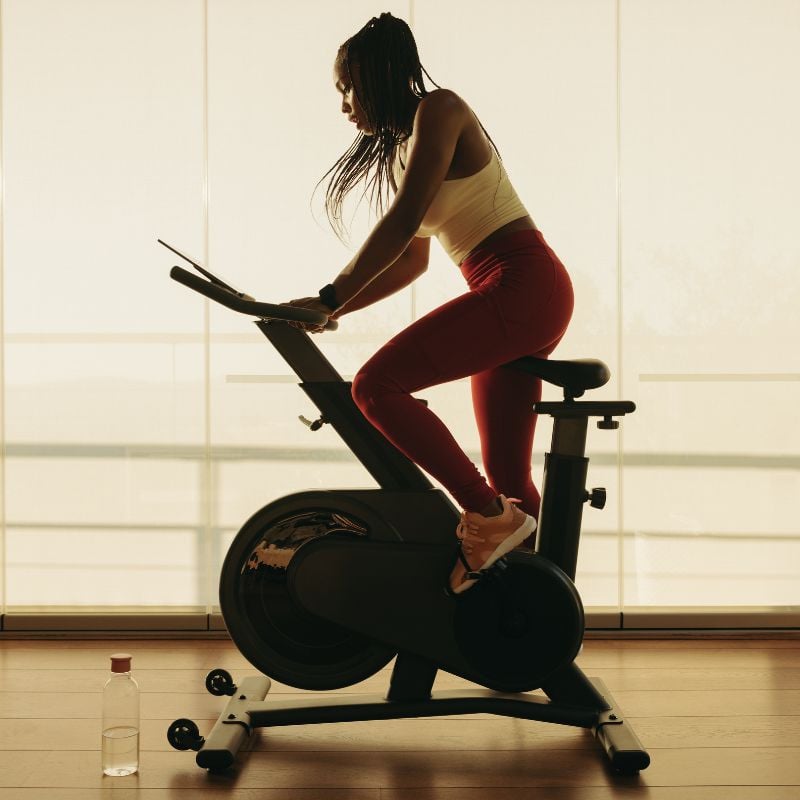
MET: ~10–12
Calories burned:
- 100–120 lb: ~560 kcal
- 120–150 lb: ~672 kcal
- 150–180 lb: 840–1,000 kcal
Indoor spin classes can match this output.
8. Stair Climbing / Step Mill
Vertical work increases gravitational demand.
Calories burned:
- 100–120 lb: 450–550 kcal
- 120–150 lb: 540–660 kcal
- 150–180 lb: 675–825 kcal
9. CrossFit-Style Circuit Training

High-rep strength + cardio intervals.
Calories burned:
- 100–120 lb: 400–500 kcal
- 120–150 lb: 480–600 kcal
- 150–180 lb: 600–750 kcal
Also builds lean muscle and increases resting metabolism.
If you’re new to strength training, start with my Beginner’s Guide to Weight Training to build a safe foundation before increasing intensity.
10. Boxing / Kickboxing
Continuous upper and lower body engagement.
Calories burned:
- 100–120 lb: 500 kcal
- 120–150 lb: 600–720 kcal
- 150–180 lb: 750–900 kcal
11. Competitive Sports (Soccer / Basketball)

Stop-and-go sprinting elevates average intensity.
Calories burned:
- 100–120 lb: 450–550 kcal
- 120–150 lb: 540–660 kcal
- 150–180 lb: 675–825 kcal
Side-By-Side Comparison Snapshot
Running, cycling, and jump rope consistently rank at the top across all weight groups.
Heavier individuals burn 200–400 more calories per hour compared to lighter individuals performing the same activity.
How To Use This Information
For Weight Loss
Studies recommend 150–300 minutes of moderate-intensity activity per week.
A 150 lb individual running 3 hours weekly could burn 2,100–2,400 calories, roughly equivalent to 0.5–0.7 lb of fat (1 lb ≈ 3,500 kcal).
For Busy Professionals (25–44)
- Choose high MET activities (≥9 METs)
- Use intervals for time efficiency
- Combine 2 cardio + 2 strength sessions weekly
For Beginners
Start with moderate intensity and progress slowly.
If your biggest challenge is scheduling consistency, read How to Find Time to Work Out When You Have No Time for practical strategies.
Safety & Injury Prevention
Burning more calories is great, but staying injury-free is even more important. A smart workout plan protects your joints and muscles and supports long-term consistency.
Here’s how to train safely:
- Warm up for 5–10 minutes. Start with light cardio (brisk walking, cycling, jumping jacks) to increase blood flow and prepare your muscles.
- Cross-train during the week. Rotate activities (run one day, cycle another, strength train another) to reduce the risk of overuse injuries.
- Listen to early warning signs. Sharp pain, swelling, or persistent soreness are not “normal.”
- Check with a healthcare provider before starting high-intensity workouts if you have heart conditions, joint issues, or chronic illnesses.
If you experience knee discomfort, these best knee strengthening exercises can help protect your joints while maintaining high calorie output.
Frequently Asked Questions
Which exercise burns the most calories in the shortest time?
- Sprinting intervals and vigorous running rank highest per minute.
Does weight really matter?
- Yes. Larger mass = higher energy expenditure.
Should I ignore strength training?
- No. Resistance training increases lean muscle mass, which raises the resting metabolic rate over the long term.
Final Thoughts on These Exercises That Burn the Most Calories
The truth is simple: not all workouts burn calories equally, and not all bodies burn calories at the same rate. Even among the exercises that burn the most calories, your results will vary depending on your weight, intensity, and consistency.
If you weigh 110 lb, your calorie output will differ significantly from someone weighing 170 lb doing the exact same workout. But the real key isn’t just choosing from the list of exercises that burn the most calories; it’s choosing one you can sustain week after week.
Because the most effective fat-burning workout isn’t just the one that tops a chart, it’s the one you’ll still be doing six months from now. Now that you understand how exercises that burn the most calories compare across body weights, which of these 11 will you commit to this week?

Hi I’m Ana. I’m all about trying to live the best life you can. This blog is all about working to become physically healthy, mentally healthy and financially free! There lots of DIY tips, personal finance tips and just general tips on how to live the best life.
Leave a Reply