
Dealing with breakouts as an adult can feel overwhelming and frustrating, especially when you’ve tried countless products, routines, and treatments without lasting results. It’s usually in that moment of desperation that many begin to wonder about birth control pills for acne and whether they could finally be the solution they’ve been searching for. But do they really work, or is it just another promise that leads to disappointment?
For many women, acne isn’t just about skin; it affects confidence, self-esteem, and even social comfort. It’s emotionally draining to feel like you’re doing everything right and still wake up to painful breakouts.
And if you’ve ever looked in the mirror and asked yourself, “Why is this still happening to me?”, you’re definitely not alone.
So today, let’s talk openly and honestly about the real question behind the confusion: Can birth control pills actually help prevent acne, when is their use recommended, and when is it not? And most importantly, how do you know if they’re the right option for you?
Can birth control pills be used to prevent acne, and should they?
Let’s break it down with real medical science, credible evidence, and practical guidance you can actually use.
What Exactly Is Acne and Why Does It Happen?
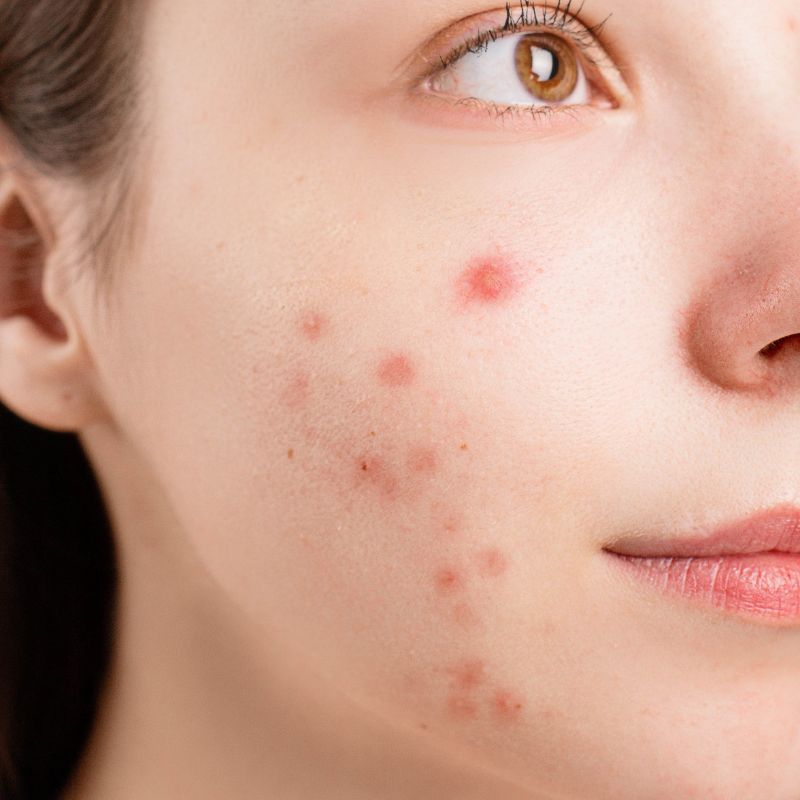
Acne is an inflammatory skin condition caused by a combination of:
- Excess oil (sebum) production
- Clogged pores
- Bacterial growth
- Inflammation
- Hormonal fluctuations
While acne is often labeled a “teenage problem,” experts confirm that up to 50% of women experience acne well into adulthood. Adult acne frequently appears on the jawline, chin, neck, cheeks, chest, and back, areas most influenced by androgens (sex hormones such as testosterone).
When androgen levels rise, or when your skin becomes more sensitive to them, the sebaceous glands produce extra oil, triggering breakouts.
If you suspect your breakouts may be hormonal, you might find it helpful to read about the signs of a hormonal imbalance to understand better what could be happening inside your body.
So, where do birth control pills fit into this?
Can Birth Control Pills Help Prevent or Reduce Acne?
The short answer: Yes, certain types of birth control pills can help prevent and reduce acne.
But only specific hormonal formulations, and only under medical supervision.
How they work scientifically
Combined hormonal birth control pills contain estrogen + progestin, which help acne by:
- Increasing SHBG (Sex Hormone-Binding Globulin)
This reduces the amount of free testosterone that can stimulate oil glands.
- Lowering androgen production
In both ovaries and adrenal glands.
- Reducing sebum (oil) production
Making skin less reactive and less oily.
Scientific Evidence:
An extensive review examining 31 clinical trials and over 12,579 women confirmed that combined oral contraceptives significantly improve both inflammatory and non-inflammatory acne lesions.
Another study reported that 32 randomized controlled trials found that oral contraceptives reduced acne lesions by about 55% after 6 months of treatment, showing similar effectiveness to oral antibiotics. At six months, outcomes between the two treatments were statistically equivalent.
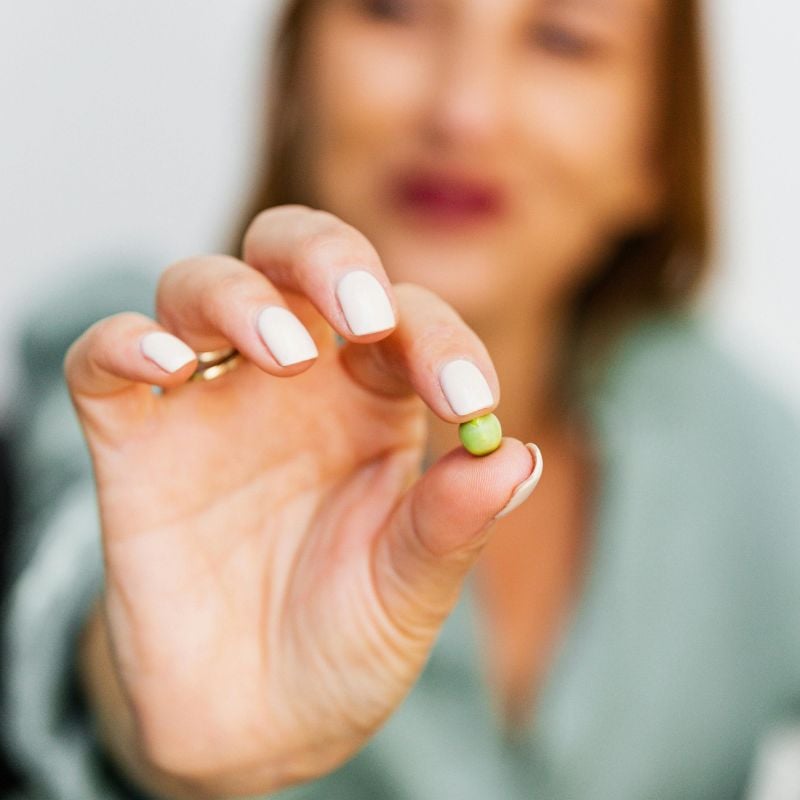
But results take time
Expect changes after 8–12 weeks, with full improvement typically around 3–6 months.
Why Some Birth Control Pills Can Actually Make Acne Worse
Before choosing a pill, it’s essential to understand one key fact: not all birth control pills work the same way, and some can even trigger more breakouts instead of reducing them. The type of hormone inside each pill makes all the difference.
How Different Birth Control Pills Affect Acne
Not every pill behaves the same way, and depending on its hormonal structure, it can either improve or worsen breakouts. Here’s a simple breakdown:
- Combined pills (estrogen + progestin)
Often, the most effective options for hormonal acne help lower androgen levels and reduce oil production. - Progestin-only pills (mini-pill)
May worsen acne in many women since they don’t contain estrogen and can overstimulate the sebaceous glands. - Pills containing androgenic progestins
It can lead to increased breakouts because it behaves similarly to testosterone in the body.
Some progestins mimic testosterone, triggering more oil and inflammation.
Which Birth Control Pills Are Usually Recommended for Acne?
Dermatologists often recommend combined oral contraceptives with anti-androgenic progestins, since they help control hormones linked to excess oil production.
Progestin types commonly used for acne support:
- Drospirenone — strong anti-androgenic effect.
- Cyproterone acetate — helps reduce androgen production.
- Chlormadinone acetate — low androgenic activity.
Many experts also prefer monophasic pills, which deliver a consistent hormone dose and can be easier for the body to tolerate.
Important: The right pill varies from person to person; only a doctor can determine the safest option.
You may also like: 10 Cheap DIY Face Masks for Clean Skin.
How Should Birth Control Pills Be Used for Acne Treatment?
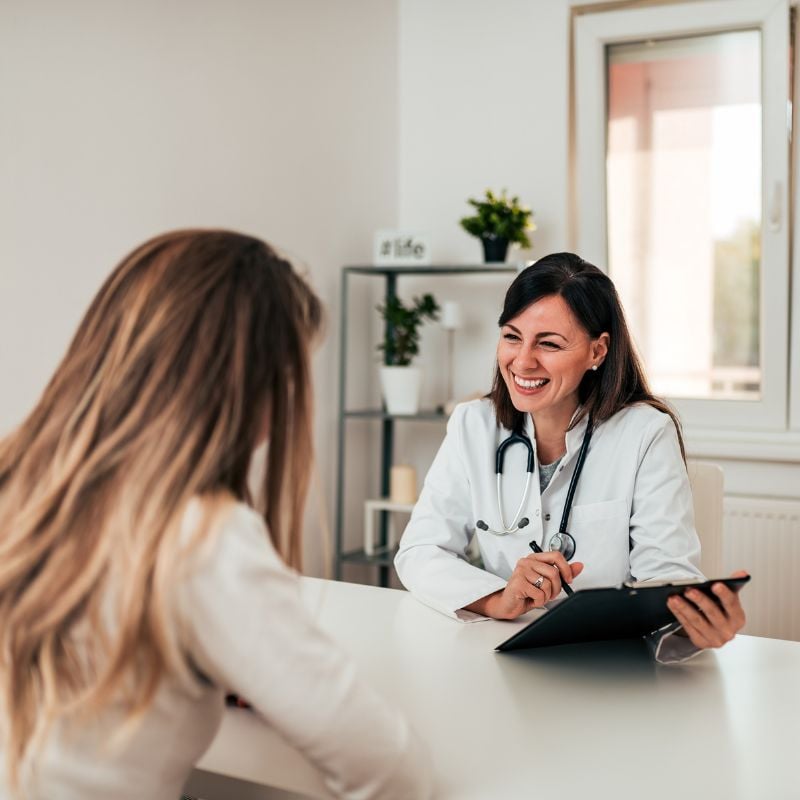
Only under medical supervision, never self-medicate.
A safe process usually involves:
1. Medical evaluation
- Hormonal history
- Acne pattern assessment
- Risk factor screening
2. Determining whether acne is hormonal
- Worsens around the menstrual cycle?
- Located mainly on the jaw and chin?
3. Choosing the right pill and dosage
- Ask your dermatologist what should be the right type and dosage for you to start treating your acne breakouts.
4. Monitoring after 2–3 months
- Take a picture of yourself with good illumination every night so you can track progress.
5. Long-term planning and dermatology support if needed
- Using a pill on your own, swapping brands with a friend, or buying without evaluation can be dangerous and even lead to severe complications.
Who Is a Good Candidate?
Birth control pills may be appropriate for:
- Women with persistent hormonal acne
- Women who also need contraception
- Those who have not responded to topical or oral acne medications
Who should avoid them
Birth control pills are not recommended for:
- Women over 35 who smoke
- Individuals with a history of blood clots
- Uncontrolled hypertension
- Migraines with aura
- Liver disease
- Breast cancer or other hormone-dependent cancers
Possible Side Effects
Some common effects include:
- Breast tenderness
- Nausea
- Mood swings
- Spotting or irregular periods
- Increased risk of blood clots
These are why medical follow-up is critical.
What Happens When You Stop the Pill?
If hormones return to their previous levels, acne may recur.
That’s why dermatologists recommend supporting skincare, such as:
- Gentle cleansers
- Non-comedogenic moisturizers
- Retinoids (like adapalene)
- Benzoyl peroxide
- Lifestyle changes, sleep & stress management
If you’re planning to transition off birth control, supporting your skin with a gentle reset can be helpful. This 7-step skin detox routine is a great place to start.
Alternatives When Birth Control Pills Are Not an Option
- Spironolactone (hormonal blocker, not a contraceptive)
- Topical retinoids
- Oral antibiotics
- Benzoyl peroxide
- Isotretinoin (for severe cystic acne)
For a simple, affordable approach to supporting your skin, explore these 10 budget skincare tips to help you maintain healthy skin as part of your long-term routine.
And nutrition can also make a noticeable difference in skin clarity, so consider adding some of these foods that help your skin glow to your daily meals.
Frequently Asked Questions
Can men take birth control pills for acne?
- No. Hormone composition is unsafe and inappropriate for male physiology.
Will birth control cure acne permanently?
- Not always. It manages symptoms but doesn’t remove the underlying cause.
Can I combine birth control with other acne treatments?
- Yes — dermatologists often do for better results.
How soon will I see improvements?
- Usually 2–3 months, sometimes longer.
Final Takeaway — Should You Use Birth Control Pills for Acne?
Yes, certain combined hormonal birth control pills can help prevent and reduce acne, especially when breakouts are hormonally driven. They are clinically supported, and many women experience meaningful improvement with the correct prescription.
But they are not suitable for everyone, can have risks, and should never be taken without medical supervision. Self-medication is strongly discouraged under any circumstance; your skin deserves professional guidance, and so does your health.
And suppose you want to support clearer skin naturally alongside medical guidance. In that case, you may find it helpful to explore foods for hormonal balance as part of a holistic approach to acne care.
So let me ask you…
Do you think your acne might be connected to your hormones, and is it time to talk with your doctor about it?

Hi I’m Ana. I’m all about trying to live the best life you can. This blog is all about working to become physically healthy, mentally healthy and financially free! There lots of DIY tips, personal finance tips and just general tips on how to live the best life.
Leave a Reply