
Last month, I was standing in the supplement aisle, staring at a wall filled with creatine, monohydrate, HCl, buffered, nitrate, and chelated, trying to make sense of the Types of Creatine and Their Uses. Suddenly, I felt like I was choosing between alien formulas instead of a simple fitness supplement.
I wasn’t the only one feeling lost. A woman next to me picked up a purple bottle, sighed, and whispered, “Why are there so many? Which one actually works?”
I smiled, because I’ve been exactly where she was, excited to get stronger, boost energy, and build muscle, but completely overwhelmed by conflicting advice and hundreds of options that all promise the same results.
Creatine is one of the most studied and trusted sports supplements in the world. Yet millions of people still feel confused, skeptical, or even intimidated by it. And maybe you’ve wondered the same thing:
Is creatine really worth taking, and how do I know which type is best for my goals?
Suppose you’ve found yourself scrolling through endless social media posts and “expert” opinions. In that case, some insist creatine monohydrate is the only real option; others promote flashy new formulas as miracle solutions. Please know you’re not alone.
That’s exactly why I created this guide.
Before we start, remember to check out the best supplements for women over 30 that you can’t miss before the big 4-0.
What Creatine Does in the Body
Creatine is a compound naturally produced in the liver, kidneys, and pancreas from the amino acids arginine, glycine, and methionine. According to research, about 95% of it is stored in skeletal muscle, where it fuels explosive energy production.
Creatine supports the ATP-PCr energy system, the body’s fastest way to regenerate ATP, the fuel required for muscle contractions during high-intensity movements like sprinting, weightlifting, jumping, and HIIT.
Why Creatine Supplementation Helps

Creatine is proven to:
- Increase muscular strength and power
- Boost lean muscle mass
- Improve recovery and reduce muscle fatigue
- Enhance high-intensity performance
- Support brain energy metabolism and cognitive function
- Benefit older adults facing age-related muscle loss (sarcopenia)
A study found that creatine supplementation increases maximal strength performance by 5–15%, improves sprint ability by 5–15%, and raises muscle creatine content by 10–40%.That means noticeable real-world changes, not hype.
Creatine is beneficial for:
- Beginners wanting stronger workouts
- Vegans/vegetarians (who consume less creatine naturally due to minimal animal protein intake)
- Men and women over 40 concerned about muscle loss and performance
- Athletes and gym-goers seeking better strength and hypertrophy
- People who want faster recovery and higher energy availability
To maximize results, combine creatine with a high-protein diet that supports muscle repair and growth—discover options here: High-Protein, Low-Calorie Foods for Muscle Growth.
The 5 Main Types of Creatine and Their Uses: What They’re Used For & How to Take Them
1. Creatine Monohydrate
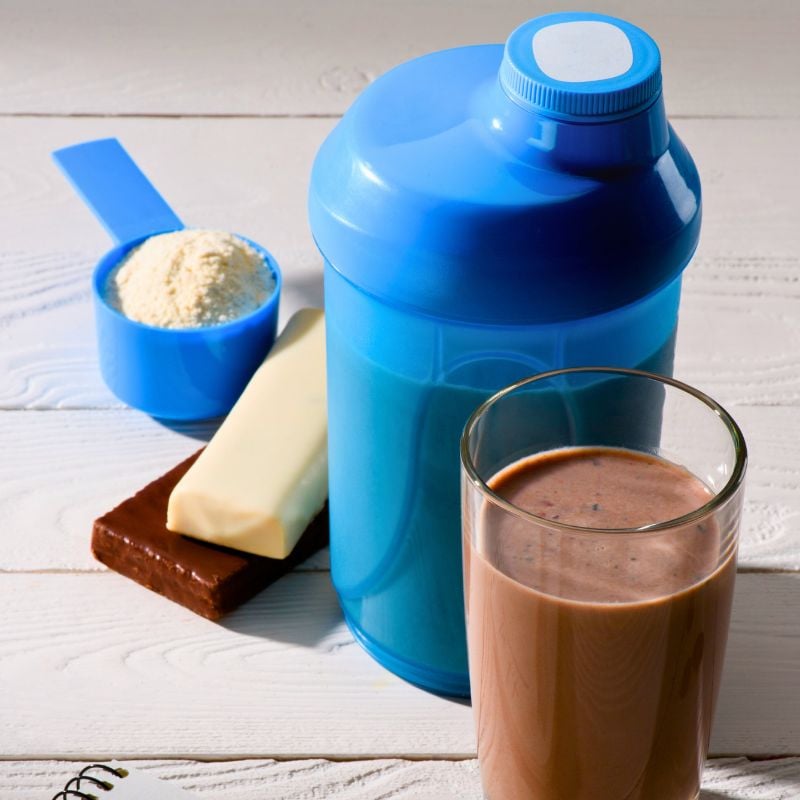
What It Is
Creatine monohydrate is the original and most researched form of creatine. It’s made of a single creatine molecule bonded with water.
What It’s Used For
- Increasing strength and power
- Supporting muscle hypertrophy
- Improving recovery between sets
- Enhancing high-intensity performance
It is the gold standard, recommended by the ISSN and most sports scientists due to its safety and effectiveness.
How to Take It
- Daily dose: 3–5 g per day
- Optional loading phase: 20 g/day for 5–7 days (4 doses of 5 g), then 3–5 g/day to maintain
- Take anytime, preferably with food or post-workout, which may improve absorption⁵
Best For
- Beginners, budget-conscious users, and anyone wanting the most scientifically supported choice.
If your goal is building muscle to accelerate fat loss, you may also want to read: Build Muscle to Lose Weight.
2. Creatine Hydrochloride (HCl)
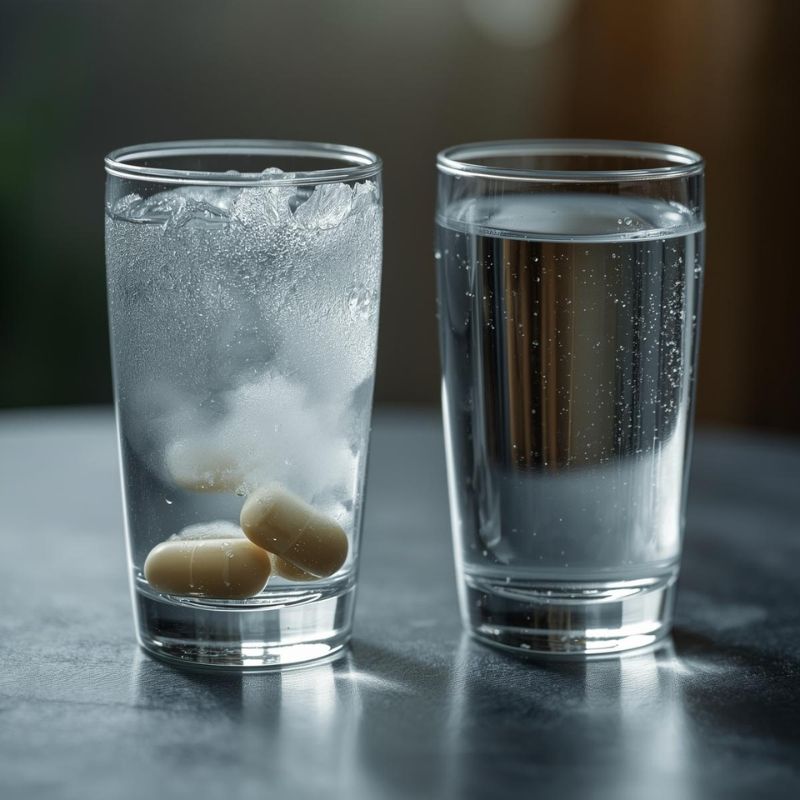
What It Is
Creatine bound with hydrochloride, which increases solubility in water and improves digestibility.
What It’s Used For
- Ideal for people who experience stomach discomfort or bloating with monohydrate
- Popular among individuals wanting minimal water retention
Research suggests HCl dissolves more efficiently than monohydrate, which may reduce digestive stress.
How to Take It
- Daily dose: 1–2 g per day
- Take with a meal or directly before training
Best For
- Sensitive stomachs, easy mixing, low liquid volume intake
3. Buffered Creatine (Kre-Alkalyn)
What It Is
Creatine is processed at a higher pH to reduce its conversion into creatinine (a waste product).
What It’s Used For
- Designed to be easier on digestion
- Intended for users who dislike water retention or loading phases
Existing research shows no substantial evidence that alternative creatine forms outperform monohydrate in strength gains. Anecdotally, some users report better digestive comfort with alternative forms.
How to Take It
- 1.5–3 g daily
- No loading phase required
Best For
- Those wanting gentler digestion and lower dosage requirements
4. Creatine Nitrate
What It Is
Creatine bonded with nitrate to support nitric oxide production.
What It’s Used For
- Strength + endurance performance
- Better muscle pumps, blood flow, and oxygen delivery
- Often found in pre-workouts
According to research, there is no scientific evidence that short- or long-term use of creatine monohydrate causes harm in otherwise healthy people.
How to Take It
- 2–3 g daily, ideally 30 minutes before training
Best For
- Workout pump lovers, endurance athletes, pre-workout users
5. Magnesium Creatine Chelate
What It Is
Creatine bound with magnesium, a mineral essential for muscle contraction.
What It’s Used For
- Improving strength performance and cellular energy
- Potentially reducing water retention side effects
- Supporting individuals with low magnesium levels
How to Take It
- 2–3 g daily, ideally with meals
Best For
- Those sensitive to bloating or fluid retention
How to Choose the Right Type for Your Goals
Safe & Effective Use of Creatine
1. Hydration Matters

Creatine increases water storage in muscle, so drinking enough daily water prevents dehydration and cramping. Hydration is essential when supplementing with creatine to support absorption and reduce potential side effects such as cramping or headaches.
Learn more about the power of proper hydration here: The Importance of Staying Hydrated.
2. Consistency Over Timing
Taking creatine every day matters far more than when. Store saturation is what drives results.
3. Look for Third-Party Testing
Choose supplements tested by:
- NSF Certified for Sport
- Informed-Sport
- USP Verified
4. Creatine is Safe for Healthy Individuals
Research confirms creatine is safe long-term for healthy kidneys and livers.
However, avoid use if:
- You have kidney disease
- You’re pregnant or breastfeeding (limited research)
- You take diuretics or nephrotoxic medication
Always consult a healthcare provider for medical conditions. If you’re interested in supporting long-term organ health while supplementing safely, you may also benefit from reading: Foods to Support Kidney Health.
Final Takeaway: Understanding the Types of Creatine and Their Uses
Creatine is one of the few supplements genuinely backed by decades of research and real results, not marketing hype. Whether your goal is more strength, better recovery, or improved energy during workouts, understanding the Types of Creatine and Their Uses helps you choose the one that best fits your needs and lifestyle.
Creatine monohydrate remains the gold standard because of its strong scientific support, impressive safety record, and effectiveness. However, forms like HCl, buffered creatine, nitrate creatine, and magnesium creatine chelate can be helpful alternatives for people who prioritize digestion comfort, reduced bloating, or enhanced pump performance.
At the end of the day, the best type of creatine is the one you’ll take consistently, paired with a solid training plan, sufficient protein, hydration, and patience.
If consistency has been difficult in your fitness journey, this article may help you build stronger routines: 10 Common Habits Sabotaging Weight Loss.
So now that you understand the differences clearly…
Which type of creatine do you think fits your goals best: strength, stomach comfort, or better pump performance?

Hi I’m Ana. I’m all about trying to live the best life you can. This blog is all about working to become physically healthy, mentally healthy and financially free! There lots of DIY tips, personal finance tips and just general tips on how to live the best life.
Leave a Reply