

I find myself constantly thinking about me walking down a bustling street in Philadelphia, the aroma of sizzling beef, onions, and melted cheese wafting through the air, pulling you toward a small shop with a line out the door. That’s the allure of the Philly Cheesesteak—a sandwich that has become synonymous with comfort and flavor.
The first time I tried a Philly Cheesesteak was on a road trip with my husband. We stumbled upon a tiny, unassuming spot in South Philly. One bite into the warm, cheesy, beefy goodness, and I knew this was something special. Ever since, I’ve been on a mission to recreate that perfect sandwich at home.
In this recipe, I’ll share everything I’ve learned about making an authentic Philly Cheesesteak, from selecting the best ingredients to perfecting the cooking technique, ensuring you can bring this iconic sandwich into your kitchen with confidence.

Philly Cheesesteak Sandwich Recipe
If you have read any of my other recipes, I like to go deep into the basics of each one of them. So, if you don’t mind, I’d like to tell you a little more of how this American dish came to life.
The Origins
The Philly Cheesesteak was born in the 1930s when Pat Olivieri, a hot dog vendor in South Philadelphia, decided to grill some beef and onions for a sandwich. A passing cab driver caught a whiff and requested one for himself, and just like that, a legend was born. The sandwich quickly became a staple in Philadelphia, gaining popularity for its simplicity and bold flavors.
Today, the Philly Cheesesteak is more than just a sandwich; it’s a symbol of Philadelphia’s rich culinary heritage. From local debates about the best cheesesteak shop to annual festivals dedicated to this beloved sandwich, it has cemented its place in American food culture.
Variations: While the classic Philly Cheesesteak consists of thinly sliced ribeye, melted cheese, and sautéed onions, there are numerous regional variations. Some prefer the addition of bell peppers, mushrooms, or different cheeses, but purists often insist that simplicity is key.
Choosing The Right Ingredients
The Beef
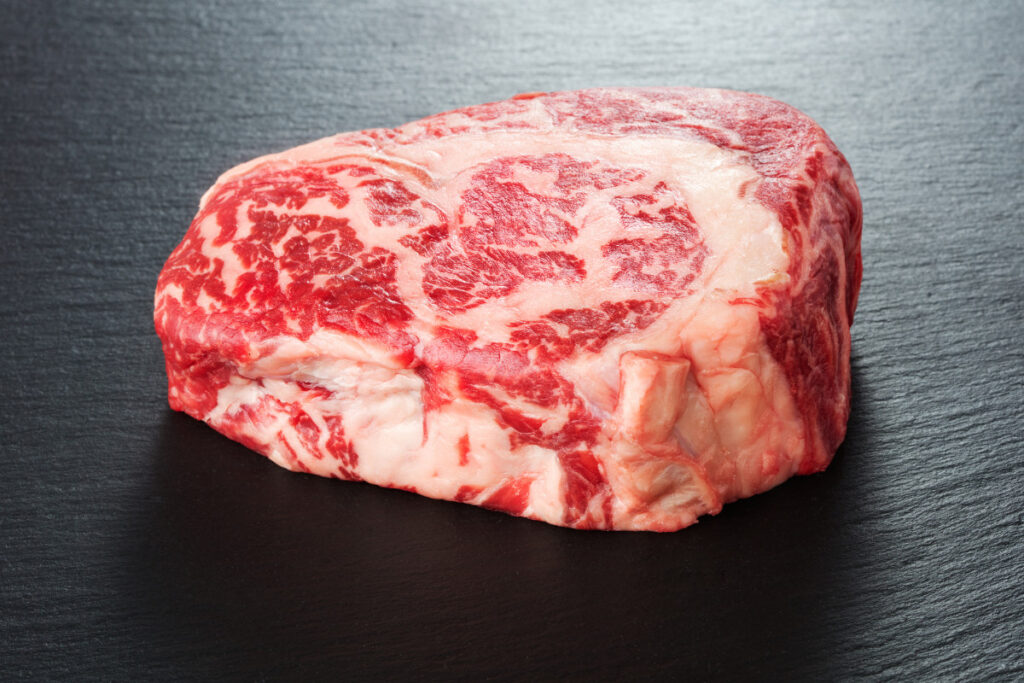
Ribeye’s Role: The cornerstone of a great Philly Cheesesteak is the beef. Ribeye, with its marbling and tenderness, is the ideal cut. The fat content not only adds flavor but also keeps the meat juicy during cooking.
Slicing Tips: For the best results, slice the ribeye as thinly as possible. A helpful trick is to partially freeze the meat, making it easier to achieve paper-thin slices. Using a sharp knife or a meat slicer will give you the precision needed.
The Bread
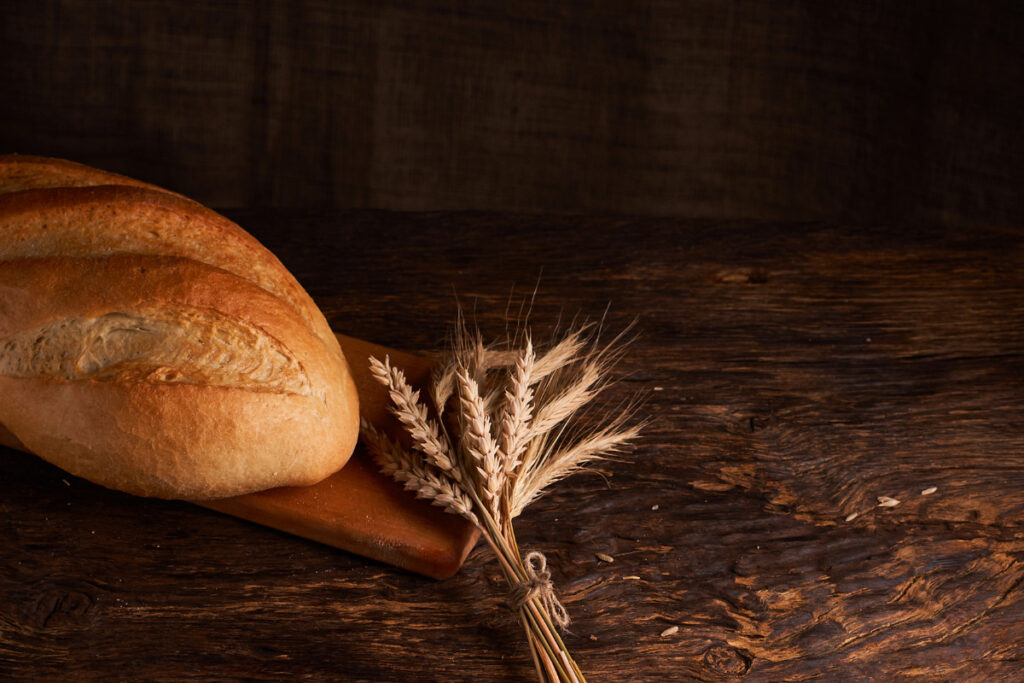
Amoroso Rolls: A true Philly Cheesesteak is served on a roll that’s soft on the inside with a slight chew. Amoroso rolls, baked in Philadelphia, are the gold standard. If you can’t find them locally, look for a soft, slightly chewy hoagie roll that can hold up to the sandwich’s hearty fillings without becoming soggy.
Alternatives: If Amoroso rolls aren’t available, a high-quality hoagie roll from your local bakery can be a suitable substitute.
The Cheese
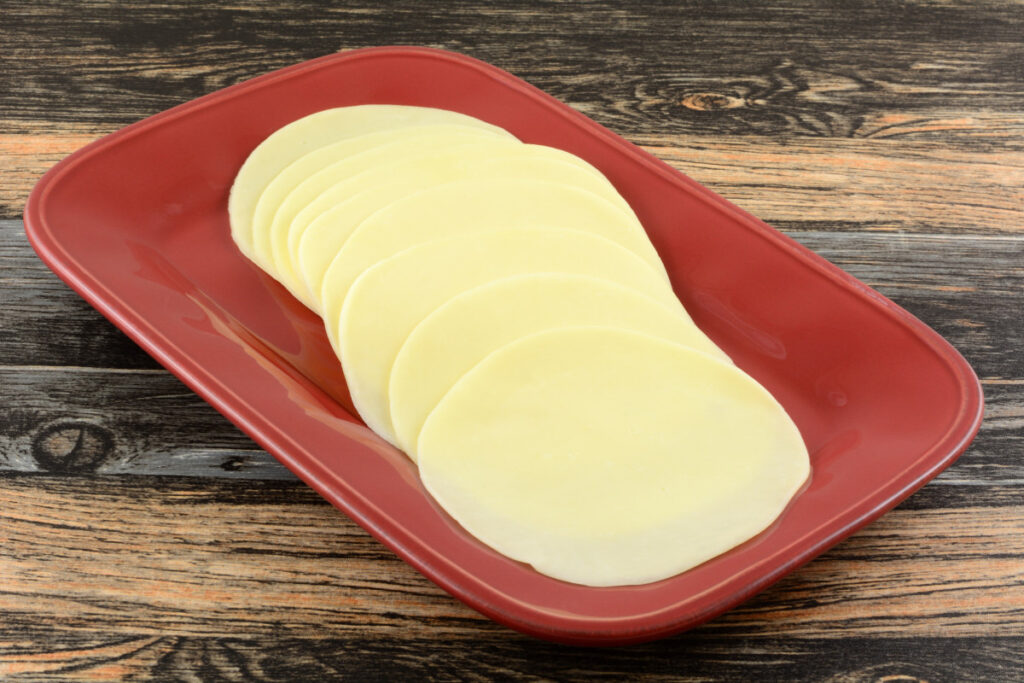
Traditional Choices: The debate over the best cheese is one of the most heated in the Philly Cheesesteak world. Cheez Whiz is the original, lending a creamy, tangy profile that pairs perfectly with the beef. American cheese offers a smooth, melty texture, while provolone provides a slightly sharper, more mature flavor.
Melting Points: Understanding the melting characteristics of each cheese can help you decide which is best for your sandwich. Cheez Whiz melts easily and evenly, American cheese becomes velvety, and provolone can sometimes need a bit more heat to achieve that.
The Veggies
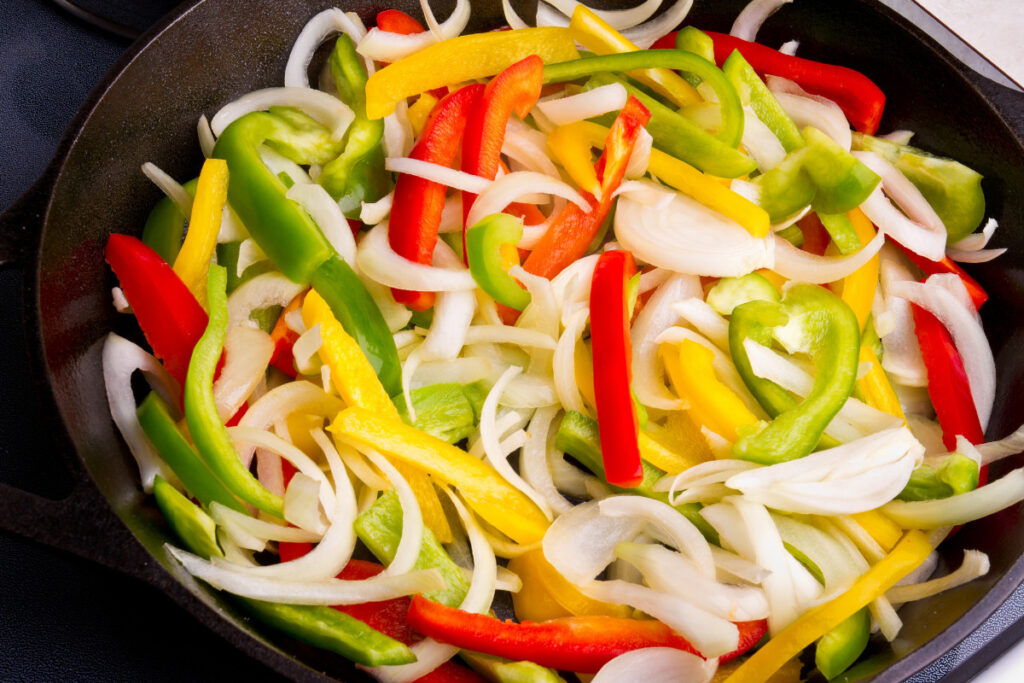
Onions and Peppers: While onions are a must for many, bell peppers are a more modern addition. Sautéing the onions and peppers until they’re just soft adds a sweet, savory element that complements the richness of the beef.
Sautéing Tips: To get the perfect texture, cook the onions and peppers over medium heat until they’re caramelized but still retain some bite. Adding a touch of salt helps to draw out the moisture and concentrate their flavors.
True Philly Cheesesteak Sandwich Recipe
Philly Cheesesteak Sandwich

Today, the Philly Cheesesteak is more than just a sandwich; it’s a symbol of Philadelphia’s rich culinary heritage. From local debates about the best cheesesteak shop to annual festivals dedicated to this beloved sandwich, it has cemented its place in American food culture. This recipe is designed to serve 4 people.
Ingredients
Vegetables
- 1 large onion, thinly sliced
- 1 large green bell pepper, thinly sliced
- 1 tbsp of garlic, minced
Seasoning
- Salt and pepper to taste
- 1 tbsp of Worcestershire sauce
Instructions
1. Prepare the beef:
Start by slicing your ribeye as thin as possible. Partially freezing the meat helps with slicing. Lay the slices out on a baking sheet and season them lightly with salt and pepper.
2. Prepare the Vegetables:
Slice the onions and bell peppers thinly, aiming for even pieces that will cook uniformly. Season with a pinch of salt to enhance their natural sweetness.
3. Bread Prep:
Lightly toast the Amoroso or hoagie rolls on a griddle or in the oven. This step helps to prevent the bread from becoming soggy and adds a slight crunch that contrasts nicely with the tender fillings.
4. Cook The Beef:
- Heat a flat-top griddle or a large cast iron skillet over medium-high heat. Add a little oil and let it shimmer before laying down the beef slices.
- Spread the beef out evenly across the surface, pressing it down to ensure a good sear. Avoid overcooking; the beef should be just browned and tender.
- As the beef cooks, use a spatula to chop it into smaller pieces, mimicking the technique used in classic cheesesteak shops.
5. Sauté the veggies:
- In the same pan or on a separate part of the griddle, sauté the onions and peppers.
- Start with the onions, cooking until they begin to caramelize, then add the peppers.
- Cook until both are tender but still have a bit of bite.
Pro tip: Consider adding a touch of garlic or a splash of Worcestershire sauce to the vegetables for an extra layer of flavor.
6. Melt the Cheese:
There are two schools of thought when it comes to melting the cheese.
One method is to place the cheese directly on the beef while it’s still on the griddle, allowing it to melt into the meat.
The other is to layer the cheese in the hoagie roll, then add the beef on top, letting the residual heat do the work.
Pro tip: To ensure every bite has that gooey cheese pull, use the griddle method. After laying the cheese on the beef, cover it with a lid for a minute to trap the steam and accelerate melting.
7. Assemble The Sandwich:
- Start by placing a layer of sautéed vegetables on the bottom of the hoagie roll.
- Next, pile on the beef and cheese mixture, making sure to get an even distribution.
- Finish with a few more vegetables on top if you like, then close the roll.
Pro Tip: To keep the bread from becoming soggy, let the beef rest for a few seconds on the griddle before adding it to the sandwich, allowing any excess juices to evaporate.
Notes
Serving Suggestions:
A classic pairing for a Philly Cheesesteak is a side of crispy French fries or onion rings. For a lighter option, consider a simple green salad with a tangy vinaigrette to cut through the richness of the sandwich.
A cold beer is a traditional choice, but a fizzy soda or even an iced tea can complement the sandwich’s bold flavors.
Million Dollar Mamas also loved:
Expert Tips and Tricks
Many Philly Cheesesteak shops use a combination of meats, such as a mix of ribeye and top round, to create the perfect balance of flavor and texture. They also recommend cooking the beef in small batches to maintain even cooking.
Mistakes To Avoid
- Overcooking the Beef: The most common mistake is overcooking the beef, which can make it tough. Keep a close eye on the meat and remove it from the heat as soon as it’s browned and tender.
- Poor Cheese Distribution: Another mistake is not spreading the cheese evenly. Ensure that every bite has a bit of cheesy goodness by following the griddle melting method.
- Gluten-Free Options: For those avoiding gluten, you can make a Philly Cheesesteak in a lettuce wrap or on a gluten-free roll without sacrificing too much of the traditional experience.
Leftovers
If you have leftovers, wrap the sandwich tightly in foil and refrigerate. To reheat, pop it in a 350°F oven for about 10 minutes, or until warmed through.
Customization Ideas
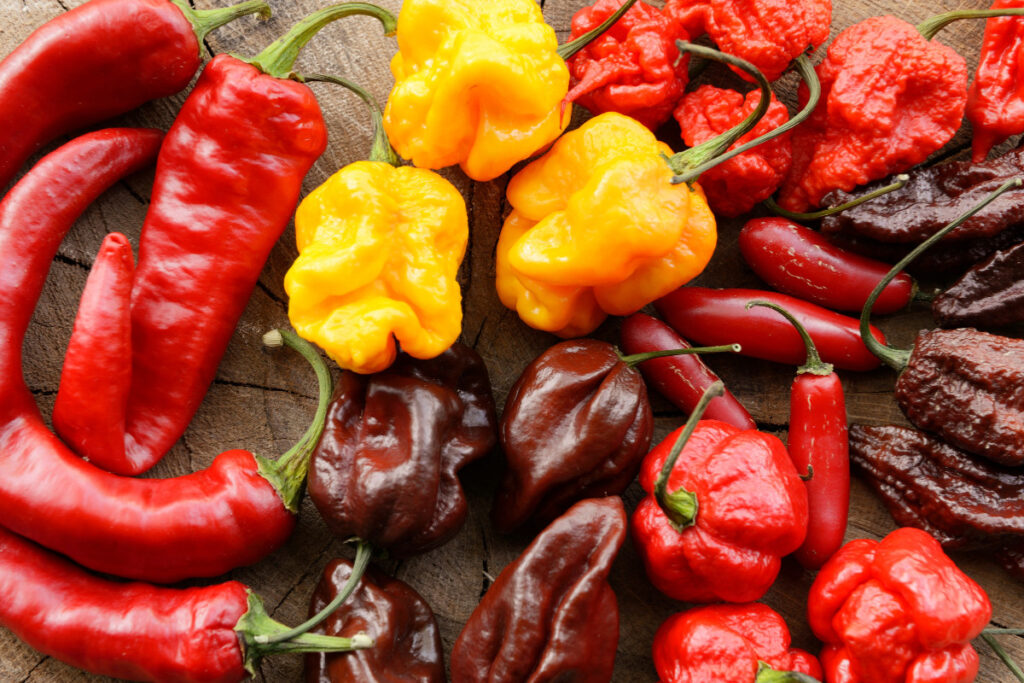
While the traditional Philly Cheesesteak is hard to beat, there’s room for creativity. Try adding mushrooms, hot peppers, or even a fried egg for a unique twist. Just remember, the key is balance—don’t let any one ingredient overpower the others.
Toubleshooting
- Tough Beef: If your beef turns out tough, it’s likely due to overcooking or slicing it too thickly. Ensure you’re using ribeye and slice it as thin as possible.
- Soggy Bread: If your bread is too soggy, try toasting it before assembling the sandwich or letting the beef rest before adding it to the roll.
The Bottom Line
Making the perfect Philly Cheesesteak at home is about respecting the simplicity of the original while paying attention to the details that elevate the flavors.
With the right ingredients and techniques, you can recreate this iconic sandwich in your kitchen.
I encourage you to give this recipe a try and see for yourself how rewarding it can be to make an authentic Philly Cheesesteak at home.
What’s your favorite way to enjoy a Philly Cheesesteak?
Do you stick to the classic or have you added your own twist?
Let me know in the comments below!

Hi I’m Ana. I’m all about trying to live the best life you can. This blog is all about working to become physically healthy, mentally healthy and financially free! There lots of DIY tips, personal finance tips and just general tips on how to live the best life.
Leave a Reply