
It started as a promise you made to yourself: “I’ll just vape to stop smoking for a while.” But weeks turn into months, and you still find that sleek device in your hand every morning. If you’ve ever wondered, is vaping really an alternative to quit smoking, you’re not alone and about to find the truth here.
Millions of people have made the same choice, hoping to breathe easier, feel better, and finally break free from cigarettes. Yet somewhere along the way, what began as a step toward freedom can start to feel like another kind of dependence.
So let’s talk about what science and real experience actually say about vaping and quitting for good.
Before jump in and discuss whether vaping is a safer alternative to smoking or not, you might want to check my full guide on how to quit smoking for good here.
Is Vaping Really an Alternative to Quit Smoking? Let’s Break It Down
Why People Turn to Vaping in the First Place
The idea feels comforting. Vapes don’t have the same burnt-tobacco smell, and they seem less dangerous.
According to the World Health Organization, more than 86 million adults worldwide now use e-cigarettes, many of them current or former smokers seeking a safer habit.
Nicotine replacement therapy (patches, gums, lozenges) can feel clinical and unsatisfying. Vaping, on the other hand, mimics the ritual, the hand-to-mouth motion, the deep inhale, the throat hit, giving smokers the illusion of quitting without losing the comfort of the act itself.
But imitation can be a double-edged sword. The same sensations that make vaping appealing can also make it harder to let go.
Understanding How Vaping Works
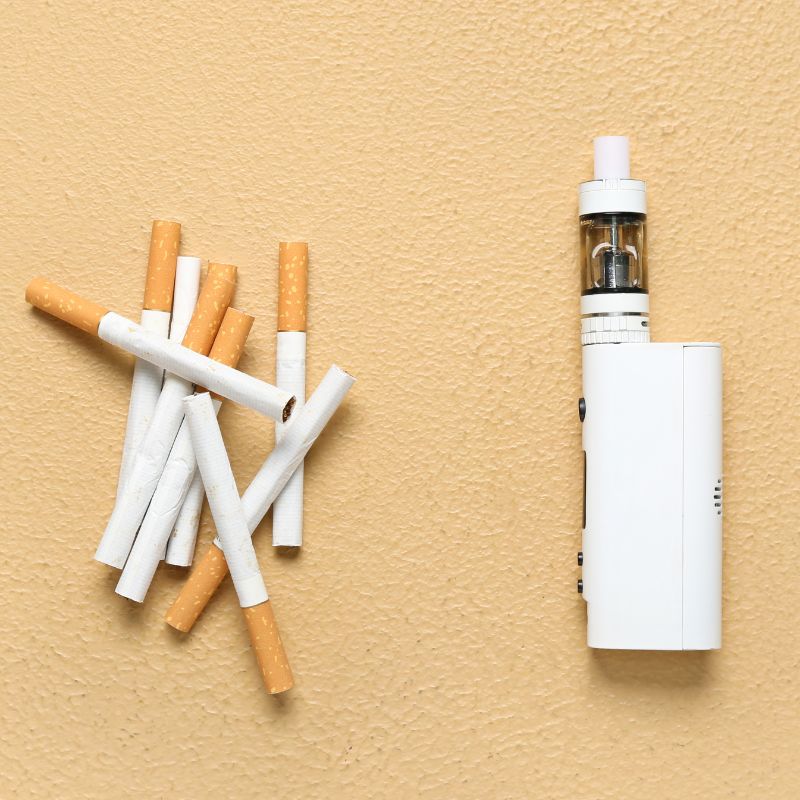
Vapes heat a liquid (usually a mix of nicotine, propylene glycol, vegetable glycerin, and flavorings) into an aerosol you inhale.
Unlike cigarettes, there’s no combustion, meaning far fewer of the 7,000+ harmful chemicals found in traditional smoke, including tar and carbon monoxide, are produced.
Research indicates that vaping is about 95% less harmful than smoking. Yet “less harmful” is not the same as harmless.
Researchers have detected traces of formaldehyde, acrolein, and acetaldehyde in some vapors. These substances can irritate the lungs and may contribute to long-term cardiovascular problems.
The truth? We don’t have decades of data yet.
Million Dollar Mamas have also loved: 15 Foods to Avoid if You Suffer From High Blood Pressure.
Does Vaping Actually Help You Quit?
Here’s where things get complicated.
Review found high-certainty evidence that adults using nicotine e-cigarettes were about 1.6 times more likely to quit smoking successfully than those using traditional nicotine replacement therapies such as patches or gum.
That’s encouraging. But it only tells half the story.
Many people don’t switch completely. Instead, they “dual use”, vaping at work or indoors while still smoking a few regular cigarettes.
According to studies, Dual users, people who both vape and smoke, often end up maintaining their nicotine addiction, and sometimes even increase their overall exposure.
So yes, vaping can help some smokers quit, but only if they stop smoking entirely, not if they juggle both.
The Short-Term Health Trade-Off
The first few weeks after switching can feel life-changing:
- You breathe easier, food tastes better, and that lingering cough begins to fade.
Research shows that within 48 hours of quitting cigarettes, carbon monoxide levels in the blood drop to normal, improving oxygen flow throughout the body.
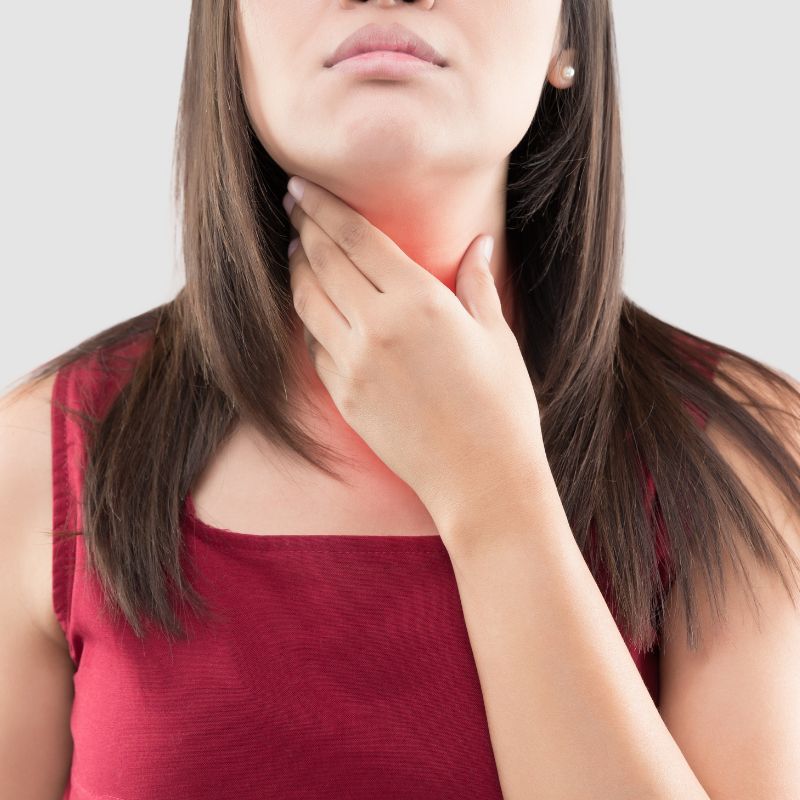
- Still, short-term doesn’t mean risk-free. Some vapers report mouth dryness, coughing, throat irritation, headaches, or increased heart rate.
Hydration helps alleviate symptoms such as dry mouth and throat irritation.
These side effects are usually mild, but they’re a sign that your lungs and cardiovascular system are reacting to a foreign substance, even if it’s not smoke.
The Long-Term Uncertainty Problem

The most significant limitation of vaping science is the time it takes. Cigarettes have been studied for over 60 years; e-cigarettes, barely 15.
We still don’t know the full long-term effects of repeated exposure to aerosolized chemicals. Early studies show that e-cigarette aerosols can cause lung inflammation, oxidative stress, and blood vessel damage, changes linked to chronic heart and lung disease.
In 2019, a study showed that in the U.S., it led to approximately 2,800 hospitalizations and 68 deaths by early 2020—largely linked to illicit THC-containing vapes. While regulation has since improved, it exposed how easily untested products can harm unsuspecting users.
So far, evidence leans toward vaping being less deadly than smoking, but not necessarily safe.
What About Nicotine Dependence?
Nicotine is the common denominator between cigarettes and vapes. It stimulates dopamine, the brain’s reward chemical, reinforcing the habit loop.
A single vape pod can contain as much nicotine as 20 cigarettes, and with fruity flavors and smooth delivery, it’s easy to consume more than intended.
That’s why addiction specialists call vaping a “maintenance habit” rather than a cure.
- Higher nicotine concentrations found in newer pod systems can make quitting harder than before.
- If your goal is to break free, you’ll need a strategy to reduce nicotine levels and eventually go vape-free gradually.
The Hidden Risks No One Talks About
Dual Use Trap
People who vape and smoke simultaneously tend to underestimate how much nicotine they consume. This can prolong withdrawal symptoms and raise blood pressure and heart rate.
Youth and Non-Smoker Uptake
In 2022, reports stated that over 2.55 million U.S. middle and high school students currently vape. For young, never-smokers, vaping can introduce nicotine addiction that might otherwise never have existed.
Mental Health Link

Research suggests vaping may increase anxiety in heavy users when nicotine levels drop. Instead of relieving stress, it can trap people in a cycle of craving and temporary calm.
Nicotine can temporarily reduce stress, but it often worsens anxiety in the long run. Learning natural ways to lower cortisol levels can help you manage that tension without relying on nicotine.
When Vaping May Be a Reasonable Option
If you’re an adult who has tried every other quit method, from gum to medication, vaping may be a stepping-stone, not a lifestyle.
This is how you may use it short-term:
- Use only licensed nicotine vapes from trusted retailers.
- Switch completely, don’t smoke and vape at the same time.
- Combine vaping with behavioral support (counseling, quitlines, or digital programs).
- Plan to reduce nicotine gradually until you can stop both.
Used this way, vaping can serve as a transitional tool, similar to a crutch for recovery, not a replacement for walking. But I want to make this very clear. Switching fro. cigarettes to vaping is not the goal. The goal is to use it as a mean to completely quit smoking.
When Vaping Is Definitely Not a Good Idea
- If you don’t smoke, you have nothing to gain and everything to lose.
- If you’re pregnant, nicotine can harm fetal development.
- If you’re a teenager, the brain keeps developing until about age 25; nicotine can alter attention, learning, and mood regulation.
- If you’re using unregulated products: counterfeit or black-market vapes can contain toxic metals or Vitamin E acetate.
In these cases, vaping isn’t a safer option; it’s a new risk entirely.
If You Want to Quit Smoking, The Right Way
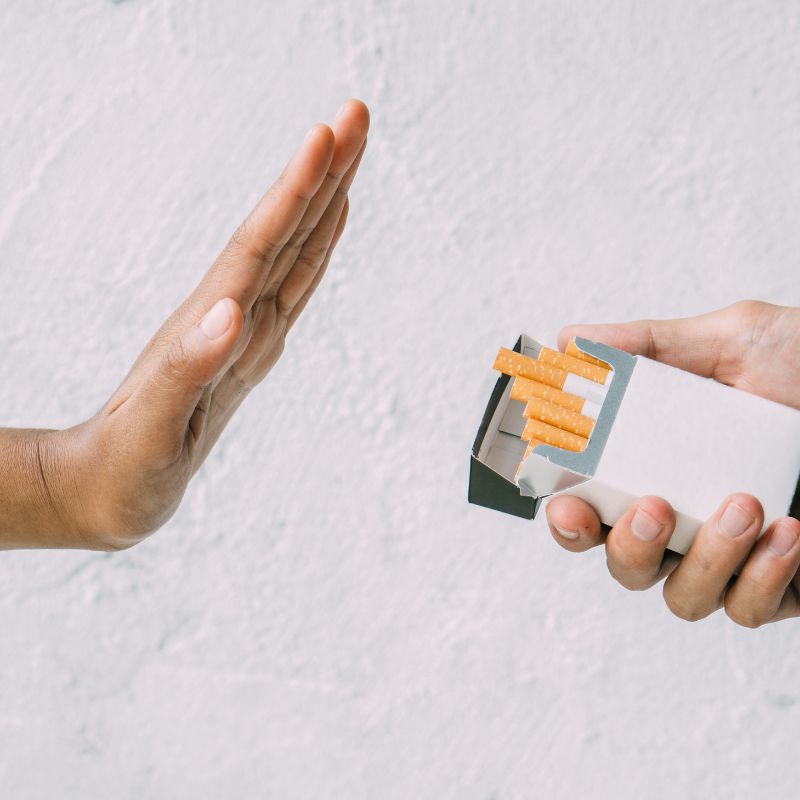
Here’s a practical roadmap:
- Set a quit date and tell someone for accountability.
- List your triggers, such as coffee, stress, or driving, and plan replacements.
- Seek support: quit-lines, mobile apps, or counseling, and double your success rate.
- Use approved tools, such as nicotine patches, gum, lozenges, or prescribed medications.
- If choosing vaping: treat it as a temporary step down, not a permanent solution.
- Review progress every few months and taper nicotine until you no longer rely on it.
If you’ve decided it’s time to quit completely, developing a realistic plan makes all the difference. These practical tips to quit smoking can help you stay focused and handle cravings with confidence.
Is Vaping Really an Alternative to Quit Smoking? My Final Thoughts
Quitting smoking isn’t easy; it’s a battle between habit and hope. If you’ve ever asked yourself Is vaping really an alternative to quit smoking, remember that while it can be a stepping-stone, the real goal is freedom, not replacement.
Use it wisely, with guidance, intention, and a plan to stop for good.
At the end of the day, the real victory isn’t swapping devices; it’s reclaiming your breath, your energy, and your life.
So, tell me, are you really ready to quit this time?

Hi I’m Ana. I’m all about trying to live the best life you can. This blog is all about working to become physically healthy, mentally healthy and financially free! There lots of DIY tips, personal finance tips and just general tips on how to live the best life.
Leave a Reply