
If you’ve been wondering whether hydrogen peroxide for nail fungus is a real solution or just another trending home remedy, you’re definitely in the right place. Seeing a nail turn yellow, thicken, or change texture can feel confusing and even a little worrying. It’s normal to look for a simple, affordable fix.
And that usually leads to the same question so many people quietly search late at night: “Can hydrogen peroxide actually get rid of nail fungus, or is that just Internet talk?” When you’re dealing with something that doesn’t go away on its own, it makes sense to question every possible option. You want the truth without wasting time or further damaging your nails.
So today, we’re breaking it down with a clear explanation of whether hydrogen peroxide works, whether it’s safe, and what you should try instead if it isn’t the best choice. No fluff, no myths, just facts that help you make the right decision for healthier-looking nails.
Million Dollar Mamas also love the many hand Nail Design Choices I’ve proposed over the years. Check them put here: MDM Nail Art Designs.
What Is Nail Fungus?
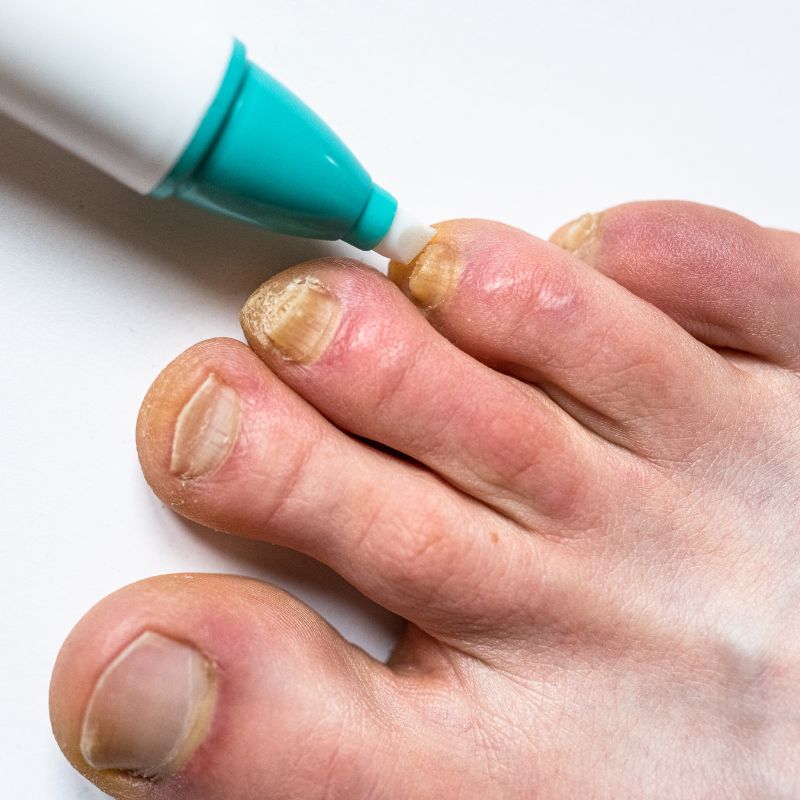
Nail fungus, or onychomycosis, happens when microscopic organisms invade the nail bed. Once they’re inside, they’re extremely difficult to remove because the nail acts as a “shield.”
A. What Causes Fungal Nail Infections?
Most cases come from:
- Dermatophytes (the same fungi that cause athlete’s foot)
- Yeasts, especially Candida
- Non-dermatophyte molds
These organisms thrive in warm, moist environments, which is why nail fungus is so common among gym-goers, people who sweat easily, and anyone who wears tight shoes.
Why Nail Fungus Is Hard to Treat
Two simple reasons:
- The infection is hidden beneath the nail plate, making it difficult for treatments to reach.
- Nails grow slowly, and toenails take 12–18 months to fully replace themselves.
As a result, any treatment (from home remedies to prescriptions) requires consistency and patience.
What Is Hydrogen Peroxide?
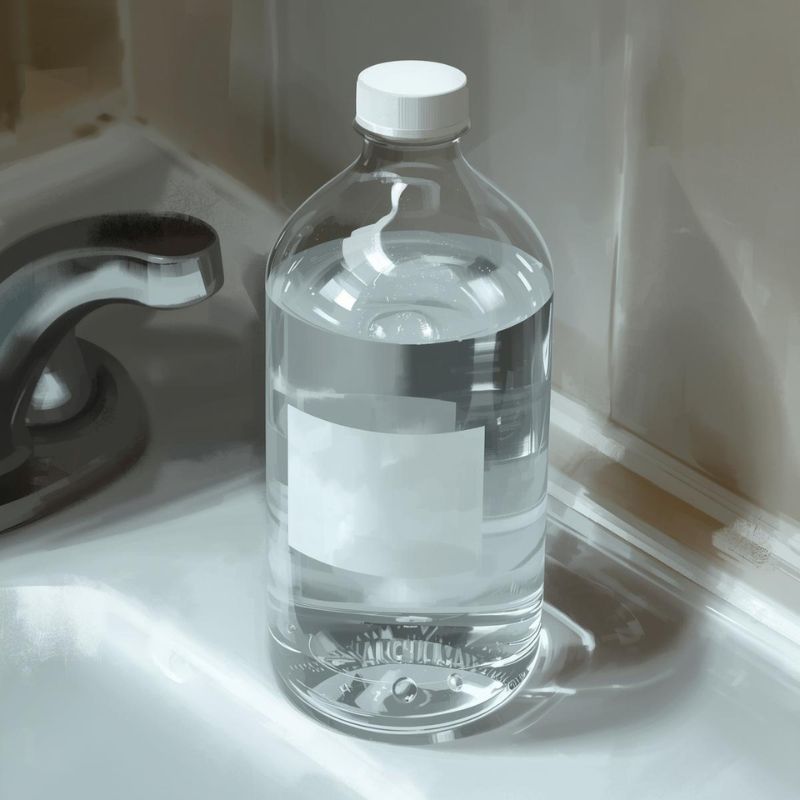
Hydrogen peroxide is a household antiseptic known for its bubbling action when poured on a cut. That fizz isn’t magic; it’s oxygen being released as it reacts with organic material.
How It Works
Hydrogen peroxide is an oxidizing agent, meaning it destroys microbial cells by damaging their membranes. This is why it’s effective at disinfecting surfaces.
Common Medical Uses
You might recognize its uses:
- Cleaning minor cuts (though less recommended today because it can damage healthy tissue)
- Mouth rinses (only in diluted form)
- Surface disinfection
- Hair bleaching
Why People Think It Helps Nail Fungus
The logic is simple:
If hydrogen peroxide can kill microbes on the surfacethen maybe it can kill fungi in the nail.
It’s a tempting idea, cheap, accessible, and promising. But does it really work on a fungal infection hidden beneath the nail?
Let’s look at the science.
Does Hydrogen Peroxide Kill Fungus?
A. Laboratory Evidence
In controlled lab settings, hydrogen peroxide can kill fungal organisms on surfaces or in solutions. But a petri dish isn’t a human nail.
B. The Real Issue: Nail Penetration
Nails are made of keratin, a tough, protective protein. Hydrogen peroxide does not easily penetrate keratin, which means:
It may kill fungus on the nail surface, but not on the fungus inside or beneath the nail. Nail fungus lives deep within the nail bed; surface-only action isn’t enough.
C. What Do Clinical Studies Say?
Here’s the key fact: There are no high-quality clinical trials proving hydrogen peroxide cures nail fungus.
Most of the “evidence” you’ll find online is:
- Anecdotal stories
- Before-and-after photos without medical verification, or
- Generalized claims without controlled studies.
And this is important:
No major dermatology or podiatry organization recommends hydrogen peroxide as a primary treatment.
Mini-Conclusion
Hydrogen peroxide may reduce surface microbes or discoloration, but there is no scientific evidence proving it eliminates nail fungus beneath the nail plate.
Safety: Is Hydrogen Peroxide Safe to Use on Nails and Skin?
Even if something “might help a bit,” safety matters just as much.
Possible Side Effects
Hydrogen peroxide, especially with repeated use, can cause:
- Skin irritation
- Nail whitening or drying
- Burning sensations
- Peeling around the nail
- Temporary nail weakening
Risks With Frequent Use
The biggest issue?
Chemical irritation.
Overusing hydrogen peroxide can damage surrounding skin, creating small cracks that, ironically, make fungal infections easier to spread.
Who Should NOT Use It
Avoid hydrogen peroxide if you have:
- Diabetes
- Poor circulation
- Peripheral neuropathy
- Eczema or very sensitive skin
These conditions increase your risk of burns, skin injuries, or delayed healing.
Final Verdict: Is Hydrogen Peroxide an Effective and Safe Treatment for Nail Fungus?
Let’s be objective and concise:
Hydrogen peroxide is not considered an effective or safe primary treatment for nail fungus.
Yes, it can clean the nail surface.
Yes, it can kill microbes on contact.
But:
- It cannot reliably penetrate the nail plate
- It does not cure internal fungal infections
- It has no strong clinical evidence
- It can irritate or damage skin with repeated use
Conclusion:
You can try it for mild, surface-level discoloration, but it will not effectively treat true fungal infections. As a result, experts recommend more proven, safer alternatives.
What to Use Instead: 5 Safer and More Effective Alternatives

Here are the top five science-backed options dermatologists actually recommend:
1. Topical Antifungal Nail Solutions (OTC & Prescription)
Examples: efinaconazole (Jublia), ciclopirox, terbinafine cream.
These treatments are designed to penetrate the nail plate and reach the fungus that lives there. They’re slow but effective, especially when started early.
2. Oral Antifungal Medications
Examples: terbinafine (Lamisil), itraconazole.
These are considered the most effective options for moderate to severe nail fungus. They work from the inside out, reaching the infection through the bloodstream.
3. Tea Tree Oil (Natural Alternative With Evidence)
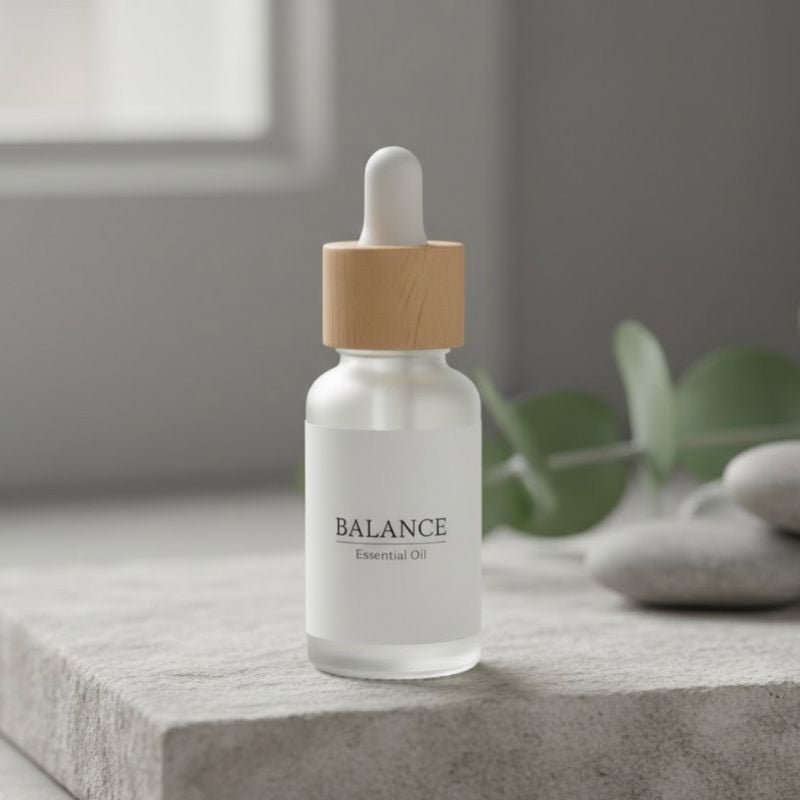
Tea tree oil contains terpinen-4-ol, a compound with antifungal properties supported by small clinical trials.
It may not cure severe cases, but it can improve mild fungal infections or work as a complement to medical treatments.
4. Urea-Based Nail Softening Treatments
Urea helps thin and soften thick fungal nails, allowing antifungal medications to penetrate more deeply.
It doesn’t kill fungus on its own, but it dramatically improves treatment success.
5. Laser Therapy for Nail Fungus
FDA-cleared laser devices target fungal cells through heat.
They can be effective when used alongside topical treatments, especially for people who cannot take oral medications.
When to See a Doctor
Seek medical help if:
- Your nail becomes painful
- The infection spreads or worsens
- You see no change after 2–3 months
- You have diabetes or an immune condition
- The nail becomes very thick or lifts from the nail bed
These are signs that home remedies aren’t enough.
Prevention Tips: Keep Nail Fungus From Coming Back
Once you treat nail fungus, consistency is everything:
- Keep feet clean and dry
- Avoid sharing nail tools
- Change socks daily
- Wear breathable shoes
- Use antifungal foot powder
- Disinfect nail clippers regularly
- Wear sandals in public showers or pools
To naturally support healthier skin and reduce inflammation, you can also explore anti-inflammatory foods that promote healing and overall wellness.
Conclusion
Hydrogen peroxide might seem like an easy, cheap, and accessible solution for nail fungus, but the science simply doesn’t support it as a reliable treatment. Fungal nail infections live deep beneath the nail, and peroxide can’t reach them effectively or safely enough to cure the problem. The good news? There are several treatments that do work, from topical solutions to lasers, and choosing the right one now can save you months of frustration later.
So now that you know what really works, which treatment are you considering trying first?

Hi I’m Ana. I’m all about trying to live the best life you can. This blog is all about working to become physically healthy, mentally healthy and financially free! There lots of DIY tips, personal finance tips and just general tips on how to live the best life.
Leave a Reply