
On the first day of a beach vacation, your hair can look effortlessly perfect, with soft waves, natural texture, and that carefree “salt-spray” look everyone loves. But a few swims later, those same strands may start to feel dry, tangled, and rough. Learning how to protect hair from salt water can make the difference between beachy texture and lasting damage.
Sea salt pulls moisture from your hair, while sun and wind exacerbate dryness. That’s why hair often feels brittle or frizzy after a day in the ocean. If you’ve ever wondered why your hair looks dull after the beach, you’re definitely not alone.
On the bright side, you don’t have to choose between enjoying the ocean and having healthy hair.
With a few simple habits before and after swimming, you can keep your hair soft, manageable, and strong. This guide walks you through exactly what to do to prevent damage and restore moisture fast.
Million Dollar Mamas have also loved: Tips to Make Your Hair Grow Faster.
Why Sea Salt Damages Hair – Explained Simple
Sea water contains high concentrations of sodium chloride. Salt is hygroscopic, meaning it absorbs water from whatever it touches, including your hair.
According to research, when hair loses moisture, the outer protective layer (the cuticle) lifts, making strands feel rough and more prone to tangling and breakage.
Add sun exposure and wind, and you get what professionals sometimes call the “triple dehydration effect.”
UV rays break down hair proteins, while wind increases friction between strands.
The result? Frizz, split ends, dullness, and increased shedding.
Some hair types are more vulnerable than others:
- Color-treated hair (already chemically processed)
- Curly and coily hair (naturally drier)
- High-porosity hair (absorbs and loses moisture quickly)
However, this is nothing to worry about, most salt damage is preventable with a few smart habits.
Salt, sun, and wind can leave hair feeling dry and brittle, similar to what happens during colder months when moisture levels drop. If your hair already struggles with dryness, you might recognize some of these signs from seasonal hair damage caused by harsh weather.
BEFORE YOUR BEACH TRIP: HOW TO PREP YOUR HAIR
1. Hydrate Your Hair in the Days Before Traveling
Think of this like moisturizing your skin before sun exposure. Starting with well-hydrated hair helps it retain moisture.
Apply a deep-conditioning mask 1–2 days before your trip. Look for ingredients like:
- Aloe vera (soothes and hydrates)
- Glycerin (draws moisture into the hair)
- Shea butter (softens and seals)
- Argan oil (rich in fatty acids that smooth the cuticle)
Well-conditioned hair has a more flexible cuticle, reducing the risk of breakage when exposed to salt water and the sun.
Starting with well-hydrated hair helps it retain moisture. Eating nutrient-rich foods that support hair strength can also make a difference. Here are some of the best foods that help nourish healthy hair from the inside out.
2. Apply a Protective Barrier Before Going to the Beach
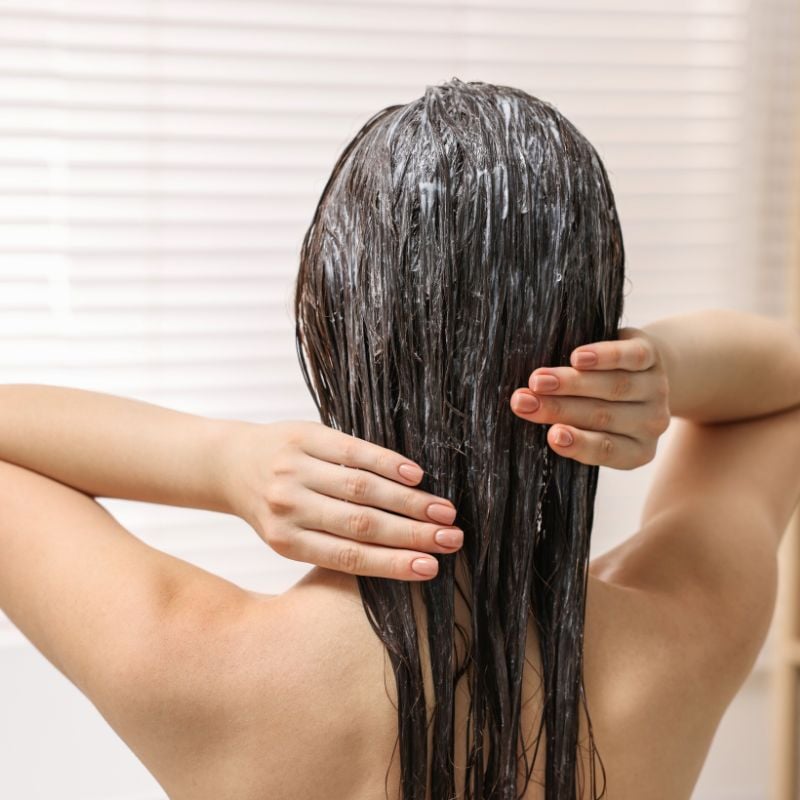
Before you even step onto the sand, coat your hair with a leave-in conditioner. These products contain film-forming ingredients that help slow moisture loss.
You can also add a few drops of a lightweight oil, such as coconut, argan, or jojoba.
Oils don’t “hydrate” hair, but they create a barrier that slows salt penetration.
One of the simplest tricks? Wet your hair with fresh water before swimming. Hair acts like a sponge; if it’s already saturated with clean water, it absorbs less salt water.
3. Choose Protective Hairstyles for the Beach
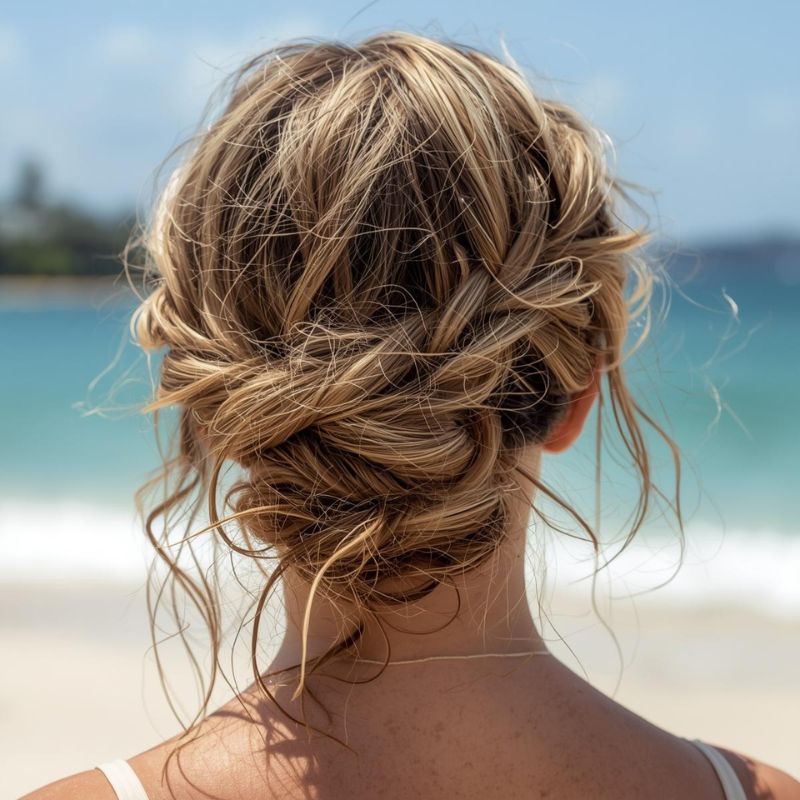
Loose hair tangles more easily in wind and waves. Protective styles reduce friction and exposure:
- Loose braids
- Low buns
- Twists
Avoid tight styles that pull on the scalp; tension plus dryness can lead to breakage.
4. Don’t Forget Scalp Protection
Your scalp is skin, and it burns just like your shoulders. A sunburned scalp can lead to peeling, dryness, and increased shedding. Dermatologists recommend wearing hats or applying scalp SPF spray to prevent damage.
Salt buildup on the scalp can also cause irritation, especially if you’re sweating in the heat.
WHILE YOU ARE AT THE BEACH
1. Smart Habits While Swimming
If you’re going in and out of the ocean, rinse your hair with fresh water between swims if possible. Repeatedly letting salt dry on the hair shaft increases stiffness and tangling.
Keeping a small spray bottle of fresh water in your beach bag can help you lightly re-dampen hair and prevent salt from crystallizing on the surface.
2. Post-Swim Temporary Care (Before You Get Home)
After your last swim of the day:
- Use your fingers to gently separate knots
- Avoid brushing dry, salt-stiff hair (this causes snapping)
- Apply a small amount of leave-in conditioner to soften strands
This step buys you time until you can properly wash and condition at home.
AFTER SWIMMING: HOW TO REMOVE SEA SALT FROM HAIR
Step 1: Rinse Immediately With Fresh Water
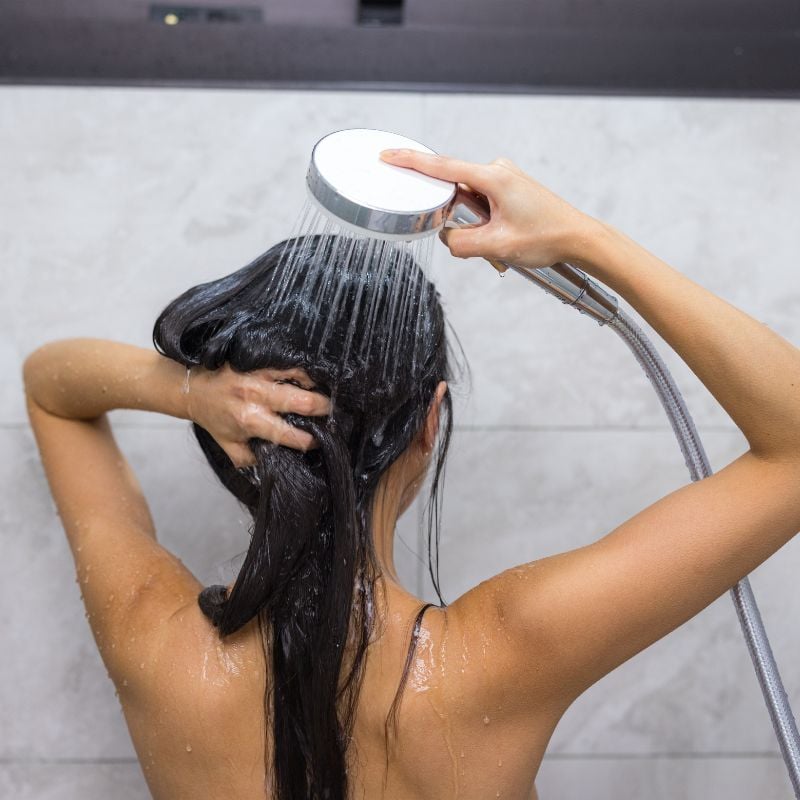
Start with a thorough rinse using lukewarm water. Hot water can further dry out hair and lift the cuticle more.
This first rinse removes surface salt and sand before shampooing.
Step 2: Use the Right Shampoo
A gentle hydrating shampoo is best for frequent beach days. If your hair feels coated or stiff, use a clarifying shampoo once a week to remove buildup. Clarifying too often can strip natural oils, so balance is key.
Massage the scalp gently and let the suds run through the lengths rather than scrubbing the ends.
Step 3: Deep Condition to Restore Moisture
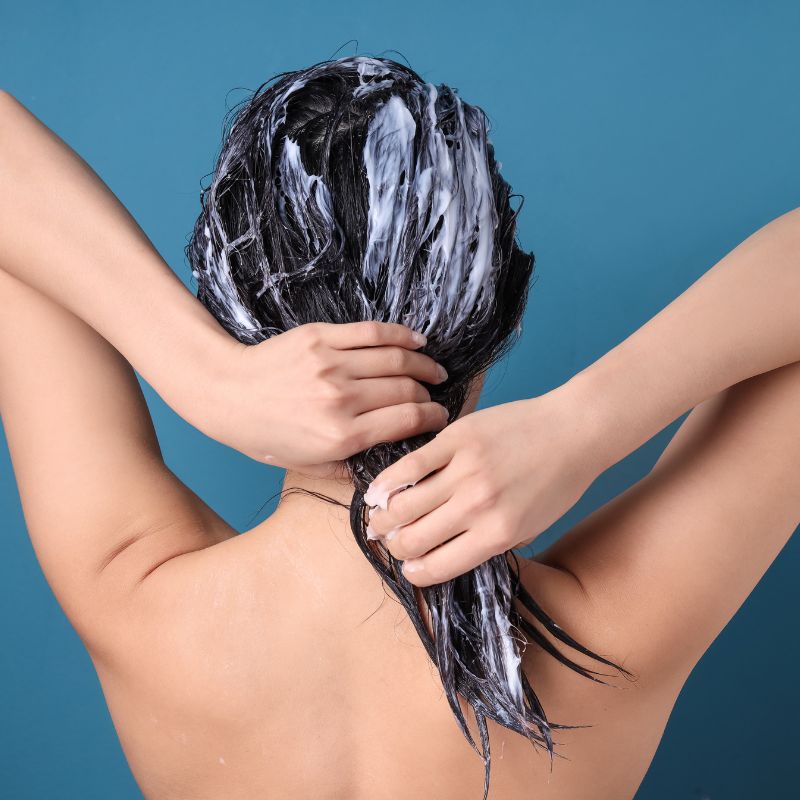
Regular conditioner isn’t enough after salt exposure. Apply a deep-conditioning mask and leave it on for 10–20 minutes.
Look for:
- Panthenol (pro-vitamin B5 for moisture retention)
- Ceramides (help repair the cuticle barrier)
- Fatty alcohols (soften and smooth)
These ingredients help replenish lost moisture and reduce roughness.
Step 4: Detangle Correctly
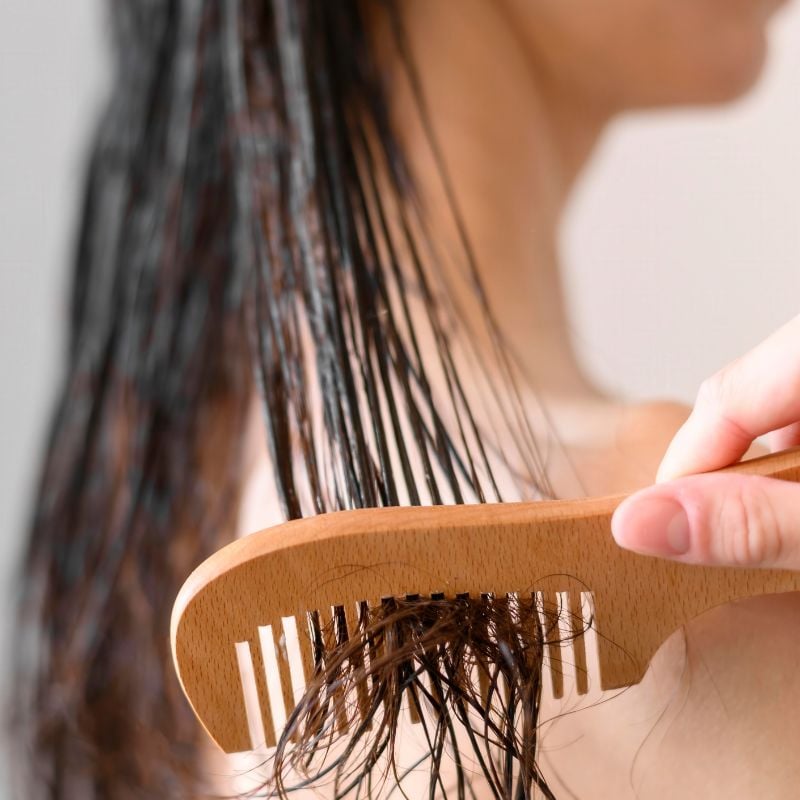
Detangle only when hair is coated with conditioner. Use a wide-tooth comb, starting at the ends and working upward. This prevents unnecessary tension and breakage.
Detangling only when hair is coated with conditioner helps reduce friction and breakage. Using the right tool also matters; not all brushes are safe for wet, post-beach hair, so choosing the right brush for your hair type can make a big difference.
Step 5: Seal in Moisture After Washing
After rinsing out your mask:
- Apply a leave-in conditioner
- Add a few drops of lightweight oil to seal the cuticle
Skip heavy styling gels or sprays immediately after beach days; they can make dry hair feel stiff.
Step 6: Let Hair Rest
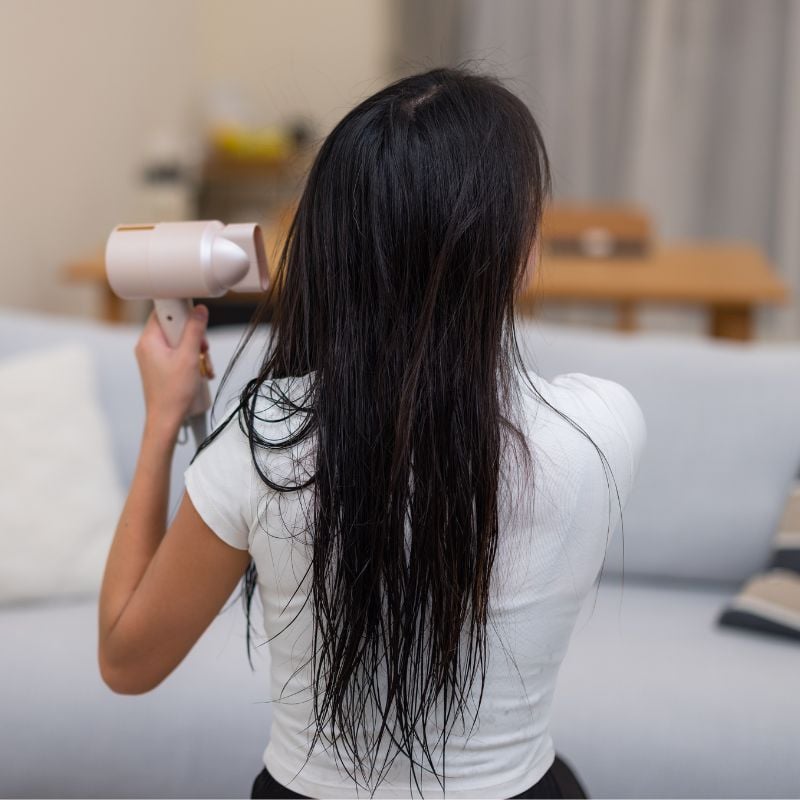
Air-dry when possible. Heat styling tools remove even more moisture from already stressed strands. According to hair science research, repeated heat exposure weakens protein bonds in the hair shaft.
EXTRA RECOVERY TIPS FOR MULTI-DAY BEACH TRIPS
Removing split ends prevents breakage from traveling upward, which helps hair stay healthier overall. Keeping your ends strong is also important if you’re trying to maintain length or follow healthy habits that support stronger, longer hair.
Alternate Moisture and Protein Treatments
If hair feels mushy and overly stretchy, it may need protein. If it feels dry and brittle, it needs moisture. Alternating treatments helps maintain balance.
Trim Split Ends After Your Trip
Salt damage shows up first at the ends. A small trim prevents splits from traveling upward.
Night Care During Beach Vacations
Switch to a silk or satin pillowcase to reduce friction. Loose braids at night help prevent tangles, and a light overnight leave-in can restore softness by morning.
Quick Checklist to Protect Hair From Salt Water
Before the Beach
- Deep condition
- Apply leave-in + oil
- Wet hair with fresh water
- Protective hairstyle
After Swimming
- Rinse immediately
- Gentle shampoo
- Deep condition
- Detangle gently
- Apply leave-in
- Avoid heat styling
Conclusion: How to Protect Hair From Salt Water Without Giving Up Beach Days
Healthy beach hair isn’t about avoiding the ocean; it’s about balancing prevention and restoration.
When you learn how to protect hair from salt water, a little prep before your trip and a thoughtful wash routine after swimming can keep your hair soft, shiny, and strong all summer long.
With the right care, you really can enjoy salty waves without bringing home weeks of dryness and breakage.
So what’s your go-to beach hair protection tip?

Hi I’m Ana. I’m all about trying to live the best life you can. This blog is all about working to become physically healthy, mentally healthy and financially free! There lots of DIY tips, personal finance tips and just general tips on how to live the best life.
Leave a Reply