
Losing weight can feel discouraging when you are trying your best and still not seeing the progress you hoped for. Maybe you have eaten the salad, skipped dessert, walked more, and still wondered, What am I doing wrong? You are not lazy, and your body is not broken.
Most of the time, weight loss is not about one big mistake. It is the small habits that quietly repeat, like skipping meals, drinking in hidden calories, sleeping poorly, eating too little protein, or letting the weekend undo your progress.
This guide will help you spot 11 common habits that may be slowing you down and replace them with simple, realistic choices that feel doable in real life.
11 Small Daily Habits That May Be Keeping You From Losing Weight
I’m a woman that sees herself as an advocate of the power of building good habits and one that has struggled with her weight herself. That’s why I’ve prepared this guide that will walk through the most common mistakes that are silently slowing your weight loss journey and will provide you with the right steps to overcome each one of them.
Ready to start taking control of your weight?
1. Not Having a Clear Weight Loss Plan

Wanting to lose weight is a good start, or “I need to eat better” is hard to follow because it is too vague.
A clear plan gives you direction when life gets busy.
When beginning a weight-loss journey, create a specific plan with realistic steps you can maintain over time. If you are not sure where to begin, these simple tips to start losing weight can help you take the first steps without feeling overwhelmed.
Start here:
- Choose one reason that matters to you, like energy, strength, confidence, or health.
- Pick 2–3 habits to focus on first.
- Track simple wins, not just the scale.
- Set goals like “walk 20 minutes” or “eat protein at breakfast.”
2. Skipping Meals or Not Eating Enough Protein
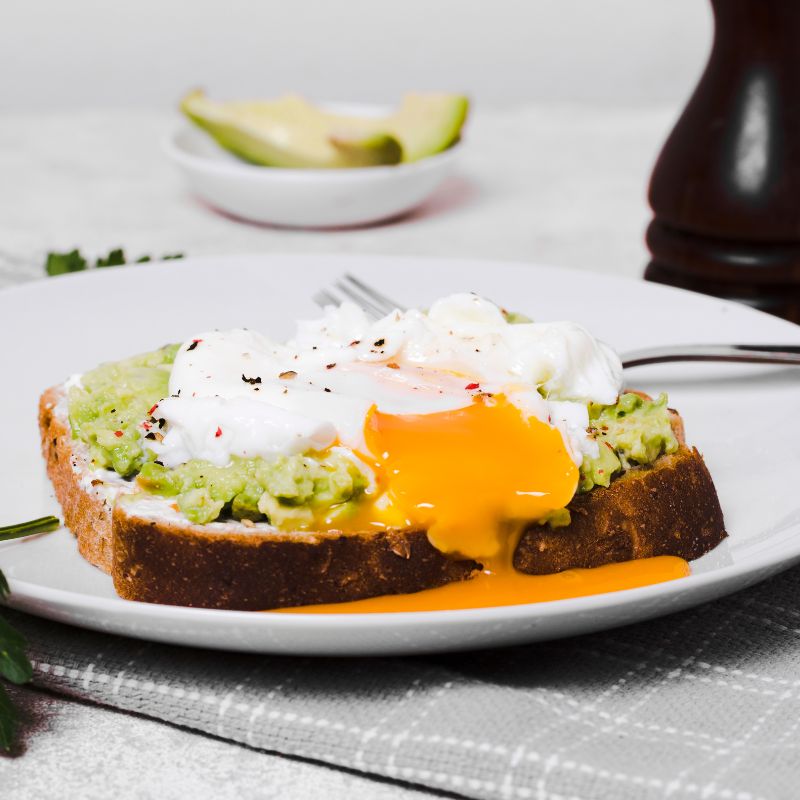
Skipping meals may seem helpful, but it can leave you too hungry later. That is when cravings feel stronger and quick foods become harder to resist. Some restrictive eating patterns can also backfire, which is why it helps to understand the diets that can be harmful to your health before trying another extreme approach.
Protein can support fullness and body composition during weight loss, and research shows that higher-protein diets may help with weight reduction in adults.
Make it easier:
- Add protein to your first meal.
- Use easy options like eggs, Greek yogurt, tofu, tuna, beans, chicken, or lentils.
- Keep a protein-rich snack ready.
- Build meals with protein, fiber-rich carbs, and healthy fats.
Additionally, protein is the main ingredient that will make you feel fuller for longer, by slowing digestion and reducing hunger hormones. It also promotes muscle growth, which is essential to not fall into a weight loss plateau, as more muscle, more energy consumption.
3. Drinking Your Calories
Drinks can be sneaky because they do not always make you feel full. Soda, sweet tea, energy drinks, flavored coffees, smoothies, and juice can add a lot before you even count your meals.
Research indicates that sugary drinks are a leading source of added sugars and are linked with weight gain, obesity, type 2 diabetes, heart disease, tooth decay, and gout.
Simple swaps:
- Choose water, sparkling water, or unsweetened tea most of the time.
- Add lemon, berries, cucumber, or mint to water.
- Check coffee drinks for syrups, whipped cream, and toppings.
- Keep juice as an occasional drink, not your daily water replacement.
If cutting back feels hard, this guide to quitting sugar for good can help you start with small, realistic changes.
You might also want to check out these: Homemade Electrolyte Waters.
4. Eating Too Much Hidden Sugar

Sugar is not only in candy and cookies. It can hide in flavored yogurt, granola bars, cereal, sauces, dressings, and packaged snacks that look healthy.
Added sugars are listed on the Nutrition Facts label, and research recommends keeping added sugar under 10% of daily calories.
What to check:
- Read the “Added Sugars” line on labels.
- Choose plain Greek yogurt and add fruit.
- Use salsa, mustard, vinegar, olive oil, or avocado instead of sweet sauces.
- Swap juice for whole fruit more often.
If sugar cravings make this harder, these tips for naturally managing them can help you feel more in control.
5. Relying Too Much on Ultra-Processed Foods
Ultra-processed foods are designed to be eaten quickly. They are often soft, salty, sweet, low in fiber, and easy to overdo without noticing.
If you want to understand this better, this guide explains the negative effects of ultra-processed foods in simple terms.
Better options:
- Add more simple foods like eggs, oats, beans, rice, potatoes, fruit, vegetables, yogurt, chicken, fish, or tofu.
- Keep frozen vegetables, canned beans, and pre-cut produce ready.
- Serve packaged snacks in a bowl instead of eating from the bag.
- Cook a few basics once or twice a week.
6. Weekend Overeating
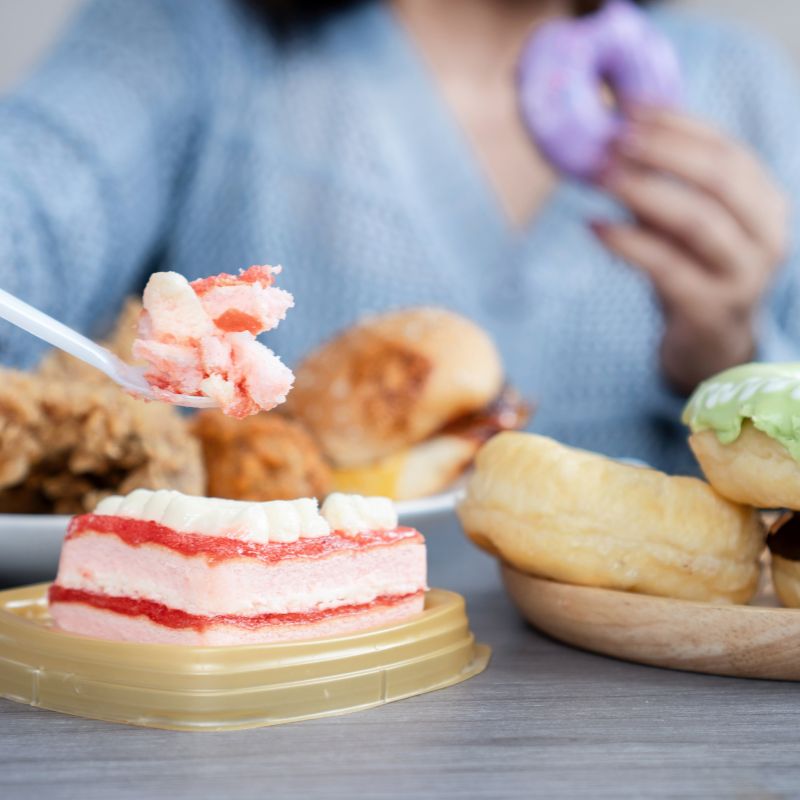
You can eat well all week and still slow your progress if every weekend is filled with oversized meals, sugary drinks, desserts, grazing, and restaurant portions.
This does not mean weekends have to be boring. It just means they need some structure, too.
If tracking every bite feels overwhelming, these diets that don’t involve counting calories can give you a more flexible way to stay mindful without feeling restricted.
Weekend tips:
- Pick one or two treats you truly want.
- Eat a protein-rich meal before going out.
- Share large portions or take half home.
- Keep one normal habit, like your usual breakfast or a walk.
- Avoid turning Friday night into Sunday night into one long cheat meal.
7. Emotional Eating
Emotional eating occurs when food becomes the primary way to cope with stress, boredom, sadness, loneliness, or frustration. This is not a character flaw. It is a coping pattern.
If stress is one of your biggest triggers, these tips to prevent stress-related compulsive eating can help you build healthier coping tools.
Before you eat:
- Pause and ask, “Am I hungry, tired, stressed, or bored?” Keep a short journal of cravings and emotions.
- Try one non-food tool first: walking, breathing, stretching, showering, or texting someone.
- Portion comfort foods instead of eating from the package.
- Get support if emotional eating feels hard to control.
Research links emotional eating with overeating, unhealthy eating patterns, and a higher risk of weight gain, especially when food becomes a way to cope with difficult emotions.
8. Not Getting Enough Sleep

Poor sleep can make everything feel harder: cravings, motivation, mood, workouts, and meal choices. When you are exhausted, your body naturally looks for quick energy.
Research links insufficient sleep with a higher risk of chronic conditions, including obesity, diabetes, hypertension, heart disease, stroke, anxiety, and depression.
Sleep-friendly steps:
- Keep a regular bedtime when possible.
- Move your phone away from your pillow.
- Keep your room cool, dark, and quiet.
- Avoid caffeine too late in the day.
- Create a short routine that tells your body it is time to slow down.
If this sounds familiar, understanding why you can’t sleep even if you’re tired can help you spot what may be disrupting your rest.
9. Avoiding Carbs Completely
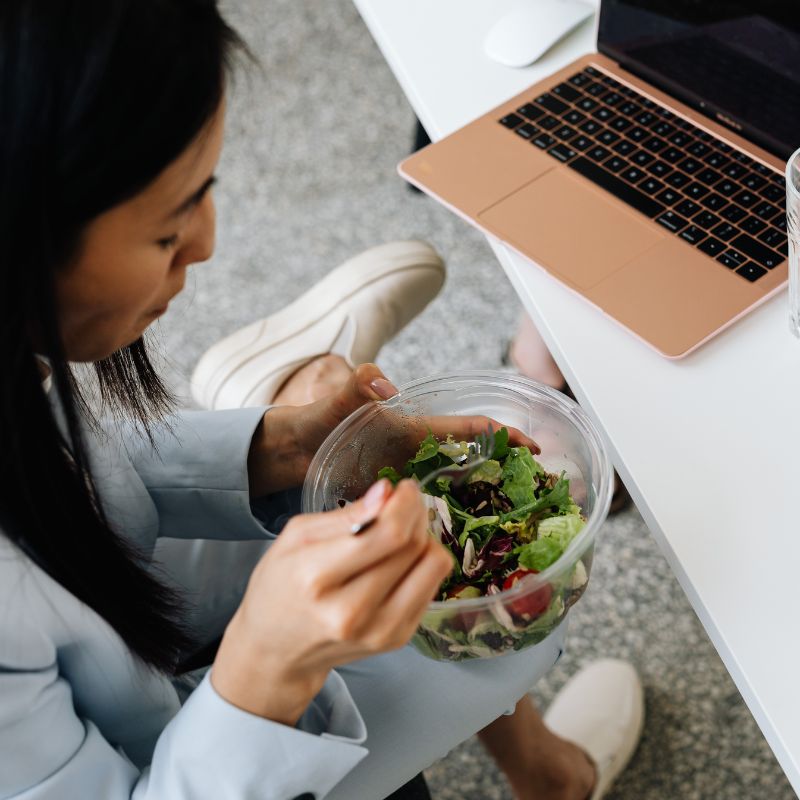
Carbs are not the enemy. The type and portion matter. Oats, beans, lentils, potatoes, fruit, vegetables, and brown rice bring fiber and nutrients. Sugary cereal, pastries, soda, and candy are the ones that are easier to overeat.
A better approach:
- Choose fiber-rich carbs most often.
- Pair carbs with protein or healthy fat.
- Use portions that fit your hunger and goals.
- Do not cut out an entire food group unless your doctor recommends it.
- Try meals like rice with beans, oatmeal with yogurt, or potatoes with eggs.
If you feel better with fewer refined carbs, these low-carb meals offer simple ideas without making your meals feel boring.
10. Going “Fat-Free” With Everything
Fat-free does not always mean healthier. Some fat-free foods add sugar, and meals with no fat at all may leave you less satisfied.
Research recommends replacing saturated and trans fats with unsaturated fats from foods like nuts, seeds, avocado, fish, and plant oils.
Choose smarter fats:
- Add small portions of avocado, olive oil, nuts, seeds, salmon, or nut butter.
- Check fat-free packaged foods for added sugar.
- Choose whole-food fat sources more often.
- Use fat to make meals satisfying, not excessive.
11. Doing Only Cardio and Ignoring Strength Training
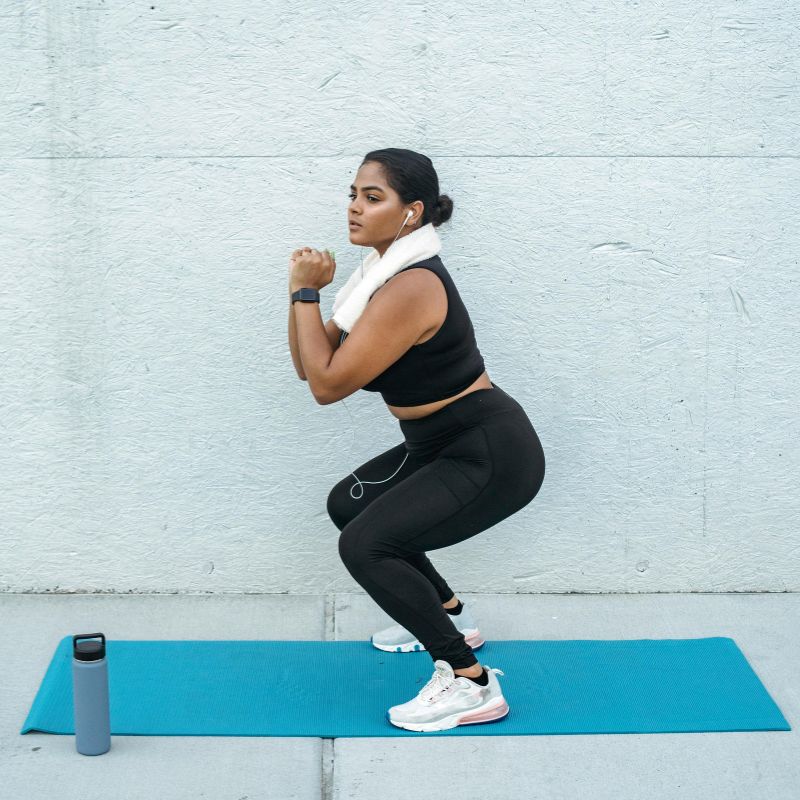
Cardio is wonderful for your heart, mood, and energy, but strength training deserves a place, too. Muscle helps support your body, your metabolism, and your shape as you lose weight.
Research recommends 150 minutes of moderate-intensity physical activity each week, plus 2 days of muscle-strengthening activity.
Move this way:
- Keep walking, dancing, biking, or swimming if you enjoy it.
- Add strength training twice a week.
- Start with squats, wall push-ups, rows, lunges, or glute bridges.
- Focus on good form before heavier weights.
- Remember that simple and consistent beats intense and temporary.
If strength training feels intimidating, this beginner’s guide to weight training can help you start with the basics before adding it to your weekly routine.
Final Thoughts on Losing Weight in a Healthier Way
Losing weight does not have to mean changing your whole life overnight. Most of the time, progress starts with noticing one small habit that keeps getting in the way and replacing it with something kinder, simpler, and easier to repeat.
Maybe for you, that habit is skipping meals. Maybe it is sleeping too little, drinking hidden calories, avoiding strength training, or letting weekends erase your weekday effort. Start with one. Give yourself time. Losing weight is not about perfection; it is about building a healthier rhythm you can actually live with.
Which of these habits do you think has been quietly affecting your progress the most?

Hi I’m Ana. I’m all about trying to live the best life you can. This blog is all about working to become physically healthy, mentally healthy and financially free! There lots of DIY tips, personal finance tips and just general tips on how to live the best life.
Leave a Reply