
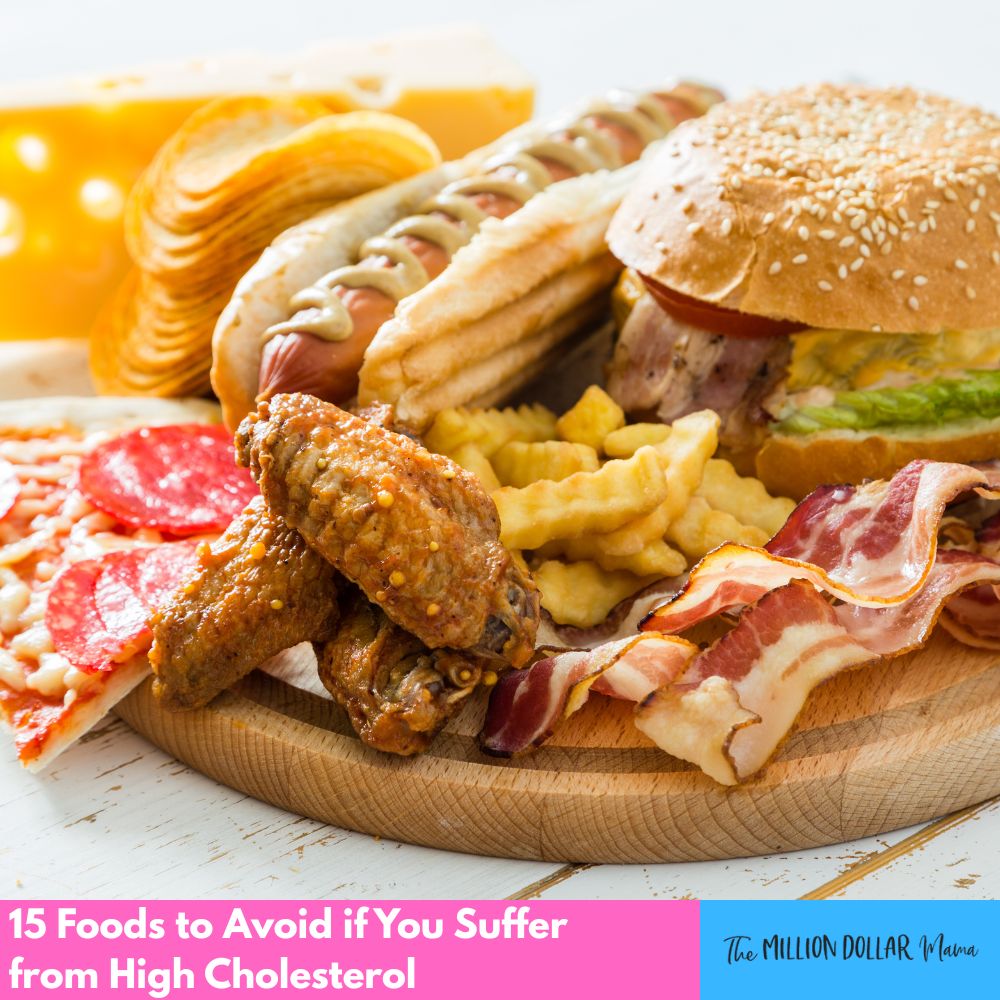
You’re standing in the grocery aisle with your latest lab results still on your mind. Suddenly, breakfast, dinner, and even your favorite snack feel like complicated decisions. Have you ever wished someone would simply explain the foods to avoid with high cholesterol without making you afraid of everything on your plate?
I understand how confusing it feels when one article tells you to avoid eggs and another says they’re fine.
Food labels don’t make the decision much easier, especially when ingredients such as butter, cream, and coconut oil appear in unexpected places.
This guide focuses on 15 everyday foods that deserve extra attention. More importantly, everyone comes with a realistic alternative, because eating for your heart should still feel comforting, flavorful, and possible during a busy week.
You may also like these natural ways to lower cholesterol.
What Makes a Food Unfriendly to Your Cholesterol?
About 86 million U.S. adults have total cholesterol above 200 mg/dL, according to research. The bigger dietary concern isn’t cholesterol in food alone. Saturated fat can raise LDL, or “bad,” cholesterol, while trans fat raises LDL and can lower protective HDL. Experts recommend getting less than 6% of daily calories from saturated fat, about 13 grams on a 2,000-calorie diet.
Before buying a packaged food:
- Check saturated fat per serving.
- Confirm how many servings you’ll actually eat.
- Scan for “partially hydrogenated oil.”
- Remember that less than 0.5 grams of trans fat may appear as “0 g” on a U.S. label.
- Compare similar products rather than trusting front-of-label claims.
- Add more foods to lower bad cholesterol to your cart.
15 Foods to Avoid With High Cholesterol
1. Deep-Fried Chicken
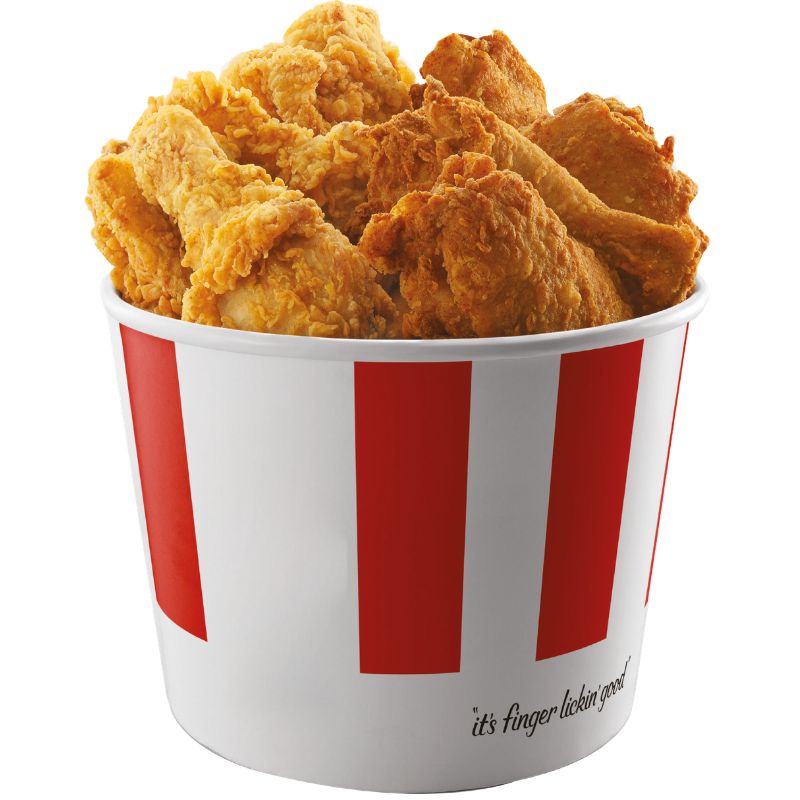
The skin, breading, and frying oil can stack several sources of saturated fat in one meal. A restaurant order may also contain multiple pieces.
- Try instead: Bake or air-fry skinless chicken with spices and a light whole-grain coating.
2. French Fries and Onion Rings
Deep-frying turns simple vegetables into oil-heavy sides, and oversized fast-food portions make the total climb quickly.
- A smarter side: Roast potato wedges or vegetables with a small amount of olive oil.
3. Bacon
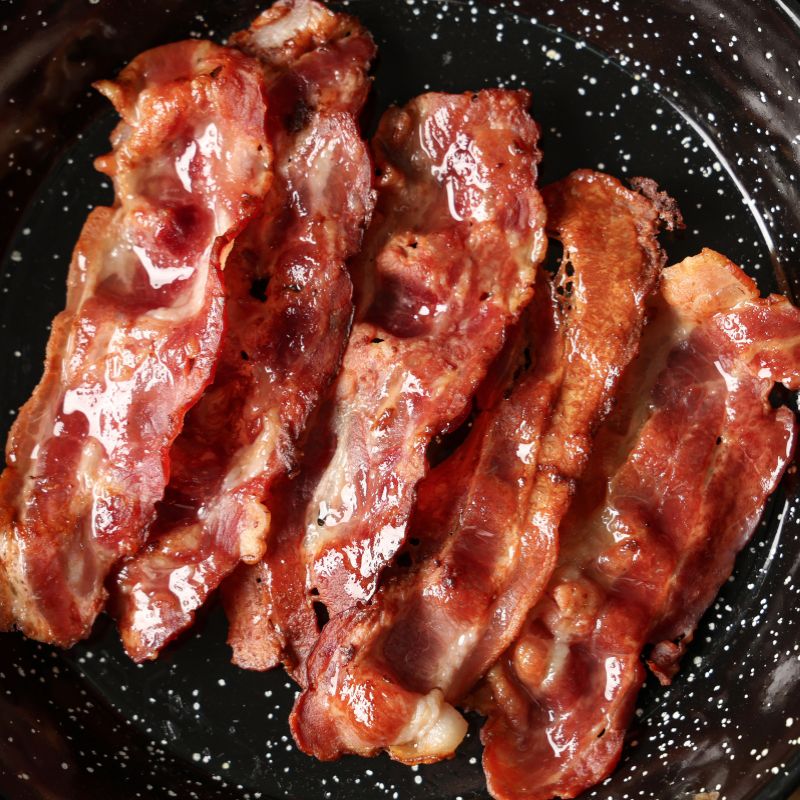
Bacon contains saturated fat and is often paired with buttered toast, cheese, or sausage, creating a breakfast with several cholesterol-raising fats.
- Choose this: Try avocado toast, beans, or oatmeal with nuts for a more heart-friendly morning.
4. Sausages and Hot Dogs
Many sausages and hot dogs are made with fatty meat. Even poultry versions may contain considerable saturated fat, so “turkey” isn’t an automatic green light.
- Check before buying: Compare labels or choose beans, fish, or grilled skinless chicken.
- Watching sodium too? See these foods to avoid if you suffer from high blood pressure.
5. Fatty Cuts of Red Meat
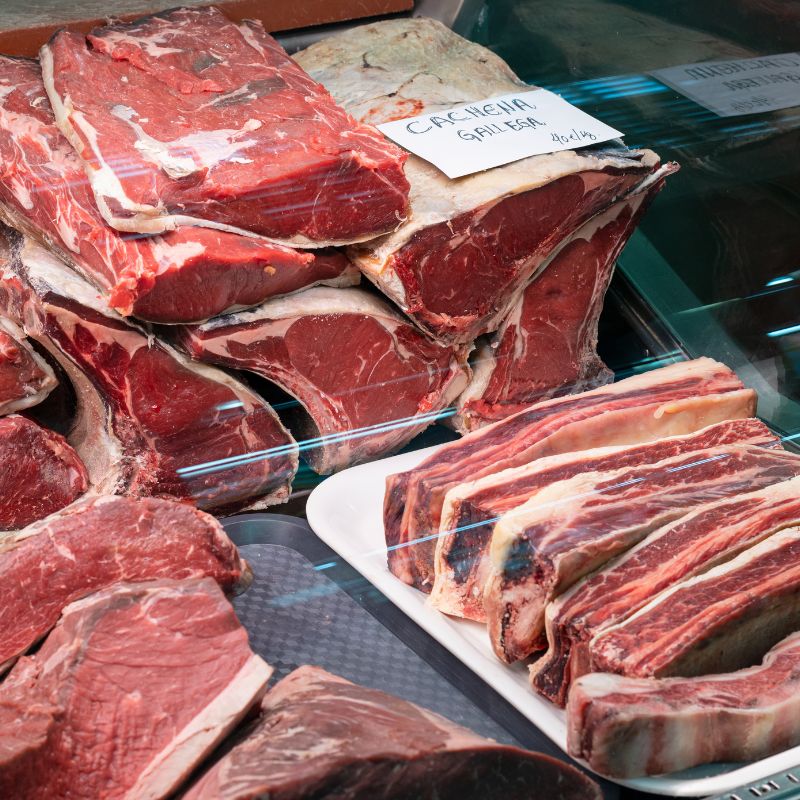
Ribeye, brisket, short ribs, and highly marbled ground beef contain more saturated fat than lean proteins. Marbling runs through the meat, so you can’t simply trim it all away. Research identifies fatty red meat as a major source of saturated fat.
- Better on your plate: Pick fish, tofu, beans, skinless poultry, or beef that’s at least 90% lean.
Readers also enjoyed: How Cholesterol Can Affect Brain Function.
6. Poultry Skin
Chicken and turkey can fit into a heart-friendly meal, but leaving the skin on adds saturated fat you can easily skip.
- Simple adjustment: Remove the skin and build flavor with citrus, garlic, pepper, paprika, or fresh herbs.
7. Butter
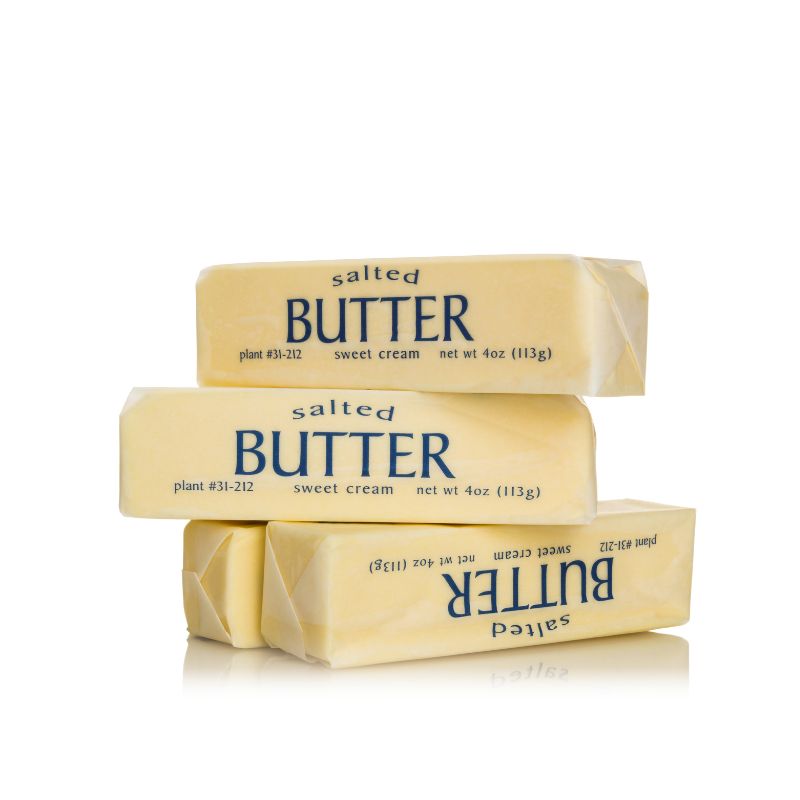
Butter is concentrated in saturated fat. A little on toast, another spoonful for cooking, and more over vegetables can quietly add up.
- Use instead: Choose olive, canola, safflower, or avocado oil in modest amounts.
8. Ghee, Lard, and Solid Shortening
These solid cooking fats are also concentrated sources of saturated fat. Shortening deserves an ingredient check for partially hydrogenated oil, the main source of artificial trans fat.
- In your kitchen: Replace solid fats with a liquid vegetable oil whenever the recipe allows.
9. Coconut Oil and Coconut Milk
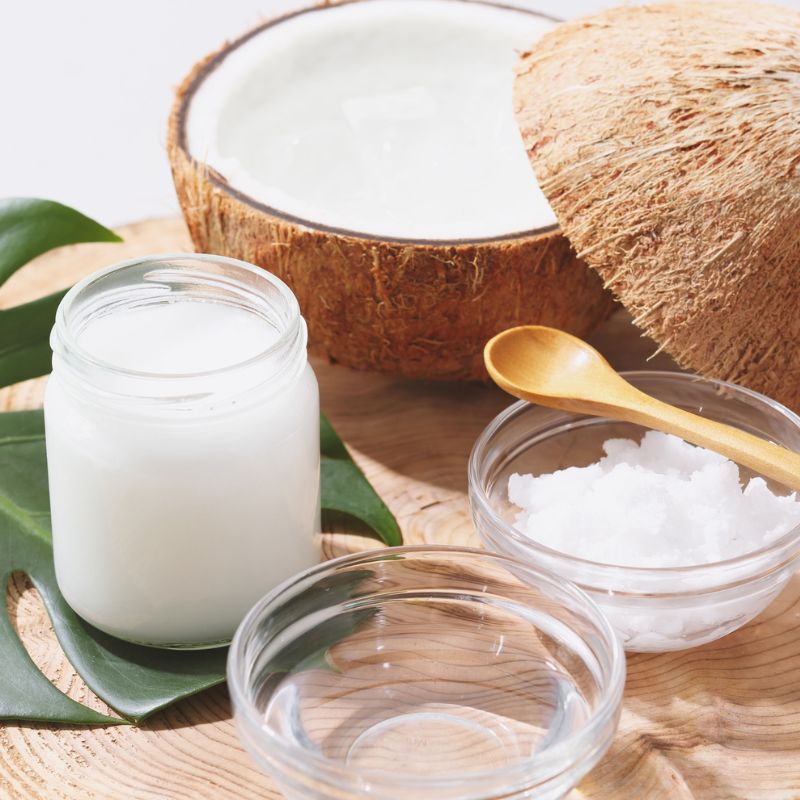
“Plant-based” doesn’t always mean cholesterol-friendly. Coconut oil and full-fat coconut milk are high in saturated fat, despite their healthy-looking reputation. Coconut and palm oils are both listed as key sources by research.
- For similar uses, cook with olive or canola oil, and choose light coconut milk when its flavor is essential.
10. Full-Fat Cheese
Cheddar, cream cheese, and many hard cheeses can contribute substantial saturated fat, especially when a “sprinkle” becomes several handfuls.
- Keep the flavor: Use less of a strong cheese, or try reduced-fat cheese, hummus, or avocado.
11. Heavy Cream and Whole Milk
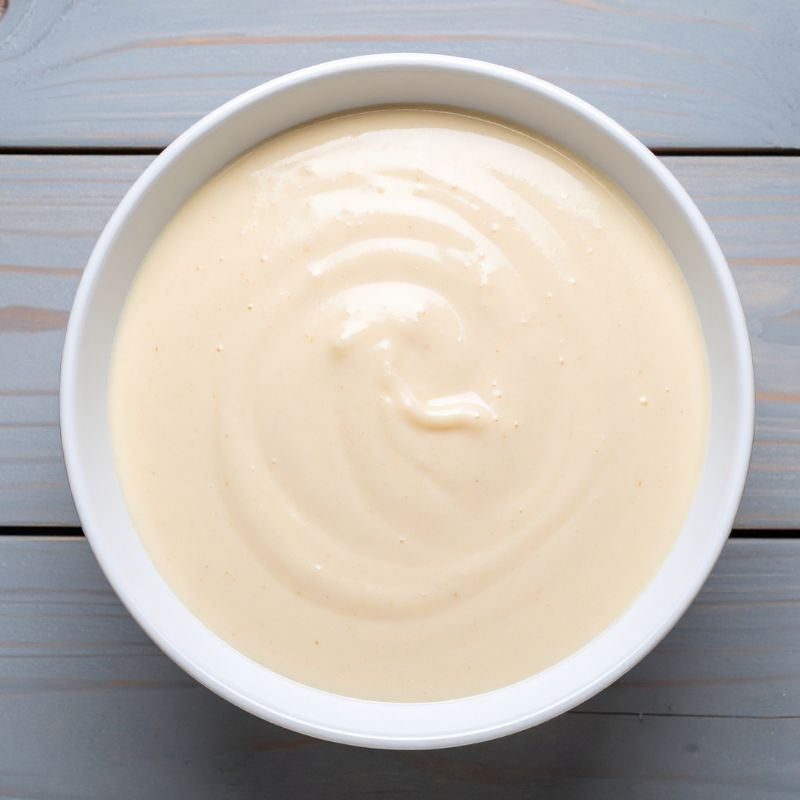
These aren’t limited to the dairy aisle. They also hide in creamy coffees, soups, smoothies, and sauces, where portions are harder to judge.
- Lighten it up: Choose low-fat milk, unsweetened soy milk, or evaporated skim milk for recipes.
12. Ice Cream and Thick Milkshakes
Ice cream combines full-fat dairy with added sugar, and milkshakes can contain several servings. Added sugar deserves extra attention when triglycerides are elevated too.
- Satisfy the craving: Blend frozen fruit or serve low-fat plain yogurt with berries.
Million Dollar Mamas have also searched for: Can People With Diabetes Eat Ice Cream?
13. Doughnuts, Croissants, and Commercial Pastries
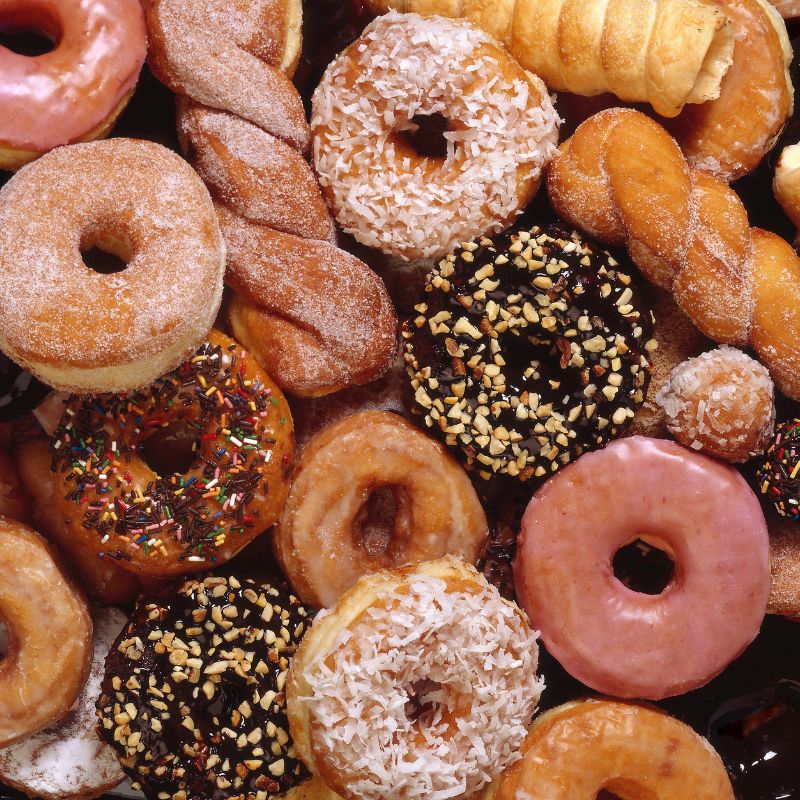
These treats may combine butter, shortening, palm oil, and sometimes frying oil, packing several sources of unhealthy fat into one breakfast.
- Start differently: Have oatmeal with fruit or whole-grain toast with natural nut butter.
14. Packaged Cookies and Frosted Cakes
Commercial baked goods frequently contain butter, palm oil, shortening, or creamy fillings.
Research confirms that trans fat raises LDL cholesterol, so the ingredient list matters even when the label says “0 g.”
- For something sweet: Pick fruit, unsalted nuts, or homemade oatmeal bites.
15. Meat-Lover’s Pizza and Creamy Fast-Food Meals
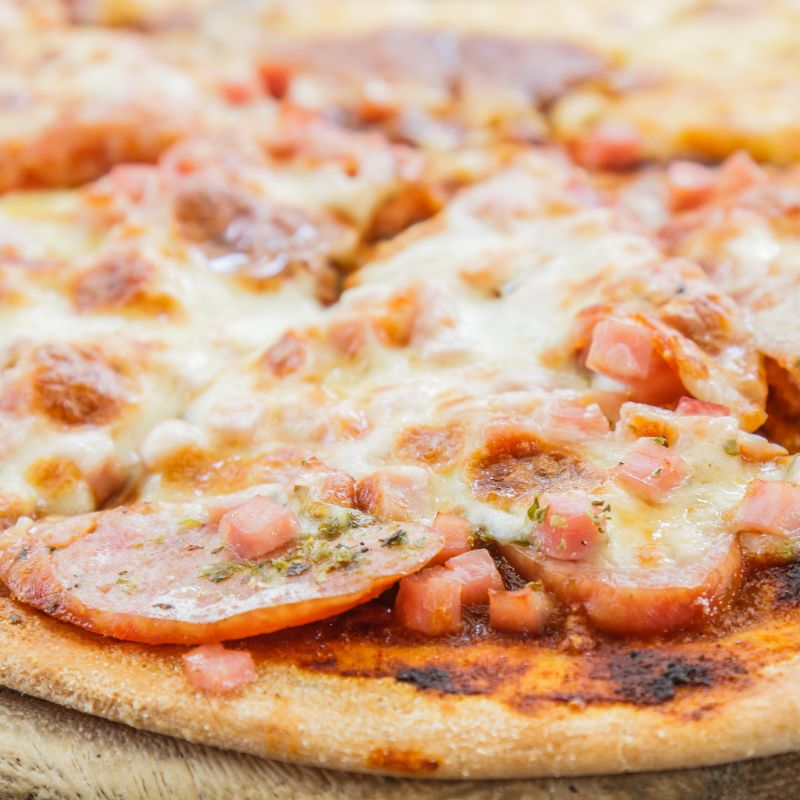
Pepperoni, sausage, extra cheese, and a buttery crust all contribute to several sources of saturated fat. Creamy pasta and cheesy casseroles can create the same problem.
- Order differently: Try vegetable pizza with light cheese, tomato-based pasta, or a bean-and-vegetable grain bowl.
- For more ideas, explore these foods that can balance blood pressure.
Foods You Probably Don’t Need to Fear
Some foods contain dietary cholesterol but don’t necessarily have the same effect on blood cholesterol as foods high in saturated and trans fats. For most people, these foods don’t automatically belong on a universal “never eat” list:
- Eggs: Although egg yolks contain dietary cholesterol, eggs can still fit into a balanced, heart-friendly eating pattern.
- Non-fried shellfish: Shrimp, crab, and lobster are relatively low in saturated fat when they’re steamed, grilled, baked, or boiled.
- What changes the meal: Frying these foods or serving them with butter, cheese, or creamy sauces adds saturated fat and makes the overall dish less heart-friendly.
- When to ask for guidance: If you have familial hypercholesterolemia or another medical condition, ask your clinician how often these foods are appropriate for you.
If grocery costs make these choices feel harder, these ways to eat healthy on a tight budget can help you make heart-friendly changes without overspending.
Final Thoughts on Foods to Avoid With High Cholesterol
Learning the foods to avoid with high cholesterol isn’t about becoming perfect or banning every favorite forever. Start with the two foods you eat most often and find swaps you genuinely enjoy. Small choices become much easier to repeat when they still taste good and fit your routine.
Diet can support cholesterol management, but it can’t replace prescribed medication or individualized advice from your doctor or registered dietitian.
Which heart-friendly swap feels realistic enough for you to try this week?

Hi I’m Ana. I’m all about trying to live the best life you can. This blog is all about working to become physically healthy, mentally healthy and financially free! There lots of DIY tips, personal finance tips and just general tips on how to live the best life.
Leave a Reply