
When you picture yourself getting older, what do you see? I don’t just hope to have more birthdays. I want to still carry my groceries, climb the stairs, cook my own meals, travel, and get dressed without needing someone beside me. That’s why developing habits for an independent aging is worth thinking about long before retirement.
Your 30s may feel too early to worry about how you’ll move in your 70s or 80s. But I like to think of it differently: you’re not preparing to be old. You’re building a body and lifestyle that give your future self more options.
And thankfully, this doesn’t require an extreme diet or spending every morning in the gym. Small things you repeat for decades can become the foundation for staying strong, mobile, mentally engaged, and capable of managing your own routine.
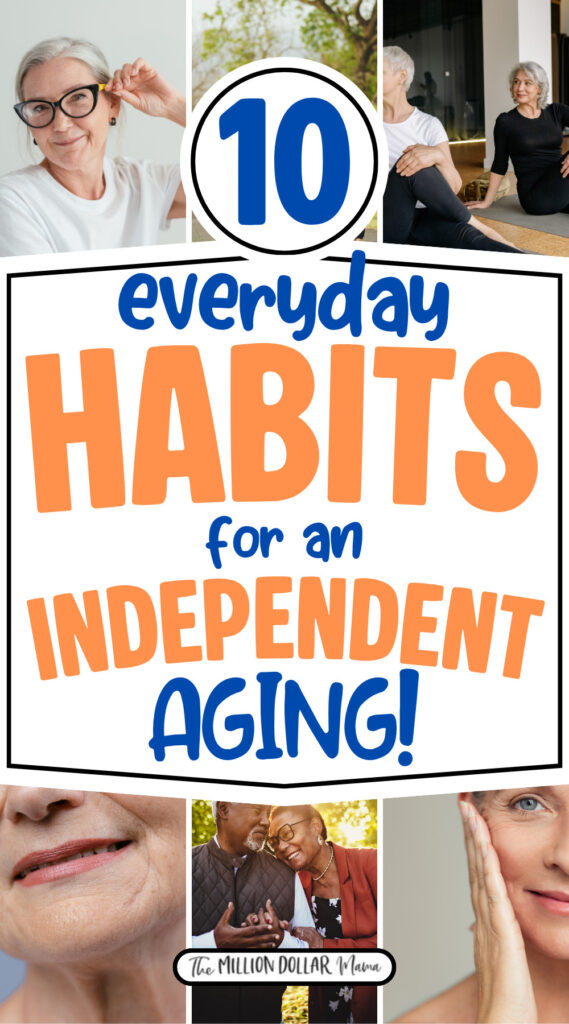
If you’re ready to take a broader approach to your well-being, these habits for starting a holistic lifestyle are a simple place to begin.
What Does Independent Aging Actually Look Like?
Independent aging means maintaining enough physical and cognitive ability to manage everyday life with little or no assistance. That can include getting out of bed, walking around your neighborhood, preparing meals, carrying groceries, doing household chores, and getting up from a chair.
According to research, physical activity can improve physical function and make many daily activities easier, helping older adults maintain independence.
Here are 10 habits worth building now.
Habits for Independent Aging That Your Future Self Will Thank You For
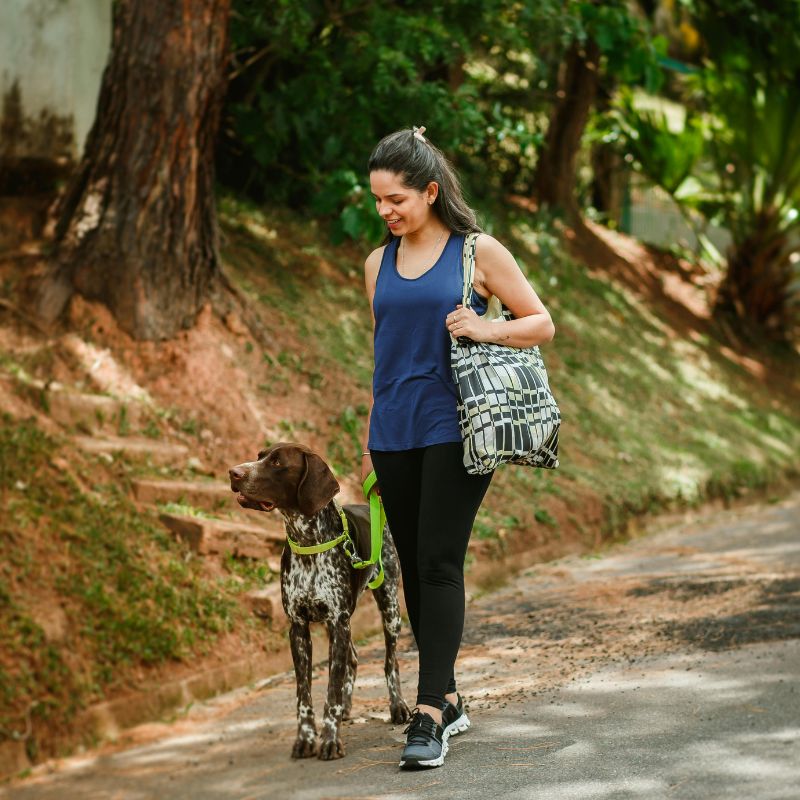
1. Walk Every Day, and Sit Less
Walking may feel almost too simple to count as a longevity habit, but that’s part of its appeal. It’s easy to fit around work, errands, family life, and everything else competing for your time. You can also explore the health benefits of walking to see just how much this simple habit can support your well-being.
Fit more walking into your routine:
- Take a short walk after lunch or dinner.
- Walk during phone calls.
- Choose stairs when practical.
- Get up regularly during desk-heavy days.
- Walk nearby errands when you can.
Research recommends that adults get at least 150 minutes of moderate-intensity activity each week, along with muscle-strengthening activity on two days.
Think consistency before intensity.
2. Make Strength Training a Lifelong Habit
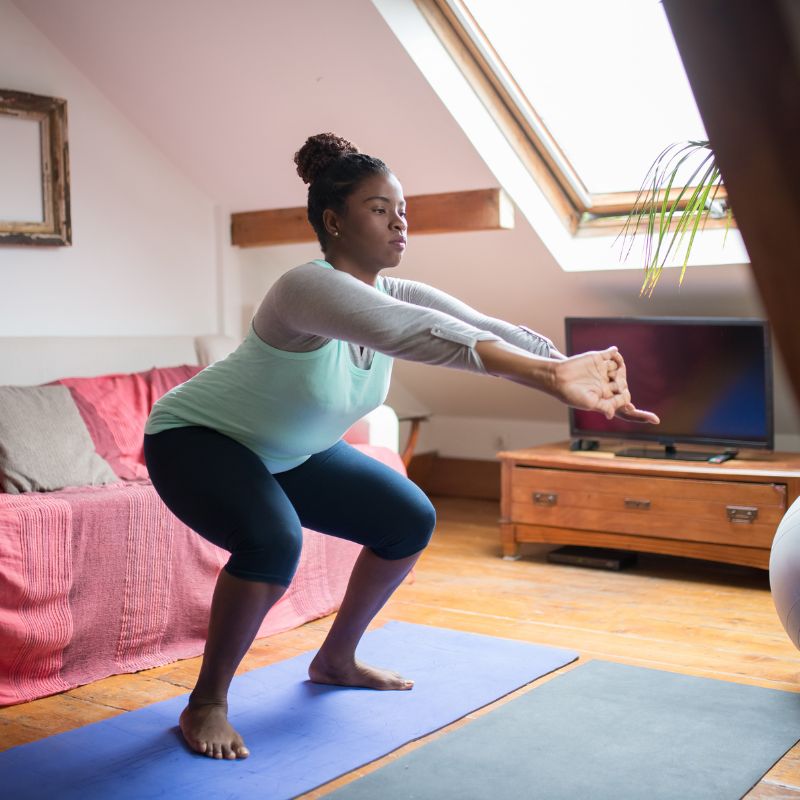
If I had to prioritize one habit for future physical independence, strength training would be near the top.
Research indicates that muscle mass and strength generally peak around ages 30 to 35 and then gradually decline, although staying active can substantially slow age-related losses. Strong muscles make everyday actions like getting out of a chair, carrying bags, and climbing stairs easier.
Start with basic movements such as:
- Squats or sit-to-stands
- Step-ups or lunges
- Rows
- Push-ups or presses
- Hip hinges
- Carries
Prefer exercising at home? These at-home workout programs for women can help you get started.
3. Practice Balance Before You Need To
Balance training can seem like something for your grandmother, but that’s exactly why I love the idea of beginning earlier.
Balance works together with muscle strength and coordination to keep you steady. For adults 65 and older, research specifically recommends balance activity alongside aerobic exercise and strength training because all three support physical function.
Sneak it into daily life:
- Stand on one leg while brushing your teeth.
- Try controlled step-ups.
- Practice heel-to-toe walking.
- Add yoga or tai chi to your week.
Use a wall or sturdy counter for support when necessary.
4. Keep Your Joints Moving
You need more than strength to tie your shoes, reach a high shelf, bend down, or get up from the floor comfortably.
Flexibility allows joints to move through their range of motion, and maintaining it makes exercise and daily activities easier.
- Keep it simple: move your ankles and hips, reach overhead, stretch after sitting for long periods, and include a few minutes of comfortable mobility work around your workouts.
5. Keep Doing the Movements Real Life Requires
A workout doesn’t have to happen inside a gym.
Research notes that better physical function can make activities such as household chores, getting in and out of a chair or bed, and moving around your neighborhood easier.
Keep practicing everyday independence:
- Carry your own grocery bags.
- Take the stairs.
- Get up from chairs without using your hands when comfortable.
- Carry laundry around the house.
- Spend some time on the floor and practice getting back up safely.

6. Build Meals Around Your Muscles and Bones
Instead of chasing a perfect “anti-aging diet,” think about feeding the structures that keep you moving.
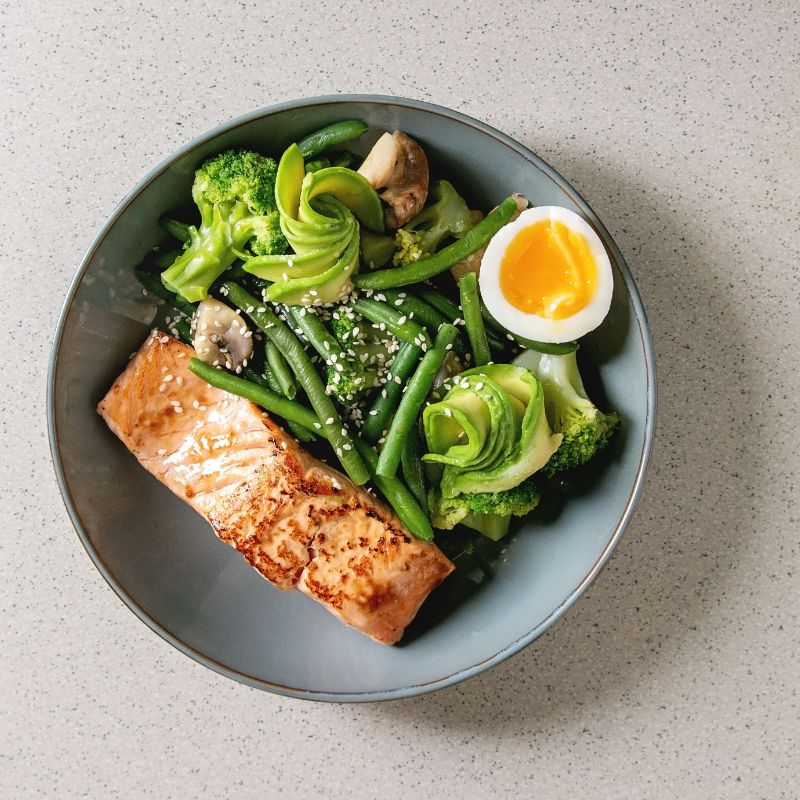
Protein is especially important for maintaining muscle. Research recommends incorporating foods such as seafood, dairy or fortified soy products, beans, peas, and lentils to help meet protein needs. Calcium and vitamin D also play important roles in maintaining strong bones.
A practical plate might include:
- Eggs, fish, yogurt, tofu, beans, or lentils
- Plenty of vegetables or fruit
- Whole grains or other minimally processed carbohydrates
- Healthy fats
- Calcium-rich foods
Need more ideas? These high-protein, low-calorie foods for muscle growth make it easier to add more protein to everyday meals.
7. Protect Your Sleep Schedule
Sleep isn’t time stolen from productivity. It’s part of taking care of the body and brain you’ll depend on later.
Adults, including older adults, generally need 7 to 9 hours of sleep per night.
Build a routine that can grow with you:
- Keep your bedtime and wake time fairly consistent.
- Create a wind-down routine.
- Keep your bedroom quiet and comfortable.
- Avoid making late caffeine a daily habit.
- Talk with a healthcare professional if sleep problems become persistent.
8. Keep Learning Things That Challenge You
Your brain deserves exercise too, but that doesn’t mean forcing yourself to complete endless Sudoku puzzles.
Cognitive training and meaningful mentally stimulating activities show promise, although researchers are still studying how strongly specific activities protect cognition over the long term.
- Try learning a language, instrument, recipe, craft, or technology skill that makes you think a little harder than usual.
You may also enjoy: healthy habits to improve your self-esteem and simpler ways to support your overall well-being.
9. Stay Social on Purpose
Friendships don’t always maintain themselves. Careers, children, moving, retirement, illness, and loss can gradually shrink our circles.
That’s why staying connected is a habit worth practicing now. Research reports that social isolation and loneliness in older adults are associated with problems including depression, heart disease, and cognitive decline.
- Call friends, share meals, exercise with someone, volunteer, join a group, or keep at least one hobby that brings you around other people.
10. Protect Your Vision and Hearing Every Day
Being independent also means being able to understand what’s happening around you, communicate, navigate unfamiliar places, and move safely.
Some hearing damage from excessive noise is preventable. Turning the volume down, moving away from loud noise, taking listening breaks, and using hearing protection when loud environments can’t be avoided.
- For your eyes, research recommends protective eyewear when needed and sunglasses that block 99% to 100% of UVA and UVB radiation.
If screens often leave your eyes tired, these simple eye exercises may also help you give them a much-needed break.
A Simple Check-In for Your Habits for Independent Aging
Every few months, check whether your routine is supporting the abilities you’ll want to keep as you age.
Ask yourself:
- Can I walk comfortably for 20–30 minutes?
- Can I climb stairs and carry groceries without struggling?
- Can I stand up from a chair without using my hands?
- Can I get down to the floor and back up comfortably?
- Am I regularly challenging both my body and my brain?
You don’t need perfect answers. The goal is simply to notice which areas may need a little more attention now.
Final Thoughts on These Habits for Independent Aging
None of these Habits for Independent Aging can guarantee that you’ll never need help. Genetics, illnesses, injuries, and unexpected circumstances are part of life.
But that’s not really the point.
The goal is to arrive at later life with as much strength, mobility, balance, cognitive function, and confidence as you can. You don’t need your 30-year-old self to prepare perfectly for being 70; you just need to start giving your future self a stronger foundation.
So, which one of these habits could you realistically start this week?

Hi I’m Ana. I’m all about trying to live the best life you can. This blog is all about working to become physically healthy, mentally healthy and financially free! There lots of DIY tips, personal finance tips and just general tips on how to live the best life.
Leave a Reply