
Women in their 30s use GLP-1 medications more than ever, and the question keeps coming up in quiet conversations, doctors’ offices, and late-night Google searches: Should I be doing this, too? It feels like everywhere you look, someone is talking about Ozempic, Wegovy, or Mounjaro. The promise sounds simple: less hunger, faster weight loss, fewer cravings. But simple doesn’t always mean right.
I have a friend who’s 34. She cooks at home, walks after dinner, and gave up soda months ago. She’s genuinely trying, but the scale still hasn’t moved. Then she scrolls through Instagram and sees another transformation, another smiling face saying, “This changed my life,” and she texts me, half joking but half serious: “If I’m doing everything right… Why is this still so hard?“

It’s a fair question. And it deserves an honest answer, not hype, not shame, not pressure. Before deciding whether a GLP-1 medication makes sense in your 30s, it’s important to understand what these drugs actually do.
When they’re medically appropriate, what risks come with them, and whether there are healthier foundations that should come first.
Before I can answer that question that might be haunting you, there are several habits that might be sabotaging your weight loss journey that you should check out first, HERE.
What Are GLP-1 Medications and How Do They Work?
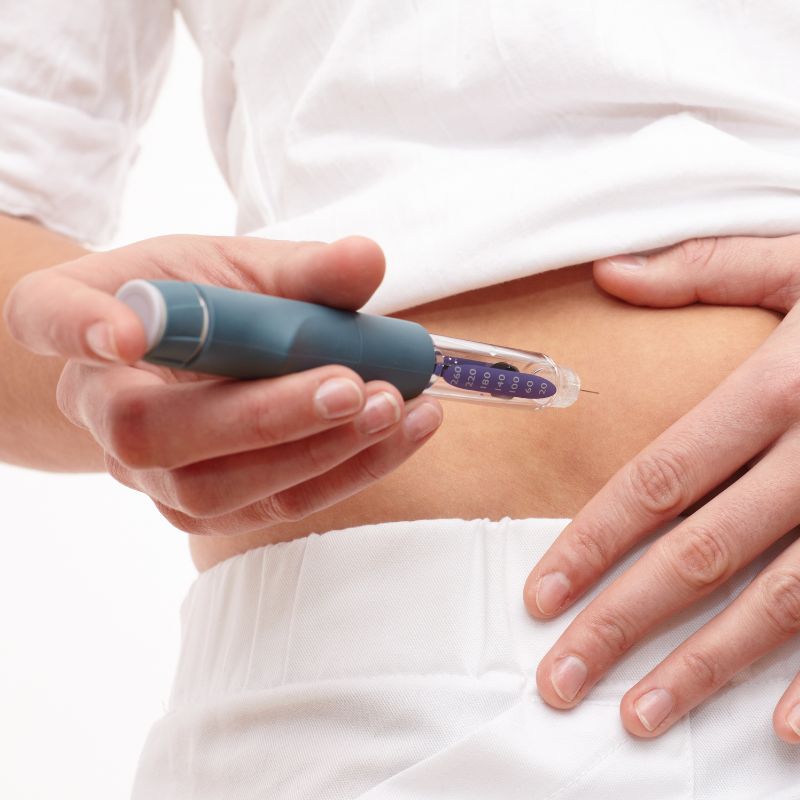
GLP-1 stands for glucagon-like peptide-1, a hormone your body naturally releases in the gut after eating. It helps regulate:
- Insulin secretion
- Blood sugar levels
- Appetite
- Gastric emptying
GLP-1 receptor agonist medications mimic this hormone. They slow digestion, increase feelings of fullness, reduce hunger signals, and improve blood sugar control.
Originally, these medications were approved for:
- Type 2 diabetes
- Obesity (BMI ≥30, or ≥27 with related conditions like hypertension or diabetes)
In large clinical trials, semaglutide (Wegovy) helped participants lose an average of about 15% of body weight over 68 weeks. That’s significant.
But these are prescription metabolic drugs, not cosmetic weight-loss tools. They were designed to treat disease, not mild frustration with stubborn pounds.
Why Women in Their 30s Are Considering GLP-1 Drugs
Your 30s can feel different metabolically.
Resting metabolic rate gradually declines with age. Muscle mass tends to decrease if strength training isn’t prioritized. Stress often increases due to career demands, caregiving, and financial responsibilities. Cortisol levels may stay elevated. Sleep often suffers.
Add postpartum weight retention for some women, and the frustration is real.
Then there’s the cultural pressure. Social media has normalized the use of injectable weight-loss medications.
If you’re specifically wondering whether Ozempic is safe for weight loss, I break that down in detail in Can You Use Ozempic to Lose Weight Safely?, where I explain who it’s actually designed for and what current medical guidelines recommend.
But frustration alone does not automatically justify medication.
When GLP-1 Medications May Be Medically Appropriate
There are situations where GLP-1 drugs are absolutely appropriate, and even life-changing.
1. Diagnosed Obesity
Medical guidelines recommend GLP-1 medications for:
- BMI ≥30
- BMI ≥27 with weight-related conditions like:
- Hypertension
- Prediabetes
- Type 2 diabetes
- PCOS with insulin resistance
Weight can feel different in your 30s, often due to quite metabolic changes.
According to research, about 41.9% of U.S. adults meet criteria for obesity. In those cases, medical treatment may reduce the long-term risk of heart disease, stroke, and diabetes.
2. Documented Metabolic Dysfunction
If blood tests show insulin resistance or metabolic syndrome, GLP-1 medications can improve glycemic control and cardiovascular risk markers.
3. Structured Lifestyle Efforts Have Failed
Doctors typically recommend that patients attempt supervised nutrition and physical activity interventions before medication.
Here’s the key distinction: These drugs are designed for medical obesity and metabolic disease, not for 10 pounds of stubborn weight in an otherwise healthy person.
Health Risks of GLP-1 Medications in Women in Their 30s
This is where nuance matters.
Gastrointestinal Effects

The most common side effects include:
- Nausea
- Vomiting
- Diarrhea
- Constipation
In clinical trials, gastrointestinal symptoms were reported in a significant portion of participants, particularly during dose escalation.
Muscle Loss
Rapid weight loss often includes lean muscle mass. Research suggests that up to 25–40% of the weight lost with GLP-1 medications may be due to fat-free mass.
Losing muscle in your 30s can:
- Lower metabolic rate in the long term
- Increased risk of future sarcopenia
- Make weight regain more likely
If muscle isn’t preserved with adequate protein and resistance training, the metabolic cost can be real.
Hormonal Disruption
Rapid fat loss can influence estrogen levels. Fat tissue plays a role in hormone metabolism. While some women with PCOS may see improved ovulation, we still lack long-term reproductive data in healthy women.
Fertility and Pregnancy Concerns
GLP-1 medications are not recommended during pregnancy. They must be discontinued before conception. Long-term effects on reproductive health are still being studied.
Gallbladder and Pancreas Risk
Rapid weight loss increases the risk of gallstones. There is also a rare but documented risk of pancreatitis.
Psychological Effects
Appetite suppression alters hunger cues. Some people report emotional shifts around food, reward, and motivation. These medications affect brain pathways tied to dopamine.
And here’s the honest truth: long-term safety data in healthy young women is still limited.
The Problem With Using GLP-1 for “Cosmetic” Weight Loss
When someone has a normal BMI and no metabolic disease, the risk-benefit balance changes.
Weight regain after discontinuation is common.
If the underlying habits remain unchanged, poor sleep, chronic stress, and low muscle mass, the medication becomes a temporary patch.
A drug cannot replace metabolic foundations.
Healthier Alternatives Women in Their 30s Should Try First
Before considering medication, the foundation deserves attention. Additionally, there are many ways women in their 30s can lose weight, that you’ll about to learn about now.
Build Muscle Intentionally

Strength training 3–4 times per week increases insulin sensitivity and helps preserve lean mass. If you’re unsure where to start, I’ve broken this down step by step in Build Muscle to Lose Weight.
Many women in their 30s are under-muscled, not “broken.”
Prioritize Protein
Choosing protein-rich foods that support muscle without excessive calories can make this easier.
I’ve shared practical options in High-Protein, Low-Calorie Foods for Muscle Growth if you need ideas that actually fit into real life.
General guidance suggests roughly 0.8–1.6 grams of protein per pound of body weight for active adults.
Fix Sleep
Research reports that adults need 7–9 hours of sleep. Sleep deprivation increases ghrelin (a hunger hormone) and reduces leptin (a satiety hormone). It also worsens insulin resistance.
Sleep is not optional if fat loss is the goal.
Regulate Stress
Chronic stress elevates cortisol, which can contribute to abdominal fat storage and disrupt sleep patterns.
I talk more about how stress hormones interfere with rest in How Stress Hormones Impact Women’s Sleep, because sleep and cortisol are deeply connected.

Improve Insulin Sensitivity Naturally
- Walk 10–15 minutes after meals
- Increase fiber intake (25–30g daily)
- Focus on whole foods
- Reduce ultra-processed foods
Screen for Underlying Issues
Sometimes weight struggles stem from:
- Thyroid dysfunction
If you suspect your thyroid may be playing a role, I explore how thyroid hormones influence weight regulation in The Thyroid-Weight Connection.
- Vitamin D deficiency
- PCOS
- Iron deficiency
Iron deficiency is especially common in women in their 30s and can silently impact metabolism and fatigue. Testing matters before injecting anything.
Many women in their 30s are sleep-deprived, stressed, and sedentary, not medically obese.

Final Thoughts: Should Women in Their 30s Use GLP-1 Medications?
GLP-1 medications are powerful medical tools. For women with obesity and metabolic disease, they can reduce the risk of diabetes, improve cardiovascular health, and genuinely transform quality of life.
But they are not harmless appetite suppressants.
Today, more women in their 30s use GLP-1 medications hoping for faster weight loss, yet the decision should never be casual or trend-driven. In otherwise healthy women in their 30s, lifestyle optimization should come first. Sustainable weight management is built on:
- Muscle
- Metabolic resilience
- Hormonal balance
- SleepStress regulation
The scale might not respond as quickly as an injection promises. But health is not just about shrinking your body, it’s about strengthening it.
If the real issue isn’t your willpower, but your habits and physiology, wouldn’t it make more sense to fix the foundation before turning to medication?

Hi I’m Ana. I’m all about trying to live the best life you can. This blog is all about working to become physically healthy, mentally healthy and financially free! There lots of DIY tips, personal finance tips and just general tips on how to live the best life.
Leave a Reply