
It was 2:13 a.m. when the hubby woke up again, with a dry mouth, a slightly sore throat, and that familiar feeling of unrest. My husband gently whispered, “was I snoring?” In that moment, I found myself wondering, can mouth-taping help someone sleep better, or is it just another late-night fix we hope will finally work?
Have you ever woken up tired even after what should have been a full night’s sleep, wondering if something as simple as how you breathe could be the reason?
Lately, a trending solution has been surprisingly simple: mouth taping for sleep. But are mouth tapes actually effective for better sleep, or just another wellness trend circulating on social media?
Let’s take a calm, honest look at what this practice really involves, what might help, what might not, and what science truly says about it.
What Is Mouth Taping?
A Simple Definition
Mouth taping involves placing a small strip of medical or specialty adhesive tape over the lips before bed to encourage nasal breathing during sleep.
It is not:
- A treatment for sleep apnea
- A substitute for CPAP
- A medically approved device
It is simply a behavioral tool meant to discourage mouth breathing.
Why Do People Use Mouth Tape?
The main goal is to promote nasal breathing at night.
Advocates claim it can:
- Reduce snoring
- Improve sleep quality
- Prevent dry mouth
- Enhance oxygen exchange
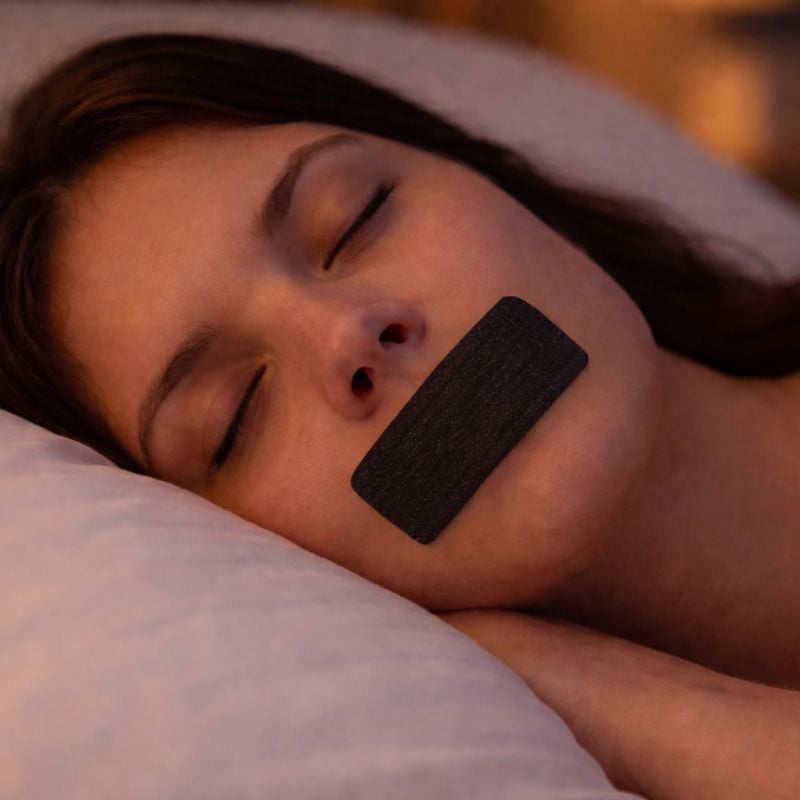
The theory holds that nasal breathing is more physiologically efficient than mouth breathing.
If you frequently feel exhausted despite sleeping enough hours, you may want to explore other possible causes as well, including hormonal shifts, stress, or fragmented sleep patterns.
Why Mouth Taping Became Popular
Over the past few years, breathwork influencers, athletes, and wellness communities have emphasized the benefits of nasal breathing. The popularity of books and podcasts discussing nitric oxide, oxygen efficiency, and breathing optimization fueled interest.
But popularity does not equal clinical validation, and this is where careful analysis matters.
How Mouth Taping Works
The Mechanics
When your lips are gently sealed, air must pass through the nose. Nasal breathing:
- Filters particles
- Warms and humidifies the air
- Produces nitric oxide, which supports oxygen exchange
Research shows nitric oxide from the nasal passages may improve oxygen uptake in the lungs.
The Biological Rationale
During sleep, muscle tone in the airway decreases. Mouth breathing can worsen airway collapse in some individuals.
However, this is critical: taping the mouth does not fix a structural airway obstruction.
What Mouth Taping Does NOT Do
It does not:
- Cure obstructive sleep apnea (OSA)
- Replace CPAP therapy
- Treat anatomical airway narrowing
What Does the Research Say?
The truth is that research is limited. This method is so new that no too many specialists have covered the subject. However, there are some papers we can take a look at.
A study examined mouth taping in patients with mild obstructive sleep apnea and found a modest reduction in the snoring index. However, the sample size was very small and not generalizable.
Most available data:
- Are small trials
- Short duration
- Focus on mild cases
There is no large-scale, high-quality clinical evidence proving that mouth taping significantly improves sleep architecture or long-term outcomes.
That doesn’t mean it never helps; it means evidence is currently limited.
Potential Benefits (For the Right Person)
Mouth-taping is not a magic solution, but for the right person, it may offer small but meaningful improvements.
You might notice benefits if you:
- Naturally breathe through your mouth at night
- Wake up with dry mouth or bad morning breath
- Snore lightly (without diagnosed sleep apnea)
- Can breathe comfortably through your nose
If that sounds like you, here’s what you could realistically expect:
1. Less Dry Mouth and Better Oral Comfort
When you sleep with your mouth open, saliva evaporates quickly. Saliva plays an essential role in protecting teeth and balancing oral bacteria. Chronic dry mouth is associated with a higher risk of cavities and gum irritation because saliva plays a protective role in oral health.
Encouraging nasal breathing may:
- Help maintain natural moisture
- Reduce morning sore throat
- Improve overall mouth comfort
For some people, that alone improves how rested they feel in the morning.
2. Mild Reduction in Simple Snoring
Snoring often happens when airflow causes soft tissues in the throat to vibrate. In mild cases (not obstructive sleep apnea), nasal breathing can create steadier airflow and slightly reduce vibration.
While it won’t eliminate snoring in everyone, some partners report:
- Softer snoring
- Fewer snoring episodes
- Less interrupted sleep for both people
Even small reductions can make a difference in shared sleep quality.
3. More Stable Breathing Patterns
Nasal breathing naturally slows airflow and promotes diaphragmatic breathing. For some adults, this may lead to:
- Fewer nighttime awakenings caused by dry mouth
- A calmer breathing rhythm
- A greater sense of continuity in sleep
This doesn’t necessarily change deep sleep stages significantly, but some people describe feeling “less fragmented” in their sleep.
Risks and Limitations
Because sleep health falls under YMYL (Your Money Your Life) health content, the risk discussion must be clear.
1. Anxiety or Claustrophobic Sensation
- Some people feel panic when their mouth is sealed.
2. Skin Irritation
- Adhesive can irritate lips or facial skin.
3. Breathing Complications
- If nasal passages are blocked, taping may cause distress.
4. Dangerous for Undiagnosed Sleep Apnea
If you:
- Snore loudly
- Gasp or choke during sleep
- Have morning headaches
- Experience daytime fatigue
You should consult a sleep specialist before trying mouth tape.
How to Use Mouth Tape Safely

If you decide to try it, safety first.
Before You Start
- Confirm you can breathe comfortably through your nose.
- Treat allergies or congestion first.
- Avoid if you suspect sleep apnea.
Step-by-Step
- Clean and dry lips.
- Use hypoallergenic surgical tape.
- Start with a small vertical strip (not fully sealed).
- Try for short naps before overnight use.
- Stop immediately if discomfort occurs.
Never force full closure if uncomfortable.
Who Might Be a Reasonable Candidate?
- Mild snorers
- Healthy adults (25–44) without respiratory conditions
- People with habitual mouth breathing but clear nasal airflow
Who Should Avoid Mouth Taping?
- Diagnosed or suspected OSA (obstructive sleep apnea )
- Chronic sinus obstruction
- Asthma or COPD (chronic obstructive pulmonary disorder)
- Severe allergies
- Children (without pediatric guidance)
Better Alternatives to Consider First
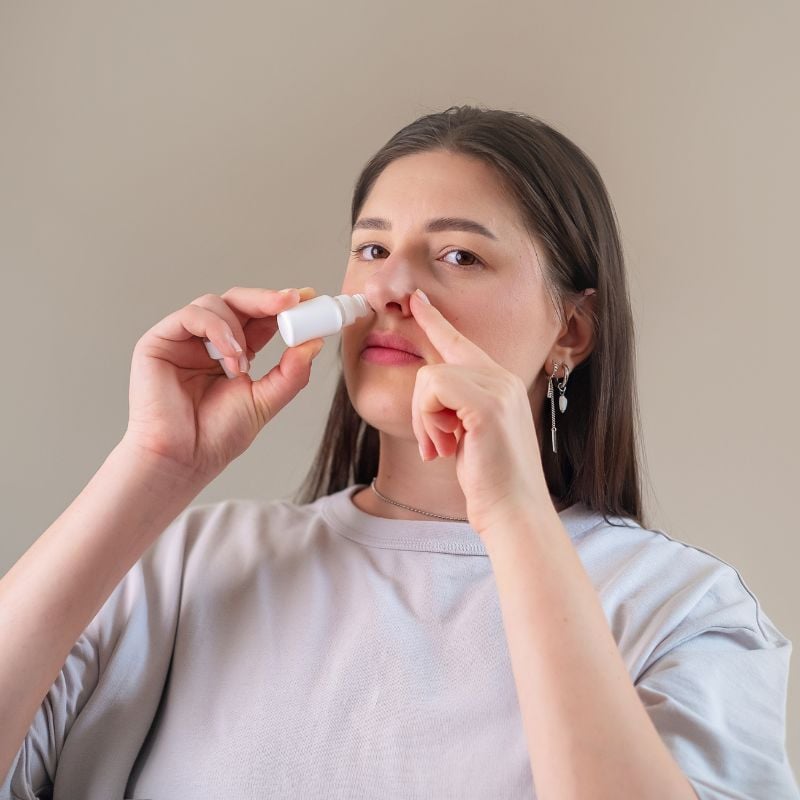
You might also consider evidence-based approaches, such as improving sleep hygiene or exploring certain supplements to improve sleep that support relaxation and sleep cycles.
Before taping your mouth, consider:
- Nasal saline rinses
- Nasal strips or dilators
- Side sleeping (positional therapy)
- Weight management (if applicable)
- Professional sleep evaluation
If your sleep struggles persist, it may be worth learning about clinically supported treatments and emerging interventions like those outlined in the top new therapies for sleep disorders.
Can Mouth-Taping Help You Sleep Better?
For some healthy adults with mild mouth breathing and no airway obstruction, the answer to today’s question, may be yes, but only modestly and under the right conditions.
The evidence is still limited; it is not a treatment for sleep apnea, and it can carry risks if used without proper awareness.
Better sleep is possible, but the safest approach is informed and cautious.
If you’re waking up tired or snoring loudly, could your body be asking for something more than tape?

Hi I’m Ana. I’m all about trying to live the best life you can. This blog is all about working to become physically healthy, mentally healthy and financially free! There lots of DIY tips, personal finance tips and just general tips on how to live the best life.
Leave a Reply