
Sleep disorders impact millions, but new treatments are offering hope. Here’s a quick look at the latest solutions:
- Lumryz: First once-nightly sodium oxybate for narcolepsy, improving sleep and reducing cataplexy attacks.
- KP1077: Targets idiopathic hypersomnia with a controlled-release formula for consistent daytime alertness.
- Seltorexant: Addresses insomnia tied to depression by focusing on orexin-2 receptors.
- Tirzepatide: FDA-approved for sleep apnea, reducing apnea events and aiding weight loss.
- Acetazolamide: A low-cost option for CPAP-intolerant sleep apnea patients, enhancing respiratory drive.
- Orofacial Exercises: A non-drug approach to strengthen airway muscles and reduce snoring.
- DORA Medications: Safer insomnia treatments targeting sleep-wake cycles with minimal dependency risks.
Quick Comparison:
| Therapy | Condition Treated | Key Feature |
|---|---|---|
| Lumryz | Narcolepsy | Single nightly dose |
| KP1077 | Idiopathic Hypersomnia | Consistent symptom management |
| Seltorexant | Insomnia + Depression | Dual action on mood and sleep |
| Tirzepatide | Sleep Apnea | Focuses on obesity-related apnea |
| Acetazolamide | Sleep Apnea | Affordable CPAP alternative |
| Orofacial Exercises | Sleep Apnea + Snoring | Non-medication option |
| DORA Medications | Chronic Insomnia | Low risk of dependency |
These therapies focus on precision care and better tolerability. Consult a sleep specialist to explore your options.
1. Lumryz: Once-Nightly Sodium Oxybate
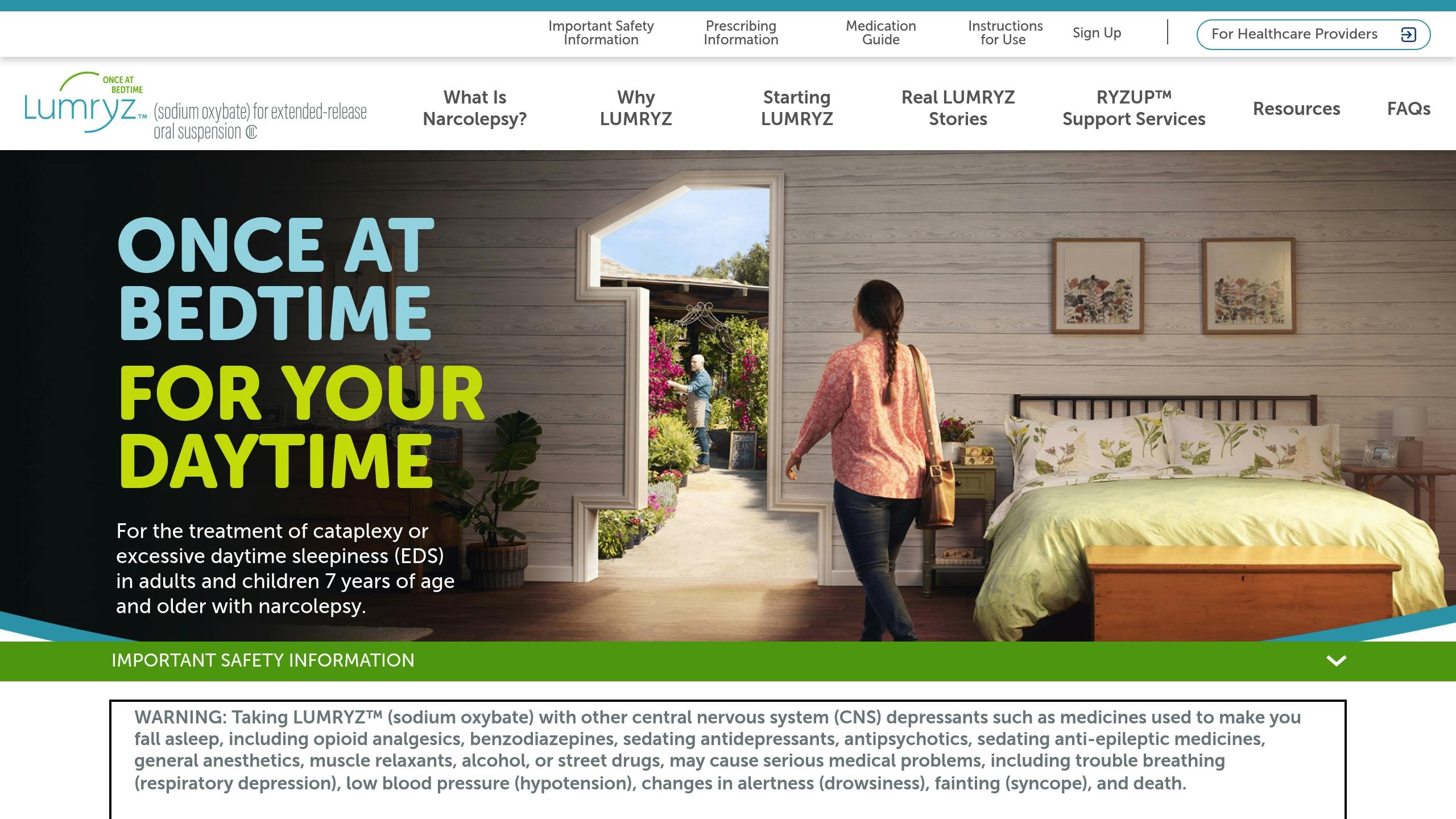
Lumryz stands out as the first once-nightly sodium oxybate medication approved by the FDA in 2023 [1][3]. Clinical trials showed promising outcomes, with patients reporting 2.3 fewer cataplexy attacks per week and a 6.5-point improvement on the Epworth Sleepiness Scale compared to a placebo [3].
Its timed-release formula is designed to improve slow-wave sleep and consolidate nighttime rest, helping patients stay alert during the day while removing the need for middle-of-the-night dosing [1][2]. This approach shifts away from traditional twice-nightly regimens, allowing for uninterrupted sleep and potentially better adherence to treatment.
Lumryz is aimed at narcolepsy patients (types 1 and 2) who want a simpler dosing schedule and improved sleep patterns. It is available exclusively through the LUMRYZ REMS program [1][2][3]. Speak with a sleep specialist to see if it’s the right fit.
2. KP1077: Sleep Disorder Management
KP1077 is designed to address idiopathic hypersomnia, a rare condition characterized by persistent daytime sleepiness and fatigue. This treatment works by gradually converting into d-methylphenidate, targeting the neurological aspects of this sleep disorder [4].
Similar to Lumryz, KP1077 uses a controlled-release system that helps maintain alertness throughout the day. This approach aims to reduce the energy crashes often associated with traditional stimulants [1].
Phase 2 trials revealed that KP1077 was well-tolerated, even at doses as high as 320mg, with most participants reporting noticeable improvements in daytime sleepiness. These promising results led to the medication receiving FDA Fast Track status in 2024, which speeds up its development timeline [4]. This progress echoes advancements in other sleep-related treatments, such as tirzepatide’s impact on sleep apnea.
KP1077’s prodrug formulation is designed to provide more consistent medication levels, making symptom management more reliable [1]. With Phase 3 trials now underway, the medication represents a potential breakthrough for patients with idiopathic hypersomnia who currently have limited treatment options.
3. Seltorexant for Insomnia
Seltorexant works by targeting the orexin-2 receptor, which plays a key role in sleep-wake cycles. It’s designed to provide relief for about 60% of patients with major depressive disorder (MDD) who also struggle with treatment-resistant insomnia[1]. Currently in Phase 3 trials, this therapy aims to address both mood and sleep issues at the same time[1][2]. This combined focus is somewhat similar to tirzepatide, which offers benefits for both metabolism and sleep, as discussed later.
This treatment aligns with the growing trend of personalized medicine, as seen with KP1077. Seltorexant specifically targets MDD patients who continue to experience insomnia despite using antidepressants[1]. Much like Lumryz emphasizes simplicity in dosing, seltorexant zeroes in on managing specific symptoms effectively.
Recent studies have shown promising results. Seltorexant met all primary and secondary goals in trials, reducing depression scores on the Montgomery-Asberg Depression Rating Scale (MADRS) by 34% and improving sleep onset by an average of 22 minutes[1].
Preliminary findings suggest that seltorexant’s focused mechanism may offer benefits over dual orexin receptor antagonists (DORAs), potentially matching their effectiveness while being easier to tolerate[1][2]. With KP1077 making strides in regulatory approval, seltorexant is now in its final testing stages.
If approved, seltorexant could become the first therapy to tackle both depression and insomnia together. For those dealing with these overlapping conditions, consulting a sleep specialist about trial availability could be worthwhile[1].
4. Tirzepatide for Sleep Apnea
Tirzepatide (Zepbound) is now the first FDA-approved medication specifically designed to treat moderate-to-severe obstructive sleep apnea (OSA) in adults with obesity[3]. Unlike older treatments that focus on neurological pathways, tirzepatide targets metabolic processes, addressing obesity as a root cause rather than just managing symptoms[3]. This sets it apart from therapies like KP1077 and Seltorexant.
The SURMOUNT-OSA clinical trials delivered impressive results. Participants saw a significant drop in breathing disruptions, with reductions of 25-29 events per hour compared to just 5-6 events in the placebo group[3]. On top of that, participants lost 45-50 pounds (18-20% of their body weight), which led to noticeable improvements in apnea symptoms through sustained weight loss[3].
| Treatment Aspect | Tirzepatide Results | Placebo Results |
|---|---|---|
| Weight Loss | 45-50 lbs (18-20%) | 4-6 lbs (2%) |
| Remission Without PAP | 42% | 16% |
| Remission With PAP | 50% | 14% |
One standout feature of tirzepatide is how well it complements existing treatments. For patients already using PAP therapy, combining it with tirzepatide led to even better outcomes[3]. This combination offers a new option for those who haven’t found success with traditional sleep apnea treatments.
However, consistent use is key. The therapy works best when paired with lifestyle changes[3]. Most side effects are related to gastrointestinal discomfort, especially during the early stages of treatment adjustment[1][3].
Tirzepatide simplifies treatment for adults with obesity-related OSA, much like Lumryz does with its streamlined dosing. It’s an option worth discussing with a healthcare provider for those looking for alternatives to CPAP. By targeting metabolism, tirzepatide broadens the range of personalized treatments available alongside therapies focused on neurological pathways.
5. Acetazolamide in Sleep Apnea Care
Acetazolamide, a medication commonly used for altitude sickness, offers a pharmacological option for managing sleep apnea, particularly in patients who struggle with CPAP therapy. By inhibiting carbonic anhydrase, it enhances respiratory drive, making it a promising alternative for those needing a different approach [1].
A 2022 study reported a 26% improvement in AHI (Apnea-Hypopnea Index), and ongoing research at UCSD involving 60 participants is examining its effects on blood pressure and determining the best dosing strategy [1][2]. With its affordability and potential, acetazolamide is gaining attention in personalized sleep apnea care.
| Treatment Aspect | Benefits of Acetazolamide | Key Considerations |
|---|---|---|
| Dosing | Once daily (250-500mg)[4] | Best taken in the evening |
| Cost | Around 66¢ per day[2] | Typically covered by insurance |
| AHI Improvement | 26% reduction in AHI[1] | Effectiveness may differ by patient |
| Ideal Candidates | CPAP-intolerant patients[2] | Not recommended for kidney/liver issues |
Common side effects, such as tingling in the hands or feet and a metallic taste, usually subside with continued use [4]. This treatment could be particularly beneficial for the estimated 50% of patients who eventually stop using CPAP therapy [2]. When combined with adjustments to sleep hygiene, acetazolamide can complement other therapies [2].
The ongoing UCSD trial is expected to refine patient selection criteria and confirm its long-term effectiveness [2]. Acetazolamide’s focus on respiratory function makes it a strong option alongside newer therapies, such as orofacial exercises (discussed in the next section), for those who cannot tolerate CPAP.
sbb-itb-28a57ab
6. Orofacial Exercises for Sleep
Orofacial exercises provide a drug-free option for managing sleep disorders, making them a good alternative for patients who want to avoid medications like acetazolamide. These exercises focus on the muscles of the tongue, soft palate, and lateral pharyngeal walls, aiming to strengthen and improve the function of the upper airway[1].
Research published in the CHEST Journal in 2015 found that performing these exercises daily for three months led to a 39% reduction in snoring frequency and a 36% drop in snoring intensity[2]. Meta-analyses also showed about a 50% reduction in the Apnea-Hypopnea Index (AHI) for adults with mild to moderate sleep apnea and a 62% reduction in children[1]. This approach works well alongside metabolic therapies, such as tirzepatide, by addressing structural issues contributing to sleep apnea.
| Exercise | Technique | Frequency | Benefit |
|---|---|---|---|
| Tongue Push | Press tongue against the palate | 3x daily | Improves tongue positioning |
| Vowel Sounds | Overpronounce "A-E-I-O-U" sounds | 3x daily | Strengthens the soft palate |
| Cheek Holds | Suck cheeks inward for 10 seconds | 10 reps | Builds facial muscle strength |
| Belly Breathing | Inhale and exhale slowly through nose | 2x daily | Enhances breathing control |
These exercises empower patients to take an active role in their treatment, aligning with the growing interest in personalized care. Apps like Myofunctional Therapy Exercises guide users through routines and track their progress, making it easier to stay consistent[2]. For the best outcomes, patients should dedicate at least 10 minutes to these exercises, three times a day[4].
This method is particularly helpful for:
- People with mild to moderate sleep apnea
- Those looking for alternatives to CPAP therapy
- Patients seeking complementary treatments
- Children with sleep-disordered breathing
Regular check-ins with a healthcare provider every 4-6 weeks help ensure proper technique and track progress. However, for those with severe sleep apnea, additional treatments may still be necessary[6].
7. New DORA Sleep Medications
DORAs, or dual orexin receptor antagonists, offer a targeted approach to managing sleep-wake cycles. Unlike traditional sleep aids that focus on GABA receptors, DORAs block both orexin receptors. This approach helps regulate sleep patterns while reducing the risks of dependency often associated with older medications.
There are three FDA-approved DORAs available: suvorexant (Belsomra), daridorexant (Quviviq), and lemborexant (Dayvigo). These medications are particularly helpful for individuals with chronic insomnia or circadian rhythm disorders, especially older adults who may not tolerate traditional sleep aids well.
| Medication Type | Benefits | Best Suited For |
|---|---|---|
| Traditional Sleep Aids | Quick onset, widely accessible | Short-term insomnia |
| DORAs | Fewer side effects, lower dependency risk | Chronic insomnia, circadian rhythm issues |
Research is ongoing to expand the use of DORAs. For example, lemborexant is being tested in a Phase IV trial to assess its ability to improve daytime sleep duration in individuals with shift work sleep disorder[2]. If successful, this could offer relief to millions dealing with irregular work hours.
Some of the key benefits of DORAs include:
- Directly targeting sleep-wake regulation
- Reduced risk of next-day drowsiness
- Minimal dependency concerns
- Effectiveness for circadian rhythm-related issues
DORAs are part of a broader trend in sleep medicine focused on therapies that address specific mechanisms. For patients who haven’t found relief with conventional treatments, healthcare providers often recommend trying DORAs. However, it’s important to consult a doctor to check for potential interactions with other medications, such as certain antibiotics[1].
Treatment Comparison Guide
Here’s a breakdown of various sleep therapies, their applications, and unique features:
| Treatment | Primary Condition | Administration | Development Stage | Key Feature |
|---|---|---|---|---|
| Lumryz | Narcolepsy | Once-nightly oral solution | FDA-approved | Single nightly dose |
| KP1077 | Idiopathic Hypersomnia | Oral medication | Phase 2 completed | Specifically for IH |
| Seltorexant | Insomnia with Depression | Oral medication | Phase 3 completed | Tackles both conditions |
| Tirzepatide | Sleep Apnea | Weekly injection | FDA-approved | Targets obesity link |
| Acetazolamide | Sleep Apnea | Oral medication | Phase 4 trials | Alternative to CPAP |
| Orofacial Exercises | Sleep Apnea | Daily exercises | Clinical use | Non-drug option |
| DORA Medications | Chronic Insomnia | Oral medication | FDA-approved | Lower dependency risk |
This table reflects the focus on tailored sleep treatments, as discussed earlier in the article. Each option is designed to address specific conditions or underlying causes, moving beyond symptom management to more precise care approaches.
Next Steps
Dealing with sleep disorders often calls for professional support. Start by keeping a detailed sleep diary to bring to your first appointment with a sleep specialist. This can help them better understand your patterns and challenges [1].
When exploring treatment options, keep these points in mind:
- Insurance matters: Check if your plan covers newer treatments like KP1077 or tirzepatide [2].
- Patience is key: Many therapies take about 4-6 weeks to show their full effects [2].
You might also want to combine treatments. Options like orofacial exercises or DORAs (dual orexin receptor antagonists) can complement other approaches [1]. Regular follow-ups with your doctor are essential to track progress and make necessary adjustments [2].
For reliable updates on new treatments, bookmark these trusted organizations:
- American Academy of Sleep Medicine (AASM)
- National Sleep Foundation
- American Sleep Apnea Association [1][5][3]
These resources can help you stay informed about options like DORAs or metabolic therapies. As always, consult your healthcare provider to confirm the validity of any new information.
FAQs
What is the newest device for sleep apnea?
When it comes to sleep apnea, device-based solutions are becoming increasingly popular as alternatives to medication. One of the most recent advancements is the Inspire™ Upper Airway Stimulation system, an FDA-approved device that eliminates the need for masks or hoses, unlike traditional CPAP machines.
Here’s what makes the Inspire system stand out:
- A small, implanted neurostimulator that activates during sleep
- A handheld remote to easily control the therapy
- No external equipment like masks or hoses
- Demonstrated a 79% reduction in sleep apnea events after one year of use [1]
To be eligible for Inspire therapy, patients must meet the following criteria:
- AHI (Apnea-Hypopnea Index) between 15 and 65
- BMI under 35
- Age 18 or older
- Inability to tolerate CPAP therapy [2]
Most insurance plans, including Medicare, cover the Inspire system, though prior authorization is usually required. The procedure is outpatient, allowing for same-day recovery.
If Inspire isn’t the right fit, there are non-invasive alternatives worth considering:
| Device | Description |
|---|---|
| Provent | Adhesive nasal patches that reduce AHI by 42% [6] |
| Winx | A soft palate vacuum device with a 43% AHI reduction [6] |
These options provide additional flexibility for managing sleep apnea, complementing the pharmacological treatments discussed earlier.
Related Blog Posts
- Ultimate Guide to Evening Self-Care
- How Stress Hormones Impact Women’s Sleep
- Stress Hormones and Sleep: Problem-Solution Guide
- How Magnesium Helps Anxiety and Sleep

Hi I’m Ana. I’m all about trying to live the best life you can. This blog is all about working to become physically healthy, mentally healthy and financially free! There lots of DIY tips, personal finance tips and just general tips on how to live the best life.
Leave a Reply