
A friend of mine recently told me something that stuck with me. She said, “Everyone online is talking about Ozempic. It feels like the only way people are losing weight now.” That conversation led us to a bigger question many people are asking today: are there real alternatives to weight loss drugs that are actually healthy and sustainable?
And honestly, she’s not wrong.
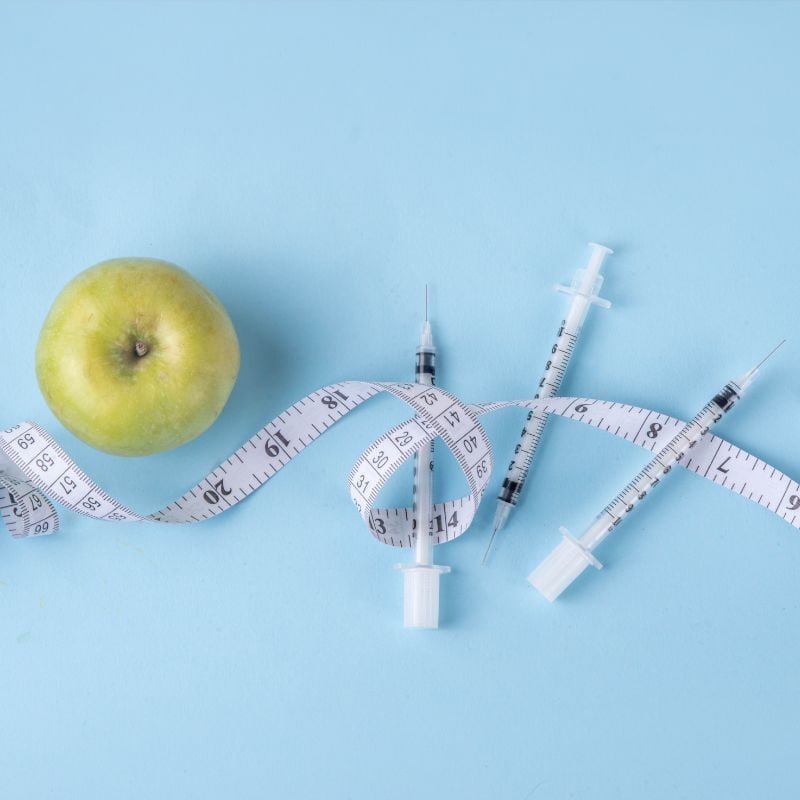
In the past few years, medications like Ozempic, Wegovy, and other GLP-1 drugs have exploded in popularity. Originally developed to treat type 2 diabetes, these medications are now widely prescribed for weight loss because they can reduce appetite and help people eat fewer calories.
Just look on Instagram how many celebrities have changed their bodies within months!
But there’s a catch. Many people experience side effects such as nausea, digestive discomfort, fatigue, and concerns about long-term dependency. Others simply cannot afford the treatment, which can cost hundreds or even thousands of dollars per month without insurance.
In this article, we’ll explore 11 healthy and safe alternatives to weight-loss drugs, including nutrition strategies, exercise, habits, and lifestyle changes.
Don’t forget to check out these simple, practical and effective tips to get you started with losing weight.
How Weight Loss Drugs Work (And Why Lifestyle Changes Can Replace Them)
Understanding GLP-1 Hormones
GLP-1 medications work by mimicking a hormone in your body called glucagon-like peptide-1 (GLP-1).
If you’re curious about how these medications affect different age groups, you can also read our guide on whether women in their 30s can use GLP-1 medications safely.
This hormone naturally helps regulate:
- Hunger and satiety
- Blood sugar levels
- Gastric emptying (how quickly food leaves the stomach)
When GLP-1 levels increase, people tend to:
- Feel full faster
- Experience fewer cravings
- Eat fewer calories overall
That’s why these medications can lead to weight loss.
But here’s something interesting.
Several lifestyle habits can naturally increase satiety hormones and improve metabolic regulation in similar ways.
These include:
- High-protein diets
- Physical activity
- Fiber-rich foods
- Sleep optimization
- Stress reduction
When combined, these habits can create sustainable metabolic improvements without medication.
Let’s explore the most effective ones.
11 Healthy Alternatives to Weight Loss Drugs
1. Prioritizing a High-Protein Diet
Protein is one of the most powerful nutrients for appetite control. Not only will help you conserve or produce muscle mas but will keep you full, for longer.
If you’re looking for practical food ideas to support muscle growth, these high-protein, low-calorie foods can help you increase protein intake while supporting weight management.
Research shows that high-protein meals can increase satiety hormones such as GLP-1 and peptide YY while helping suppress hunger hormones like ghrelin. Protein also has a higher thermic effect of food, meaning the body burns more calories digesting it compared to fats or carbohydrates.
Practical Examples
Healthy protein sources include:
- Eggs
- Greek yogurt
- Chicken breast
- FishLentils
- Tofu
- Cottage cheese
Simple Habit
Aim for 20–30 grams of protein per meal to support fullness and metabolic balance.
2. Increasing Fiber Intake
How Fiber Supports Fullness
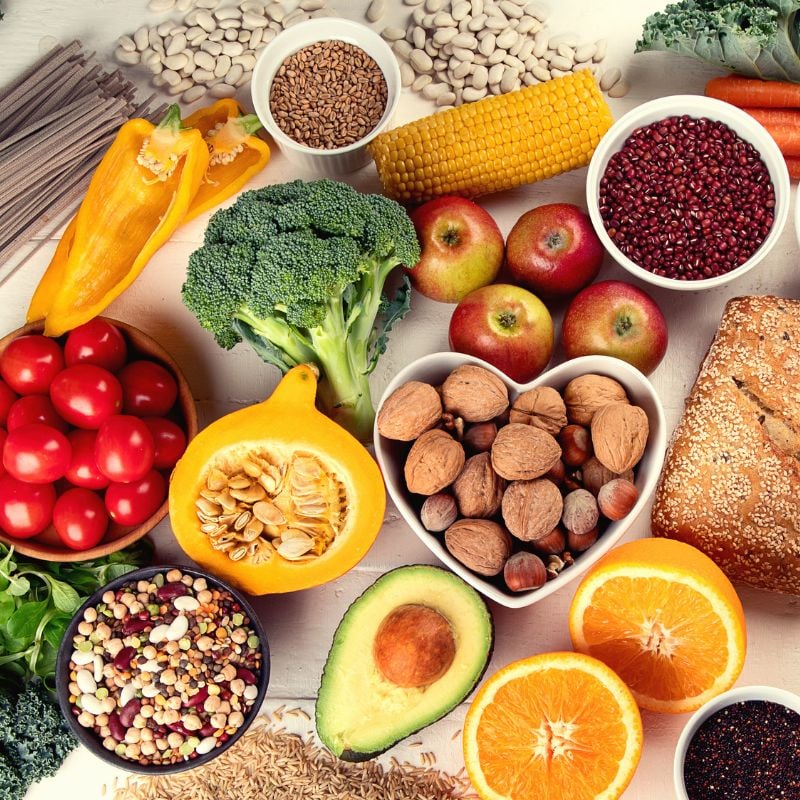
Fiber slows digestion and stabilizes blood sugar levels. This helps prevent sudden hunger spikes and keeps you feeling full for longer after meals. Many of the most filling foods for weight loss are naturally high in fiber and support better appetite control.
Best Sources
Include foods such as:
- Oats
- Beans
- Chia seeds
- Vegetables
- Whole grains
- Apples and berries
A good target is 25–35 grams of fiber per day.
3. Strength Training to Build Muscle
The Metabolic Advantage
Muscle tissue burns more energy than fat tissue, even at rest. This is one reason why strategies that build muscle to lose weight can significantly improve long-term weight management and metabolic health.
Strength training helps:
Increase resting metabolic ratePreserve lean mass during weight lossImprove insulin sensitivity
Recommended Routine
Try 2–4 resistance training sessions per week, including exercises like:
- Squats
- Push-ups
- Resistance band workouts
- Weightlifting
Over time, building muscle can make it easier to maintain a healthy body weight.
4. Daily Walking and Low-Impact Movement

Why Walking Helps Regulate Blood Sugar
Walking is one of the most underrated weight management tools. In fact, many of the health benefits of walking go far beyond calorie burn, including improvements in blood sugar control, cardiovascular health, and metabolism.
Unlike intense workouts, walking is easy to maintain consistently.
Simple Strategy
- Aim for 7,000–10,000 steps per day.
- Even a 10–15 minute walk after meals can help regulate blood sugar levels.
5. Improving Sleep Quality
How Sleep Influences Hunger Hormones
Sleep directly influences appetite hormones.
When people sleep less than six hours per night:
- Ghrelin (hunger hormone) increases
- Leptin (satiety hormone) decreases
This hormonal shift can significantly increase calorie intake the following day.
Healthy Habit
Aim for 7–9 hours of sleep per night and maintain consistent sleep and wake times. For people who struggle with sleep quality, certain supplements can improve sleep and support better rest and nighttime recovery.
6. Managing Stress to Reduce Emotional Eating

The Cortisol Connection
Chronic stress raises cortisol levels, which can:
- Increase cravings for sugary and high-fat foods
- Promote fat storage, especially around the abdomen
Stress management helps regulate appetite and emotional eating. If stress often triggers cravings or loss of control around food, learning strategies to prevent stress-related compulsive eating can make a significant difference.
Helpful Practices
Consider incorporating:
- Meditation
- Deep breathing exercises
- YogaJournaling
- Therapy or counseling
7. Eating Whole and Minimally Processed Foods
Why Whole Foods Promotes Satiety
Ultra-processed foods are often designed to be highly palatable and easy to overeat. Understanding the negative effects of eating ultra-processed foods can help explain why whole foods support better appetite control.
Examples
Focus on:
- Fresh vegetables
- Fruits
- Whole grains
- Lean proteins
- Healthy fats like olive oil and nuts
People who eat mostly whole foods often naturally consume fewer calories, without needing strict dieting or intentional restriction.
8. Practicing Mindful Eating

How Mindful Eating Reduces Overeating
Many people eat quickly or while distracted by screens. Mindful eating encourages paying attention to hunger and fullness signals. Studies show it can help reduce overeating and improve eating habits.
Simple Techniques
- Eat slowly
- Put utensils down between bites
- Avoid phones or television while eating
- Pause halfway through a meal to assess fullness
9. Drinking Water Before Meals
Hydration and Appetite Control
Hydration plays an important role in metabolism. Understanding the importance of staying hydrated can help support appetite control and overall metabolic health. Research suggests drinking water before meals may help people consume fewer calories overall.
Simple Strategy
Drink one glass of water about 20 minutes before meals.
10. Berberine: A Natural Supplement for Metabolic Health

The Metabolic Effects of Berberine
Berberine is a plant compound that has been studied for its effects on blood sugar and metabolic health. Some researchers refer to it as “nature’s metformin” because it can improve insulin sensitivity.
Improved insulin regulation can indirectly support weight management. Dietary habits that support metabolic health can also influence cardiovascular markers, such as blood pressure, and many foods help balance blood pressure.
Important Note: Berberine may interact with medications, so it should only be used under medical supervision.
11. Green Tea Extract for Metabolism Support
How Green Tea Supports Fat Oxidation
Green tea contains compounds called catechins, particularly EGCG. Many of the incredible benefits of drinking green tea are linked to these compounds, including improved metabolism and increased fat oxidation.
These compounds may help:
- Increase fat oxidation
- Support metabolic rate
- Improve metabolic health
Practical Use
Drinking 2–3 cups of green tea daily or using standardized green tea extracts may provide mild metabolic benefits.
How to Combine These Habits for Sustainable
The most powerful approach is not relying on a single strategy. Many people start by applying simple tips to start losing weight, then gradually incorporate nutrition, exercise, sleep, and stress-management habits for sustainable results, such as:
- High-protein meals
- Regular strength training
- Daily walking
- Quality sleep
- Stress management
- Whole food nutrition
Together, these habits support the same metabolic pathways targeted by weight loss medications, but they do so naturally and sustainably.
Safety Considerations Before Using Supplements
Even natural supplements should be used carefully.
Unlike prescription medications, supplements are not regulated as strictly.
Before taking any supplement:
- Consult a healthcare professional
- Check for medication interactions
- Choose reputable brands
Lifestyle changes should always remain the foundation of healthy weight management.
Conclusion: Healthy Habits Are the Best Alternatives to Weight Loss Drugs
Weight-loss medications like Ozempic can be helpful for certain medical conditions, but they are not the only way to improve metabolic health. Nutrition, exercise, sleep, stress management, and mindful habits all influence the same biological systems that these drugs target.
And the best part?
These habits don’t just support weight loss; they improve energy, cardiovascular health, mental well-being, and long-term quality of life.
So instead of asking, “What drug can help me lose weight faster?”
Maybe the better question is, what small daily habits can help my body work the way it was designed to?

Hi I’m Ana. I’m all about trying to live the best life you can. This blog is all about working to become physically healthy, mentally healthy and financially free! There lots of DIY tips, personal finance tips and just general tips on how to live the best life.
Leave a Reply