
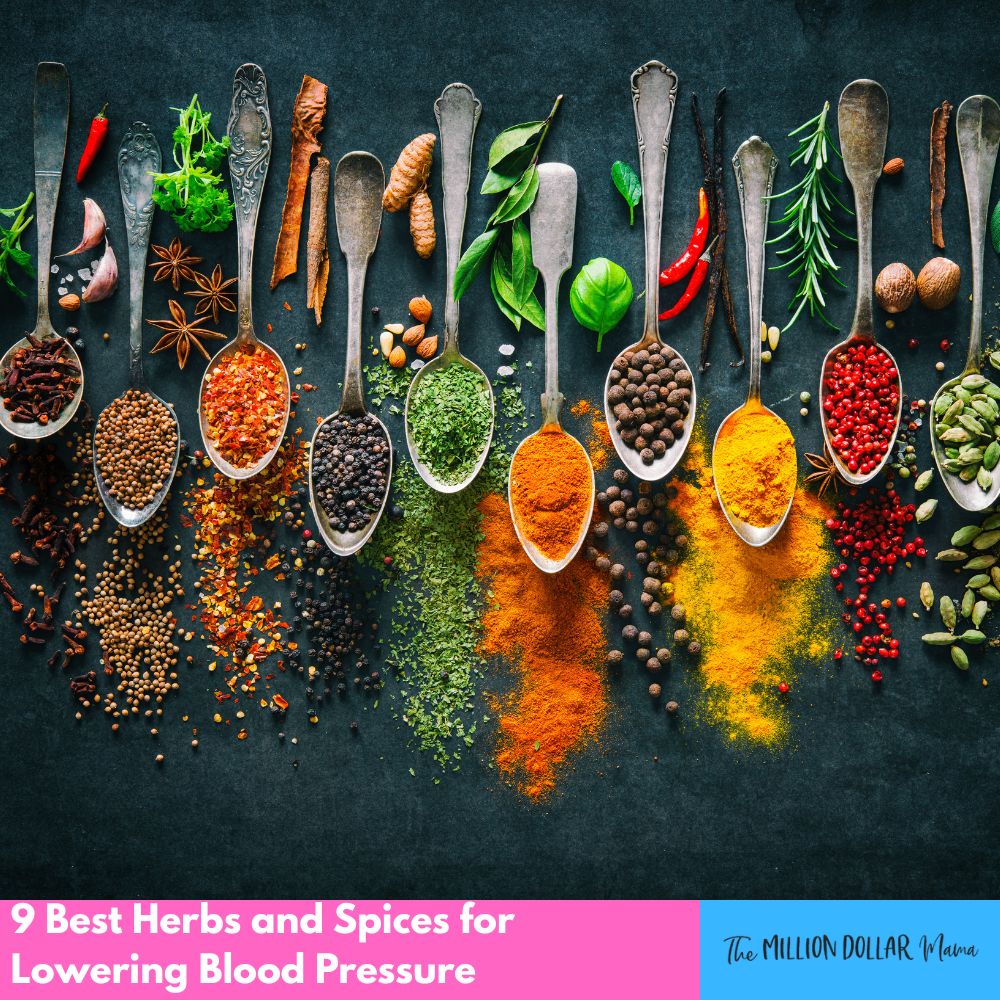
You’re standing in the kitchen after a long day, dinner half-finished and your latest blood pressure reading still on your mind. Then you peak with the corner of your eye the spices jar and remembered that someone told you that oregano is a great choice to lower blood pressure. If you’ve been looking for herbs and spices for high blood pressure, wouldn’t it be comforting to find a few useful options already sitting in your pantry?
Natural-health advice can quickly become overwhelming. One article promises a miracle powder, while another makes an ordinary tea sound like medicine. You deserve a clearer answer.
Below, I’ve separated the better-supported choices from the early evidence, with realistic food amounts and easy ideas.
For a broader approach, explore these natural remedies for high blood pressure that can complement your daily routine.
Before You Reach for the Spice Jar
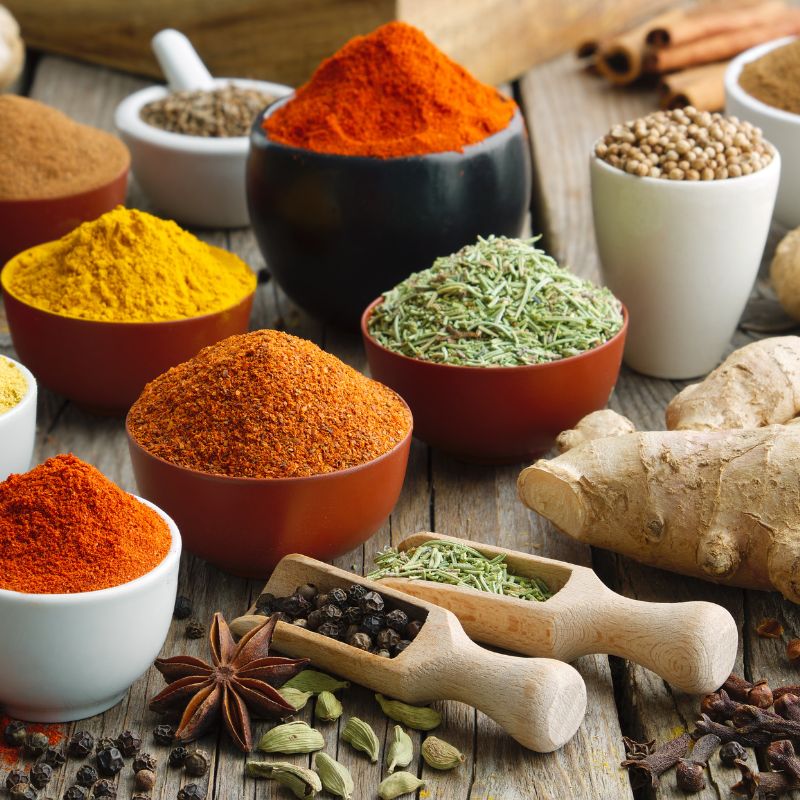
Herbs and spices can add flavor to a heart-conscious diet, but they aren’t substitutes for medication. Most have no established hypertension dose, and a culinary serving isn’t equivalent to a standardized study extract.
The amounts below are practical food-first portions, not prescriptions. If you take blood pressure medicine, research recommends checking with your healthcare professional before using supplements or natural remedies.
If herbal tea is part of your routine, review these medications that shouldn’t be mixed with herbal teas before trying a concentrated drink or extract.
9 Herbs and Spices for High Blood Pressure to Add to Your Daily Meals
1. Garlic
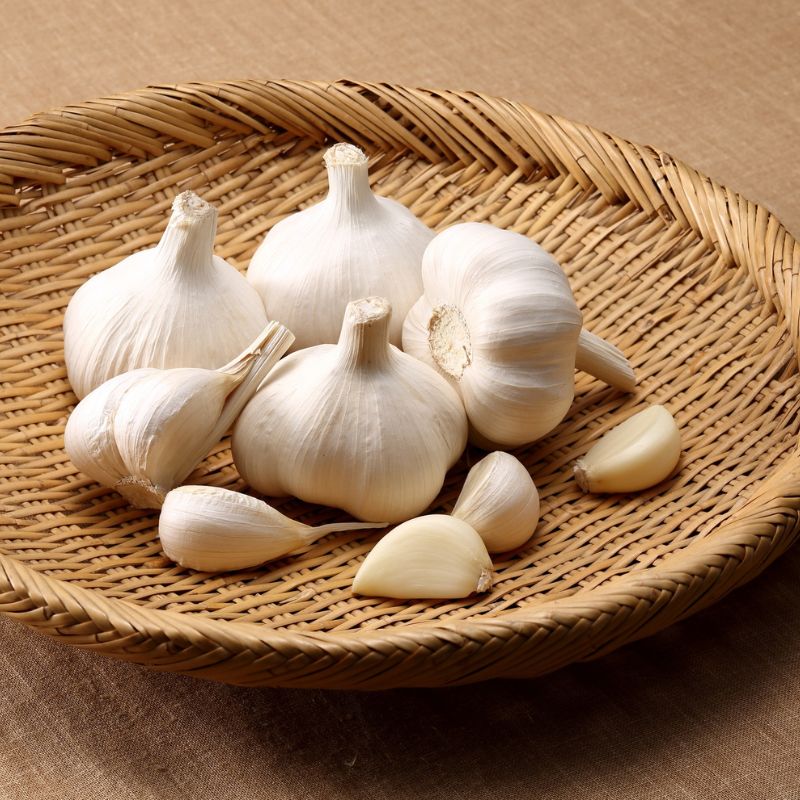
Garlic has some of the strongest human evidence on this list. Its compounds include allicin and S-allyl cysteine, which may support nitric oxide and hydrogen sulfide signaling, helping blood vessels relax.
A meta-analysis of 12 trials involving 553 people with hypertension found that garlic supplements were linked to average reductions of 8.3 mmHg in systolic and 5.5 mmHg in diastolic blood pressure. Those results apply to the studied preparations, not automatically to fresh garlic.
Food-first amount: One fresh clove daily.
Make a quick yogurt sauce:
- Crush one clove and leave it for about 10 minutes.
- Stir it into plain yogurt with lemon and pepper.
- Serve it with vegetables or chicken.
Garlic is only one piece of the picture, so consider pairing it with these practical habits for a healthy heart.
2. Hibiscus
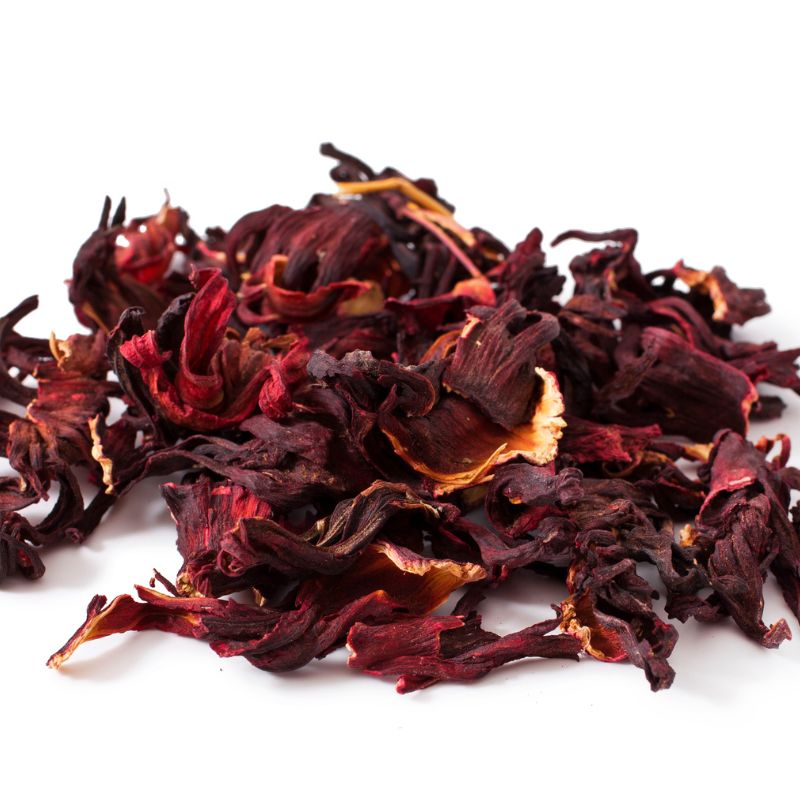
Hibiscus calyces contain anthocyanins and other polyphenols that may influence blood-vessel relaxation and blood pressure-regulating pathways.
A review of 13 randomized trials involving 1,205 participants found average reductions of 6.67 mmHg in systolic and 4.35 mmHg in diastolic blood pressure compared with placebo, although researchers still need better long-term dosing data.
Practical amount: One cup daily, brewed with roughly 1.25–3 grams of dried hibiscus.
For an easy iced tea:
- Steep the hibiscus for 5–10 minutes.
- Cool it and add fresh lime.
3. Ceylon Cinnamon
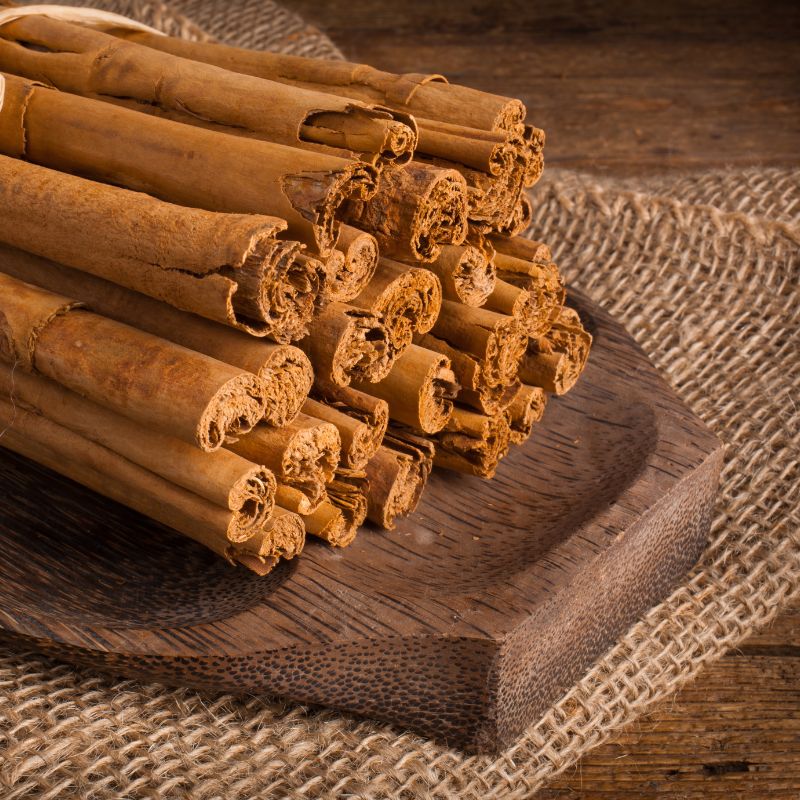
Cinnamon contains cinnamaldehyde and polyphenols that may support blood-vessel relaxation.
Across 9 trials with 641 adults, supplementation was associated with average drops of 6.2 mmHg in systolic and 3.9 mmHg in diastolic blood pressure, although results varied across studies.
Choose Ceylon cinnamon for frequent use because Cassia may contain more coumarin, which is a concern for liver disease.
Food-first amount: About ½ teaspoon daily.
At breakfast:
- Stir it into oatmeal or plain yogurt.
- Add berries and unsalted nuts.
4. Ginger
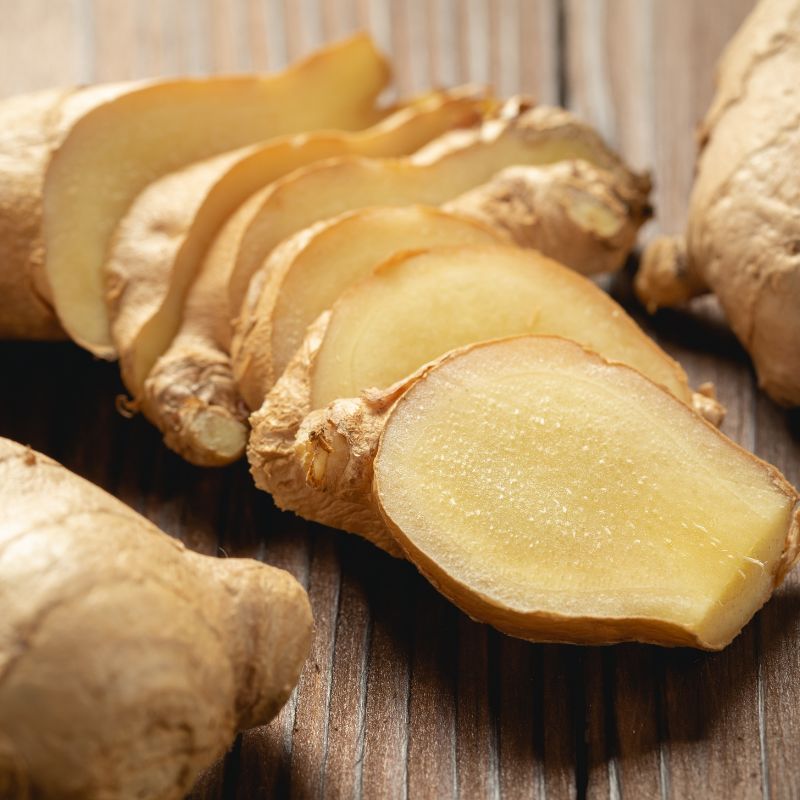
Gingerols and shogaols may affect calcium channels and nitric oxide pathways involved in blood vessel tone. A 2026 meta-analysis of 12 randomized trials associated ginger supplementation with reductions of about 5.0 mmHg systolic and 2.0 mmHg diastolic. However, short studies and wide variation between results limit certainty.
Food-first amount: One teaspoon of ground or one tablespoon of freshly grated daily. Studies usually tested concentrated doses.
Brew a simple drink:
- Add grated ginger to hot water.
- Drop in lemon or orange slices.
You may also enjoy these comforting turmeric tea recipes if you like warm, spice-based drinks.
5. Cardamom
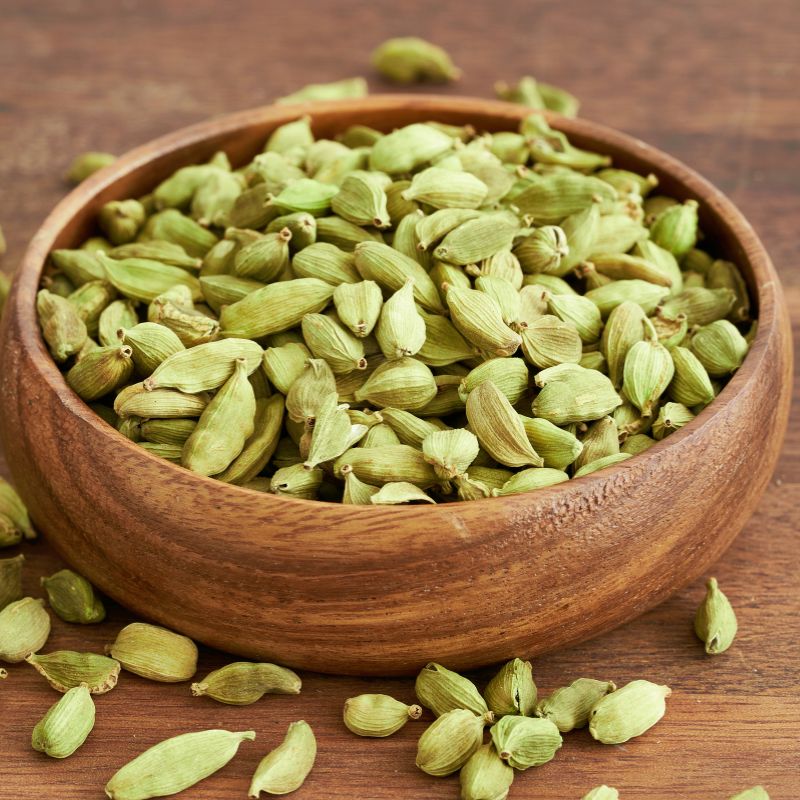
Cardamom contains terpenes and flavonoids that may promote nitric oxide production, support endothelial function, and exert a mild diuretic effect.
One small hypertension study used three grams daily for 12 weeks. A later meta-analysis found promising results but included relatively few trials.
Food-first amount: ½–1 teaspoon ground daily. The three-gram research amount is roughly 1½ teaspoons.
Try it in oatmeal:
- Mix cardamom into the oats while cooking.
- Add chopped pear or apple.
For more everyday meal inspiration, explore these foods that may help balance blood pressure.
6. Celery Seeds
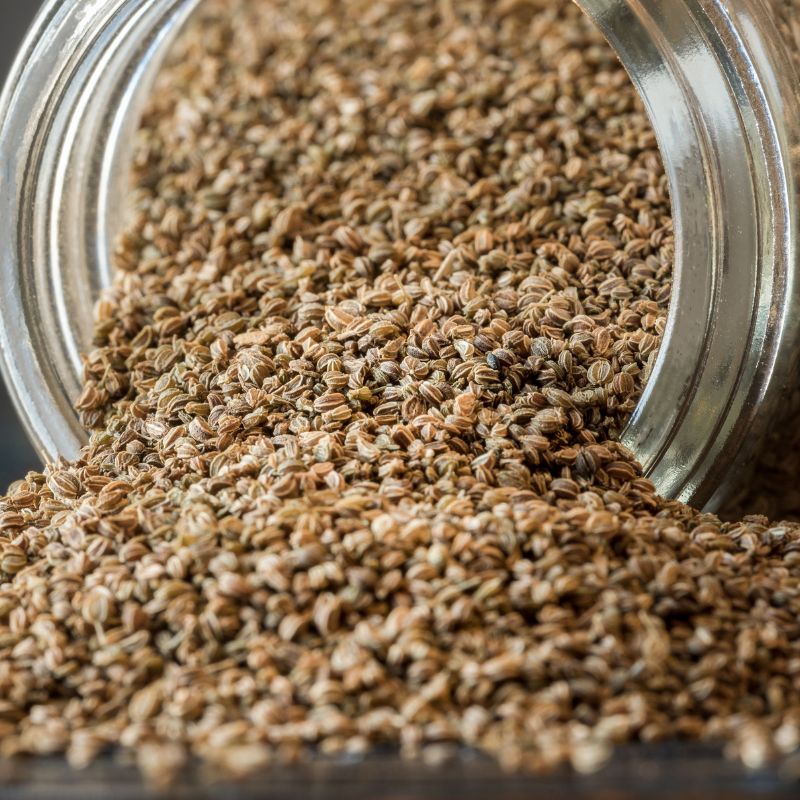
Celery seeds contain 3-n-butylphthalide, or 3nB, which may influence calcium movement in blood-vessel walls.
In a four-week trial, 52 people with hypertension received either a placebo or 1.34 grams of celery seed extract; blood pressure fell in the extract group. The study was small, and whole seeds aren’t equivalent.
Food-first amount: ½ teaspoon whole or ground daily.
Blend a salt-free seasoning:
- Combine celery seed, garlic powder, paprika, and pepper.
- Sprinkle it on potatoes, beans, fish, or vegetables.
Learn about the warning signs your arteries might be clogged and when they deserve medical attention.
7. Black Cumin
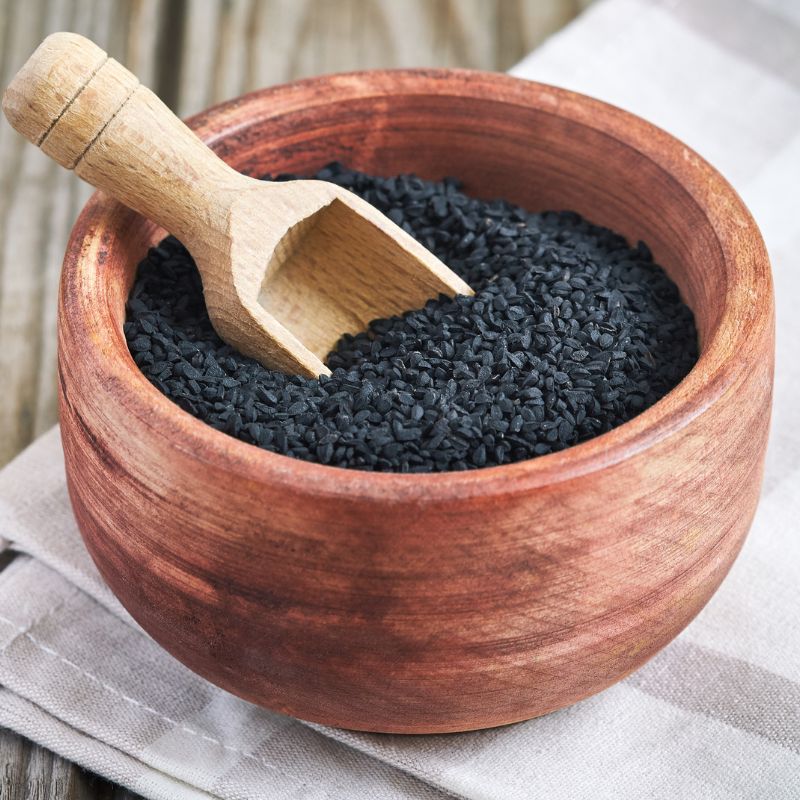
Black cumin, also called Nigella sativa, contains thymoquinone. It may influence inflammation, nitric oxide, and fluid balance.
A meta-analysis found that short-term use of black cumin powder modestly reduced both systolic and diastolic pressure, but researchers called for stronger trials.
Food-first amount: ½ teaspoon lightly crushed daily. Studies commonly used 1–2 grams of powder, but there’s no official dose for hypertension.
Add a savory finish:
- Sprinkle the seeds over hummus or avocado toast.
- Toss them with roasted vegetables.
8. Holy Basil
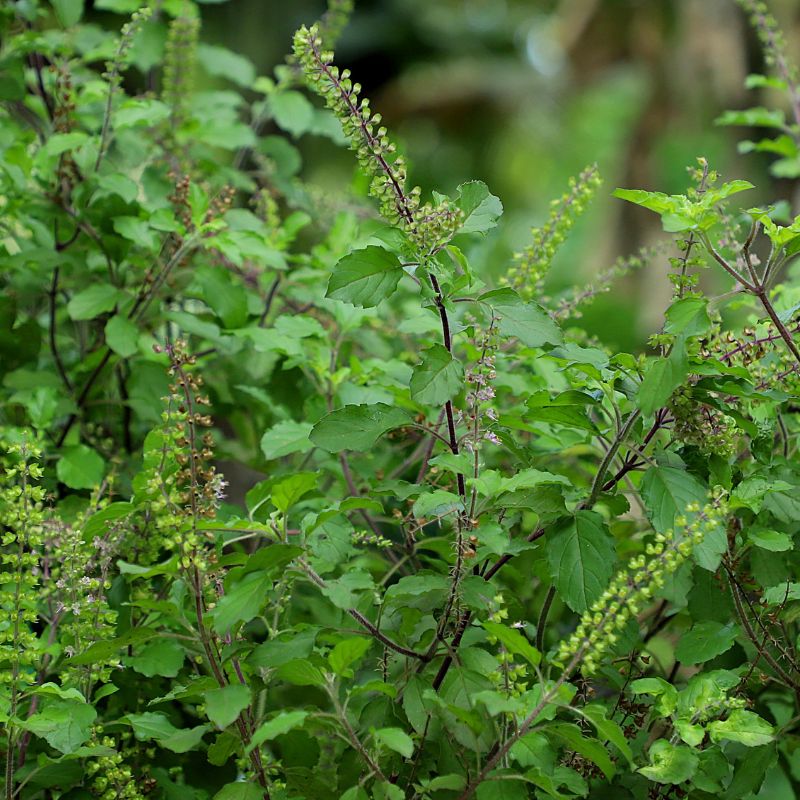
Holy basil, or tulsi, isn’t the sweet basil used for pesto. It contains eugenol, rosmarinic acid, and other polyphenols.
Human research suggests potential stress-related and metabolic benefits, but direct evidence on blood pressure remains limited.
Food-first amount: One cup daily, made with 1 teaspoon of dried tulsi.
Prepare a calming cup:
- Steep the leaves for 5–7 minutes.
- Add lemon or a little ginger.
9. Oregano
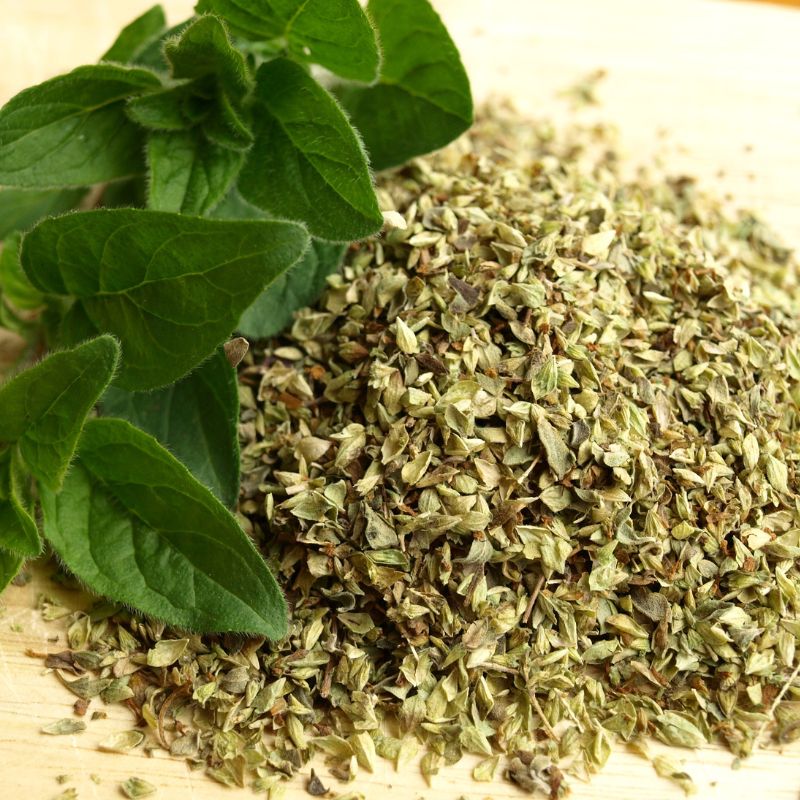
Oregano contains carvacrol, thymol, and rosmarinic acid, but evidence on blood pressure comes mainly from laboratory and animal studies. Strong human trials are lacking.
Its practical advantage is flavor; food can taste satisfying with less salty bottled seasoning. Concentrated oregano oil is a different product and shouldn’t be swallowed casually.
Food-first amount: One teaspoon dried or one tablespoon fresh daily.
Mix a Mediterranean sprinkle:
- Combine oregano with lemon zest, garlic, and pepper.
- Add it to tomatoes, beans, chicken, or vegetables.
Important Medication and Supplement Precautions
Food amounts and concentrated capsules aren’t interchangeable. Garlic supplements may increase the risk of bleeding, especially when taken with anticoagulants. Several herbs may also add to the effects of antihypertensive or diabetes medication.
Don’t stop or reduce a prescription on your own. Ask a doctor or pharmacist before using concentrated extracts, especially if you take anticoagulants, antiplatelet drugs, diuretics, diabetes medicine, or several prescriptions.
The same caution applies during pregnancy or breastfeeding, before surgery, or with liver or kidney disease. If your clinician approves a supplement, monitor your readings and report dizziness, faintness, or unusually low numbers.
Final Thoughts on Herbs and Spices for High Blood Pressure
You don’t need nine new supplement bottles. Start with one ingredient that fits the food you already enjoy. Garlic, hibiscus, cinnamon, and ginger have the most useful human research here, while holy basil and oregano require more cautious expectations.
These herbs and spices for high blood pressure can make a heart-conscious eating pattern more flavorful, but they work best as supportive ingredients alongside professional care.
Which one would be easiest for you to add to your meals this week?

Hi I’m Ana. I’m all about trying to live the best life you can. This blog is all about working to become physically healthy, mentally healthy and financially free! There lots of DIY tips, personal finance tips and just general tips on how to live the best life.
Leave a Reply