
Trying to figure out the best diet for diabetes can feel confusing fast. One person tells you to cut carbs, another says to eat more whole grains, and suddenly a normal grocery trip feel like a test you did not study for.
A diabetes-friendly diet does not have to mean boring meals, strict rules, or giving up every food you enjoy. What if the real goal was not to eat “perfectly,” but to build meals that help your blood sugar feel more steady, and your life feel less stressful?
And if you are still learning what diabetes can look like in everyday life, this guide on recognizing the early signs of diabetes can help you understand the symptoms people often notice first.
Today, let’s walk through what a good diabetes diet should include, then look at the best 5 diets for diabetics that can actually fit into real life.
What Should a Good Diet for Diabetes Include?

Diabetes is common, but that does not make it simple. In the U.S., 40.1 million people have diabetes, and more than 1 in 4 adults with diabetes do not know they have it. Type 1 diabetes accounts for about 5% to 10% of diagnosed adult cases, while type 2 diabetes accounts for about 90% to 95%.
For both type 1 and type 2 diabetes, a good meal plan should consider what you eat, how much you eat, and when you eat. A diabetes meal plan should help you get the nutrition you need while keeping blood sugar levels on target and fit your goals, tastes, lifestyle, and medications.
If weight management is also part of your health goals, this guide on Tips to Practice Mindful Eating can help you explore gentler lifestyle-based options to discuss with your doctor.
A balanced diabetes-friendly diet usually includes:
- High-fiber carbohydrates: beans, lentils, oats, berries, whole grains, fruit, and starchy vegetables in portions that work for your body.
- Protein at meals: eggs, chicken, fish, Greek yogurt, tofu, beans, lean meat, or cottage cheese.
- Non-starchy vegetables: spinach, broccoli, salad greens, peppers, green beans, zucchini, and similar foods.
- Healthy fats: olive oil, avocado, nuts, seeds, and fatty fish.
- Regular meal timing: especially important if you take insulin or medicines that can lower blood sugar.
- Portion awareness: filling half your plate with non-starchy vegetables, one quarter with lean protein, and one quarter with carbohydrate foods.
Even natural sweeteners can affect blood sugar. This guide on whether honey is a good alternative to sugar can help you compare both options more clearly.
Best Diets for Diabetics: 5 Eating Plans That Can Support Better Blood Sugar
1. Mediterranean Diet
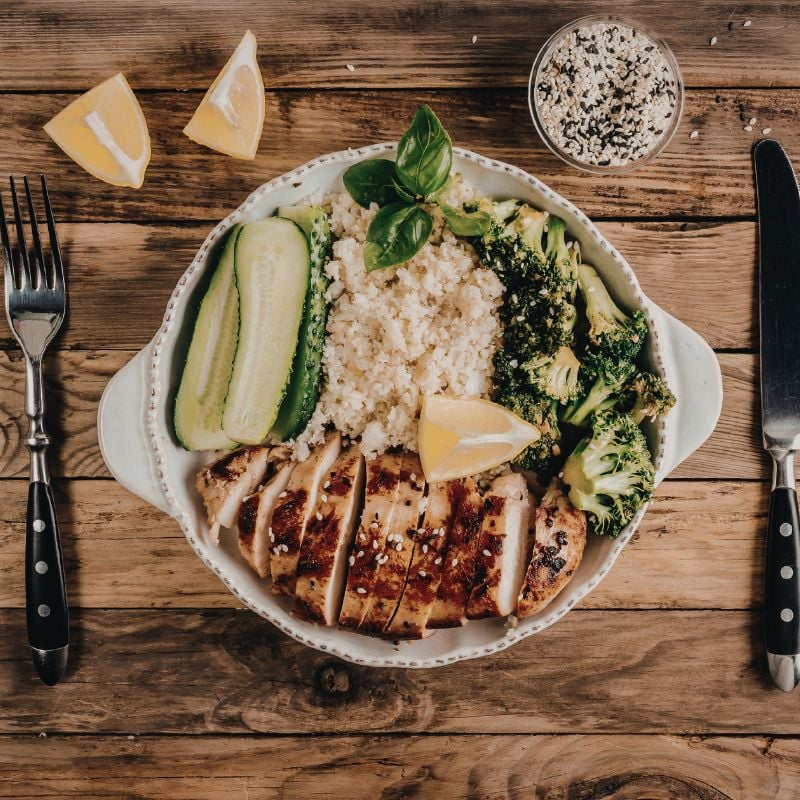
The Mediterranean diet is one of the most flexible diets for diabetes because it focuses less on restriction and more on food quality. It is built around vegetables, beans, lentils, fruits, whole grains, fish, seafood, nuts, seeds, olive oil, yogurt, and smaller amounts of poultry, eggs, and dairy.
Best for people who want a heart-friendly plan without cutting out entire food groups.
Make it work at home:
- Use olive oil instead of butter when possible.
- Build plates around vegetables, fish, chicken, beans, or Greek yogurt.
- Choose small portions of oats, quinoa, brown rice, or whole-grain bread.
- Add nuts or seeds, but keep portions modest.
- Pair fruit or grains with protein or healthy fat.
A simple plate could include grilled chicken, roasted vegetables, a small scoop of quinoa, and lemon-olive oil dressing.
If heart health is one of your goals, you may like this guide to the best foods for your heart.
2. DASH Diet
The DASH diet, designed to promote healthy blood pressure, is also beneficial for people with diabetes, given the link between diabetes and heart health. It emphasizes vegetables, fruits, low-fat dairy, whole grains, poultry, fish, nuts, and reduced saturated fat, while limiting red meat, sweets, and sugary drinks.
Best for people with diabetes who also want to support blood pressure, cholesterol, or overall heart health.
If you want to compare more heart-friendly eating patterns, this guide on the best diets for heart health can also help.
A realistic way to follow it:
- Cook at home more often to control your sodium intake.
- Use garlic, onion, lemon, herbs, and spices for flavor.
- Choose whole grains instead of white bread, white rice, and regular pasta.
- Add low-fat dairy if you tolerate it well.
- Keep sweets and sugary drinks occasional, not daily.
This can be a great fit if you like structure but do not want a diet that feels extreme.
3. Lower-Carb Diet

A lower-carb diet does not have to mean no carbs. For many people with diabetes, the more realistic goal is to reduce refined carbs and added sugars while keeping high-fiber carbs in balanced portions.
Research describes a low-carbohydrate meal pattern as one that includes non-starchy vegetables, healthy fats, protein foods, and limited quality carbohydrates, with low-carb generally defined as 26% to 45% of total calories from carbohydrates.
Best for people who notice big blood sugar spikes after large portions of bread, rice, pasta, cereal, desserts, or sweet drinks.
Start with these changes:
- Reduce white rice, white pasta, pastries, sugary cereal, and sweet drinks.
- Keep better carbs like beans, lentils, oats, berries, quinoa, or sweet potatoes.
- Build meals with protein first, vegetables second, carbs third.
- Avoid very low-carb or keto-style plans without medical guidance.
- Check your blood sugar response after meals if your provider recommends it.
If you need simple vegetable ideas for lower-carb meals, this guide on low-carb vegetables for diabetics can make meal planning easier.
Instead of asking, “Can I never eat carbs again?” try asking, “Which carb feels worth it, and how can I balance it?“
4. Plant-Based or Flexitarian Diet
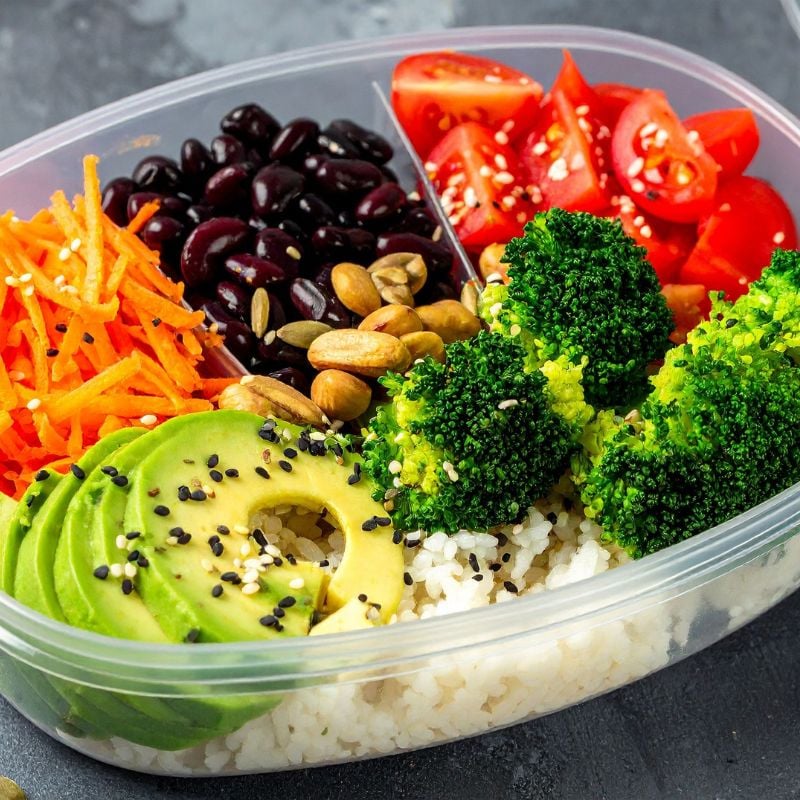
A plant-based or flexitarian diet focuses mostly on vegetables, fruits, beans, lentils, tofu, tempeh, nuts, seeds, and whole grains. It can be fully vegan, vegetarian, or simply “mostly plants” with some animal foods included.
Research suggests that vegetarian or vegan meal patterns may be useful for people looking to reduce diabetes risk, lower A1C, support weight loss, or lower LDL and non-HDL cholesterol levels.
For a more practical starting point, this beginner-friendly vegan grocery list can help you add more plant-based foods without feeling lost at the store.
Best for people who enjoy beans, lentils, vegetables, and meatless meals.
Keep it balanced:
- Use beans, lentils, tofu, tempeh, edamame, eggs, or Greek yogurt for protein.
- Watch portions of rice, pasta, tortillas, bread, and potatoes.
- Choose whole-food meals more often than processed vegan snacks.
- Add healthy fats like avocado, olive oil, nuts, or seeds.
- If fully vegan, ask your provider about nutrients like B12, vitamin D, iron, zinc, and omega-3s.
A cozy plant-based bowl could be lentils, roasted vegetables, avocado, salsa, and a small serving of brown rice.
5. Low-Glycemic / High-Fiber Diet

A low-glycemic or high-fiber approach is less of a strict “diet” and more of a smart way to choose carbs. It focuses on foods that digest more slowly, like beans, lentils, oats, barley, non-starchy vegetables, berries, nuts, seeds, and minimally processed whole grains.
Fruit juice raises blood sugar levels faster than whole fruit, and consuming carbohydrates with protein, fat, or fiber can slow the speed at which blood sugar rises.
If you are unsure which fruits are better choices, this guide on fruits safe for diabetics can help you pick options that fit more easily into a blood-sugar-friendly diet.
Best for people who want a simple, food-quality approach rather than a formal diet plan.
Use it daily:
- Choose whole fruit instead of juice.
- Swap sugary cereal for oats with nuts or Greek yogurt.
- Add beans or lentils to soups, tacos, salads, or bowls.
- Pick whole grains over refined grains most of the time.
- Pair carbs with protein, like an apple with peanut butter or toast with eggs.
This diet is really about giving your blood sugar a gentler ride.
My Final Thoughts: Real Life Decisions
Finding the Best Diets for Diabetics is not about chasing the strictest plan. It is about building meals that help your blood sugar stay steadier while still letting you enjoy food. The Mediterranean, DASH, lower-carb, plant-based, and low-glycemic/high-fiber diets can all work when they are adjusted to your body, your medication plan, your budget, and your real life.
Start small. Choose one meal to improve, one drink to swap, or one balanced plate to build this week. Which of these eating styles feels the most realistic for your life right now?

Hi I’m Ana. I’m all about trying to live the best life you can. This blog is all about working to become physically healthy, mentally healthy and financially free! There lots of DIY tips, personal finance tips and just general tips on how to live the best life.
Leave a Reply