
If you have been feeling bloated, heavy, or just uncomfortable lately, your gut may be asking for a little more care. Sometimes the answer is not something complicated. Sometimes it starts with choosing higher-fiber foods for a healthy gut.
Many women think gut health starts with probiotics or expensive wellness products. But one of the simplest places to start is fiber. It helps your digestive system work more smoothly and supports a healthier balance in your gut.
Fiber is found in foods like fruits, vegetables, beans, seeds, and whole grains. These foods do more than fill your plate. They help support digestion in a steady, natural way.
You do not have to change everything at once to start feeling better. A few simple choices can make meals feel more supportive and easier on your stomach. Over time, adding more fiber-rich foods can be a gentle way to better care for your gut.
Million Dollar Mamas have also loved: The Connection Between Gut and Mental Health.
What Fiber Does for Gut Flora and Gastric Health
Fiber supports gut health in simple but important ways. A healthy gut depends on daily habits and is also connected to broader wellness. Yes, the health of your gut can also affect hoy your mind behaves.
How fiber supports digestion
Research suggests that fiber helps keep digestion moving while also supporting the good bacteria in your gut.
- Helps stool move through the digestive tract
- Can support better bowel regularity
How fiber supports gut bacteria
- Some fibers act as food for gut microbes
- This helps support the intestinal environment
Why this matters
- Fiber is not only helpful for constipation
- It also supports a healthier digestive routine
A simple takeaway
- You do not need a complicated cleanse or supplement plan
- You need more fiber-rich foods in your meals
You may also like: 10 Ways to Reduce Inflammation Naturally.
19 High-Fiber Foods for a Healthy Gut
These foods can help you get more fiber in a simple, realistic way. So, let’s get started.
1. Lentils
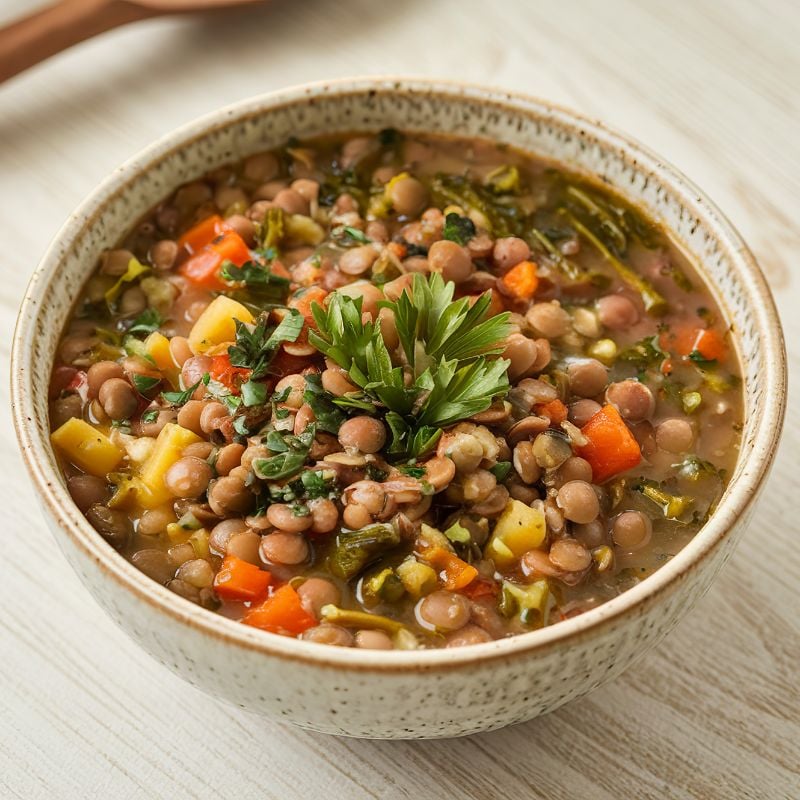
Easy, filling, and affordable.
- Fiber content: about 7.8 grams per 1/2 cup cooked
- Why they are worth adding: support regularity and add plant variety
- Easy way to eat them: add to soups, stews, or rice bowls
2. Split Peas
A simple comfort food with lots of fiber.
- Fiber content: about 8.2 grams per 1/2 cup cooked
- What makes them useful: add bulk and support digestion
- Easy way to eat them: make split pea soup
3. Black Beans
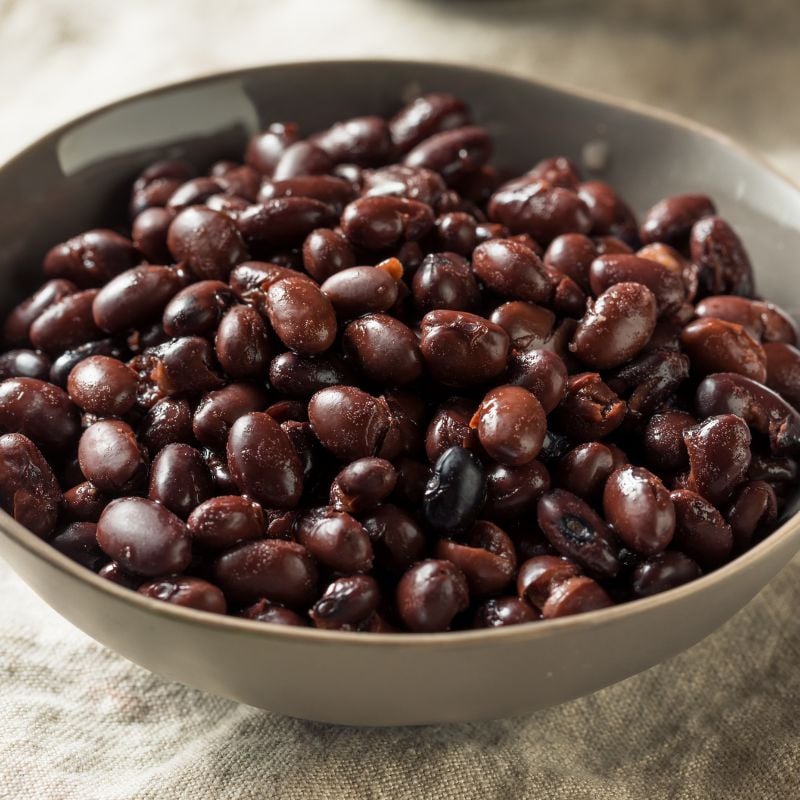
Flexible and budget-friendly.
- Fiber content: about 7.5 grams per 1/2 cup cooked
- Why they stand out: support bowel function
- An easy way to eat them: add them to bowls, salads, or soups, or try them in this omelet with black beans and guacamole.
4. Chickpeas
Versatile and easy to use.
- Fiber content: about 6.3 grams per 1/2 cup cooked
- Why they are a smart choice: help raise daily fiber intake
- Easy way to eat them: use in salads, hummus, or roasted snacks
5. Green Peas
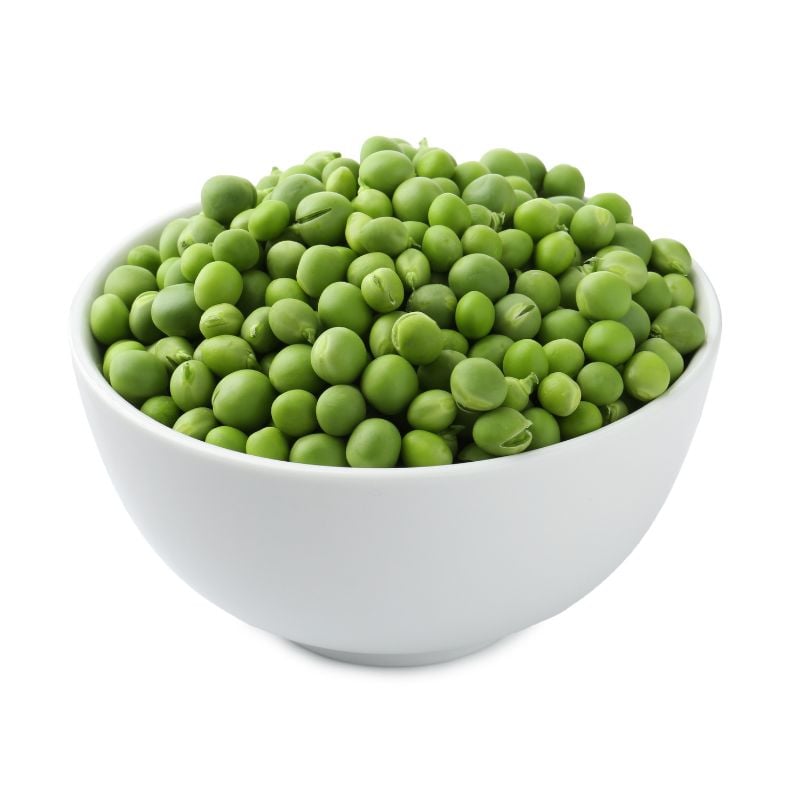
An easy high-fiber vegetable.
- Fiber content: about 8.8 grams per cup cooked
- Why they are a good option: boost fiber without changing meals too much
- Easy way to eat them: stir into pasta, rice, or soups
6. Raspberries
A simple fruit option for fiber.
- Fiber content: about 8 grams per cup
- Why they are worth including: support digestion in a light, easy way
- Easy way to eat them: add to yogurt, oatmeal, or smoothies
Million Dollar mamas have also loved: 10 Tips to Start Raising Your Own Berries at Home.
7. Pears
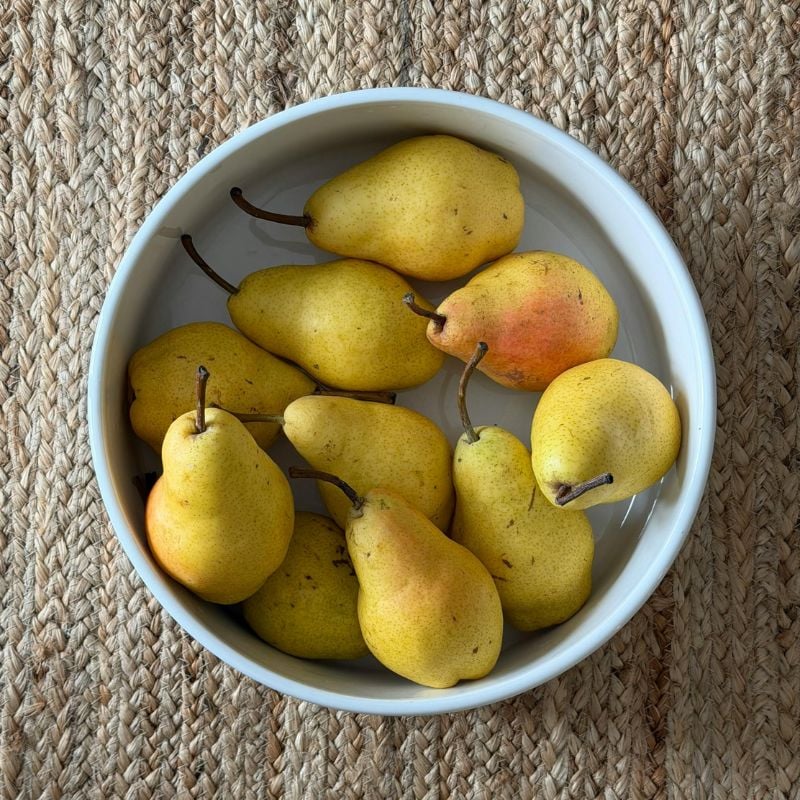
Portable and easy to eat often.
- Fiber content: about 5.5 grams per medium pear
- Why they are useful: support digestive regularity
- Easy way to eat them: eat as a snack or add to salads
8. Apples With Skin
A simple everyday source of fiber.
- Fiber content: about 4.8 grams per medium apple
- Why they are a practical pick: they give more fiber than juice
- Easy way to eat them: pair with peanut butter or oats
- Related read: Are Apples Good for Weight Loss?
9. Bananas
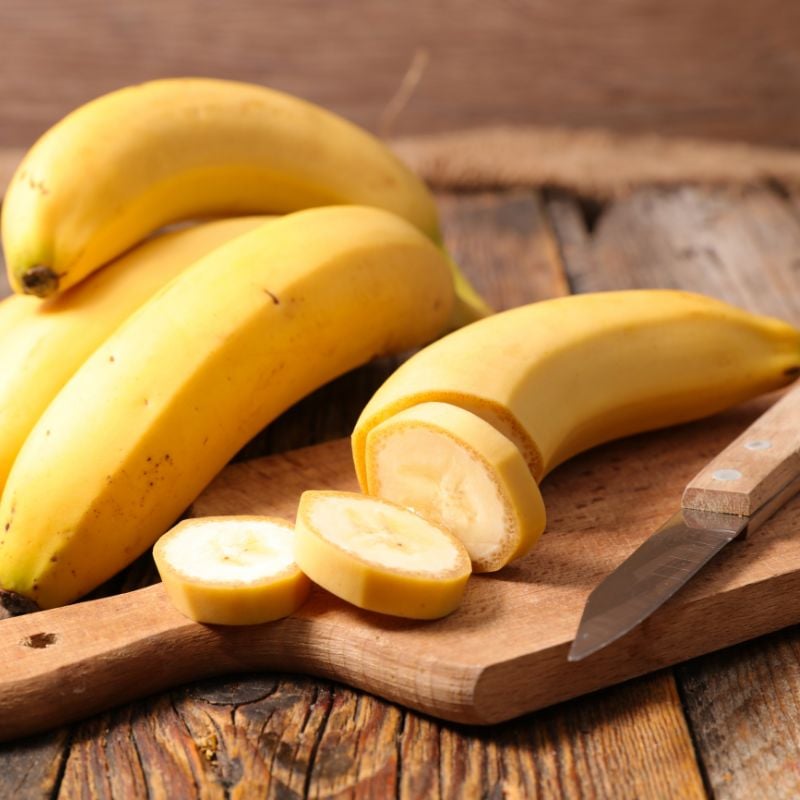
A gentle option for beginners.
- Fiber content: about 3.2 grams per medium banana
- What makes them helpful: easy to tolerate and may support gut microbes
- Easy way to eat them: eat as a snack or add to smoothies
10. Avocado
Filling and easy to add to meals.
- Fiber content: about 5 grams per cup
- Why it is a strong choice: adds fiber and satisfaction
- Easy way to eat it: use it in toast, tacos, or salads
11. Oatmeal
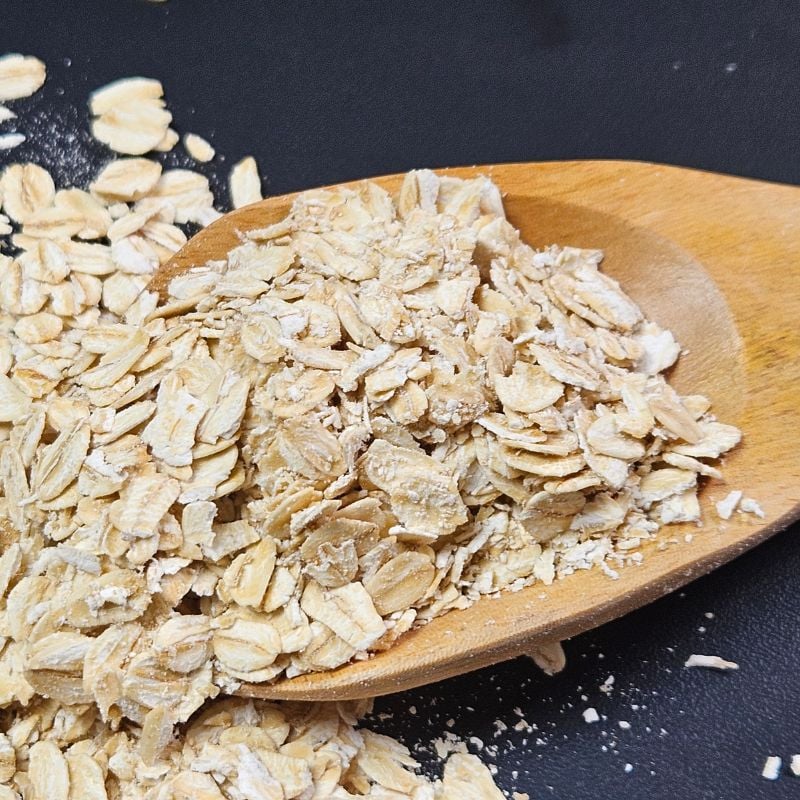
A familiar and gentle breakfast choice.
- Fiber content: about 3.4 grams per cup cooked
- Why it is worth keeping in your routine: supports digestion and gut bacteria
- Easy way to eat it: Easy way to eat it: eat with fruit and seeds, or use oats in simple recipes like these banana oat muffins
12. Barley
A great whole-grain alternative to rice.
- Fiber content: about 6 grams per cup cooked
- Why it deserves a place on the list: helps boost total fiber intake
- Easy way to eat it: use in soups or grain bowls
13. Quinoa
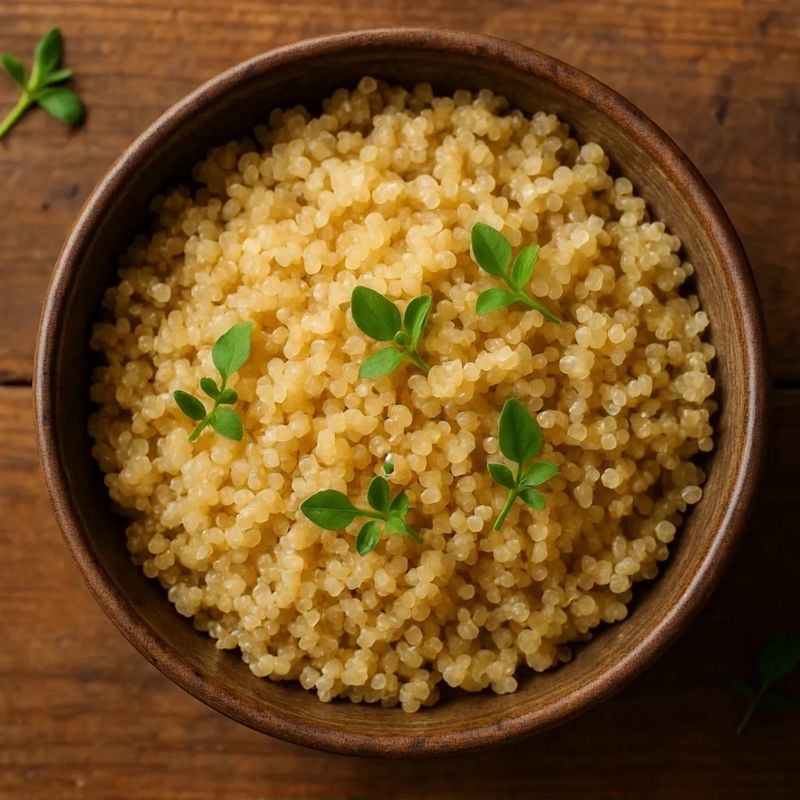
Light but still fiber-rich.
- Fiber content: about 5.6 grams per cup cooked
- Why it is a good addition: improves meal quality and fiber intake
- Easy way to eat it: use in lunch bowls or side dishes
14. Popcorn
An underrated whole-grain snack.
- Fiber content: about 5.8 grams per 3 cups of air-popped
- Why it is better than many snacks: offers more fiber than many processed options
- Easy way to eat it: enjoy as a simple snack
15. Chia Seeds
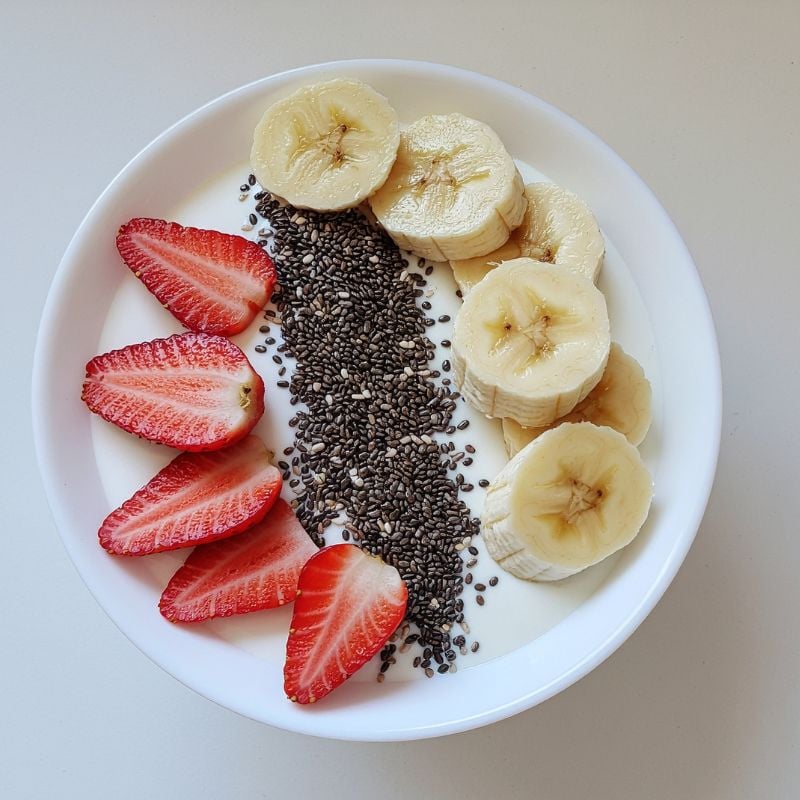
Small but very fiber-dense.
- Fiber content: about 4.1 grams per tablespoon
- Why they are easy to love: add more fiber quickly
- Easy way to eat them: stir into yogurt, oatmeal, or smoothies
- Related read: Health Benefits of Chia Seeds
16. Flax Seeds
A simple fiber boost.
- Fiber content: about 2.8 grams per tablespoon
- Why they are worth using: they help increase fiber without changing meals much
- Easy way to eat them: add ground flax to yogurt or oats
17. Broccoli
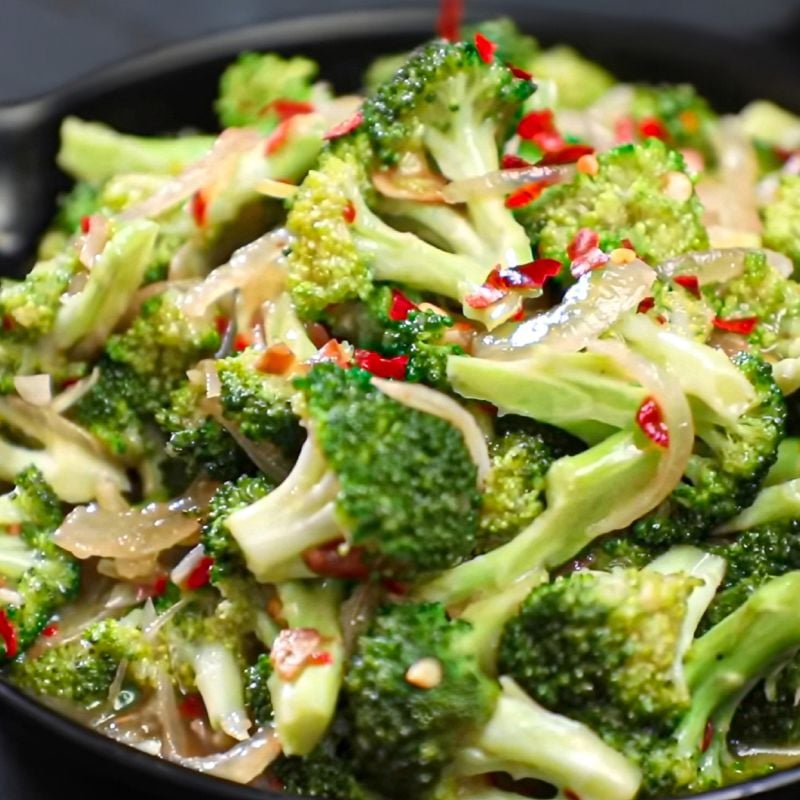
Easy to find and easy to repeat.
- Fiber content: about 5.2 grams per cup cooked
- Why it is a dependable option: helps raise total fiber intake
- Easy way to eat it: roast or steam as a side
18. Brussels Sprouts
A strong vegetable choice for fiber.
- Fiber content: about 6.4 grams per cup cooked
- Why they are worth trying: helps diversify plant intake
- Easy way to eat them: roast with olive oil
19. Sweet Potatoes
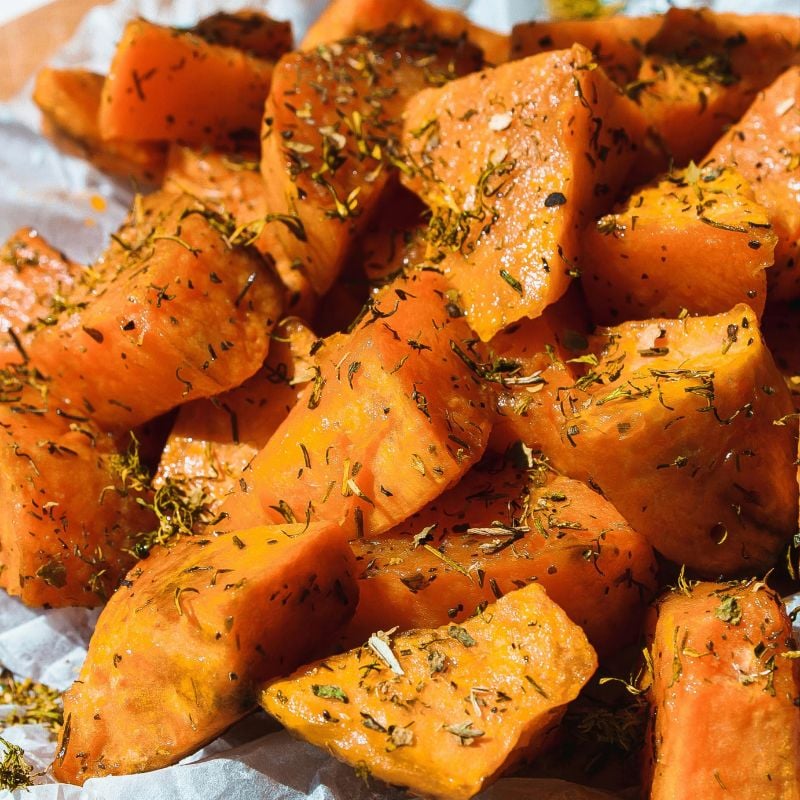
Comforting and filling.
- Fiber content: about 6.3 grams per cup cooked
- Why they work so well: support digestion in an easy, familiar way
- Easy way to eat them: bake as a side or stuff with beans
Simple Ways to Add More Fiber to Your Diet
Gut health improves more through consistency and variety than through eating one healthy food once in a while. A few easy combinations can help you get there faster:
- Oatmeal with raspberries and chia seeds
- Quinoa bowl with black beans
- Broccoli
- Avocado
- Lentil soup with a side salad
- Apple with popcorn as a snack
Those combinations matter because they layer fibers from different food groups rather than relying on a single category. Small, steady changes in the way you eat can support more than digestion, as you can also see in these changes in your diet that can help with your mental health.
Mistakes to Avoid When Eating More Fiber
The most common mistake is doing too much too fast. A sudden jump in fiber can cause bloating, gas, cramps, constipation, or diarrhea.
Drinking enough water matters too, because fluids help fiber do its job better. It also helps spread fiber throughout the day instead of trying to “catch up” with one giant salad or a bean-heavy dinner.
Conclusion: Building Better Habits With High-Fiber Foods for a Healthy Gut
A healthier gut usually does not come from doing everything perfectly. It often begins with small, steady choices that feel realistic enough to keep. Adding more high-fiber foods to your meals to support a healthy gut can be a simple, gentle way to improve digestion, feel better, and take care of your body over time. Start where you can, stay consistent, drink enough water, and let high-fiber foods for a healthy gut become part of your everyday routine.
So as you look at your own habits right now, which high-fiber foods for a healthy gut are you ready to start eating more often this week?

Hi I’m Ana. I’m all about trying to live the best life you can. This blog is all about working to become physically healthy, mentally healthy and financially free! There lots of DIY tips, personal finance tips and just general tips on how to live the best life.
Leave a Reply