
On the outside, everything seemed fine. Laura, a 36-year-old professional juggling work, family responsibilities, and personal goals, was doing what many women do every day: pushing through fatigue, relying on coffee to stay alert, grabbing quick meals between meetings, and postponing rest for “when things slow down.” Her days were productive, her calendar was full, and from a distance, she appeared healthy. Yet over time, subtle changes began to surface. Her energy levels dropped, her skin looked dull despite her skincare routine, she caught colds more often, and stress felt harder to manage. Like many women, she blamed it on a busy lifestyle, hormonal changes, or simply “getting older.” What she didn’t realize was that her body was dealing with something deeper and far more common than she imagined: oxidative stress.
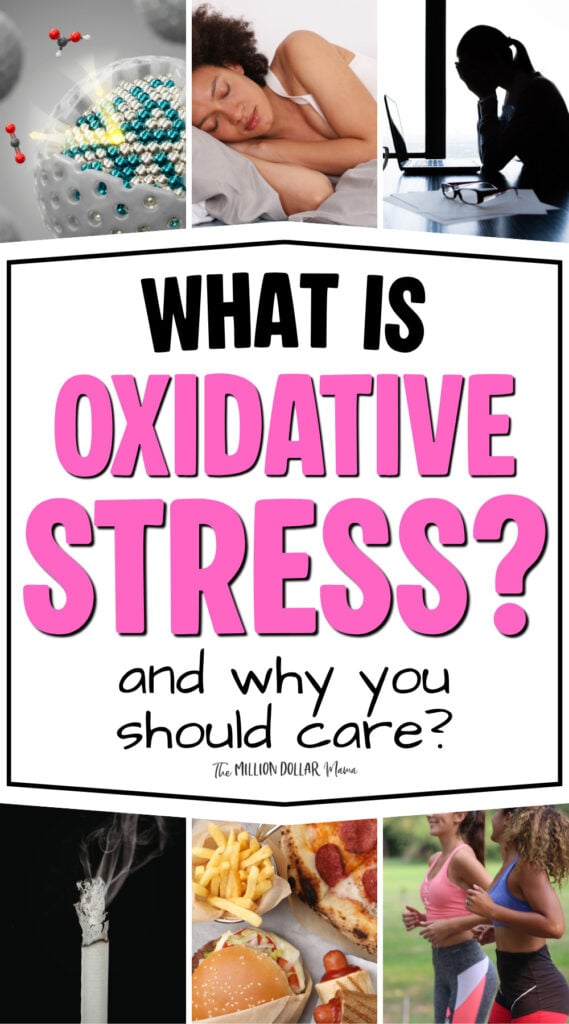
Oxidative stress is not a passing wellness trend or a buzzword used to sell supplements. It is a well-documented biological process that occurs when there is an imbalance between free radicals—unstable molecules produced naturally in the body and antioxidants, which help neutralize them.
Understanding this hidden imbalance is the first step toward reclaiming vitality, supporting long-term health, and empowering women to feel strong, energized, and resilient in the midst of their busy lives.
Let’s dive in!
The Problem with Oxidative Stress
While free radicals are a normal byproduct of metabolism, factors such as chronic stress, poor sleep, environmental pollution, ultra-processed foods, excessive sugar intake, and even intense mental or physical demands can cause their production to exceed the body’s ability to control them.
When this happens, oxidative stress can begin to damage cells, proteins, and DNA, quietly affecting how the body functions long before any major health issue appears.
For women between the ages of 25 and 44, understanding oxidative stress is particularly important.
This life stage often includes demanding careers, motherhood or family caregiving, hormonal fluctuations, and high emotional and mental loads.
Estrogen, which has natural antioxidant properties, begins to fluctuate during these years, potentially reducing some of the body’s built-in protection against oxidative damage.

So, What Really is Oxidative Stress?
Ok, I Know I’m getting a little geeky out here. Let’s try to put it in simpler terms.
Oxidative stress occurs when there is an imbalance between free radicals and antioxidants in the body. Free radicals are unstable molecules produced naturally during essential bodily processes such as breathing, metabolism, digestion, and physical activity.
They are also generated through external factors like pollution, cigarette smoke, ultraviolet radiation, and poor diet. While free radicals play necessary roles such as helping the immune system fight pathogens excessive amounts can become harmful.
Antioxidants are compounds that neutralize free radicals, preventing them from damaging cells, proteins, and DNA.
When antioxidant defenses are insufficient to counteract free radical production, oxidative stress develops, leading to cellular damage and accelerated aging.

Main Causes of Oxidative
Oxidative stress does not have a single cause; it is usually the result of multiple lifestyle and environmental factors working together.
1. Poor Dietary Patterns: Diets rich in ultra-processed foods, refined sugars, trans fats, and low in fruits and vegetables provide little antioxidant protection while increasing inflammation.
2. Chronic Psychological Stress: Long-term emotional stress elevates cortisol levels, which has been linked to increased free radical production and reduced antioxidant capacity.
3. Environmental Exposure: Air pollution, pesticides, heavy metals, cigarette smoke, and excessive sun exposure contribute significantly to oxidative damage.
4. Sedentary Lifestyle or Excessive Exercise: Too little movement impairs antioxidant defenses, while excessive high-intensity training without recovery increases oxidative stress.
5. Hormonal Changes and Health Conditions: Hormonal fluctuations related to menstrual cycles, pregnancy, postpartum, or conditions such as polycystic ovary syndrome (PCOS), obesity, and insulin resistance can increase susceptibility to oxidative stress.
Negative Effects of Oxidative Stress on Health
When oxidative stress becomes chronic, it can affect nearly every system in the body..
- Cardiovascular Health: Oxidative stress damages blood vessels, contributing to inflammation and atherosclerosis, increasing the risk of heart disease.
- Metabolic Health: It interferes with insulin signaling, increasing the risk of insulin resistance and type 2 diabetes.
- Skin and Aging: Free radical damage reduces collagen and elastin production, accelerating wrinkles, loss of firmness, and premature aging.
- Brain and Mental Health: Oxidative stress has been linked to neurodegenerative conditions and cognitive decline, as well as increased fatigue and brain fog.
- Immune System: Excess oxidative damage weakens immune defenses, making the body more prone to infections and slower recovery.
For women in their reproductive and working years, these effects may present subtly at firstlow energy, mood changes, uneven weight management but over time they can compromise overall health.
Can Oxidative Stress Be Treated or Reversed?
Oxidative stress cannot be completely eliminated, as free radicals are a natural part of human metabolism. However, it can be effectively managed and significantly reduced.
Nutritional Strategies
Consuming a diet rich in antioxidants helps restore balance. Key nutrients include:
- Vitamin C
- Vitamin E
- Beta-carotene
- Selenium
- Polyphenols and flavonoids
Medical and Professional Guidance
In certain cases, healthcare professionals may recommend antioxidant supplementation, especially for individuals with chronic disease, nutrient deficiencies, or high oxidative burden. Addressing underlying conditions such as obesity, inflammation, or hormonal imbalances is also essential.

Habits You Should Adopt to Fight Oxidative Stress
1. Eat a Colorful, Whole-Food Diet: Prioritize fruits and vegetables of different colors, such as berries, citrus fruits, leafy greens, tomatoes, cocoa, nuts, seeds, and legumes.
2. Manage Daily Stress: Mindfulness practices, breathing exercises, yoga, and setting boundaries reduce cortisol and oxidative damage.
3. Move Your Body—Moderately: Aim for at least 150 minutes of moderate-intensity physical activity per week, paired with proper recovery.
4. Improve Sleep Quality: Sleep is when cellular repair and antioxidant regeneration occur. Consistent, quality sleep is non-negotiable for oxidative balance.
5. Limit Toxin Exposure: Avoid smoking, limit alcohol consumption, wash produce thoroughly, and reduce exposure to pollutants when possible.
Why Oxidative Stress Deserves Your Attention
Oxidative stress works quietly and progressively, often without obvious symptoms at first. Over time, however, it influences how you age, how your body manages stress, and how resilient your health remains.
For women between 25 and 44 years old often balancing demanding schedules, hormonal shifts, and long-term health goals understanding oxidative stress empowers better decisions, not perfection.
The Bottom Line: You Should Really Care
Oxidative stress is a natural process that becomes harmful only when modern lifestyles push the body beyond its natural defenses.
Through mindful nutrition, balanced movement, stress management, and restorative habits, it is possible to protect cellular health and support longevity.
If small, consistent habits today can shape your future vitality, which change will you choose to start with?

Hi I’m Ana. I’m all about trying to live the best life you can. This blog is all about working to become physically healthy, mentally healthy and financially free! There lots of DIY tips, personal finance tips and just general tips on how to live the best life.
Leave a Reply