
Maybe the leftovers tasted perfectly fine at lunch, but now your stomach is turning, you feel weak, and the bathroom has become your least favorite room in the house. When you are looking for Remedies for Food Poisoning, you want something simple, gentle, and realistic that can help you get through the next few hours. Have you ever felt so nauseated that even a sip of water sounded like too much?
The good news is that mild food poisoning often gets better with time, rest, and the right kind of support. The goal is not to force your body to “detox” with extreme drinks or home cures. It is to stay hydrated, calm your stomach, and slowly return to food when you feel ready.
These ideas are for mild symptoms only. If you are pregnant, caring for a young child, have a weakened immune system, or feel seriously unwell, it is always smart to get medical advice sooner rather than later.
Before trying any remedy, it also helps to recognize the signs that you’re not drinking enough water, especially if you’ve had ongoing vomiting or diarrhea.
Before we Start: When Food Poisoning Needs Medical Attention
Get medical help promptly for bloody diarrhea, a fever above 102°F, vomiting that prevents you from keeping liquids down, signs of dehydration, or diarrhea lasting more than 3 days.
Research also recommends that pregnant people with fever and flu-like symptoms contact a doctor.
Research estimates that foodborne illness makes about 48 million people sick in the U.S. each year, so this is far more common than most of us realize.
11 Simple Remedies for Food Poisoning to Try at Home
Ok, now. Let’s jump into the 11 remedy ideas that can and will soothe any symptoms of food poisoning. Remember that all bodies are different and the use of any of these remedies will be under your own discretion.
1. Start With an Oral Rehydration Solution
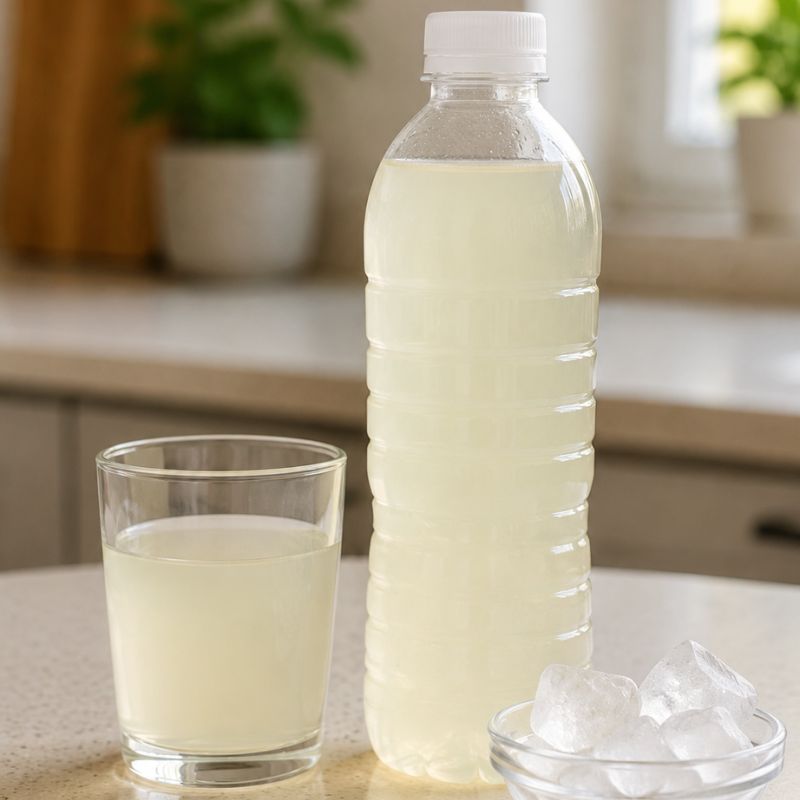
Vomiting and diarrhea can cause you to lose fluids and electrolytes quickly. An oral rehydration solution is often the most useful first step because it replaces both.
- Sip slowly: Take a few small sips every few minutes instead of trying to finish a full glass.
- Keep it close: Have it nearby if you feel shaky, tired, or dizzy.
- Skip for now: Avoid homemade “detox” drinks loaded with salt, sugar, vinegar, or lemon. The wrong balance can make your stomach feel worse.
- You can use my own recipes; check them out here: Homemade Electrolyte Water Recipes.
2. Take Small, Steady Sips of Clear Liquids
If an electrolyte drink is not available, try water, diluted juice, or a mild caffeine-free tea. Tiny sips can feel easier on an unsettled stomach than drinking quickly.
- Take breaks: If nausea increases, pause for a few minutes and resume slowly.
- Choose simple fluids: Research lists fluids, diluted fruit juice, and broth among the options adults may use to replace lost fluids.
- Leave these out: Soda, energy drinks, coffee, and alcohol can be rough on your stomach and may make hydration harder.
3. Let Ice Chips Melt Slowly
When even water feels impossible, ice chips can be a gentler place to start.
- Use plain ice: Let one small ice chip melt in your mouth before having another.
- Make it more helpful: Freeze oral rehydration solution into ice chips if you already have some prepared.
- Keep the pace gentle: Small amounts of fluid are less likely to overwhelm an upset stomach.
4. Try Clear, Salty Broth
Once the worst of the vomiting eases, a warm cup of simple broth can feel comforting. It also provides fluid and a small amount of sodium.
- Choose a light option: Chicken, vegetable, or bone broth with minimal seasoning works best.
- Keep it simple: Sip it slowly rather than drinking a large bowl at once.
- Save richer meals for later: Creamy soups, spicy chili, and greasy stews can feel heavy while nausea is still hanging around.
5. Give Your Stomach a Short Break From Solid Food
You don’t need to force yourself to eat the moment you feel sick. Start with fluids and wait for your appetite to return.
Your digestive system may need a little time to settle before food sounds appealing again. If you are curious about the process, here is a simple look at where your food goes after you eat it.
- Focus on liquids first: Water, broth, or an oral rehydration solution can be enough for the moment.
- Listen to your body: Try a few bites of food once hunger returns.
- Remember: This is not about starving yourself. It is about giving your stomach a little breathing room.
6. Reach for Plain Crackers or Toast
Plain crackers, dry toast, or dry cereal are easy first foods when your stomach is ready for something solid.
- Start small: Have a few bites, then wait to see how you feel.
- Eat at your own pace: Stop if nausea comes back.
- Choose bare basics: Saltine crackers may also provide a small amount of sodium.
- Avoid extra toppings: Butter, cream cheese, spicy sauces, and heavy spreads can be harder to tolerate at first.
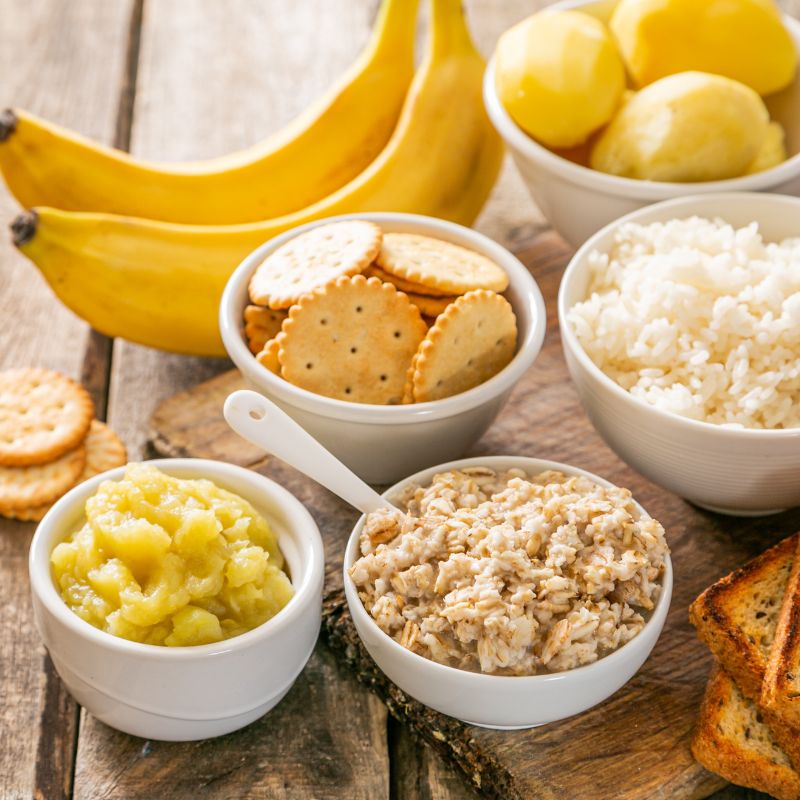
7. Have a Banana if It Sounds Appealing
A banana is soft, mild, and easy to eat in small bites. It can be a good next step after crackers or toast.
- Begin with half: You can always finish the rest later if your appetite stays low.
- Pair it simply: A banana with crackers or toast can be enough for a light snack.
- Skip the smoothie: Milk, protein powder, and added sweeteners may feel too rich for a sensitive stomach.
8. Choose Plain Rice, Potato, or Oatmeal
Plain rice, a baked potato without toppings, or oatmeal made with water can help you gradually return to regular meals.
- Keep portions modest: A small serving is easier to manage than a full plate.
- Use light seasoning: Salt is fine if it sounds good, but heavy sauces can wait.
- Avoid rich versions: Fried rice, buttery mashed potatoes, and sugary oatmeal may feel too heavy while your stomach is still sensitive.
Once you are feeling better and can return to your usual meals, these simple ways to support a healthier gut can be a helpful next read.
9. Try Unsweetened Applesauce
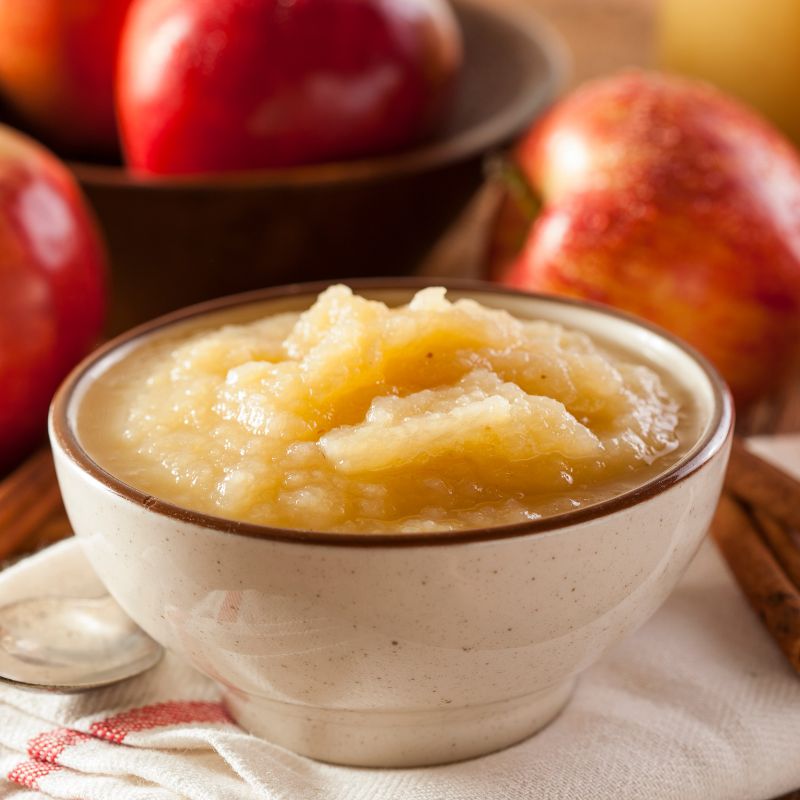
Applesauce can be a soft, easy option when you want food but don’t feel like chewing much.
- Take a few spoonfuls. Wait a little before eating more.
- Choose unsweetened when possible: It is a simpler choice for an upset stomach.
- Pass on very sweet options: syrupy fruit cups and desserts may worsen diarrhea for some people.
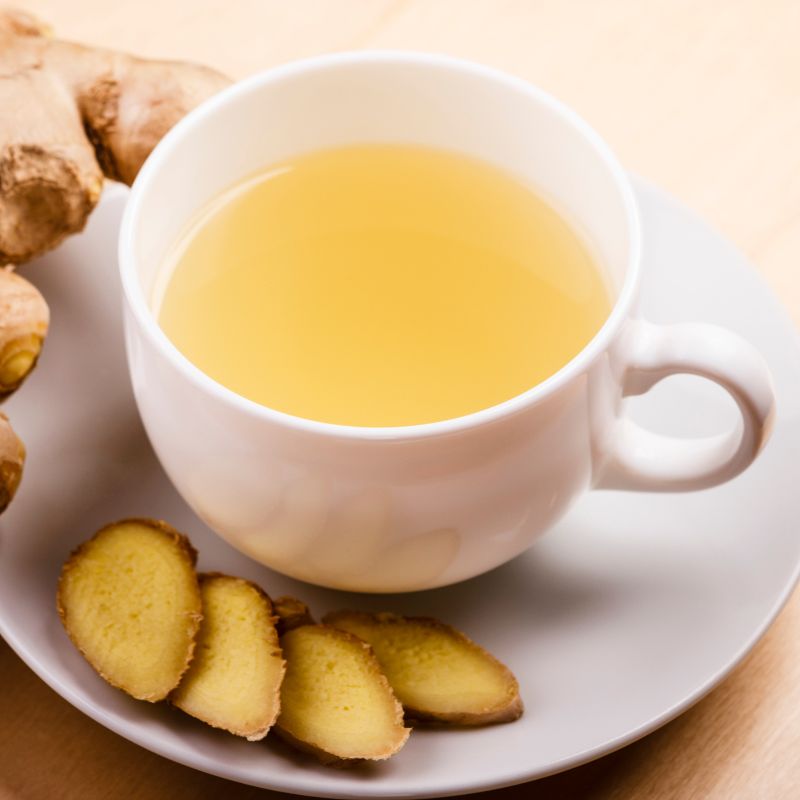
10. Sip Mild Ginger Tea for Nausea
A mild ginger tea may offer some comfort if nausea is your biggest problem. It does not treat the infection itself, but it can be a soothing option.
- Keep it mild: Steep a few slices of fresh ginger in hot water, then let it cool enough to sip slowly.
- Use food-level amounts: A simple tea is gentler than a strong ginger shot.
- Be cautious with supplements: Ginger may interact with medicines, so skip supplements unless a healthcare professional says they are appropriate for you.
Learn more about the herbal teas that shouldn’t be mixed with medicine, here!
11. Rest, Keep Warm, and Use Gentle Heat for Cramps
Your body is working hard, even if you are only lying on the couch. Rest can make the next few hours feel much more manageable.
- Set yourself up comfortably: Keep fluids, a blanket, and your phone close by.
- Use gentle heat: A warm compress or heating pad on a low setting may feel soothing for mild cramps.
- Give yourself a quiet day: Skip intense workouts, heavy meals, and alcohol until you are fully recovered.

Natural Remedies for Food Poisoning to Skip
Garlic cloves, oregano oil, apple cider vinegar shots, activated charcoal, and essential oils may sound tempting online, but they are not proven treatments for food poisoning. Some can irritate your stomach, interact with medication, or distract you from the real priority: hydration.
Natural does not always mean gentle when you are already nauseated, vomiting, or dehydrated.
For parents: Raw milk is not a recovery drink for a sick toddler. Read: Is Raw Milk a Safe Option for Toddlers? before considering it.
Final Thoughts on Remedies for Food Poisoning
The best Remedies for Food Poisoning are usually the least dramatic: slow hydration, simple foods, rest, and knowing when symptoms need medical attention.
Start with what your stomach can tolerate, avoid rushing back into rich meals, and give yourself permission to take it easy for a day.
Which gentle step would help you feel most comfortable when you have an upset stomach?

Hi I’m Ana. I’m all about trying to live the best life you can. This blog is all about working to become physically healthy, mentally healthy and financially free! There lots of DIY tips, personal finance tips and just general tips on how to live the best life.
Leave a Reply