
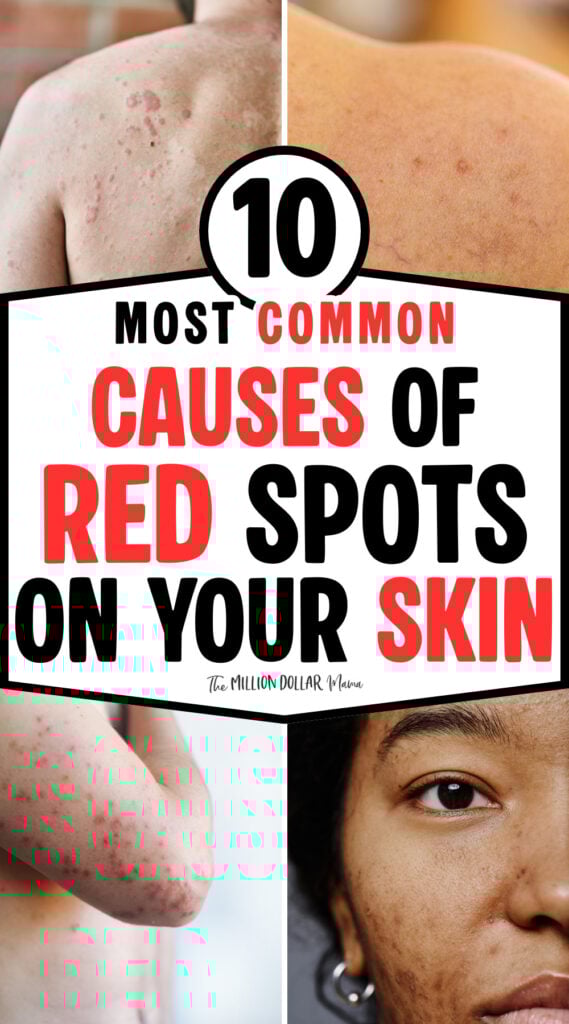
Woke up, glanced in the mirror, and noticed a few red patches or tiny dots that weren’t there yesterday. If that’s happened to you, you’ve probably started wondering about the what are the main causes of red spots on skin and whether you should worry. The good news is that everyday triggers cause many of these spots, and most of them are harmless.
Your skin goes through a lot every single day, from weather changes to stress and the products you use. Sometimes it remains calm; other times it becomes red, indicating something is off. Think of it as your body’s gentle way of asking for a little extra care.
In this guide, we’ll walk through the most common reasons these red areas appear, including lifestyle habits and ongoing skin conditions. I’ll keep things simple and easy to follow, so you don’t feel overwhelmed. And of course, you’ll find practical steps you can start today to help calm your skin and feel more confident again.
Before we jump in, check out this guide on the best foods you can eat for a glowing skin: 11 Foods That Will Make Your Skin Glow.
10 Common Causes of Red Spots on Skin You Shouldn’t Ignore
Today, we’re covering 10 common causes of red spots on your skin, so you can take action and make the needed changes to prevent them from coming out and make your skin look fresh and nourished everyday.
1. Skin Irritation from Products

Why?
- Harsh soaps and cleansers strip away the skin’s natural protective barrier
- Fragrances and alcohol-based products trigger irritation and redness
- Over-exfoliating weakens the outer skin layer, making it more sensitive
Try this instead:
- Switch to fragrance-free, gentle skincare
- Pause all new products for 1–2 weeks to let skin recover
- Use a simple moisturizer morning and night to rebuild the barrier
2. Allergic Reactions
According to research, allergic skin reactions affect millions of adults each year, often caused by cosmetics, metals such as nickel, or topical ingredients.
Why?
- Food sensitivities can trigger redness or hives
- New medications sometimes cause skin reactions
- Contact with plants, metals, or beauty products may irritate sensitive skin
Try this instead:
- Stop using suspected triggers immediately
- Apply a cool compress to calm the skin
- Seek medical care if you notice swelling, dizziness, or trouble breathing
3. Dry or Dehydrated Skin
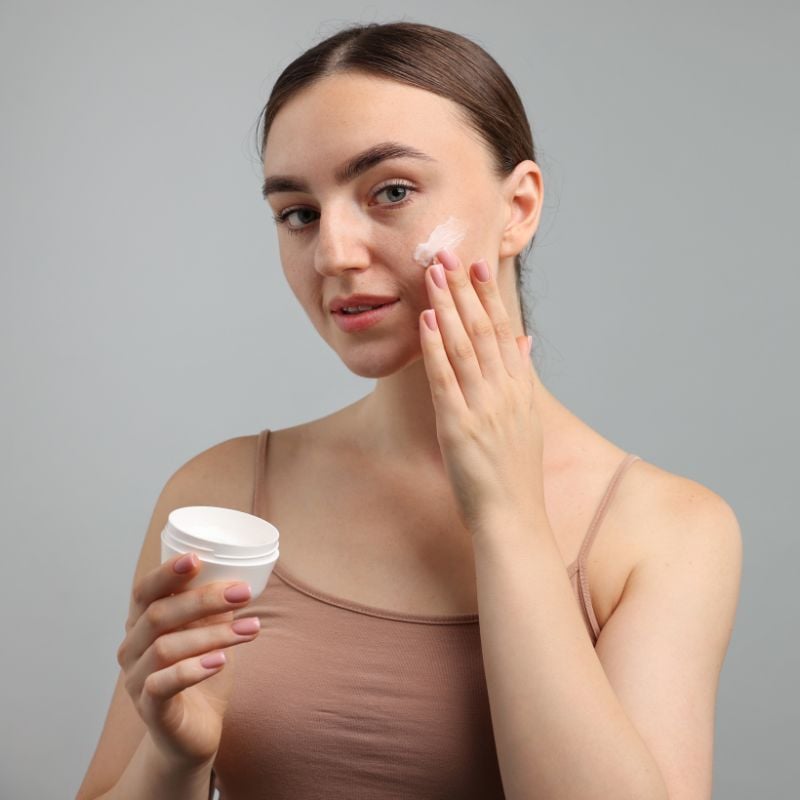
When your skin lacks sufficient water and natural oils, it becomes fragile and more prone to redness.
Why?
- Low daily water intake leaves skin dull and tight
- Cold or windy weather pulls moisture from the surface
- Hot showers remove protective oils that keep skin calm
Try this instead:
- Choose thicker creams instead of lightweight lotions
- Limit hot showers to 10 minutes and moisturize right after
Increasing your daily water intake can significantly improve skin resilience. If you’re unsure how much water you really need, read my guide on the importance of staying hydrated to support your skin from the inside out.
4. Heat, Sweat, and Friction

Research indicates that heat rash develops when sweat ducts clog, creating small red bumps. This happens more often in warm, humid conditions or during heavy sweating.
Why?
- Tight clothing traps heat against the skin
- Humid weather prevents sweat from evaporating
- Excess sweating irritates and blocks pores
Try this instead:
- Wear loose, breathable fabrics like cotton
- Shower soon after sweating
- Keep skin folds dry, especially in hot weather
5. Poor Diet & Nutrient Gaps

Your skin depends on nutrients to repair itself and control inflammation.
This is what happens:
- Too much sugar and fried food increases inflammation
- Low fruit and vegetable intake reduces antioxidant protection
- Lack of omega-3 fats weakens the skin barrier
Try this instead:
- Add leafy greens, berries, nuts, and seeds
- Include healthy fats like olive oil and avocado
- Stay consistently hydrated to support skin cells
When your diet lacks antioxidants and healthy fats, your skin may become dull or red. If you’re noticing multiple changes at once, here are 5 signs your skin needs a detox now that might surprise you.
6. Chronic Skin Conditions
Examples
- Eczema
- Rosacea
- Psoriasis
According to research, conditions such as eczema affect more than 31 million people in the U.S.
Causes:
- Genetics influences skin sensitivity
- The immune system overreacts and causes inflammation
- Triggers like stress, weather, or certain products worsen symptoms
You can Try these:
- Follow doctor-recommended treatments
- Track and avoid personal triggers
- Keep a symptom journal to spot patterns
7. Stress and Hormonal Changes

Stress hormones increase inflammation and dilate blood vessels, which can make redness more noticeable.
What You Should do:
- Aim for 7–8 hours of sleep
- Add gentle movement like walking or stretching.
- Practice breathing or relaxation techniques daily
Hormonal fluctuations, especially from stress or menstrual cycles, can make redness more noticeable. If your skin changes feel hormonal, check out the signs of a hormonal imbalance to better understand what your body may be telling you.
8. Sun Exposure

Research indicates that UV rays damage skin cells and small blood vessels.
Also, studies indicate that in the U.S., more than 9,500 people are diagnosed with skin cancer every day.
Try this:
- Apply SPF 30 or higher every day
- Avoid direct sun between 10 am and 4 pm
- Wear hats and sunglasses outdoors
Daily sunscreen is one of the most effective ways to reduce redness and long-term damage. If you’re unsure which one to choose, here’s a complete guide to the use of sunscreen to help you protect your skin properly.
9. Mild Infections

Fungal infections like ringworm often cause red, itchy, circular patches.
What to do:
- Keep skin clean and completely dry
- Avoid sharing towels, clothing, or razors
- Use antifungal creams if recommended by a professional
10. Blood Vessel Sensitivity
Small broken capillaries can appear due to temperature shifts, aging, or naturally sensitive skin.
Try this:
- Avoid extreme heat or cold on the face
- Use gentle, non-irritating skincare
- See a dermatologist if redness persists or spreads
When to See a Doctor About Red Spots on Your Skin
Most red spots are harmless and improve with simple care, but some signs mean it’s time to see a professional.
Get medical advice if red spots:
- Spread quickly or change suddenly
Rapid changes may indicate infection or a more severe inflammatory response. - Are painful, warm, swollen, oozing, or bleeding
These symptoms may indicate a skin infection that requires treatment. - Lasts more than 7–10 days without improvement
Ongoing redness may indicate chronic conditions such as eczema or rosacea. - Appear with fever, fatigue, or joint pain
When skin changes are accompanied by systemic symptoms, a doctor should evaluate them. - Show up after starting a new medication
Some drug reactions affect the skin and need prompt attention.
If something feels unusual or concerns you, it’s always safer to consult a healthcare professional.
Daily Habits That Help Prevent Red Spots on Skin
Simple daily choices can calm your skin and reduce the chances of redness.
Support your skin from the inside
- Drink enough water each day
- Eat fruits, vegetables, healthy fats, and lean proteins
- Limit excess sugar and highly processed foods
Protect your skin barrier
- Moisturize daily, especially after showering
- Use gentle, fragrance-free skincare
- Avoid over-exfoliating
Reduce common triggers
- Wear sunscreen (SPF 30+) every day
- Protect skin from extreme cold, wind, and heat
Care for your overall health
- Manage stress through rest or light exercise
- Prioritize good sleep so your skin can repair overnight
These small habits add up and help your skin stay stronger, calmer, and less prone to red spots.
The Bottom Line: Understanding the Causes of Red Spots on Skin
Red spots can appear for many reasons, and understanding their causes helps you provide appropriate care rather than unnecessary worry. Everyday irritations, lifestyle habits, and chronic skin conditions can all play a role, and small daily changes often make a noticeable difference.
But if your skin keeps sending signals that something isn’t right, could the causes of red spots on skin be your body’s way of telling you something deeper needs attention?

Hi I’m Ana. I’m all about trying to live the best life you can. This blog is all about working to become physically healthy, mentally healthy and financially free! There lots of DIY tips, personal finance tips and just general tips on how to live the best life.
Leave a Reply