
At 7:15 in the morning, your toddler may happily eat a few berries and then push away the egg they loved yesterday. If figuring out how to introduce protein for toddlers feels like one more tiny-parenting puzzle on an already busy day, how are you supposed to make it easier without turning meals into a battle?
You don’t need fancy recipes, protein powders, or a perfectly balanced plate at every meal. Small additions to familiar foods can go a long way.
These ideas are made for real toddler life: changing appetites, quick snacks, picky phases, and moms who need practical options that actually fit into a normal day.
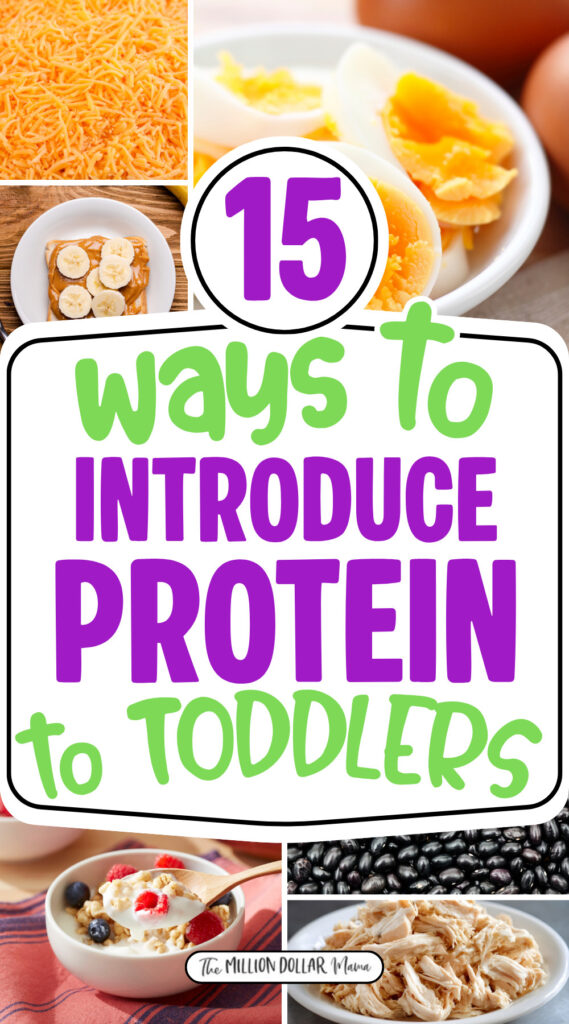
If your toddler is refusing meals, these food ideas for toddlers who refuse to eat may also help.
How Much Protein Does a Toddler Need?
Protein helps the body make and repair cells and supports children’s growth and development.
Research recommends 13 grams of protein per day for children ages 1–3. Think of that as a daily guide, not a number you need to chase at every meal.
Offering a variety of protein foods early also gives toddlers time to get used to new tastes and textures. Your job is to offer; your child can decide whether to eat and how much to eat.

Simple Ways to Introduce More Protein for Toddlers
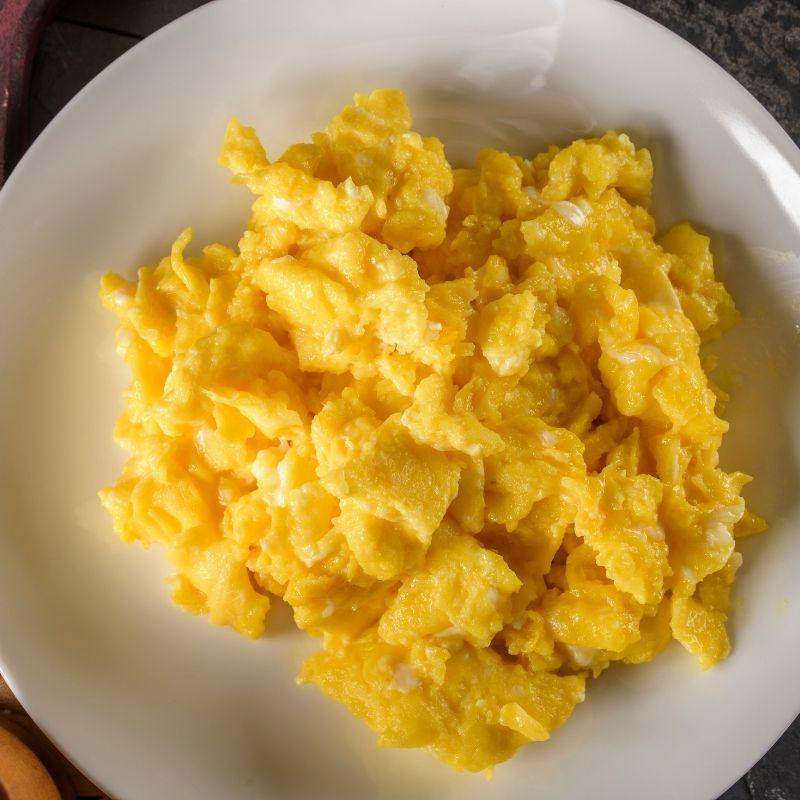
1. Make Eggs the Breakfast Anchor
Eggs are soft, affordable, and easy to adapt as your toddler’s eating skills develop.
- Start with one or two tablespoons of soft, fully cooked, or scrambled egg.
- Try thin omelet strips for self-feeding or mini egg muffins with finely chopped spinach or shredded cheese.
- Serve a small portion first. Your toddler can always ask for more.
- You can also tuck fully cooked egg into mini pancakes, colorful quesadilla wedges, or bite-sized toast cups to make it look familiar and inviting.
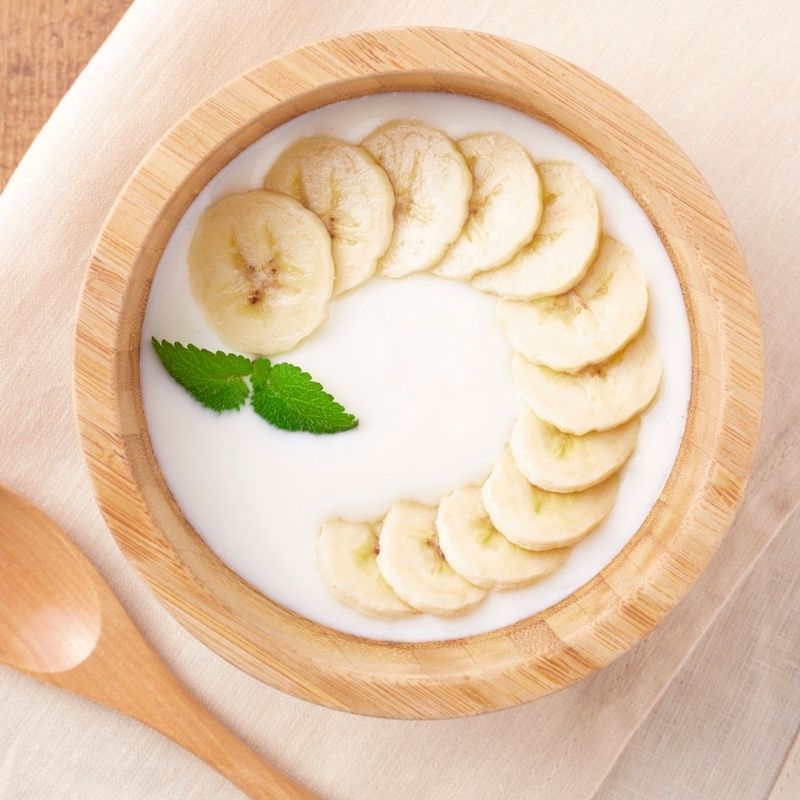
2. Choose Plain Greek Yogurt
Plain Greek yogurt works for breakfast, snacks, or even as a creamy dip.
- Mix it with mashed banana, berries, cinnamon, or unsweetened applesauce.
- If the tangy flavor is new, place one small spoonful beside a familiar food.
- For children under 2, choose pasteurized, full-fat yogurt unless their pediatrician recommends otherwise.
- Still comparing dairy choices? Read whether raw milk is safe for toddlers.
3. Spread Nut or Seed Butter Thinly
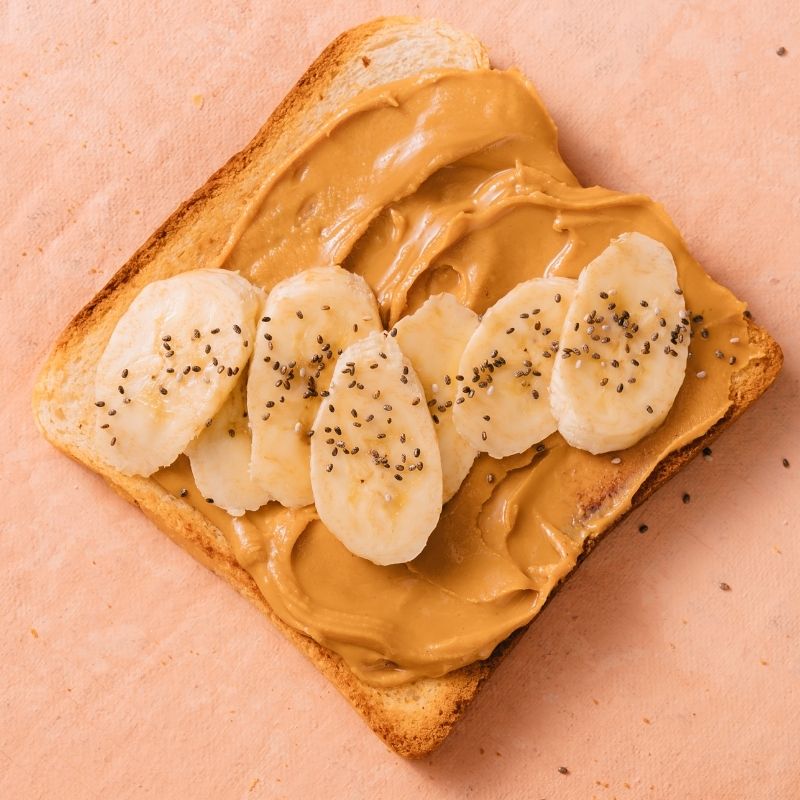
Peanut, sunflower seed, almond, or cashew butter can add protein to foods your toddler already accepts.
- Spread a very thin layer on toast, a soft pancake, or banana slices.
- Stir a small amount into oatmeal or yogurt to make it easier to swallow.
- Avoid spoonfuls, thick blobs, and whole nuts or seeds because they pose a choking hazard.
4. Put a Dip Next to Familiar Foods
Some toddlers become more curious about a food when they can dip it themselves.
- Offer smooth hummus or white bean dip with soft pita, roasted sweet potato, or well-cooked vegetables.
- Begin with a teaspoon-sized amount beside something familiar.
- Once your toddler accepts it, try spreading the dip inside a soft mini wrap.
5. Blend Beans Into Everyday Meals
Beans are affordable and easy to add without preparing a separate meal.
- Mash white beans into tomato or pasta sauce.
- Blend black beans into quesadilla filling.
- Stir mashed beans into rice, soup, or sweet potato.
- If serving individual beans, cook them until very soft, then flatten them rather than serving them whole.
Related Read: Best Sensory Boards for Toddlers
6. Use Cheese as a Supporting Player
Cheese can make an unfamiliar meal more appealing, but it doesn’t need to become the only protein your toddler eats.
- Grate or melt cheese into eggs, quesadillas, pasta, or baked potatoes.
- Pair it with fruit, vegetables, or whole-grain crackers.
- Avoid large cubes and thick pieces, especially string cheese, and rotate it with lower-sodium protein options.
7. Serve Tender Shredded Chicken or Turkey
Finely shredded meat is easier for toddlers to manage than large or chewy pieces.
- Moisten shredded chicken or turkey with broth, sauce, or mashed avocado.
- Add it to rice, pasta, soup, tacos, or quesadillas.
- Remove all skin, bones, gristle, and tough pieces before serving.
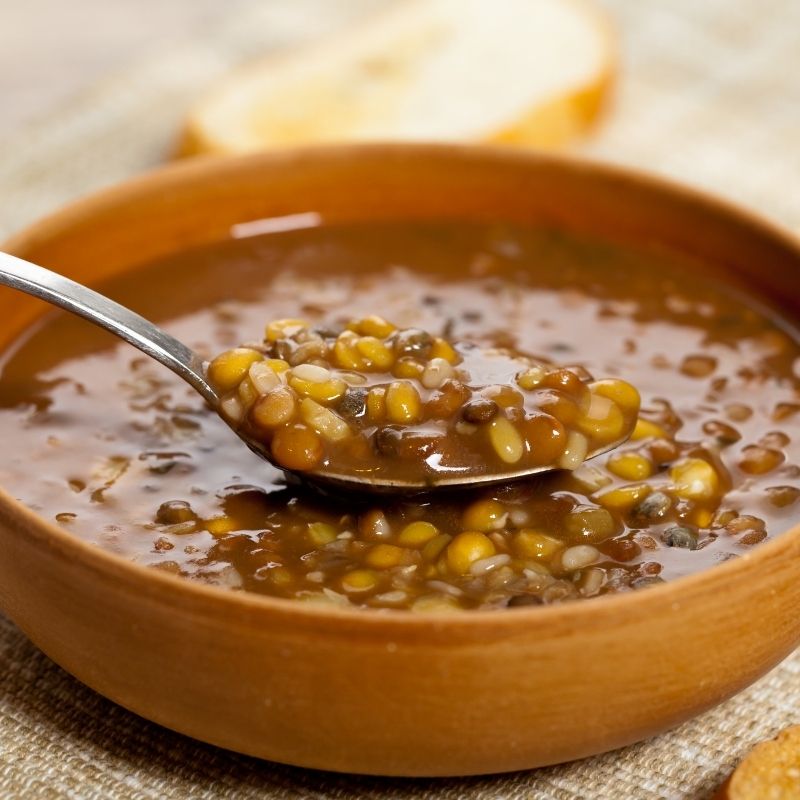
8. Give Lentils a Familiar Home
Lentils cook until soft and can blend naturally into meals your family already eats.
- Add cooked red lentils to tomato sauce, soup, or macaroni.
- Combine them with mashed sweet potato to make soft patties.
- Offer lentil soup with toast strips for dipping.
9. Try Cottage Cheese in Creamy Foods
Cottage cheese can seem strange to a toddler at first, especially if they aren’t used to its lumpy texture.
- Blend it into pasta sauce or a fruit smoothie for a smoother introduction.
- Stir a small amount into scrambled eggs.
- If your toddler likes the texture, serve a little with soft peaches, berries, or toast.
10. Let Tofu Take on the Flavor of the Meal
Tofu has a mild flavor and works especially well in meals with sauces.
- Blend silken tofu into smoothies, soups, or creamy pasta sauces.
- Mash it into rice or noodles.
- Offer small, soft pieces of firm tofu with a familiar mild sauce.
- Begin with a tiny portion if the texture is completely new.
You Might Also Like: Stocking Stuffer Ideas for Babies and Toddlers
11. Upgrade Oatmeal Gently
You don’t have to change your toddler’s favorite oatmeal completely to add protein.
- Stir in Greek yogurt after the oatmeal has cooled slightly.
- Add a thin swirl of peanut or sunflower seed butter.
- Serve scrambled egg or cottage cheese on the side if your toddler prefers foods to stay separate.
12. Build a Three-Part Snack Plate
A balanced toddler snack can include one protein food, one fruit or vegetable, and one grain or starchy food.
Try combinations such as:
- Plain yogurt, banana, and toast
- Hummus, soft pita, and steamed carrots
- Cheese, strawberries, and whole-grain crackers
Not every snack needs to look perfect, but this simple formula can make planning easier. Pediatric experts recommend a similar combination for balanced toddler snacks.
13. Use Quesadillas and Mini Wraps
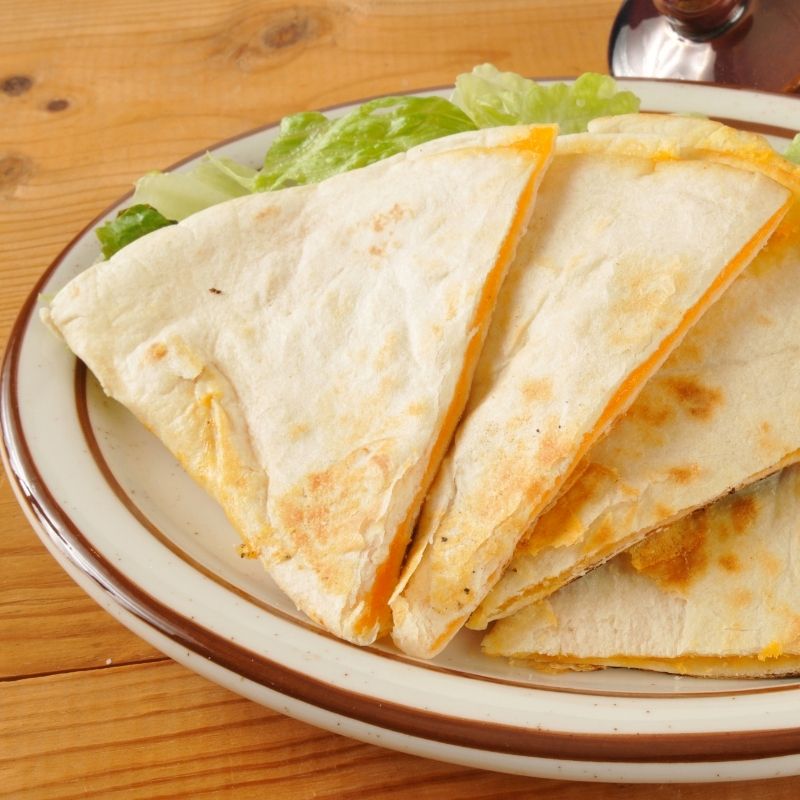
Quesadillas and wraps are easy for little hands and can hold several toddler-friendly proteins.
- Fill them with mashed beans and grated cheese.
- Try finely shredded chicken with avocado or scrambled egg with cheese.
- Keep the filling thin and the tortilla soft rather than crisp.
- Cut it into narrow strips or small pieces your toddler can manage comfortably.
14. Add Low-Mercury Fish in Small Portions
Fish can introduce new flavors and textures while adding variety to your toddler’s protein choices.
- Try fully cooked salmon, cod, tilapia, or canned light tuna.
- Flake it carefully and mix it into rice, pasta, or soft fish cakes.
- Check thoroughly for bones before serving.
- For ages 1–3, Research recommends about one ounce per serving, twice weekly, from its lower-mercury “Best Choices” list.
15. Keep Offering Without Pressure
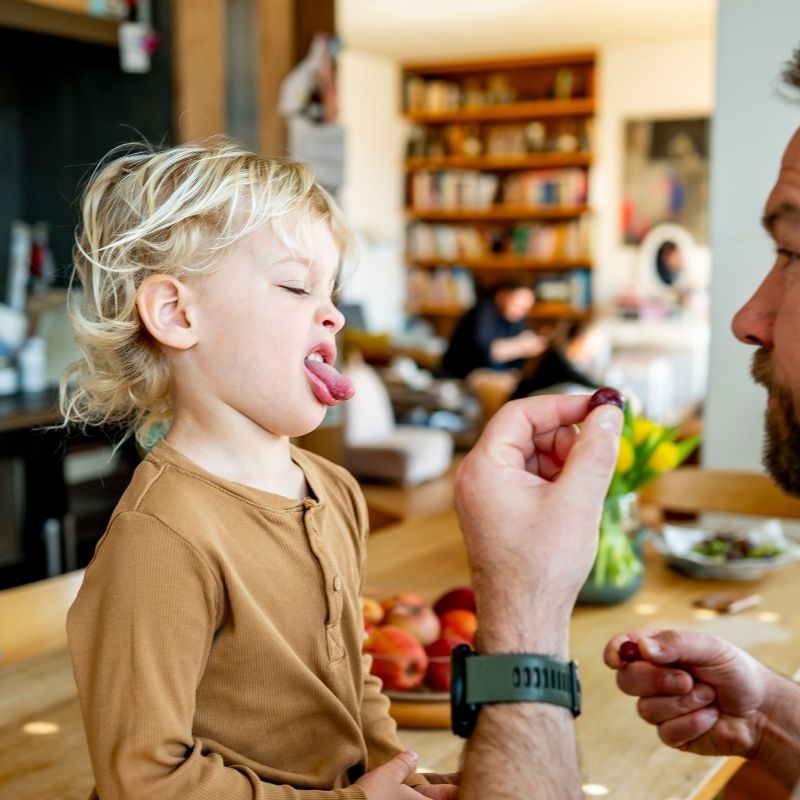
Refusing a protein food once doesn’t mean your toddler will never eat it. Some children need 10 or more tastes before accepting a new food.
- Place a very small amount beside at least one food your child already likes.
- Allow your toddler to touch, smell, lick, or taste it without pressure.
- Avoid bribes or forcing “just one bite.”Offer the food again another day or prepare it in a different way.
- Instead of immediately cooking a second meal, make sure the original plate includes one familiar option.
If food refusal turns into whining, these tips for dealing with a whining toddler may help you respond calmly.
Keep Protein Foods Safe for Toddlers
Always stay nearby while your child eats. Mash beans, shred meat, flake fish, thinly spread nut butter, and serve foods in textures your toddler can manage.
Try to avoid whole nuts, spoonfuls of nut or seed butter, chunks of tough meat, whole beans, large pieces of cheese, and fish with bones. If your child has severe eczema, an egg allergy, trouble swallowing, poor growth, or an extremely limited diet, check with their pediatrician before making major changes.
My Final Thoughts
Adding protein does not have to mean making a separate meal or convincing your toddler to eat a huge portion. An egg at breakfast, hummus at snack time, or beans mixed into dinner can all count.
Which one of these easy ideas feels most doable at your next meal?

Hi I’m Ana. I’m all about trying to live the best life you can. This blog is all about working to become physically healthy, mentally healthy and financially free! There lots of DIY tips, personal finance tips and just general tips on how to live the best life.
Leave a Reply