
Have you ever eaten a perfectly normal meal, only to spend the next few hours wondering what on earth upset your stomach? Finding the right foods to avoid with IBS can feel frustrating when one meal leaves you completely fine, and another brings bloating, cramps, gas, diarrhea, or constipation.
And the confusing part is that your trigger foods may look completely different from someone else’s. Even foods we usually think of as healthy can sometimes leave an IBS-sensitive stomach feeling miserable.
Instead of giving you another giant list of things you “can’t” eat, I want to make this practical. Below are 15 foods worth watching, what makes them troublesome for some people with IBS and most importantly, what you can eat instead.
If your stomach is already acting up, you may also find these home remedies for IBS relief helpful for managing everyday discomfort.
What Are FODMAPs and How Can They Affect IBS?
Many foods on this list are high in FODMAPs, short-chain carbohydrates that aren’t absorbed well in the gut. They can draw water into the intestines and become fermented by gut bacteria, producing gas and stretching the intestinal wall. For someone with a sensitive IBS gut, that can mean more bloating, pain, gas, diarrhea, or constipation.
If FODMAPs are new to you, this guide to what a low-FODMAP diet is, explains how the approach works in more detail.
Research reports that around 75% of people with IBS experience symptom relief with a low-FODMAP diet, although it doesn’t work for everyone.
Curious about digestion? See where your food goes after you eat it.
15 Foods to Avoid With IBS and What to Eat Instead
1. Onions
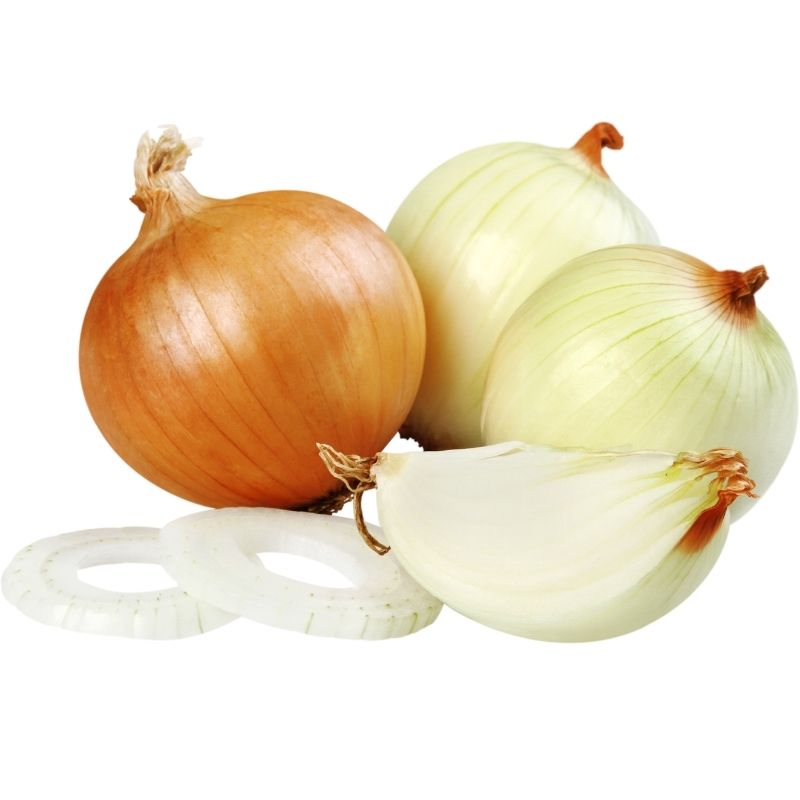
Onions are packed with fructans, a FODMAP that can ferment in the colon and contribute to bloating, gas, and abdominal discomfort. They’re also surprisingly easy to consume without realizing it.
You may find onions in:
- Soups and broths
- Pasta sauces
- Salad dressings
- Seasoning mixes
Try instead:
- Chives
- Green onion tops
- Onion-infused oil
2. Garlic
Garlic has the same major problem: fructans. Cooking garlic doesn’t necessarily remove them, so even foods that contain only a little garlic can become troublesome for someone sensitive to fructans.
Common hidden sources include:
- Marinades
- Pasta sauces
- Garlic powder
- Salad dressings
For a similar flavor, try:
- Garlic-infused olive oil
- Ginger
- Chives
- Fresh herbs
3. Regular Cow’s Milk
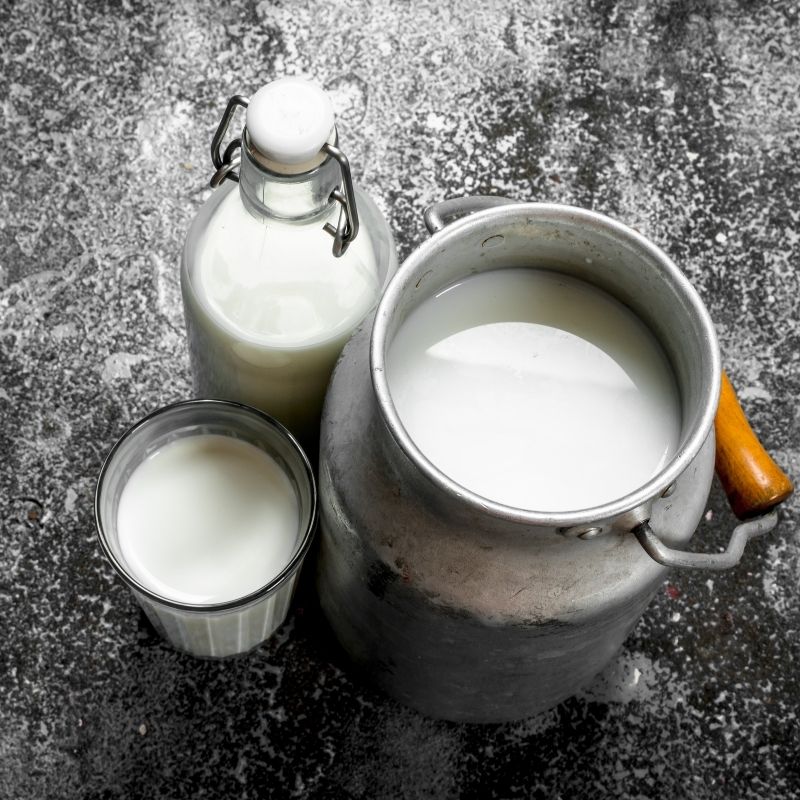
Cow’s milk contains lactose. If your small intestine doesn’t break lactose down efficiently, more of it reaches the colon, where it can contribute to gas, bloating, and loose stools.
Easier alternatives include:
- Lactose-free cow’s milk
- A tolerated plant-based milk
- Naturally low-lactose hard cheeses
Having IBS doesn’t automatically mean you need to eliminate every dairy food. Your tolerance can depend on both the type of dairy and the portion.
4. Ice Cream and Soft Dairy Desserts
Ice cream can pose a double challenge because it combines lactose with a relatively high fat content, both of which may aggravate digestive symptoms in susceptible people.
Other foods in this category include:
- Milkshakes
- Soft-serve ice cream
- Custard
- Creamy dairy desserts
A gentler treat might be:
- Lactose-free ice cream
- A tolerated dairy-free frozen dessert
- A homemade fruit-based frozen snack
5. Wheat-Based Bread and Pasta
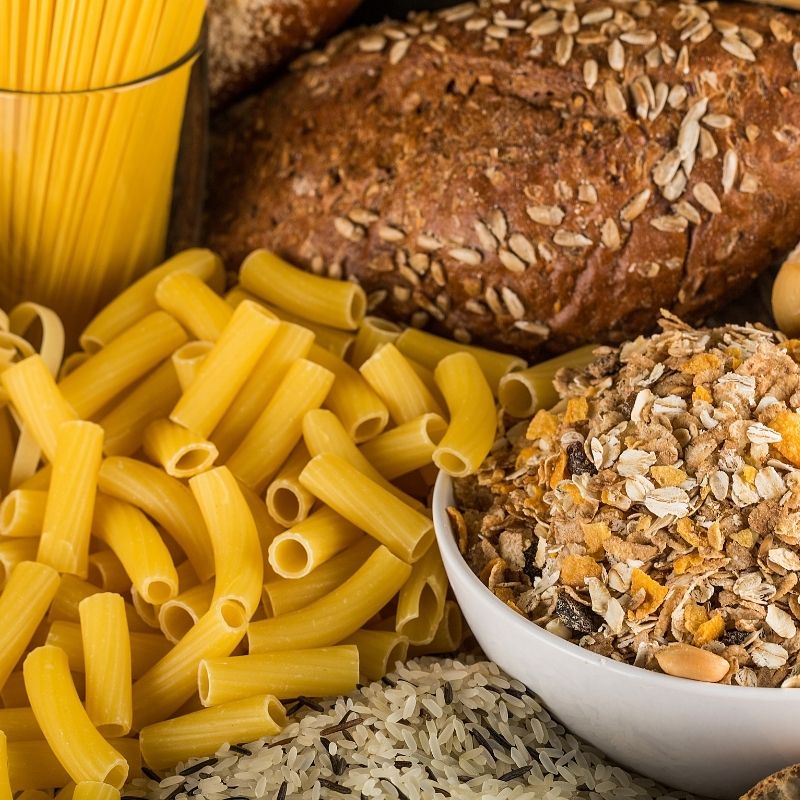
Here’s an important distinction: wheat doesn’t automatically cause IBS problems because of gluten.
Wheat is also rich in fructans, so feeling better after cutting out bread or pasta doesn’t necessarily mean gluten was the culprit.
Common wheat-heavy foods include:
- Regular sandwich bread
- Wheat pasta
- Crackers
- Wheat-based breakfast cereals
Consider replacing them with:
- Rice
- Quinoa
- Oats
- Suitable low-FODMAP breads
6. Beans
Kidney beans, baked beans, and several other legumes contain galacto-oligosaccharides (GOS). Humans don’t digest these carbohydrates efficiently, allowing gut bacteria to ferment them and produce gas.
Beans that may deserve extra attention include:
- Kidney beans
- Baked beans
- Black beans
- Large servings of mixed beans
For protein, consider:
- Eggs
- Chicken
- Fish
- Firm tofu
Fiber still has an important place in a balanced diet, so you may also want to explore these high-fiber foods for a healthy gut and find the ones you tolerate best.
7. Lentils
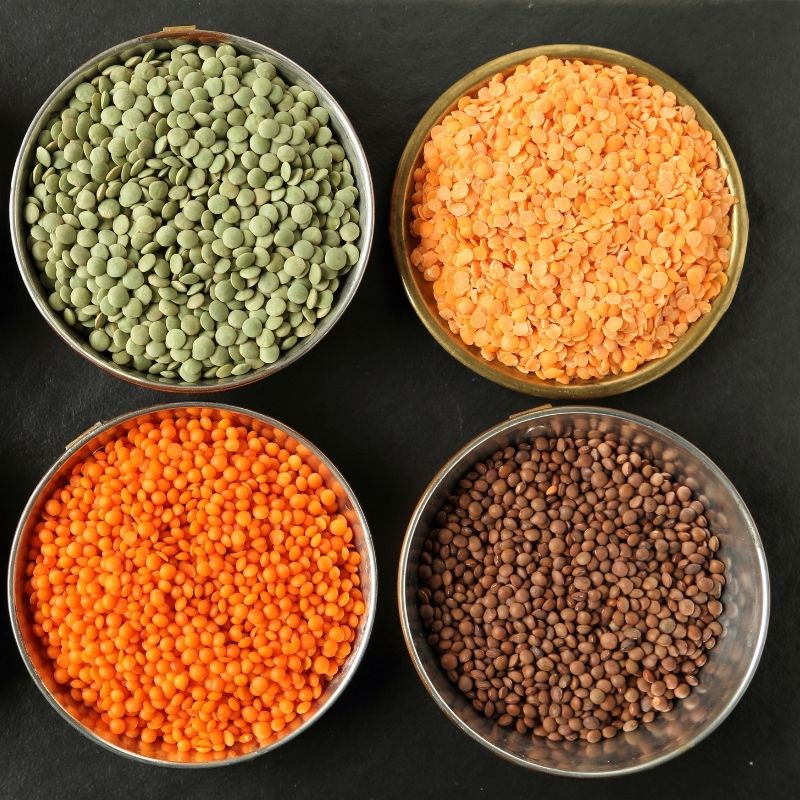
Lentils are nutritious, but their fermentable carbohydrates can cause discomfort in some IBS-sensitive stomachs.
Your reaction may depend on:
- The type of lentil
- Portion size
- How it’s prepared
- Your personal FODMAP tolerance
Other protein options include:
- Firm tofu
- Eggs
- Fish
- Chicken
- Quinoa
You may eventually discover that a small portion of lentils is perfectly manageable even if a large bowl isn’t.
8. Apples and Pears
Apples and pears contain a particularly challenging combination of excess fructose and sorbitol. Both are FODMAPs, which can make these otherwise nutritious fruits problematic for some people with IBS.
Fruit swaps to consider:
- Kiwi
- Oranges
- Strawberries
- Grapes in tolerated portions
Portion size still matters, even when choosing lower-FODMAP fruit.
Readers also enjoyed “The Connection Between Gut and Mental Health.”
9. Mango and Watermelon

Fruit isn’t bad for IBS. However, some fruits contain considerably more fermentable sugars than others.
Mango and watermelon are among the fruits that can be harder to tolerate because of their FODMAP content.
Reach for fruits such as:
- Kiwi
- Strawberries
- Oranges
- Pineapple
- Other fruits you already know your stomach tolerates
The goal isn’t to avoid fruit; it’s to find varieties and portions that agree with your gut.
10. Cauliflower
Cauliflower may look like an innocent side dish, but it can be difficult for some people with IBS because of its fermentable carbohydrate content.
You may encounter it as:
- Roasted cauliflower
- Cauliflower rice
- Cauliflower pizza crust
- Mashed cauliflower
Gentler vegetable choices include:
- Carrots
- Spinach
- Zucchini
- Eggplant
- Green beans
11. Mushrooms
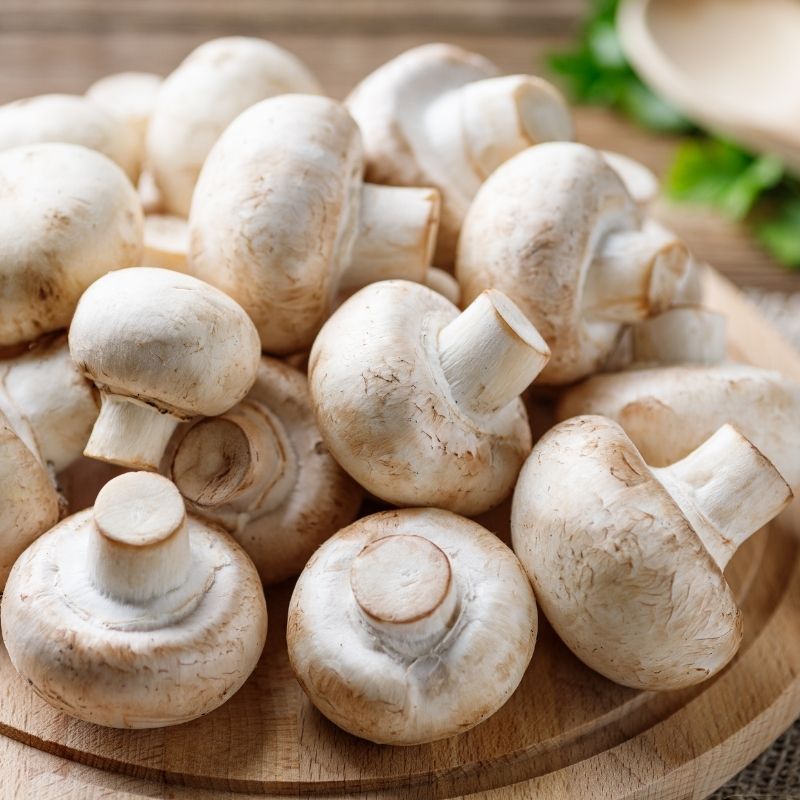
Many common mushrooms contain mannitol, a polyol that isn’t completely absorbed in the small intestine. That can increase fermentation and digestive discomfort in sensitive people.
Watch especially for mushrooms in:
- Stir-fries
- Pizza
- Pasta dishes
- Creamy sauces
For a similar savory texture, try:
- Eggplant
- Zucchini
- Bell peppers
- Carrots
12. Cashews and Pistachios
Cashews and pistachios contain relatively high amounts of GOS and fructans, making them more likely to cause symptoms during a low-FODMAP phase than several other nuts.
They can also appear in:
- Nut butters
- Trail mixes
- Granola
- Dairy-free sauces and desserts
For some crunch, consider:
- Peanuts
- Macadamia nuts
- Other tolerated low-FODMAP nuts in appropriate portions
13. Sugar-Free Gum and Candy
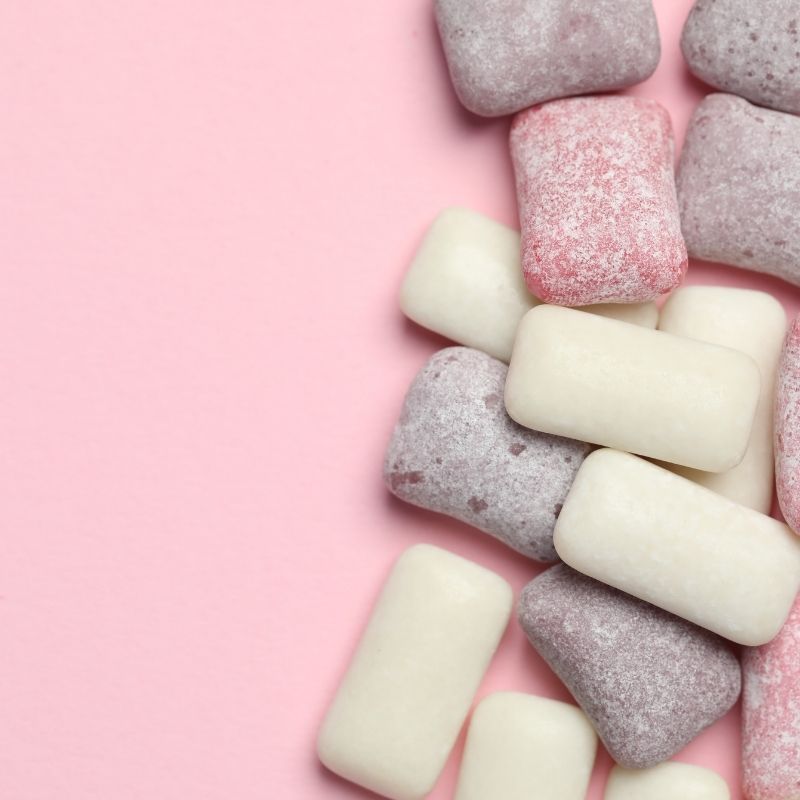
Here’s one label-reading habit worth learning: watch for sweeteners ending in “-ol.” These sugar alcohols, or polyols, aren’t completely absorbed and can increase gas, discomfort, and loose stools.
Common examples include:
- Sorbitol
- Mannitol
- Xylitol
- Maltitol
You may find them in:
- Sugar-free gum
- Sugar-free candy
- Mints
- Some “no added sugar” snacks
A simpler choice: Have a small amount of a normally sweetened treat that you already tolerate.
14. Honey and High-Fructose Corn Syrup
Honey and high-fructose corn syrup can provide enough excess fructose to become problematic for some people with IBS.
Don’t only check the obvious sweet foods. These sweeteners may appear in:
- Cereal bars
- Breakfast cereals
- Sauces
- Salad dressings
- Desserts
- Packaged snacks
- Canned Cola Sodas
For sweetness, try:
- A modest amount of maple syrup
- Regular table sugar in a tolerated amount
15. Deep-Fried and Greasy Foods
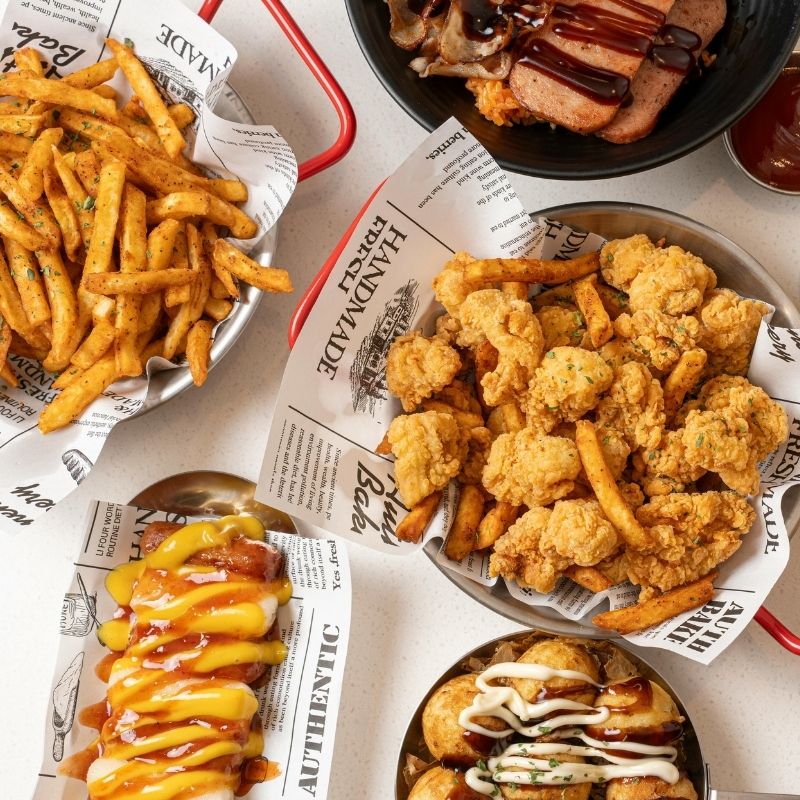
Not every IBS trigger comes down to FODMAPs. Large amounts of fatty and fried foods can also aggravate digestive symptoms in some people.
Common culprits include:
- Fried chicken
- French fries
- Onion rings
- Fried appetizers
- Greasy burgers or fast food
Keep the meal but change the cooking method:
- Bake
- Grill
- Roast
- Air-fry
For example, baked potato wedges may be much easier on your stomach than a large serving of deep-fried fries while still satisfying that craving.
You may also like: 10 Ways to Heal Your Gut.
Don’t Forget About What You Drink
Coffee, energy drinks, alcohol, and fizzy drinks can also deserve a spot on your personal trigger list. Research recommends limiting caffeine, alcohol, and carbonated drinks when they worsen IBS symptoms.
Water and non-caffeinated drinks are usually simpler places to start.
Final Thoughts on Foods to Avoid With IBS
Figuring out the foods to avoid with IBS shouldn’t make you afraid of eating. Think of this list as a starting point for learning what your gut tolerates rather than a permanent set of food rules.
Begin with the foods that repeatedly seem connected to symptoms, make simple swaps, and reintroduce foods carefully when appropriate. If your diet starts feeling overly restrictive, working with a registered dietitian can make the process much easier.
Which food on this list seems to bother your stomach the most? Did you spot any trigger food that has bother you in the past?

Hi I’m Ana. I’m all about trying to live the best life you can. This blog is all about working to become physically healthy, mentally healthy and financially free! There lots of DIY tips, personal finance tips and just general tips on how to live the best life.
Leave a Reply