
It is midafternoon, lunch feels like a distant memory, and the snack drawer is calling your name. Have you wondered why some meals carry you to the next one while others barely last? Adding High-Protein Foods can make an ordinary meal feel more complete and give you the society you need throughout your day!
You don’t need an enormous steak at every meal or a shelf crowded with protein powders. Many familiar, affordable foods can give breakfast, lunch, dinner, and snacks more staying power.
Below are animal- and plant-based choices, their approximate protein content, and simple ways to make each one satisfying.
If you would like to explore more satisfying choices beyond protein, these filling foods for weight loss offer additional ideas for breakfasts, meals, and snacks.
Why Is Protein an Important Part of Your Diet?
Protein does much more than support muscle growth. It plays several essential roles throughout the body:
- Keeps you satisfied longer: Protein is generally more filling than carbohydrates or fat. It can affect appetite-related hormones and requires more energy to digest, which may help keep hunger from returning too quickly.
- Preserves muscle mass: Protein supplies the amino acids your body needs to maintain and repair muscle tissue during everyday life.
- Supports muscle growth: When paired with resistance training, a higher protein intake may produce additional improvements in lean mass and strength, according to a 2022 systematic review and meta-analysis.
If building stronger muscles is one of your goals, you may also enjoy this guide to high-protein, low-calorie foods for muscle growth.
- Helps with daily body functions: Your body uses protein to build and repair tissues and produce enzymes, hormones, and antibodies.
- Needs vary from person to person: The adult Recommended Dietary Allowance is 0.8 grams per kilogram of body weight per day, but this is a general baseline. Pregnancy, age, activity level, and health can change individual requirements.
What Makes a Protein Food More Filling?
Protein is only one piece. Fiber, water, healthy fats, and thick or solid textures can make food more substantial. Certain soluble fibers can slow stomach emptying and support satiety. That is why this list includes beans, soy foods, and fatty fish alongside lean proteins.
Prefer meatless choices? This comprehensive guide to plant-based protein foods includes legumes, grains, nuts, seeds, and soy.
19 High-Protein Filling Foods to Keep You Satisfied Longer
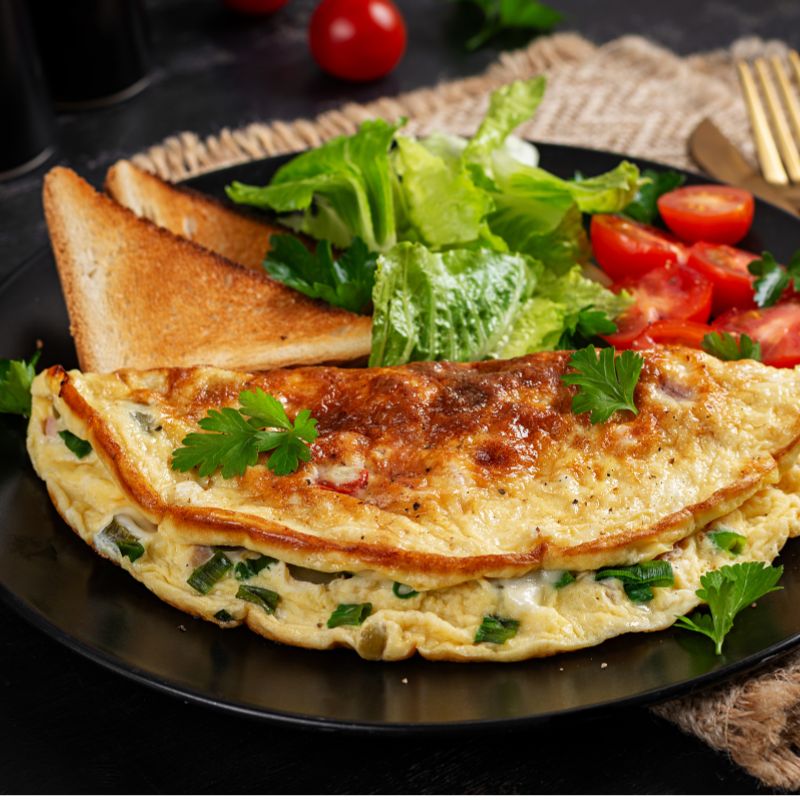
1. Eggs
Whole eggs pair high-quality protein with fat, making them more substantial than plain toast.
- Protein: About 12.6 grams in two large eggs
- Make them last: Add vegetables and whole-grain toast.
2. Plain Greek Yogurt
Straining concentrates yogurt’s protein, creating a thick texture that feels like a real snack.
- Protein: Approximately 20 grams per 7-ounce serving
- Easy combination: Add berries, oats, or chia seeds for fiber.
Greek yogurt also works well between meals. For more practical ideas, explore these snacks to enjoy guilt-free.
3. Cottage Cheese
Creamy cottage cheese provides a substantial amount of dairy protein without requiring cooking.
- Protein: Around 28 grams per cup
- Serving inspiration: Pair it with fruit, tomatoes, cucumber, or whole-grain crackers.
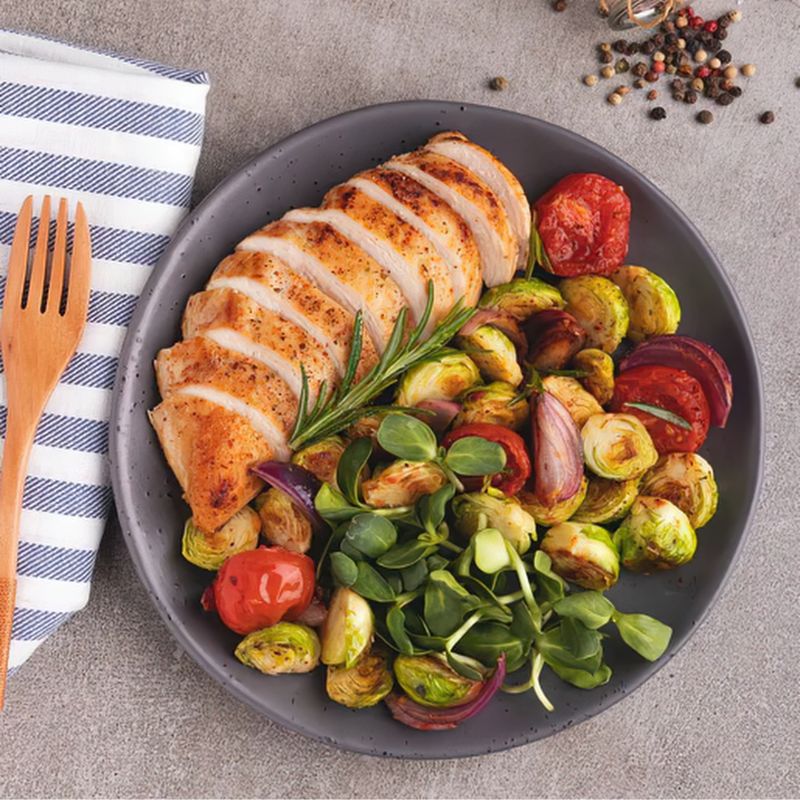
4. Chicken Breast
Chicken breast packs considerable protein into a modest serving and works best as part of a complete plate.
- Protein: About 26.7 grams per 3-ounce cooked serving
- Fullness upgrade: Add roasted vegetables and potatoes or brown rice.
Other readers have also enjoyed these healthy foods that can help you burn fat, which focus on protein, fiber, and balanced meals rather than miracle ingredients.
5. Turkey Breast
Turkey works in salads, wraps, and dinner bowls. Fresh cooked turkey is generally less processed than deli slices.
- Protein: Approximately 25.6 grams per 3-ounce serving
- Practical use: Layer it into a whole-grain wrap with vegetables and avocado.
6. Lean Beef
Lean beef is a complete protein and provides iron, zinc, and vitamin B12. Its dense texture takes time to chew.
- Protein: Around 24.6 grams per 3-ounce serving
- Balanced plate: Combine it with beans, vegetables, or a baked potato.
7. Pork Tenderloin
This lean cut roasts easily and can provide ready-to-use protein for several meals.
- Protein: About 22 grams per 3-ounce cooked serving
- Try it with: Roasted vegetables, brown rice, or apple-cabbage slaw.
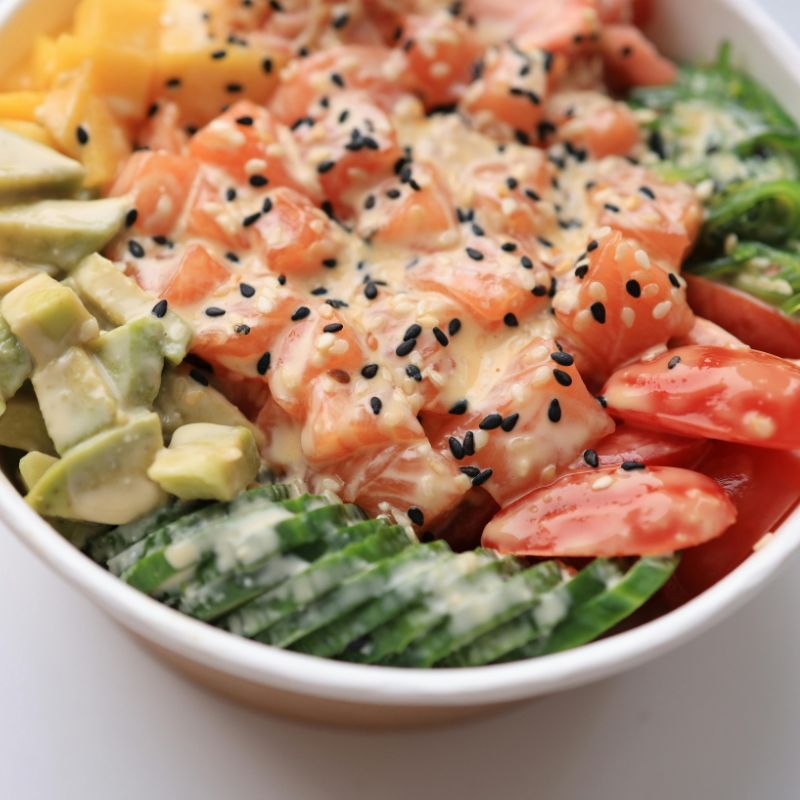
8. Salmon
With complete protein and omega-3-rich fat, this fish gives the meal extra staying power.
- Protein: Approximately 21 grams per 3-ounce serving
- Meal idea: Serve it over a grain-and-vegetable bowl.
Salmon is also featured among these foods to improve liver health because it provides protein and omega-3 fats.
9. Canned Tuna
Affordable tuna can quickly turn a light salad or sandwich into a more substantial meal.
- Protein: Around 22 grams per 3-ounce drained serving
- For a fuller lunch: Mix it with Greek yogurt and serve on whole-grain bread.
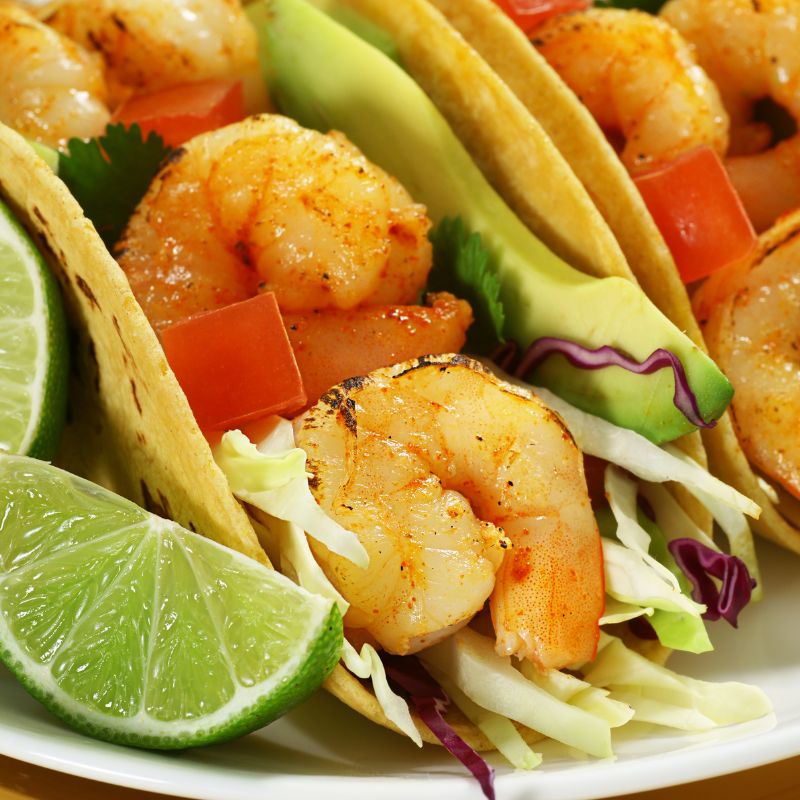
10. Shrimp
Shrimp supplies plenty of lean protein, while its firm texture works well in tacos, salads, and stir-fries.
- Protein: About 20.4 grams per 3-ounce cooked serving
- Build around it: Add beans, vegetables, and rice rather than eating shrimp alone.
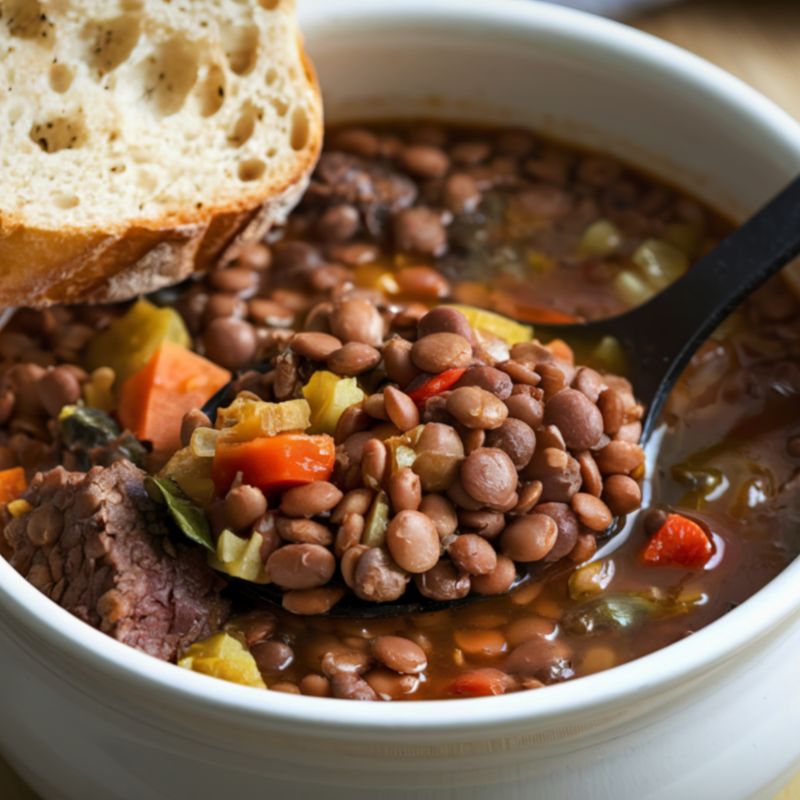
11. Lentils
Lentils combine plant protein with fiber, creating an especially hearty and budget-friendly base.
- Protein: Approximately 18 grams per cooked cup
- Simple preparation: Use them in soup, curry, chili, or a warm salad.
12. Black Beans
Black beans combine protein, fiber, and slow-digesting carbohydrates into one familiar food.
- Protein: Around 15 grams per cooked cup
- Best pairing: Add them to eggs, taco bowls, soups, or stuffed sweet potatoes.
13. Chickpeas
Their firm texture and fiber give chickpeas enough substance to transform a basic salad.
- Protein: Approximately 14.5 grams per cooked cup
- Ways to enjoy them: Roast them, blend them into hummus, or add them to curry.
14. Navy Beans
These small beans become creamy in soups while retaining the protein and fiber that make legumes so satisfying.
- Protein: About 15 grams per cooked cup
- Comforting option: Simmer them with vegetables, herbs, and a little olive oil.
15. Split Peas
Split peas create thick, comforting soups without cream and provide plenty of volume in each bowl.
- Protein: Around 16 grams per cooked cup
- Batch-cooking tip: Make a large pot and freeze individual portions.
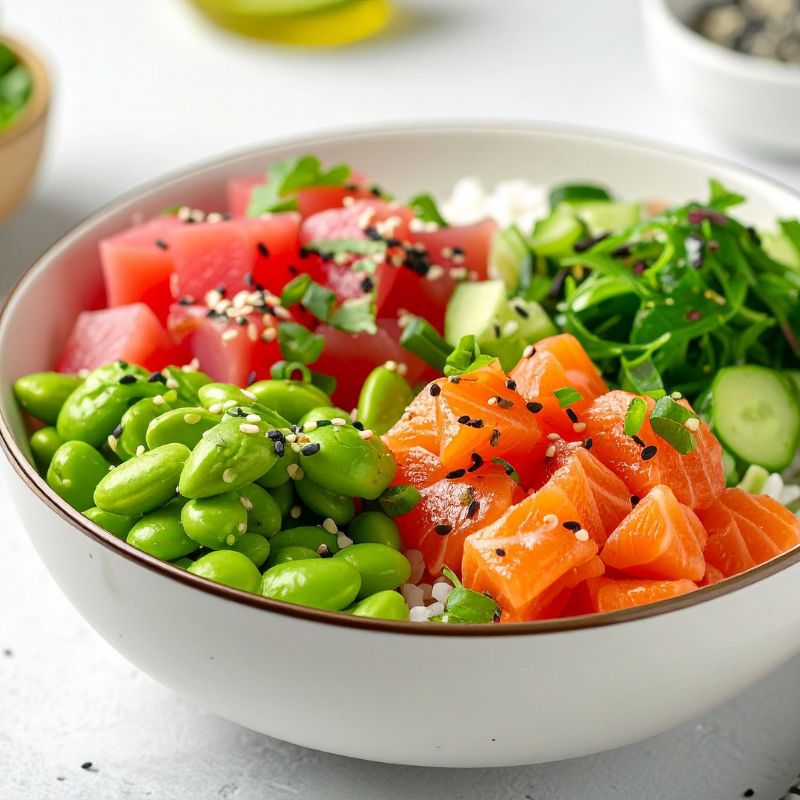
16. Edamame
Edamame supplies complete soy protein and fiber, and shelling the beans can naturally slow your eating pace.
- Protein: Approximately 18.5 grams per cooked cup
- Quick addition: Toss it into salads, noodle bowls, or stir-fries.
17. Tempeh
Made from fermented whole soybeans, tempeh has a firm, chewy texture and more fiber than many meat substitutes.
- Protein: Around 19 grams per 3.5-ounce serving
- Cooking approach: Marinate, slice, and sauté it for bowls, sandwiches, or stir-fries.
18. Firm Tofu
Firm tofu offers complete plant protein and absorbs almost any seasoning. Its density makes it ideal for roasting or pan-searing.
- Protein: Approximately 12–17 grams per 5.3-ounce serving, depending on the product
- For better texture, press it, season it, and cook until the edges are crisp.
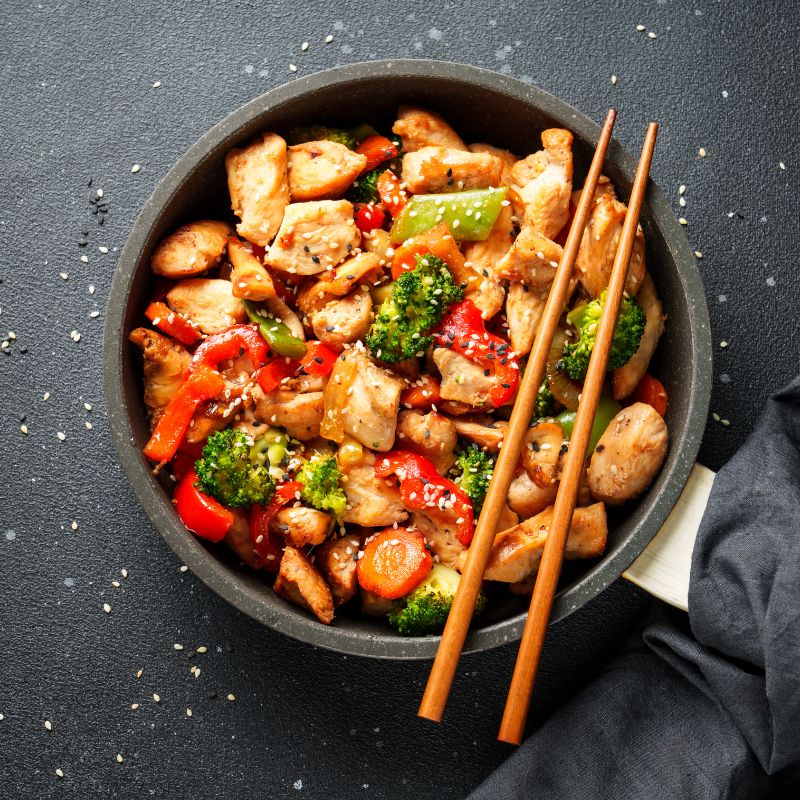
19. Seitan
Made from wheat protein, seitan has a chewy texture and a protein level comparable to some meats. It is unsuitable for anyone with celiac disease or a gluten-related disorder.
- Protein: Around 18 grams per 3.5-ounce serving
- Put it to work: Add it to fajitas, sandwiches, stir-fries, or vegetable bowls.
How to Build a Meal That Actually Keeps You Full
Start with one protein from the list.
Add vegetables or fruit, then include a fiber-rich carbohydrate such as beans, oats, potatoes, or whole grains.
Finish with avocado, seeds, nuts, or olive oil.
This combination is usually more satisfying than protein alone—and leaves room for foods you enjoy.
Final Thoughts on High-Protein Filling Foods
You don’t need to redesign your diet overnight. Begin with the meal that leaves you hungriest fastest, and add one of these High-Protein Filling Foods along with fiber-rich produce or whole grains. Small changes like these can make your everyday meals more complete, satisfying, and enjoyable.
Which option would be easiest for you to add this week?

Hi I’m Ana. I’m all about trying to live the best life you can. This blog is all about working to become physically healthy, mentally healthy and financially free! There lots of DIY tips, personal finance tips and just general tips on how to live the best life.
Leave a Reply