
If you’ve ever walked into a gym, you’ve probably seen someone shaking a bottle of white powder or mixing a pre-workout drink. And maybe you’ve wondered if creatine could help you build more muscle, recover faster, or finally break through a stubborn strength plateau. Before trying it, it’s essential to understand the potential Creatine Side Effects that can occur when using it around your workouts.

I asked myself those same questions a few years ago, standing in the supplement aisle staring at a row of bold containers promising power and performance. Creatine is one of the most studied and widely used supplements in fitness, and millions of people swear by its benefits, but it isn’t a magic powder.
It changes how your body handles energy and water, and sometimes those changes come with unexpected effects. So if you’re thinking about adding creatine to your routine, whether before training, during, or after your workout, it’s smart to know how your body may respond.
So let’s break down nine possible side effects of using creatine, backed by science, and how to manage them safely and confidently.
How Creatine Works Around Training
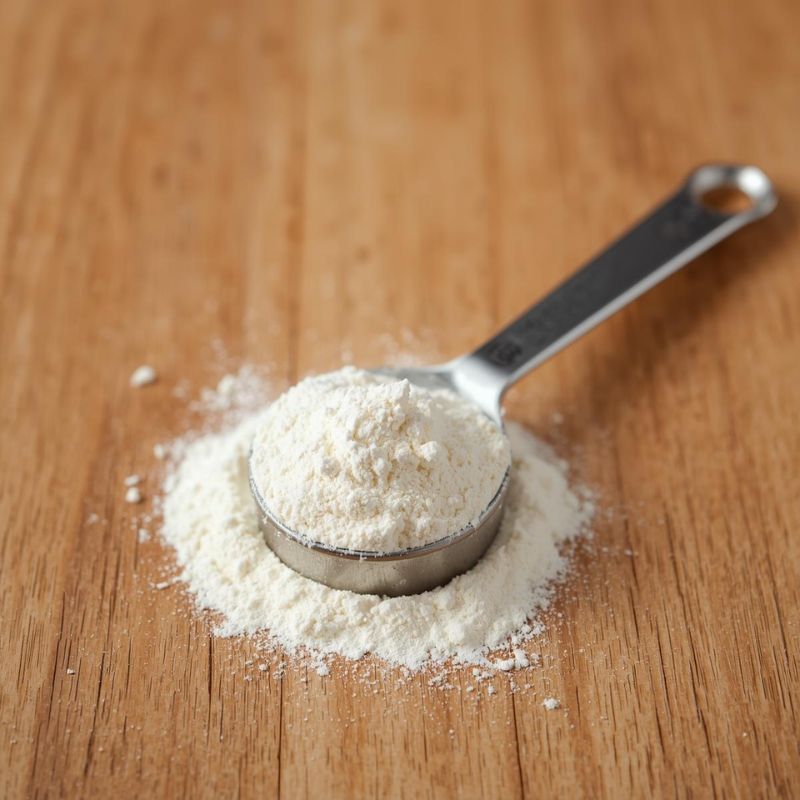
Creatine helps produce ATP, the fuel your muscles use during short bursts of strength, speed, and high-intensity exercise. Taking creatine increases stored phosphocreatine levels, giving you more available energy to push harder, especially in weightlifting, sprinting, CrossFit, HIIT, and explosive sports.
Timing matters:
Pre-workout
- Faster absorption
- Sometimes causes digestive discomfort
During training
- May increase water demand
- Can require higher electrolyte intake
Post-workout
- Often easiest on digestion
- Typically best tolerated
Most research shows that creatine monohydrate is the safest and most effective form when appropriately used, at 3–5 g per day, without needing an aggressive loading phase.
If you’re still deciding which type of creatine is right for your training routine, this guide breaks down the most effective options based on science: Types of Creatine and Their Use Explained.
The 9 Possible Side-Effects of Using Creatine(and what to do about them)
1. Water Retention & Sudden Weight Gain
Creatine pulls water into muscle cells, which may cause the scale to increase by 1–3 kg (2–4 lbs) during the first weeks of use.
This weight gain is water weight, not fat, and is a regular part of muscle hydration that helps strength and growth.
More likely when:
- Using high loading doses (20g/day)
- Taking before training without enough daily hydration
How to manage it:
- Skip the loading phase, just take 3–5 g daily
- Track body composition instead of weight only
- Increase hydration to reduce water imbalance
2. Bloating, Gas & Digestive Discomfort

Research reports that bloating and stomach cramps are among the most common early effects, especially when taken on an empty stomach or in large doses.
More likely when:
- Using creatine pre-workout without food
- Taking more than 5g at once
- Using low-quality or gritty powders
How to reduce discomfort:
- Take care of yourself after your workout with food
- Split doses: 2–3 g morning / 2–3 g post-workout
- Choose micronized creatine for smoother digestion
3. Dehydration & Muscle Cramps

Because creatine shifts water into muscle tissue, dehydration can occur more quickly, especially during hot weather, endurance training, or heavy sweating.
Higher risk if:
- You train outdoors or do long cardio
- Your electrolytes drop
- You mix creatine with stimulants
What to do:
- Drink 2.5–3 liters per day, more in heat
- Add electrolyte salts during cardio
- Avoid high creatine doses before intense heat training
Hydration plays a major role in preventing dehydration while supplementing. If you need help improving hydration habits, read: The Importance of Staying Hydrated.
4. Nausea or Dizziness During Workouts
This can happen when digestion competes with exercise performance or when combining creatine with caffeine-heavy pre-workouts.
- Tip: Try creatine post-workout alone for 1–2 weeks to test tolerance.
5. Kidney Stress or Elevated Creatinine Levels
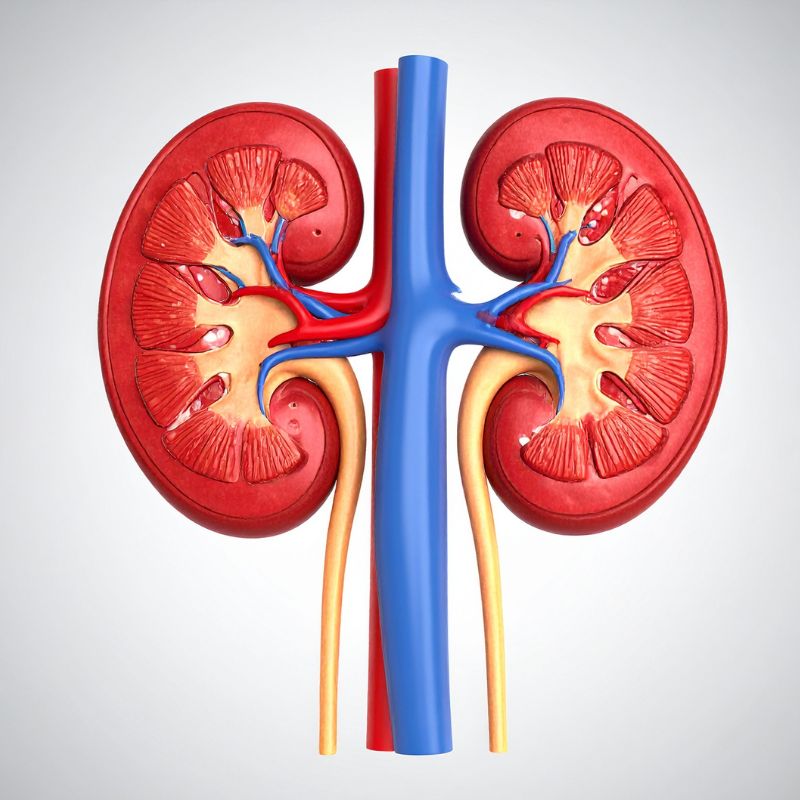
Creatinine levels can appear high on blood tests, not because creatine is damaging the kidneys, but because your body is breaking down creatine normally.
Research confirm that standard doses are safe for healthy adults, but caution is advised for those with kidney disease.
Avoid creatine if you: Have kidney disease, diabetes complications, or hypertension, or nephrotoxic medications
If you want to support kidney function naturally while training, here’s a list of science-backed foods that can help: Foods to Support Kidney Health.
6. Liver Enzyme Elevation (Rare)
Some case reports show mild increases in liver enzymes in people taking high doses of creatine or combining multiple supplements. It’s uncommon, but worth monitoring if you have liver-related conditions.
More likely when:
- Using high doses or stacking multiple supplements
- Drinking alcohol frequently
How to manage it:
- Stick to 3–5 g daily
- Monitor liver health if you’re at high risk
7. Headaches or “Pressure” Sensation
Creatine shifts water into muscle cells, which can temporarily affect hydration balance and lead to headaches.
More likely when:
- Hydration is low, or electrolytes are unbalanced
Not sure if you’re drinking enough water? These warning signs may help you understand your hydration status: Signs You’re Not Drinking Enough Water.
How to manage it:
- Increase daily water and electrolytes
- Reduce the dose until symptoms improve
8. Acne or Skin Flare-Ups
Evidence is primarily anecdotal, but some users report breakouts possibly related to sweating, hormonal responses, or increased training load.
More likely when:
- You’re sweating more or training more intensely
How to reduce discomfort:
- Stay hydrated and shower after workouts
- Keep the dose steady and monitor changes
9. Hair Thinning Concerns (DHT Link)

A small study found increased DHT levels with creatine use, which may concern those genetically prone to hair thinning, though research is limited.
More likely when:
- You have a family history of hair loss
How to manage it:
- Use a steady low dose and monitor changes
If you’re concerned about hair strength or thickness, these nutrient-rich foods can help support healthier hair growth: Foods to Nurture Hair.
Precautions, Safety Guidelines & Smart-Use Recommendations
Before You Start Creatine
- Talk to your doctor if you have kidney or liver disease
- Avoid use if pregnant or breastfeeding
- Start slowly with 3 g per day
- Increase hydration before starting supplementation
How to Use Creatine Safely
- Type: Creatine monohydrate, micronized, third-party tested (NSF or Informed Choice)
- Dose: 3–5 g per day
- Timing: Best tolerated post-workout
- Hydration: Aim for 2.5–3 L per day
- Avoid mixing with: High-caffeine pre-workouts at first
- Food pairing: Take with carbohydrates or protein for improved absorption
Stop Using Creatine and Seek Medical Advice If You Experience:
- Severe stomach pain
- Dark urine or swelling
- Extreme dehydration or cramps
- Unusual fatigue or headache spikes
Who Should Avoid Creatine
- Kidney or liver disorder patients
- Uncontrolled high blood pressure
- Anyone with a history of severe dehydration issues
Who Benefits Most From Creatine?
Creatine is beneficial for:
- Strength & hypertrophy athletes
- Sprinters & explosive sports
- Adults over 40 preserving muscle mass
- Vegetarians & vegans (naturally lower levels)
Final Thoughts on Managing Creatine Side Effects Safely
Creatine can be a fantastic tool when used wisely, but like any tool, it works best when you understand how to use it safely. Most side effects are completely manageable, especially when dosage, hydration, timing, and supplement quality are respected.
So if you’ve been thinking about adding creatine to your training routine, do so with awareness, listen to your body, and give yourself time to adapt. Your goals deserve a strategy that supports your performance, not one that surprises your body with avoidable issues.
Have you ever noticed any unexpected changes, positive or negative, when using creatine around your workouts?

Hi I’m Ana. I’m all about trying to live the best life you can. This blog is all about working to become physically healthy, mentally healthy and financially free! There lots of DIY tips, personal finance tips and just general tips on how to live the best life.
Leave a Reply