
When I was pregnant with my first child, the last thing I expected was to be kept awake night after night by relentless heartburn. It started slowly at first, a little discomfort after dinner, but by the third trimester, it felt like I had a fire pit in my chest every time I laid down. I had never struggled with heartburn before, and I was completely caught off guard. Sound familiar? With eagerness to control my symptoms, I started learning about natural remedies to manage acid reflux during pregnancy.

Heartburn is one of those pregnancy symptoms that no one warns you about—yet it’s incredibly common. In fact, studies show that nearly 50% of pregnant women experience heartburn, especially in the third trimester.
The growing baby, shifting hormones, and changes in your digestive system all play a role. Luckily, there are several natural remedies that can help relieve the discomfort, allowing you to enjoy this special time without the burn.
Understanding the Causes of Heartburn in Pregnancy
Hormonal Shifts
During pregnancy, your body produces higher levels of progesterone, a hormone that relaxes smooth muscles, including the lower esophageal sphincter (LES). This relaxation allows stomach acid to move up into the esophagus, causing that burning sensation we know as heartburn.
Physical Changes
As your baby grows, your expanding uterus presses on your stomach, increasing the likelihood that acid will be pushed upward into your esophagus.
Food Triggers
Certain foods and habits can exacerbate heartburn, especially during pregnancy. Spicy foods, caffeine, chocolate, and fatty meals are common culprits. Even lying down after eating can make the problem worse.
Safe and Natural Remedies to Alleviate Heartburn
When heartburn strikes, here are some tried-and-true natural remedies that can help provide relief without resorting to medications:
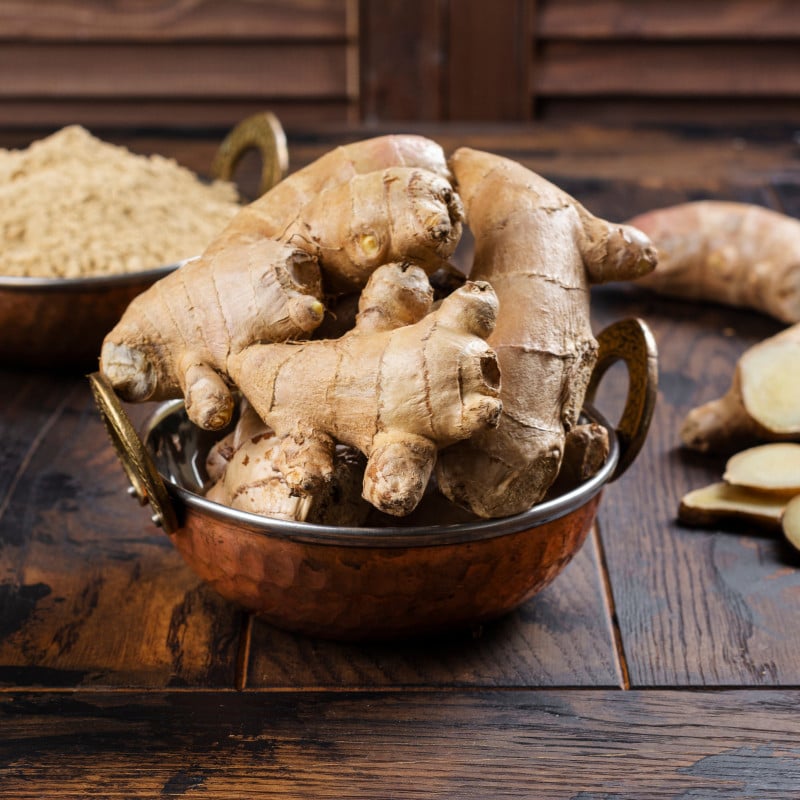
1. Ginger
Ginger has been used for centuries to treat digestive issues, and its anti-inflammatory properties can soothe the digestive tract. Ginger tea or ginger chews are both safe and effective during pregnancy. One small study even found that 28% of pregnant women experienced relief from nausea and digestive discomfort after consuming ginger.
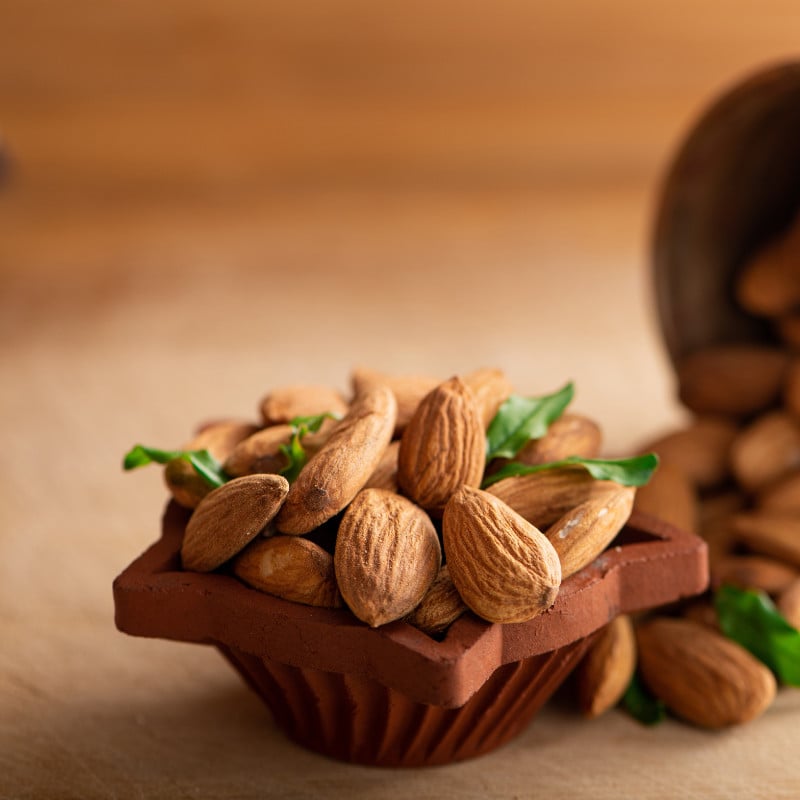
2. Almonds
Chewing a small handful of raw almonds can neutralize stomach acid and offer quick relief from heartburn. The high oil content in almonds helps soothe the lining of the esophagus.
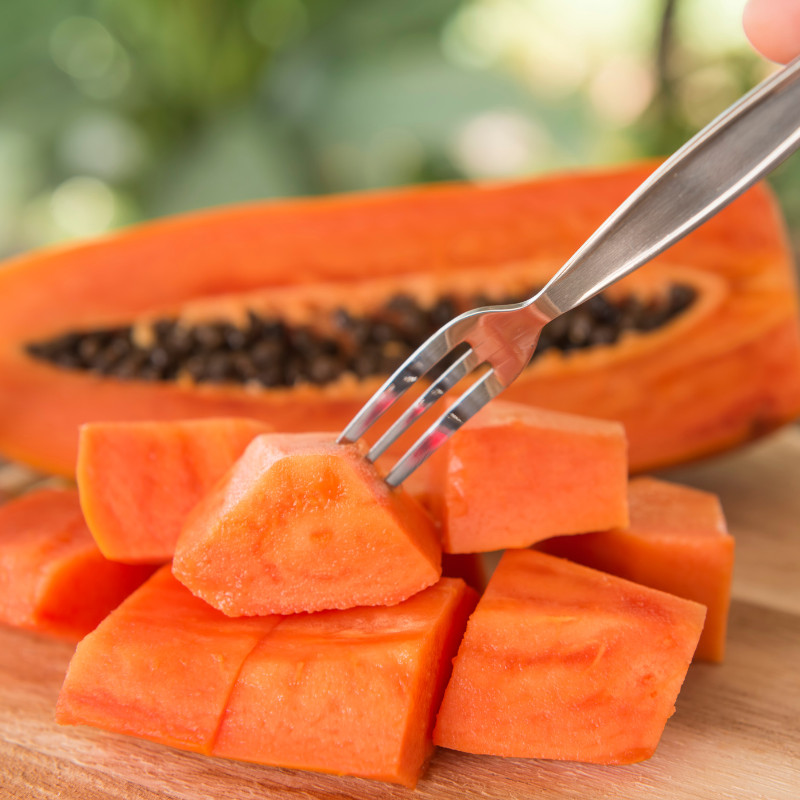
3. Papaya
Fresh papaya contains papain, an enzyme that aids digestion and helps prevent acid reflux. Some women find that eating a small piece of papaya after meals can help reduce heartburn.
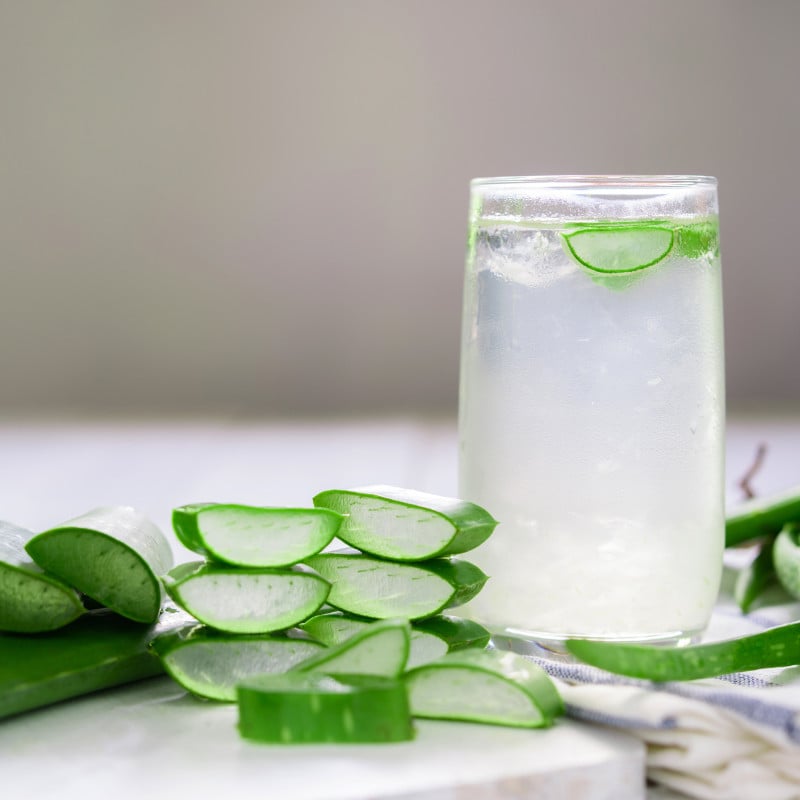
4. Aloe Vera Juice
Aloe vera juice is known for its soothing properties and can help reduce inflammation in the digestive tract. Make sure to choose a brand that’s safe for pregnancy and consume in moderation to avoid laxative effects.
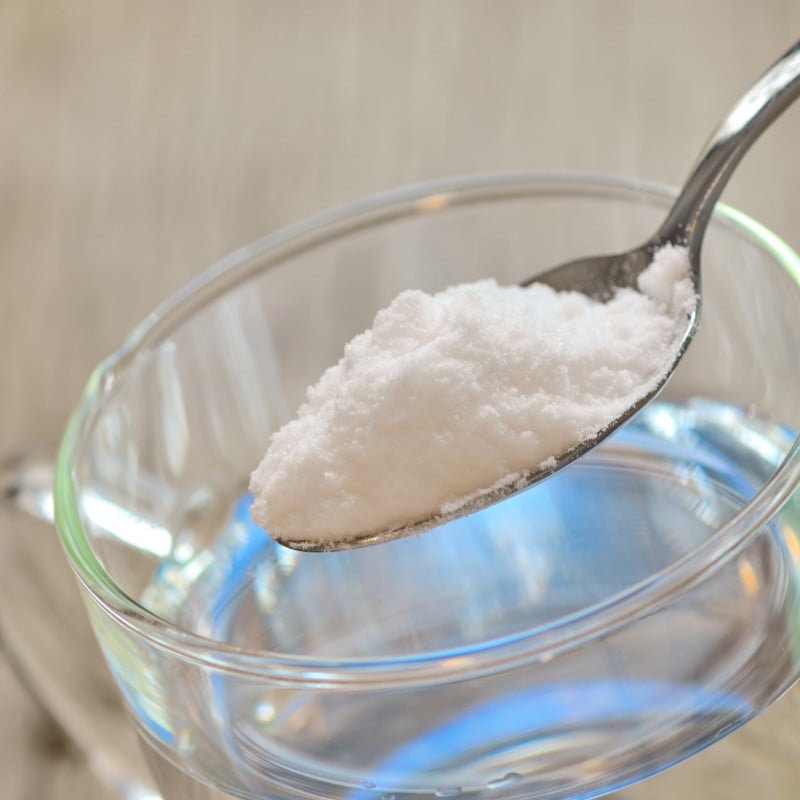
5. Baking Soda Solution
Mixing half a teaspoon of baking soda into a glass of water can act as a natural antacid, neutralizing stomach acid. However, use this remedy sparingly, as baking soda contains sodium, which can increase water retention.
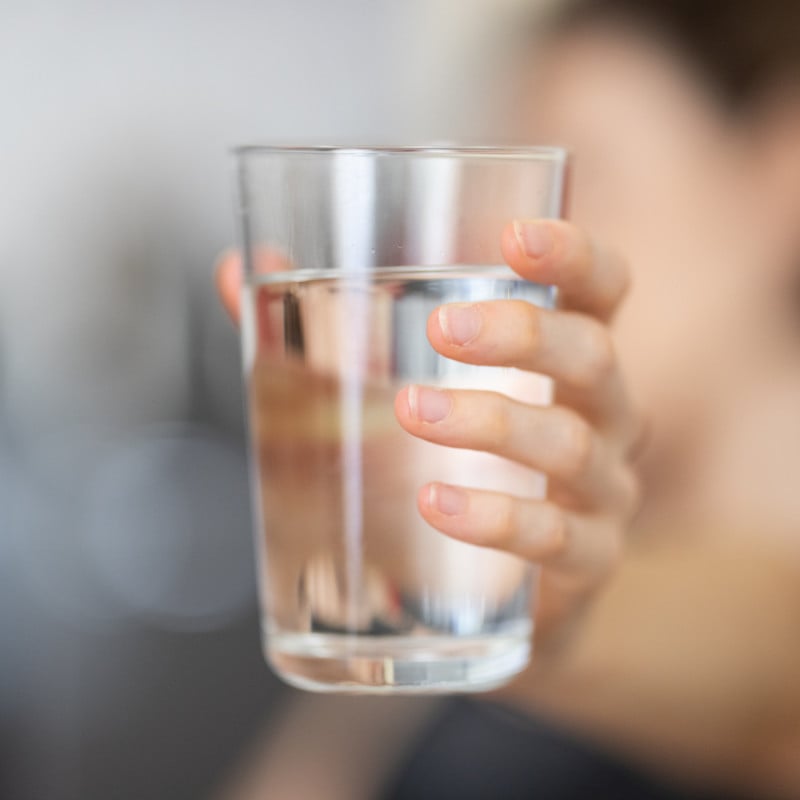
6. Sip Water
While staying hydrated is essential, drinking large amounts of water with meals can increase stomach volume and lead to acid reflux. Instead, sip water between meals to keep acid levels in check.
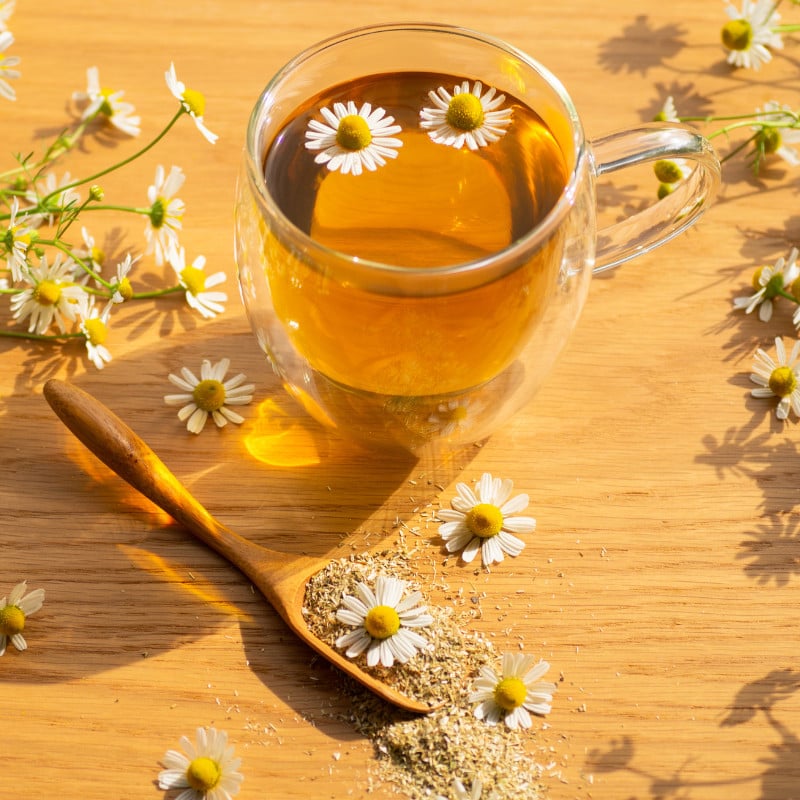
7. Herbal Teas
Some herbal teas, such as chamomile or fennel, can soothe the digestive system and reduce heartburn. However, be cautious with peppermint tea, as it can relax the LES and worsen acid reflux.
Million Dollar Mamas also liked: Home Remedies for Acid Reflux Relief
Dietary Adjustments to Prevent Heartburn
Habits play a big role on how we manage our problems and the day to day challenges life throws our way. For this reason, adjustments in your diet are necessary to prevent heartburn to appear in the first place. Here are some recommendations:
1. Eating Smaller, More Frequent Meals: Instead of eating three large meals, try having five or six smaller ones throughout the day. This helps reduce pressure on your stomach and minimizes the chance of acid reflux.
2. Identifying and Avoiding Trigger Foods: Keep a food journal to track which foods tend to cause heartburn. Citrus fruits, tomatoes, fried foods, and caffeinated drinks are common triggers. Opt for milder alternatives like bananas, oatmeal, and lean proteins.
3. Chewing Food Thoroughly: It may sound simple, but chewing your food slowly and thoroughly aids digestion and reduces the risk of heartburn. Slower eating allows your body time to signal fullness, helping you avoid overeating, which can exacerbate heartburn.
Lifestyle Changes to Manage Heartburn
In addition to dietary changes, making a few lifestyle adjustments can significantly reduce the frequency and severity of heartburn during pregnancy.
a. Sleeping Position: The role of gravity cannot be overstated when it comes to preventing acid reflux. Try sleeping with your upper body elevated using pillows or a wedge. Sleeping on your left side can also help, as this position reduces pressure on your stomach and helps keep acid down.
b. Wearing Loose Clothing: Tight clothing, especially around the waist and abdomen, can increase pressure on your stomach and worsen heartburn. Opt for loose, comfortable clothing to reduce discomfort.
c. Timing of Meals: Avoid lying down immediately after meals. Wait at least 2-3 hours before going to bed to give your body time to digest the food.

Prevention Tactics
Preventing heartburn is always better than treating it. Here are a few strategies to keep heartburn at bay:
a. Posture and Movement: Maintaining an upright posture after meals helps keep stomach acid where it belongs. If you can, go for a light walk after eating to aid digestion.
b. Mindful Eating: Slow down and pay attention to how much and how quickly you’re eating. Eating slowly and avoiding overeating can significantly reduce the chances of heartburn.
c. Stress Management: Pregnancy can be stressful, and stress can make heartburn worse. Incorporate pregnancy-safe stress relief techniques like deep breathing, prenatal yoga, or meditation into your daily routine.
When to Seek Medical Attention
While heartburn is common during pregnancy, severe or persistent symptoms may indicate a more serious condition like gastroesophageal reflux disease (GERD).
If your heartburn is accompanied by chest pain, difficulty swallowing, or weight loss, it’s time to consult your healthcare provider.
In some cases, your doctor may recommend antacids or medications that are safe for use during pregnancy. Always consult your healthcare provider before taking any medication.
In Conclusion…
Pregnancy can be a beautiful, yet challenging time, and dealing with heartburn doesn’t make it any easier.
Fortunately, with some simple dietary adjustments and natural remedies, you can find relief and focus on enjoying this special journey.
Have you found a natural remedy that works wonders for your pregnancy heartburn?
Let me know in the comments—I’d love to hear your tips!

Hi I’m Ana. I’m all about trying to live the best life you can. This blog is all about working to become physically healthy, mentally healthy and financially free! There lots of DIY tips, personal finance tips and just general tips on how to live the best life.
Leave a Reply