
The Debt Snowball Method is a simple way to pay off debt by focusing on the smallest balances first. This strategy helps you build momentum and stay motivated as you eliminate debts one by one. Here’s how it works:
- Step 1: List all your debts in order of smallest to largest balance (ignore interest rates for now).
- Step 2: Pay the minimum on all debts except the smallest one.
- Step 3: Throw any extra money at the smallest debt until it’s paid off.
- Step 4: Once a debt is cleared, roll that payment into the next smallest debt.
- Step 5: Repeat until all debts are paid off.
Why use this method?
- Quick Wins: Paying off small debts fast boosts confidence.
- Easy to Follow: Focus on one debt at a time.
- Psychological Motivation: Keeps you consistent and motivated.
While it may cost more in interest compared to other methods like the Debt Avalanche, the emotional payoff often makes it easier to stick with. Ready to tackle your debt? Let’s break it down step by step.
How to Use the Debt Snowball Method
1. Organize Your Debts
Start by listing all your debts in a spreadsheet or using a debt snowball worksheet. Include key details like the creditor’s name, total balance, minimum monthly payment, and interest rate. Once you’ve done that, arrange them by balance size, starting with the smallest. Ignore interest rates for now – this method focuses on momentum.
For instance, your list might look something like this:
| Debt Type | Balance | Minimum Payment | Interest Rate |
|---|---|---|---|
| Store Card | $450 | $25 | 21.99% |
| Medical Bill | $1,200 | $75 | 0% |
| Car Loan | $5,000 | $150 | 6.5% |
| Credit Card | $8,500 | $200 | 18.99% |
2. Build a Budget
Take a close look at your income and expenses to figure out how much extra money you can put toward debt. Use tools like NerdWallet‘s debt snowball calculator or similar apps to track your spending. Look for areas to cut back – think subscription services, dining out, or entertainment. Once you’ve trimmed unnecessary costs, make sure you’re covering all your minimum payments.
3. Cover Minimum Payments
Set up automatic payments for the minimum amount due on all your debts except the smallest one. This ensures you avoid late fees and keep your credit score intact while focusing on your snowball plan. Many banks offer free automatic payment options, making this step easier to manage.
4. Focus on the Smallest Debt
Throw all your extra funds at the smallest debt while continuing to pay the minimums on the rest. Not sure where to find extra cash? Consider cutting back on discretionary spending, picking up a side hustle, or using bonuses or tax refunds. Once the smallest debt is paid off, you’ll feel the momentum kick in.
5. Tackle the Next Debt
With the smallest debt cleared, take the amount you were paying on it and add it to the minimum payment for your next smallest debt. This "snowball" effect increases your repayment power with each step, helping you knock out debts faster as you go.
Pros and Cons of the Debt Snowball Method
The debt snowball method focuses on paying off smaller debts first, giving you quick wins and helping build emotional momentum. While this approach can boost motivation, it may lead to higher overall interest costs compared to tackling high-interest debts first. Research suggests that this method often works better for many people because of its psychological benefits.
Pros and Cons Table
| Advantages | Disadvantages |
|---|---|
| Boosts motivation with quick wins | Can lead to higher interest costs over time |
| Easy to understand and follow | Doesn’t prioritize high-interest debts, which can be less cost-effective |
| Creates a sense of progress | Larger debts may grow while focusing on smaller ones |
| Encourages consistent payment habits | Debt-free timeline may be extended |
| Reduces the number of debts quickly | Larger debts could face interest rate hikes |
For instance, imagine someone facing $27,000 in credit card debt. Paying off a small balance first might give them a sense of accomplishment, but they could run into trouble if interest rates on their larger balances increase during the process.
"Getting out of debt is 80% emotional and 20% head knowledge", says Dave Ramsey [1].
To make the most of the debt snowball method and minimize its downsides, keep these tips in mind:
- Regularly check your credit card statements for changes in interest rates.
- Calculate how much extra interest you might pay before committing to this method.
- Explore options like 0% APR balance transfers to handle high-interest debts.
- Stay disciplined and avoid taking on new debt during the process.
Although this method isn’t the most cost-effective way to tackle debt, its emotional advantages often make it a practical option for those overwhelmed by multiple balances. By focusing on smaller debts first, you might let high-interest debts grow, but the sense of progress can keep you motivated to stay on track. Balancing these factors can help you stick with the plan and avoid common mistakes during your repayment journey.
sbb-itb-28a57ab
Staying Motivated During Debt Repayment
Avoid New Debt
Set aside a small portion of your income – 5-10% – for an emergency fund. This helps you cover unexpected costs without turning to credit cards. To manage everyday spending, try using cash or an envelope system. These methods can help curb impulsive purchases and keep you on track.
Once you’ve made the decision to steer clear of new debt, keeping an eye on your progress becomes key to staying motivated.
Track Your Progress
Visualizing your progress can make a big difference. Use apps designed for tracking debt repayment to stay accountable and see how far you’ve come. These tools can help you maintain momentum, especially if you’re following the debt snowball method.
For a more hands-on approach, create a debt freedom chart. Color in sections as you pay off debts, and celebrate milestones with small, budget-friendly rewards. These little victories can keep your spirits high as you work toward your goal.
Increase Your Income
Earning extra money can speed up your debt repayment. Here are a few ways to bring in additional income:
| Income Source | Potential Monthly Earnings |
|---|---|
| Freelance Writing | $500-$1,000 |
| Food Delivery Services | $400-$800 |
| Online Tutoring | $300-$600 |
| Selling Unused Items | $200-$400 |
Focus on opportunities that fit your skills and schedule. You might also consider asking for a raise at your current job or taking on overtime if available. Whatever extra income you earn, make sure to put it directly toward your debt rather than spending it on non-essentials.
Staying motivated during debt repayment is all about balance. While the debt snowball method gives you quick wins by tackling smaller debts first, pairing it with additional income and mindful spending creates a strong plan to reach your financial goals.
Conclusion: Achieving Financial Freedom
Key Points
The debt snowball method focuses on paying off smaller debts first, helping you gain momentum and stay motivated as you tackle larger balances. It breaks debt repayment into simple, actionable steps, making the process easier to follow.
A solid budget and regular tracking are crucial for success. Stick to your payment plan by covering minimum payments on all debts and directing any extra money toward the smallest balance. This method keeps you on track, avoiding issues like missed payments or taking on new debt.
You can also explore tools and resources that simplify debt repayment and keep you organized.
Additional Resources
Here are some tools to help you stay on top of your financial goals:
| Resource Type | Purpose |
|---|---|
| Debt Snowball Worksheets | Keep track of payments and progress |
| Budget Planning Apps | Manage your spending and savings |
| Financial Education Blogs | Discover strategies for money management |
For more tips and insights, check out The Million Dollar Mama. They share practical advice on using the debt snowball method while maintaining a balanced lifestyle. Their resources go beyond debt repayment, helping you develop better financial habits overall.
Paying off debt is just one step. Building strong financial habits ensures long-term success and stability. By using the debt snowball method and the right tools, you’re not just clearing debt – you’re creating a path to lasting financial health.
FAQs
Here are answers to some common questions to help you use the debt snowball method more effectively:
How can I create a debt snowball spreadsheet in Google Sheets?
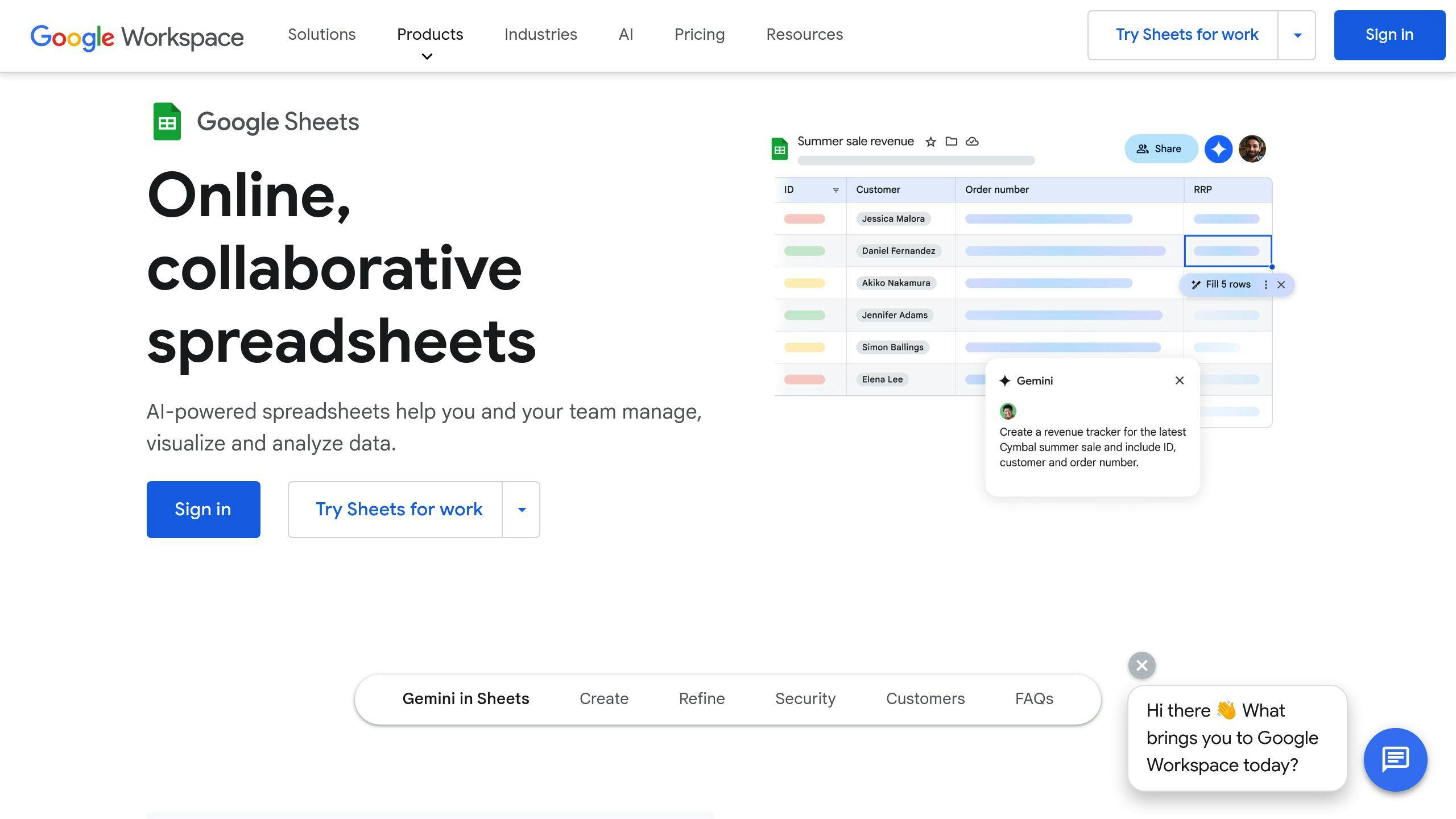
Start by setting up a spreadsheet with columns for each key detail: debt name, balance, minimum payment, extra payment, and remaining balance. Use formulas to automatically update balances as you make payments. You can also highlight debts you’ve paid off to stay motivated.
| Column Name | Purpose |
|---|---|
| Debt Name | List each debt (credit cards, loans, etc.) |
| Total Balance | Current amount owed |
| Minimum Payment | Required monthly payment |
| Extra Payment | Additional payment toward smallest debt |
| New Balance | Automatically calculated remaining balance |
This setup will help you track your progress and keep everything organized as you work toward paying off your debts.
How do I fill out a debt snowball worksheet?
Start by gathering all your debt details, including balances and minimum payments. List your debts in order from the smallest to largest balance. Update the worksheet monthly to reflect your progress. Tools like Excel or Google Sheets make it easy to keep this information current and accessible.
What are the steps in Dave Ramsey‘s snowball method?
Dave Ramsey outlines the debt snowball method with these steps:
- List your debts: Write down all your debts, ordering them from the smallest to the largest balance.
- Focus on the smallest debt: Pay the minimum on all debts except the smallest one, where you’ll apply any extra money.
- Roll payments forward: Once a debt is paid off, take that payment amount and apply it to the next smallest debt. This creates a "snowball" effect, increasing your repayment power as you go.
"Getting out of debt is 80% emotional and 20% head knowledge", says Dave Ramsey [1].
Related Blog Posts
- How to Build a $5000 Emergency Fund in 6 Months
- 2025 Family Budget Template: Step-by-Step Guide
- Debt Avalanche Method: How It Works
- 10 Holiday Budgeting Tips for Families

Hi I’m Ana. I’m all about trying to live the best life you can. This blog is all about working to become physically healthy, mentally healthy and financially free! There lots of DIY tips, personal finance tips and just general tips on how to live the best life.
Leave a Reply