
You’re standing in the grocery aisle, trying to make a healthier choice, but every label seems to offer another rule. If eating well feels like homework, could there be a gentler way? This Mediterranean Diet for Beginners guide makes your first steps clear and manageable, especially if your doctor has noted that this eating scheme is the best for your health conditions.
You won’t need a perfect meal plan, imported ingredients, or a new kitchen. You can begin with familiar foods at your own pace.
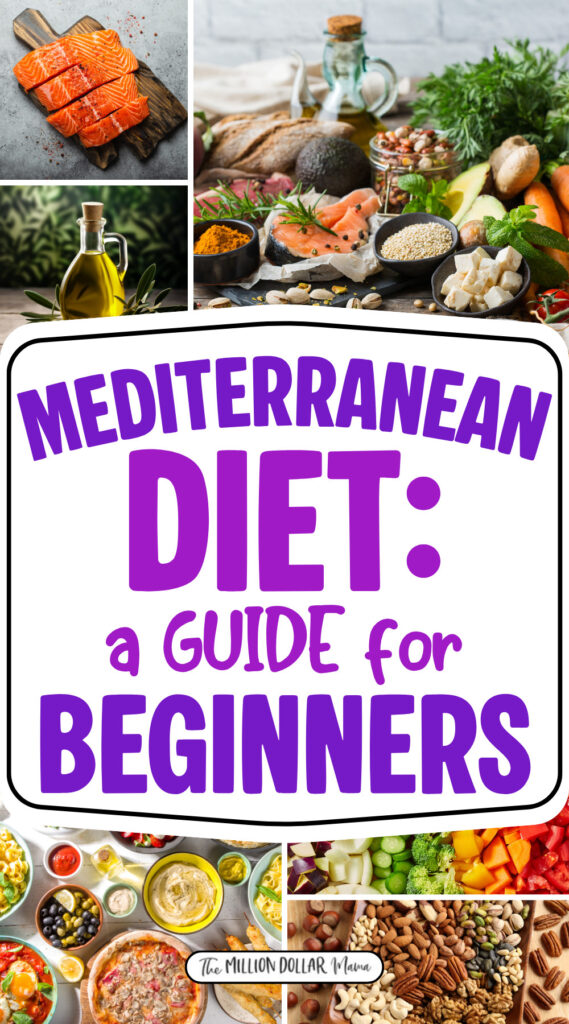
Below, we’ll unpack what the Mediterranean diet looks like, how it supports heart health, and why it’s often considered one of the healthiest diets in the world.
What Is the Mediterranean Diet?
The Mediterranean diet isn’t one rigid program. It’s a flexible pattern inspired by the traditional meals of countries bordering the Mediterranean Sea. Although their cuisines differ, they commonly emphasize plant foods, olive oil, and minimally processed ingredients.
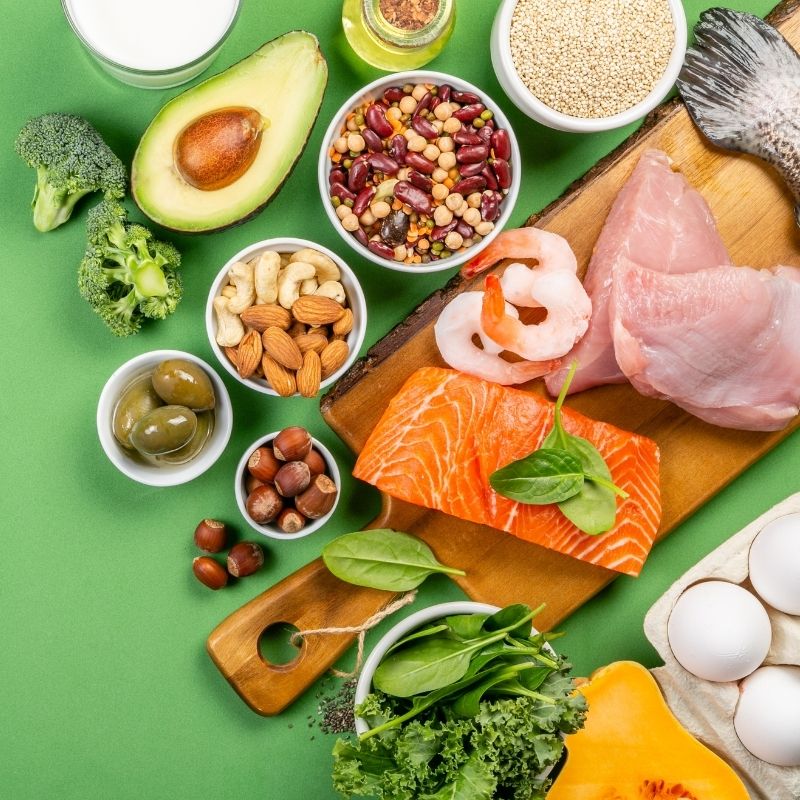
The Mediterranean diet is an eating pattern that includes:
- Plenty of vegetables, fruits, whole grains, beans, nuts, and seeds.
- Olive oil is the main source of fat.
- Low-to-moderate amounts of fish, poultry, eggs, and dairy.
- Like other diets that don’t involve counting calories, the Mediterranean diet doesn’t require food tracking or one “perfect” ingredient.
- No single food that determines whether you’re “doing it right.”
- Familiar and accessible foods, including local produce, everyday beans, and grains you already enjoy.
You’re simply changing the balance of your plate, not replacing your whole life.
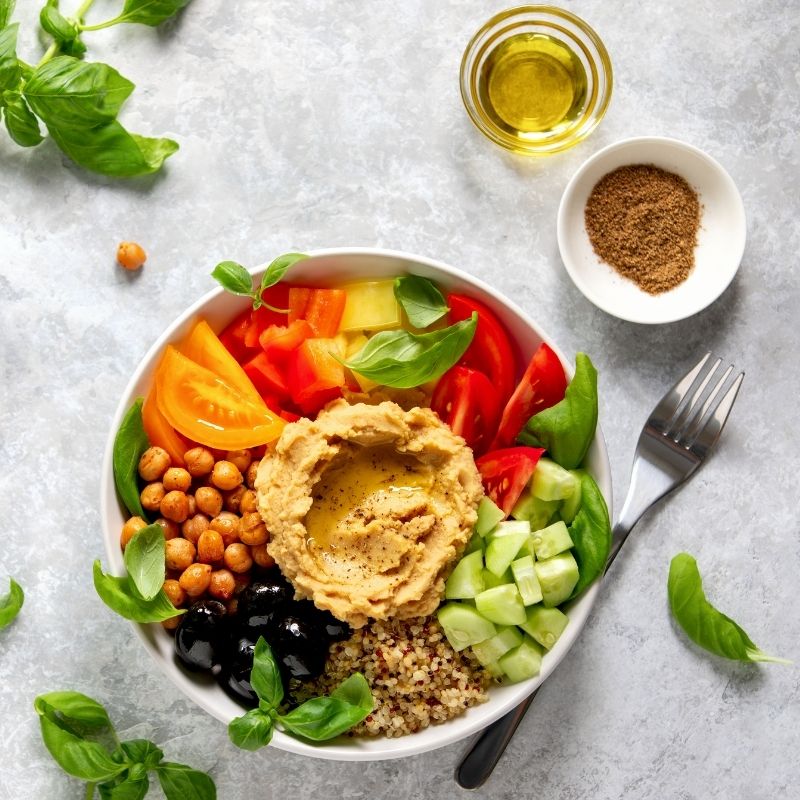
What Do You Eat on the Mediterranean Diet?
Think in terms of frequency: plant foods and olive oil form the foundation; fish, dairy, eggs, and poultry appear regularly or moderately; red meat, processed meat, sweets, and ultra-processed foods appear less often.
Foods to Prioritize:
- Vegetables and fruits: Add color throughout the day. Fresh, frozen, and unsweetened canned produce can all count.
- Extra-virgin olive oil: Use it in dressings or instead of butter when cooking. Think “swap,” not unlimited extra oil.
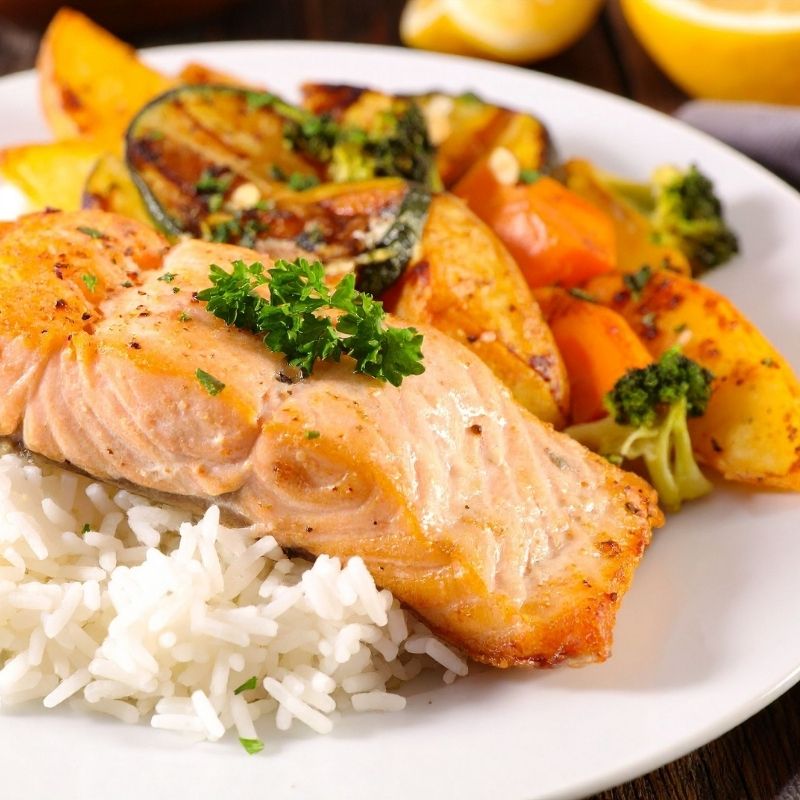
- Fish and seafood: Try salmon, sardines, trout, tuna, herring, or shrimp. Research recommends two servings per week, particularly of fatty fish. If you’re pregnant or breastfeeding, follow the Experts’ lower-mercury fish guidance.
- Beans, lentils, and chickpeas: Add these affordable sources of fiber and plant protein to soups, salads, or grain bowls.
- Nuts and seeds: Choose walnuts, chia, or flax for plant-based omega-3s, or enjoy almonds and pistachios for variety.
- Whole grains: Rotate oats, brown rice, barley, quinoa, whole-grain bread, and whole-wheat pasta.
- Herbs and spices, garlic, oregano, paprika, rosemary, and lemon, add flavor without relying heavily on salt.
- Moderate additions: Eggs, poultry, plain yogurt, and natural cheese can stay on the menu without becoming the center of every meal.
Foods to Limit, But Not to Fear:
Research recommends limiting added sugars, sugary drinks, sodium, refined carbohydrates, saturated fats, highly processed foods, and fatty or processed meats.
Examples include bacon, sausage, deli meats, soda, candy, packaged pastries, frequent fast-food meals, and large portions of red meat.
If added sugar is your biggest challenge, these tips can help you cut back on sugar for good.
“Limit” doesn’t mean “never.” A birthday dessert or occasional burger doesn’t erase your other choices. Your usual pattern includes more than one meal, so enjoy special foods without letting them become a reason to give up.
How the Mediterranean Diet Supports Heart Health
This diet’s strength comes from the foods working together.
In a trial of 7,447 older adults at high cardiovascular risk, Mediterranean diets supplemented with extra-virgin olive oil or nuts were associated with a 31% and 28% lower relative hazard of major cardiovascular events, respectively, compared with the control diet. Because participants were older and at high risk, this finding can’t predict an individual’s outcome.
It Can Support Healthier Cholesterol
Olive oil, nuts, seeds, and fish supply unsaturated fats. When these replace foods high in saturated fat, they can support healthier cholesterol levels.
- Unsaturated fats can help lower LDL, commonly known as “bad” cholesterol.
- Beans, vegetables, fruits, and whole grains add fiber; discover more foods that may help lower bad cholesterol.
- Olive oil works best as a replacement for butter or other saturated fats, not simply as an extra addition.
Research recommends replacing saturated and trans fats with unsaturated fats as part of a heart-healthy eating pattern.
It May Support a Healthier Inflammatory Response
Vegetables, fruits, legumes, whole grains, nuts, olive oil, and fish provide nutrients that may support the body’s normal inflammatory response.
- These foods supply: Fiber from beans, whole grains, fruits, and vegetables.
- Antioxidants and protective plant compounds from colorful produce.
- Unsaturated fats from olive oil, nuts, and seeds.
- Omega-3 fatty acids from salmon, sardines, trout, and other oily fish.
Other readers also read: 10 Ways to Reduce Inflammation Naturally.
It Can Contribute to Better Blood Pressure
The Mediterranean diet naturally replaces many salty packaged foods with produce, legumes, whole grains, and home-cooked meals. This combination may support blood pressure by:
- Reducing sodium from processed and packaged foods.
- Providing potassium-rich foods that can support balanced blood pressure, including beans, vegetables, and fruits.
- Encouraging the use of herbs, spices, garlic, and lemon instead of relying heavily on salt.
- Replacing fatty and processed meats with fish or plant proteins.
A review of 19 trials found modest reductions in blood pressure, but dietary changes should support rather than replace prescribed treatment.

How to Start the Mediterranean Diet for Beginners This Week
Starting the Mediterranean diet doesn’t require replacing every food in your kitchen. For your first week, focus on a few additions and substitutions that you can realistically repeat.
1. Make Olive Oil Your Main Cooking Fat
Begin by replacing butter or other solid fats with extra-virgin olive oil in one or two familiar recipes. You can use it to roast vegetables, sauté beans, prepare eggs, dress a salad, or add flavor to whole-grain pasta.
The goal is to use olive oil as a replacement, not to pour it over every meal without considering the amount. Start with the dishes you already prepare instead of searching for complicated Mediterranean recipes.
2. Build One Balanced Mediterranean-Style Plate
Choose one meal each day and give it a Mediterranean balance. A simple plate could include:
- About half of the vegetables, such as tomatoes, spinach, broccoli, peppers, or carrots.
- One portion of whole grains, potatoes, or another minimally processed carbohydrate.
- One serving of beans, lentils, fish, or skinless poultry.
- A small amount of olive oil, nuts, seeds, or avocado for healthy fat.
This isn’t a strict portion formula. It’s simply a visual guide to help plant foods take up more space on your plate.
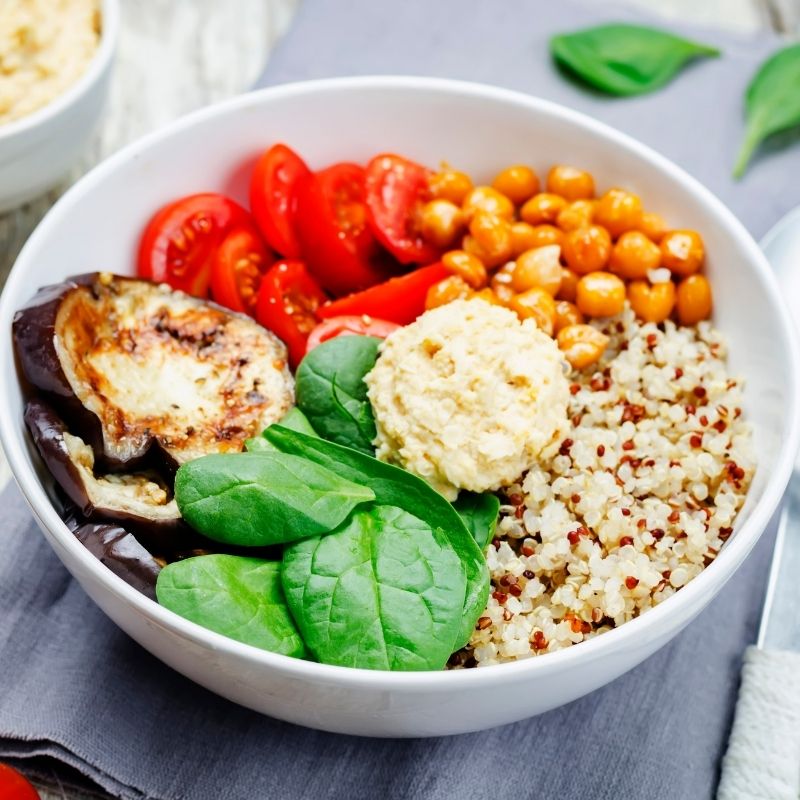
3. Plan Two Easy Protein Swaps
Choose two meals this week in which you’ll replace red or processed meat with fish or legumes.
For example:
- Prepare lentil soup instead of a meal centered on sausage.
- Add chickpeas to a salad instead of deli meat.
- Make baked salmon instead of fried chicken.
- Mix canned tuna and white beans for a quick lunch.
If you don’t eat fish, beans, lentils, chickpeas, and tofu, other high-protein, filling foods offer practical alternatives.
4. Upgrade One Breakfast and One Grain
Instead of changing every meal, choose one breakfast and one grain that will be easy to repeat.
You might prepare oatmeal with berries and walnuts for breakfast or replace white bread, rice, or pasta with a whole-grain version. Make the substitution gradually, especially if your family needs time to adjust to different flavors and textures.
Having one dependable breakfast can also reduce the pressure to plan something new every morning.
5. Create a Small Mediterranean Starter List
You don’t need a pantry filled with specialty ingredients.
Begin with:
- Extra-virgin olive oil.
- Two vegetables you already enjoy.
- Two easy fruits.Canned beans, lentils, or chickpeas.
- Oats, brown rice, or whole-grain bread.
- Unsalted nuts or seeds.
- One fish option, such as salmon, sardines, or canned light tuna.
- Plain yogurt.
- Garlic, herbs, and lemons.
Frozen vegetables, seasonal fruit, dried or canned beans, and canned fish can keep costs manageable. If you use canned foods, compare labels and choose lower-sodium options when possible.
- Keep It Flexible: The diet includes healthy carbs, doesn’t require wine, and adapts easily to familiar meals.
You may also be interested in: The Slow Carb Diet: Principles, Benefits, and Implementation.
Final Thoughts on the Mediterranean Diet for Beginners
The best Mediterranean Diet for Beginners plan is one you can follow without feeling restricted. Start with one simple change and build from there. If you have a medical condition, ask your healthcare provider about personalizing the diet.
So let me ask you, did you know about this diet before today? Has your doctor recommended this diet for your hart or blood sugar conditions?

Hi I’m Ana. I’m all about trying to live the best life you can. This blog is all about working to become physically healthy, mentally healthy and financially free! There lots of DIY tips, personal finance tips and just general tips on how to live the best life.
Leave a Reply