

One evening, after a rushed lunch and one too many snacks eaten over the kitchen sink, my stomach felt heavy and uncomfortable. I found myself wondering: could choosing more fermented foods for gut health make caring for digestion feel simpler, rather than turning it into one more complicated wellness project? I mean, after all, there’s a lot currently being discussed over the internet about fermented foods lately.
They have simple grown in popularity.
If you’ve felt the same way, you don’t need a shelf full of supplements or an overnight diet makeover. Some useful options may already be sitting beside the yogurt, pickles, and cheese at your grocery store.
The key is knowing what you’re buying. Here are 11 fermented foods to explore, along with easy serving ideas and versions that may not deliver what you expect.

For a broader approach, explore these 10 Ways to Heal Your Gut.
Fermented Food Isn’t Always the Same as Probiotic Food
Fermentation uses bacteria, yeasts, or other microorganisms to transform food. Probiotics, however, are live microorganisms that provide a demonstrated benefit when it comes to maintaining a healthy gut when consumed in adequate amounts.
Fermented foods may support gut health by adding beneficial live microorganisms to your digestive system. Some also provide fiber and fermentation compounds that help create a healthier environment for your gut microbiota. However, not every fermented food contains live cultures, so check labels for terms such as “live and active cultures.”
- Not every fermented food contains probiotics with proven benefits.
- Pasteurization, baking, and high heat can kill live cultures, while vinegar-pickled vegetables may never have been fermented.
Still, fermented foods deserve attention.
In a 17-week randomized study of 36 healthy adults, the 18 people assigned to a high-fermented-food diet gradually showed greater microbiota diversity and lower inflammatory markers. That’s promising, but it was a small study, not proof that one jar of kimchi can fix digestive symptoms.
Related read: Discover the connection between gut and mental health.
11 Fermented Foods for Gut Health to Add to Your Diet
1. Plain Yogurt

Yogurt is milk fermented with bacterial cultures. A plain variety with live cultures can add microorganisms to your diet without the sugar found in dessert-style cups.
- Choose “Live and active cultures” on the label.
- Serve it: Add berries, oats, or nuts from this list of high-fiber foods for a healthy gut.
- Skip: Cups loaded with syrups, candy, or added sugar.
If you have a milk allergy, choose a suitable dairy-free product. Lactose tolerance is individual.
2. Kefir
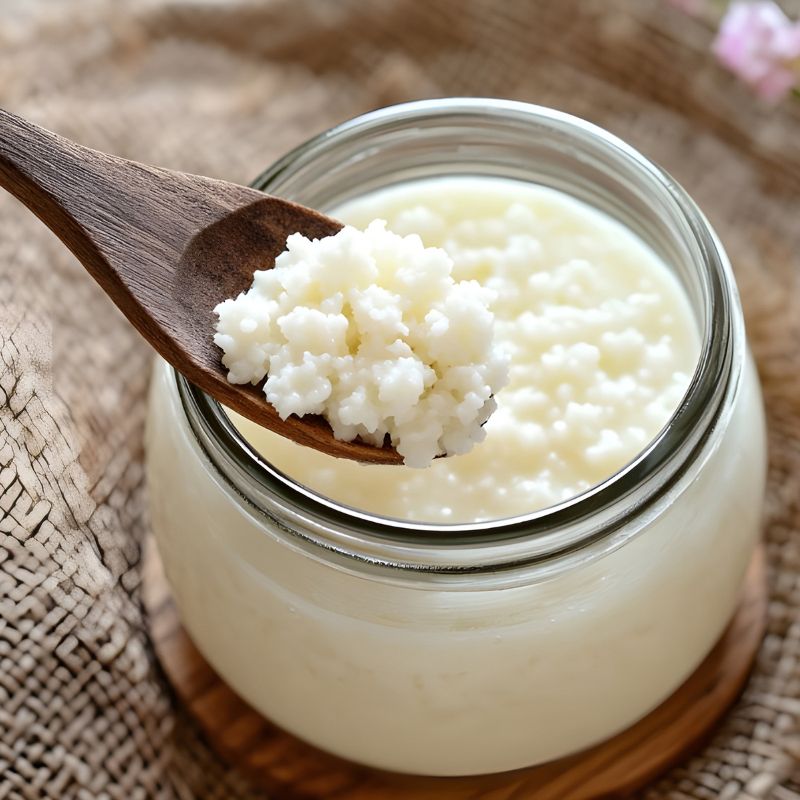
Kefir is a tart fermented milk drink made with bacteria and yeasts. In one small randomized crossover study, kefir improved lactose digestion and tolerance compared with milk in adults who poorly digested lactose, although it still isn’t automatically lactose-free.
- Try it: Drink a small glass or blend it into a smoothie.
- Check: Pick unsweetened kefir with active cultures.
- Leave behind: Heavily sweetened flavors.
If dairy doesn’t work for you, this guide to going dairy-free offers practical alternatives.
3. Kimchi
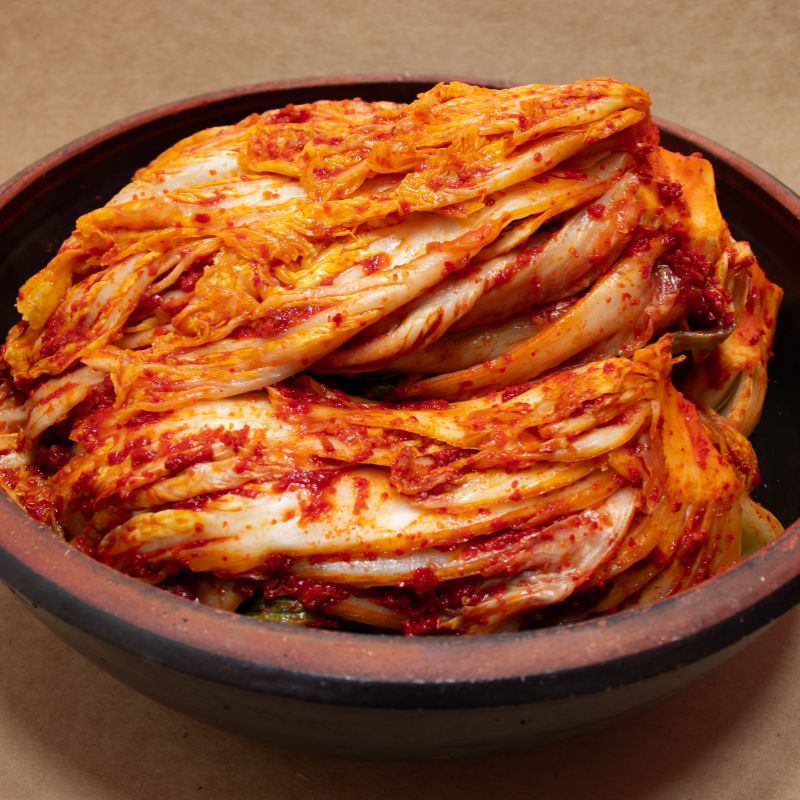
Kimchi usually combines fermented cabbage with garlic, ginger, chili, and salt. It offers a fermented food plus vegetable fiber, but human trials proving specific gastrointestinal benefits remain limited.
- Easy addition: Spoon it onto eggs, rice, or grain bowls.
- Shop smarter: Choose refrigerated, unpasteurized kimchi if you want live cultures.
- Possible drawback: Its spice may aggravate reflux, and its sodium may be unsuitable for some diets.
4. Sauerkraut
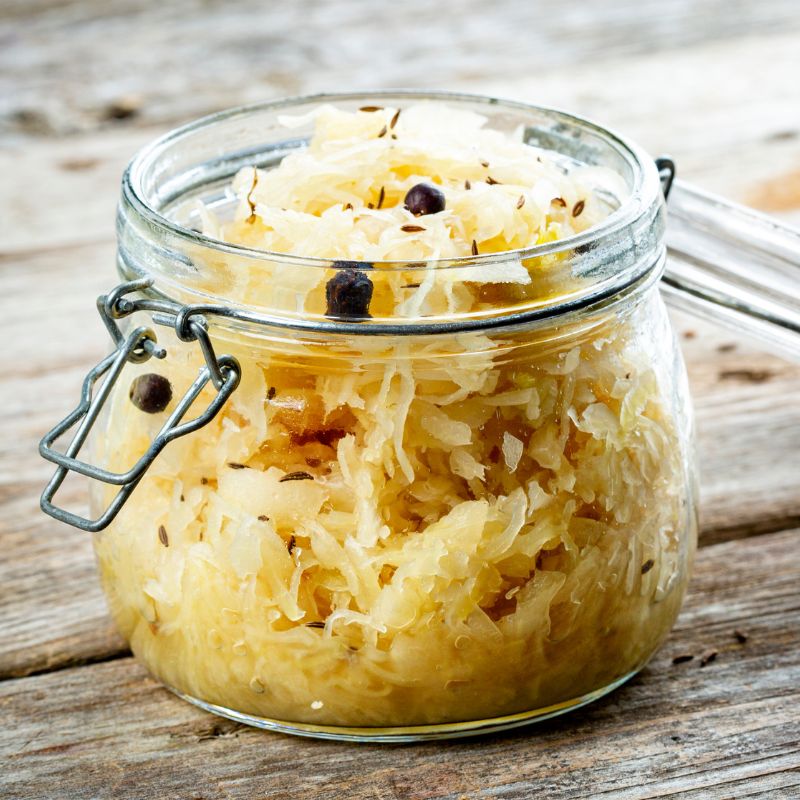
Traditional sauerkraut is cabbage fermented in salty brine. Raw, refrigerated versions may retain live microorganisms; shelf-stable products are often pasteurized.
- Look for: “Raw,” “unpasteurized,” or “naturally fermented.”
- Use it: Add one or two spoonfuls to sandwiches or salads.
- Watch: Portions if you’re limiting sodium.
5. Naturally Fermented Pickles
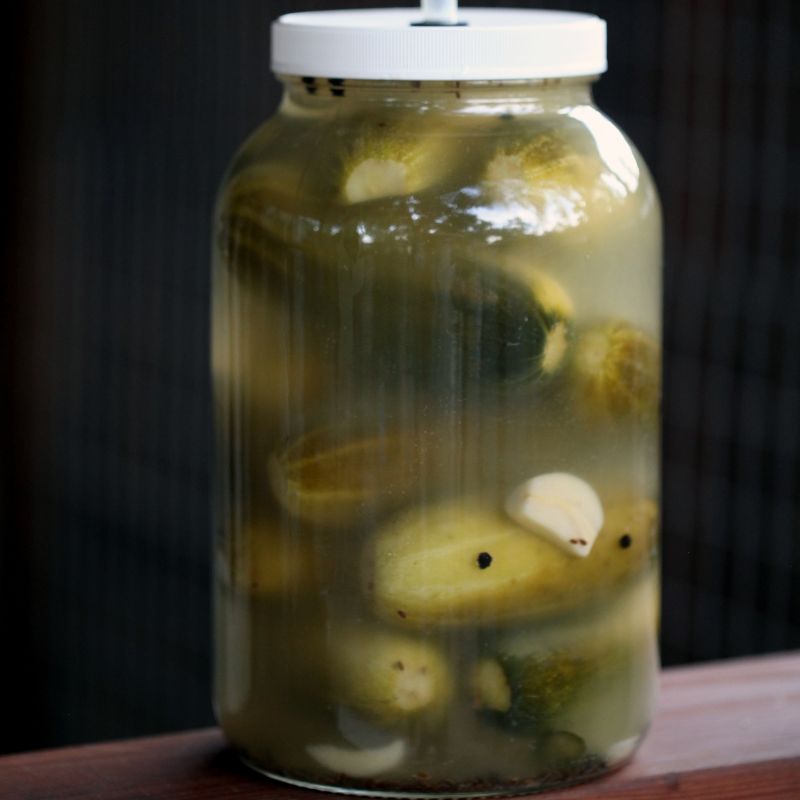
Most supermarket pickles are preserved with vinegar, not fermented. For living cultures, look for cucumbers fermented in water and salt, usually in the refrigerated section.
- Read: The ingredients and fermentation wording.
- Pair with: Wraps, tuna salad, or snack plates.
- Limit: Very salty varieties when sodium is a concern.
6. Tempeh
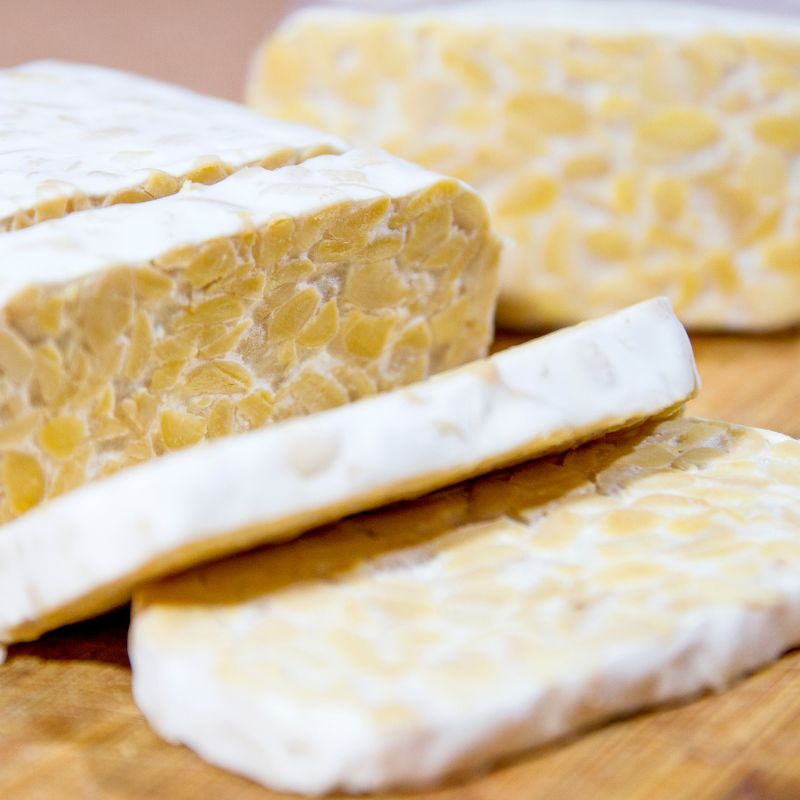
This firm Indonesian food is made from fermented soybeans. It supplies plant protein and fiber, and fermentation changes the soybean matrix. Because tempeh is normally cooked, though, it shouldn’t be presented as a guaranteed source of live probiotics.
- Cook it: Slice and sauté it for tacos or stir-fries.
- Choose carefully: Compare the sodium in flavored marinades.
7. Miso
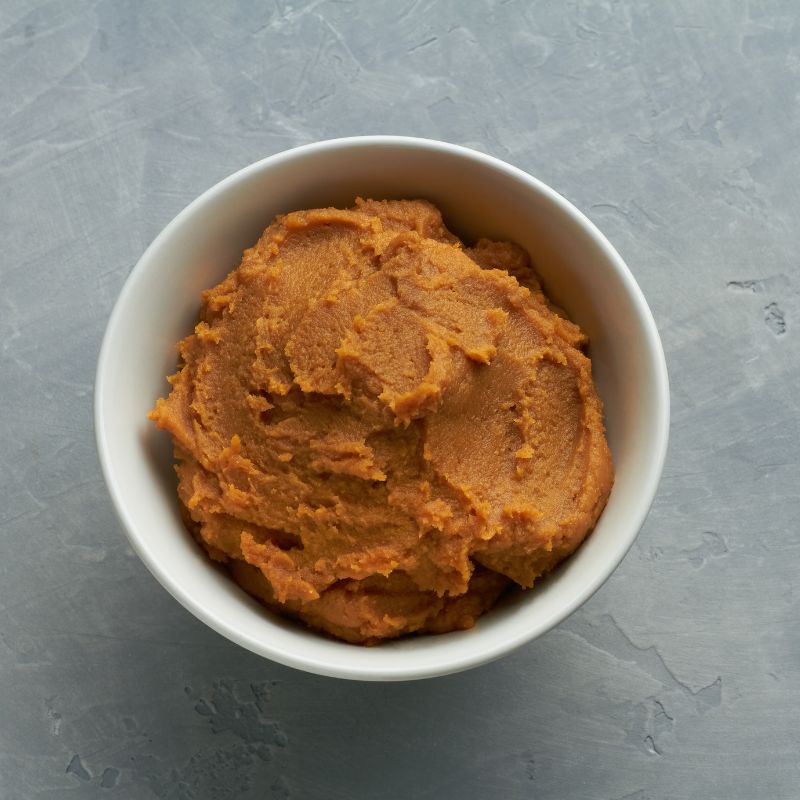
Miso is a deeply savory paste made by fermenting soybeans, sometimes with rice or barley, with koji. It adds flavor to soups, sauces, and dressings, but prolonged boiling can destroy live microorganisms.
- Preserve more cultures: Stir in unpasteurized miso after removing the pan from high heat.
- Remember: A little goes a long way because miso is salty.
8. Natto

Natto is fermented soy traditionally eaten in Japan. It contains Bacillus subtilis, protein, and vitamin K2, but its sticky texture and strong aroma can be surprising.
- Start gently: Try a spoonful over warm rice with scallions.
- Medication note: Vitamin K can affect warfarin. Keep your intake consistent, and ask your clinician before making natto a regular part of your diet.
9. Kombucha
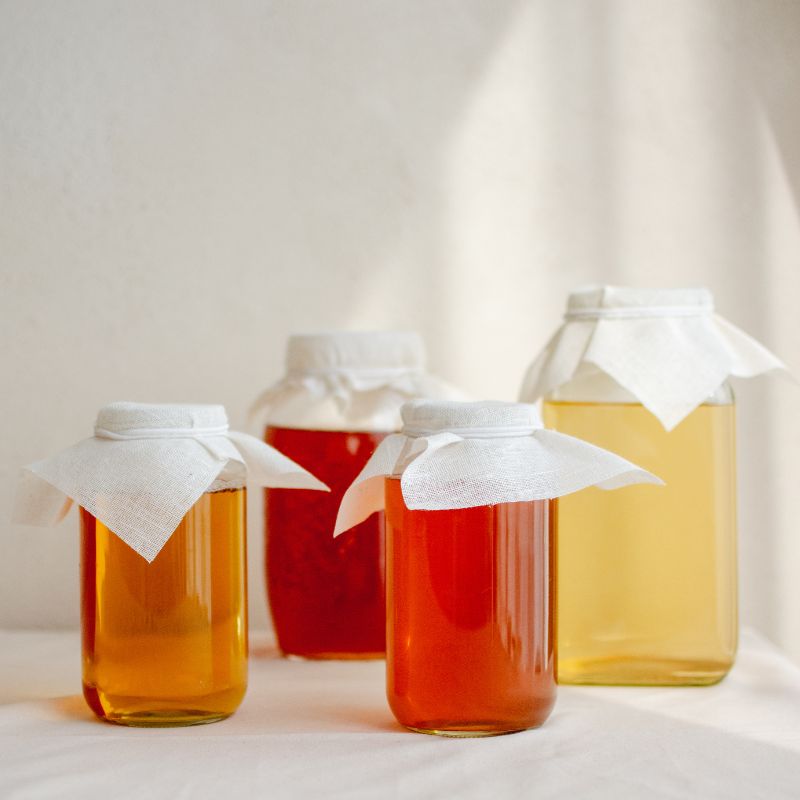
Kombucha is fermented tea, but its microorganisms, sugar content, acidity, and alcohol content can vary by brand. Claims that it treats digestive or chronic diseases go beyond the current evidence in humans.
- Compare: Added sugar and serving size.
- Begin small: A few ounces may feel easier than a full bottle.
- Avoid risky batches: Research notes that homemade kombucha can become contaminated under uncontrolled conditions.
10. Cultured Cottage Cheese
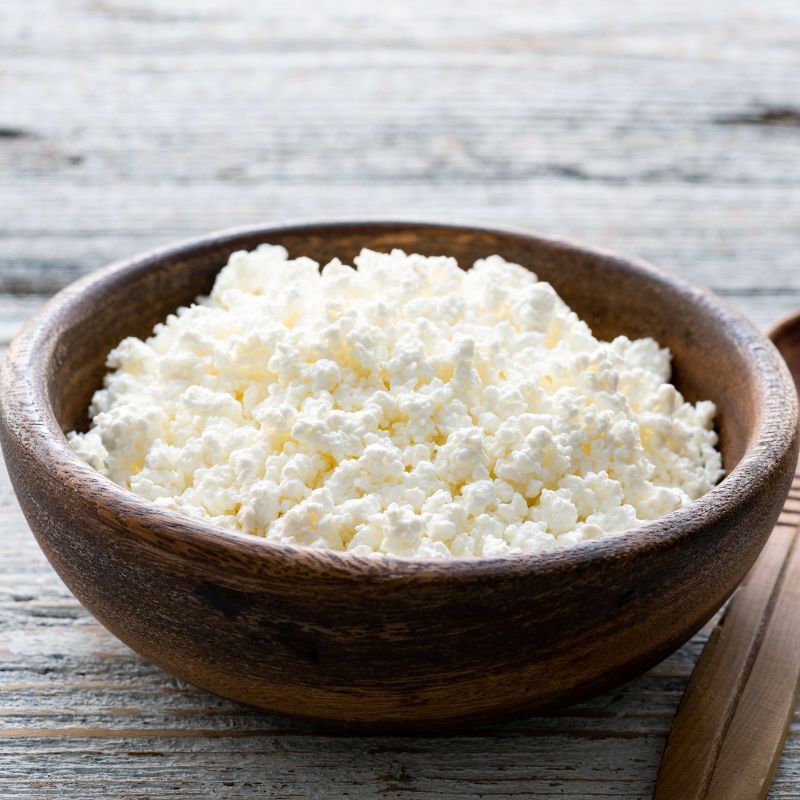
Some cottage cheeses contain live cultures; many don’t. Check for “live cultures” or named bacteria rather than assuming every container qualifies.
- Quick meal: Pair it with fruit, tomatoes, seeds, or whole-grain toast.
- Pass on sweetened fruit cups when you want better control over added sugar.
11. Cheese Made With Live Cultures

Certain Gouda, cheddar, mozzarella, and cultured soft cheeses may contain live microorganisms, but fermentation doesn’t guarantee a proven probiotic benefit.
- Check the label: Look for live cultures or named strains.
- Keep it balanced: Enjoy a modest portion with vegetables or whole-grain crackers, especially if you monitor sodium or saturated fat.
How to Introduce Fermented Foods Without Upsetting Your Stomach
More isn’t automatically better. Your digestive system may appreciate a slower introduction:
- Try one food at a time, starting with a small serving.
- Increase the amount gradually only if you feel comfortable.
- Pair it with fiber-rich fruit, vegetables, beans, oats, or whole grains.
- Note repeated bloating, diarrhea, reflux, or discomfort.
- Ask a clinician or registered dietitian for guidance if you have a serious digestive condition, strict sodium limits, or a weakened immune system.
- Understand the process: Learn where your food goes after you eat it and how each stage of digestion works.
People with weakened immunity are at greater risk from foodborne germs, so research recommends safer, pasteurized dairy products. Fermented foods can complement a varied diet, but they don’t diagnose, treat, or cure digestive disorders.
Final Thoughts on Fermented Foods for Gut Health
You don’t have to try all 11 foods or force yourself to love natto to support a more varied diet. Choosing fermented foods for gut health becomes easier once you check for live cultures, pasteurization, added sugar, and sodium.
Start with one realistic option, such as plain yogurt, kefir, kimchi, or refrigerated sauerkraut, and let your comfort guide the next step.
Which fermented food would you feel most comfortable adding to your meals this week?

Hi I’m Ana. I’m all about trying to live the best life you can. This blog is all about working to become physically healthy, mentally healthy and financially free! There lots of DIY tips, personal finance tips and just general tips on how to live the best life.
Leave a Reply