
You’re ready to start the day, and then that heavy, stuck feeling changes every plan. Have you ever wondered what you could safely try without making your stomach more uncomfortable? These natural remedies for constipation are simple enough for home and gentle enough to consider first.
Some options may encourage a bowel movement within hours, while fiber-based choices often need several days. Your response will depend on the cause and what your body tolerates.
Let’s walk through what to use, how to use it, and when a remedy is better left alone.

If constipation keeps returning, see our guide to home remedies for relief from chronic constipation.
Before You Try to Get Immediate Relief
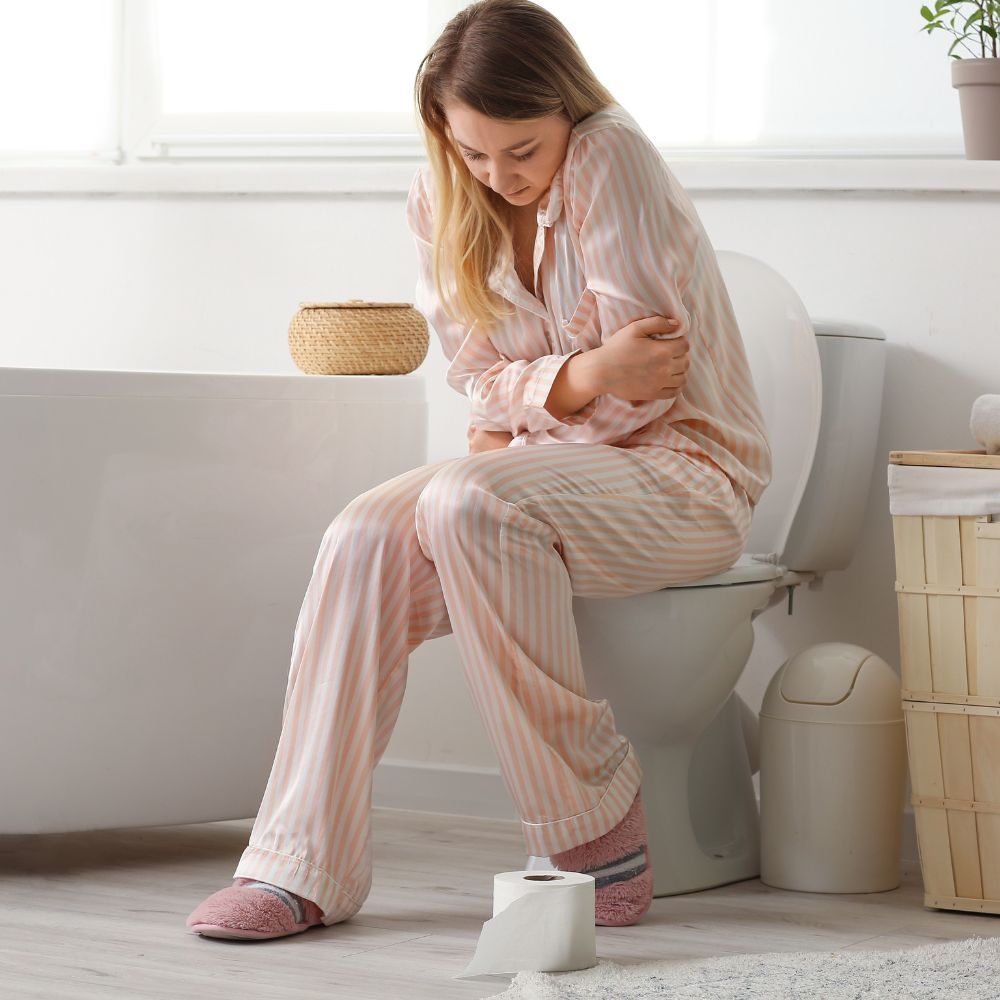
Constipation affects about 16 in every 100 U.S. adults, and women are among those more likely to experience it, according to research. Still, “immediate” needs a little honesty:
- Water, coffee, walking, toilet positioning, and senna may act sooner for some people.
- Prunes, kiwi, psyllium, and flaxseed usually work more gradually.
- Adding a lot of fiber at once can cause more gas, bloating, or pain.
These suggestions are for adults with occasional constipation, not children. They aren’t a substitute for personalized medical care.
11 Natural Remedies for Constipation You Can Try at Home
1. Drink Water Slowly Instead of Chugging It
Dehydration may make stool harder to pass. Check these signs that you’re not drinking enough water if you’re unsure whether hydration is part of the problem.
- What you’ll need: One glass of plain or warm water.
- Try it this way: Drink the glass slowly, then sip fluids regularly throughout the day. Water also helps the added fiber do its job.
- Use caution: Check with your clinician if you have a fluid restriction for heart, kidney, or liver disease.

2. Try a Small Glass of Prune Juice
Prunes contain fiber and sorbitol, a sugar alcohol that draws water into the bowel. Prune juice may reduce hard, lumpy stools and improve stool consistency in adults with chronic constipation.
- Ingredients: 4 ounces of prune juice; water is optional for diluting it.
- Serving suggestion: Start with half a cup in the morning and wait before having more.
- Keep in mind: Too much may cause gas, cramps, or diarrhea. If you recognize symptoms of irritable bowel syndrome or have diabetes, watch your tolerance and portion.
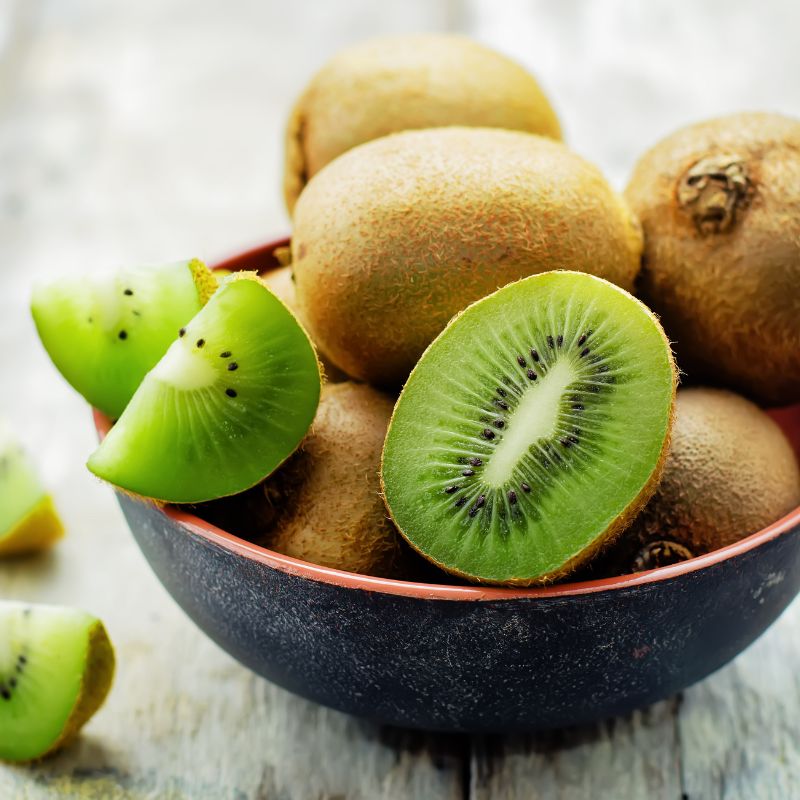
3. Eat Two Green Kiwifruits
Kiwi offers water and fiber in one snack. In a clinical trial, two green kiwifruits daily improved bowel movements and comfort over four weeks, so consider it support for regularity, not an overnight rescue.
- What to have: Two ripe green kiwifruits.
- Easy option: Eat them plain or slice them over oatmeal.
- Possible concern: Skip kiwi if you’re allergic, and start cautiously if fruit triggers IBS symptoms.
4. Mix Psyllium Husk With Plenty of Water
Psyllium is a soluble fiber that forms a water-holding gel, which can make stool softer and easier to pass.
- Gather: Psyllium husk and a full glass of water.
- Preparation: Follow the label instructions, mix well, and drink promptly before it thickens.
- Safety first: Never swallow it dry. Without enough liquid, psyllium can cause choking or blockage. Avoid it if you have trouble swallowing, severe pain, or a suspected obstruction; ask a pharmacist about medication timing.
5. Add Ground Flaxseed to a Moist Food
Ground flaxseed is one of many high-fiber foods for a healthy gut. Trials suggest benefits develop with regular use rather than within minutes.
- You’ll need: One tablespoon of ground flaxseed plus oatmeal, yogurt, soup, or a smoothie.
- Mix and eat: Stir it into the moist food and drink water with your meal.
- Go gently: Increasing the amount too quickly may worsen gas, bloating, or constipation.
6. Have Coffee After Breakfast
Coffee can stimulate colon contractions in some people, and the response isn’t entirely dependent on caffeine.
- Make: One regular or decaffeinated coffee.
- Best moment: Drink it after breakfast, then pay attention to any natural urge.
- Know your limit: Skip it if coffee aggravates reflux, IBS, anxiety, palpitations, or insomnia. Follow your clinician’s guidance on caffeine during pregnancy.

7. Massage Your Abdomen Clockwise
A 2025 review of 23 studies involving 1,431 adults found that abdominal massage improved bowel frequency and constipation symptoms, though results varied across studies.
- Starting point: Lie down with your knees slightly bent.
- The motion: Massage gently up your right side, across your upper abdomen, and down your left side for 5–10 minutes.
- When to skip it: Avoid massage during pregnancy, after recent abdominal surgery, with a hernia or IBD flare, or when pain is severe or unexplained.
8. Raise Your Feet on a Toilet Stool
Raising your knees above your hips may reduce straining and make emptying feel more complete. In one small study, average toilet time dropped from 113.4 to 55.5 seconds with a posture device.
- Set up: Place both feet on a stable, non-slip stool and lean forward slightly.
- Relax: Exhale slowly instead of holding your breath and pushing hard.
- Stay safe: Skip the stool if balance or fall risk is a concern.
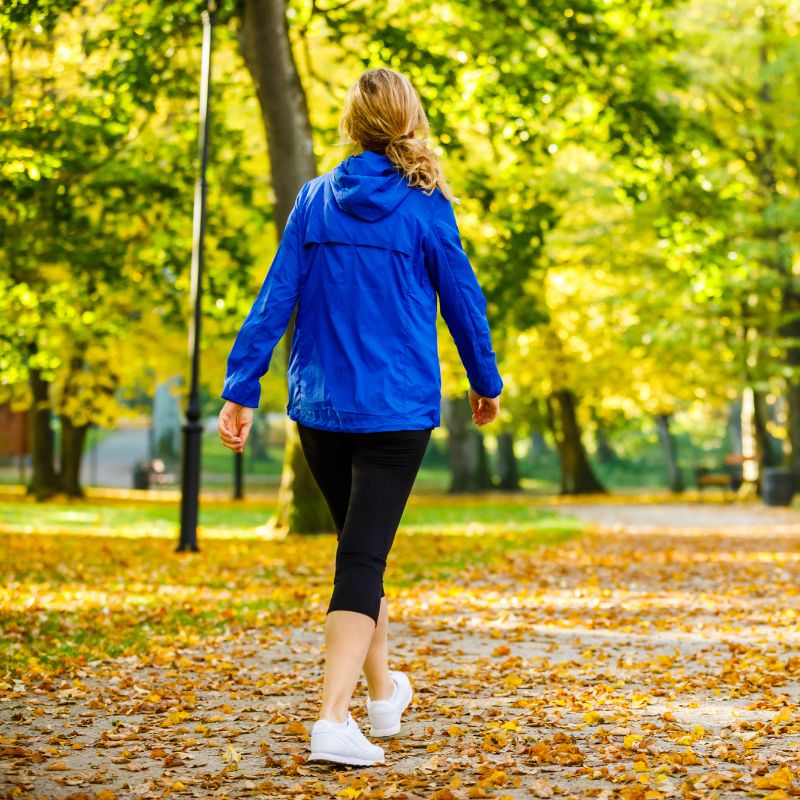
9. Take a Gentle 10- to 20-Minute Walk
Physical activity is one of the lifestyle measures recommended for constipation and offers many other health benefits.
- Your plan: Walk comfortably after a meal, march indoors, or move around your home.
- No equipment: Supportive shoes and a safe route are enough.
- Time to pause: Stop if you become dizzy, weak, or develop significant abdominal pain.
10. Use Your Body’s After-Meal Reflex
Eating naturally signals your colon to move, a response called the gastrocolic reflex. See where food goes after you eat it for the full digestive journey.
- Best opportunity: Sit on the toilet 15–30 minutes after breakfast.
- Make it comfortable: Use the footstool position, relax your belly, and breathe slowly.
- Set a limit: If nothing happens within 5–10 minutes, get up. Don’t force it or ignore a genuine urge later.
11. Consider Short-Term Senna Carefully
Senna is an herbal stimulant laxative, so it’s stronger than the food-based options above. It usually takes about 8 hours to work and is often taken at bedtime.
- What to buy: A standardized, labeled product rather than homemade loose-leaf tea.
- How to take it: Follow the package directions exactly and stay within the recommended dose.
- Important precautions: Senna can cause cramps and diarrhea. Don’t use it repeatedly or long-term without guidance. Ask a clinician first if you’re pregnant, breastfeeding, taking medication, dehydrated, or have kidney, heart, or inflammatory bowel problems.
When Constipation Needs Medical Attention
Get medical help promptly if constipation comes with rectal bleeding, blood in your stool, constant abdominal pain, vomiting, fever, inability to pass gas, lower-back pain, or unexplained weight loss. See a doctor when symptoms don’t improve with self-care.
Final Thoughts on These Natural Remedies for Constipation
Start with the gentlest option that matches your situation and give it a realistic amount of time. Try not to stack several remedies at once; you may end up with cramps or diarrhea and have no idea which one caused it.
If constipation keeps returning, it deserves more than another quick fix. Medicines, pregnancy, thyroid problems, IBS, and pelvic-floor difficulties can all play a role.
Which of these natural remedies for constipation feels like the most comfortable first step for you?

Hi I’m Ana. I’m all about trying to live the best life you can. This blog is all about working to become physically healthy, mentally healthy and financially free! There lots of DIY tips, personal finance tips and just general tips on how to live the best life.
Leave a Reply