
It often starts with something small. You feel tired more often. Your energy dips earlier in the day. You get short of breath climbing stairs or feel lightheaded when you stand up too quickly. At first, it’s easy to ignore life is busy, and fatigue can feel like part of the routine. But when these signs persist, your body may be pointing toward something deeper: Anemia. If you’re suspicious that you or someone in your family has anemia, today, we’ll cover some natural home remedies to treat it right.
Before we jump in, you always need to have a medical opinion and a true diagnosis before you take any action towards anemia. However, this list is curated to provide practical and effective ways to treat anemia and/or promote a better overall health.
Million Dollar Mamas have also loved:
What is Anemia?
Anemia affects nearly 30% of women of reproductive age worldwide, making it one of the most common nutritional deficiencies. It occurs when your body lacks enough healthy red blood cells or hemoglobin, limiting oxygen delivery to tissues.
Common Symptoms
- Persistent fatigue
- Pale skin
- Dizziness
- Shortness of breath
- Cold hands and feet
- Headaches and difficulty concentrating
For more insights, don’t forget to read: 7 Symptoms of Anemia To Be Aware Of.
While medical treatment is sometimes necessary, especially in moderate or severe cases, mild anemia particularly iron deficiency can often be supported through dietary and lifestyle strategies. Here are 11 effective home remedies that can help.
11 Home Remedies to Treat Anemia Naturally
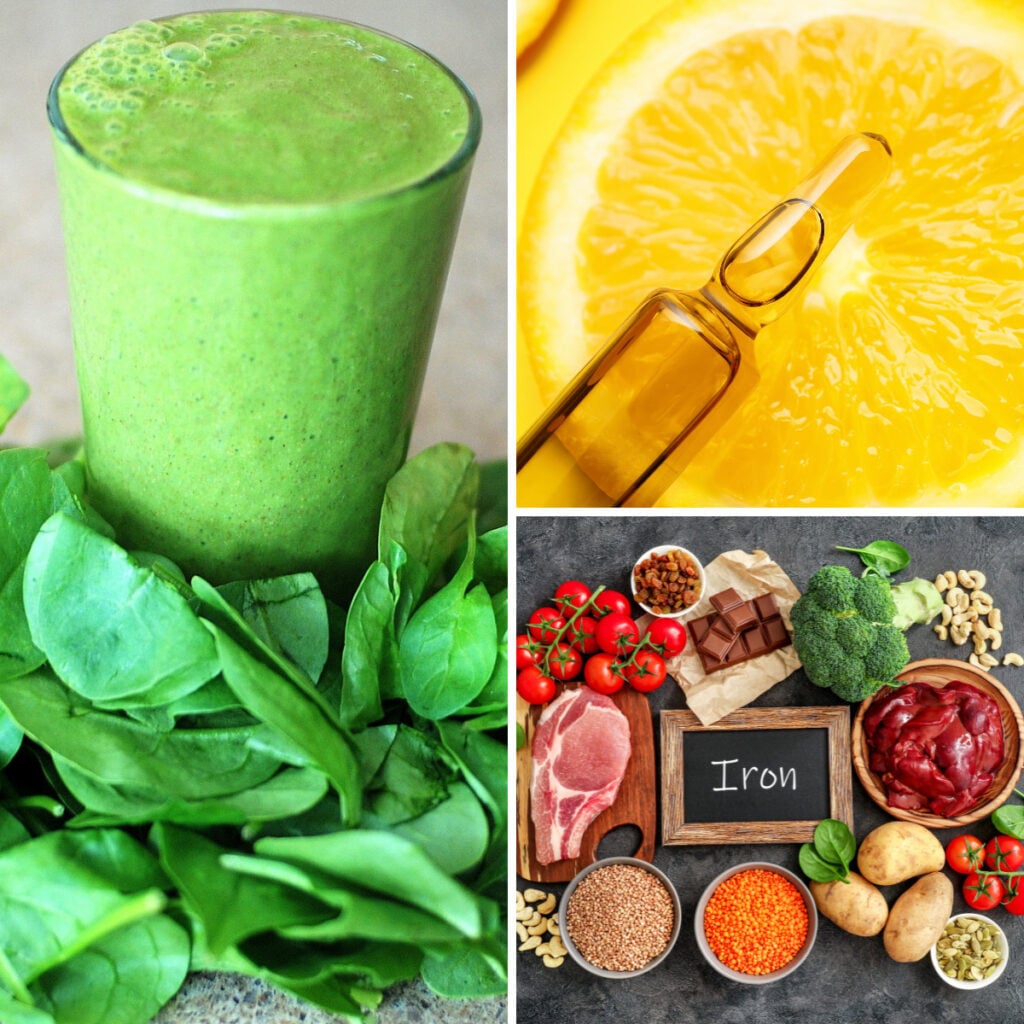
1. Increase Iron-Rich Foods
Iron is essential for producing hemoglobin, the protein that carries oxygen in the blood. Low iron intake is the most common cause of anemia.
Include into your diet:
- Red meat, poultry, fish (heme iron, better absorbed)
- Lentils, beans, spinach (non-heme iron)
2. Pair Iron with Vitamin C
Vitamin C significantly improves iron absorption, especially from plant-based sources.
Combine foods like:
- Spinach + lemon juice
- Lentils + tomatoes
- Beans + citrus
3. Add Pomegranate to Your Diet
Pomegranate contains iron and antioxidants that support red blood cell production and circulation.
Consume it as fresh fruit, juice or add it to salads daily.
This will not only be refreshing but will help you avoid oxidative stress.
4. Include Beetroot
Beets are rich in nutrients that support blood health and may promote hemoglobin production. It also contains folate and some iron, involved in producing healthy red blood cells.
Drink beet juice or add roasted beets to meals several times per week.
5. Eat Leafy Green Vegetables
Spinach, kale, and similar greens provide iron and folate, essential for red blood cell formation.
Include it at least one serving daily (salads, smoothies, cooked dishes).
6. Incorporate Eggs
Eggs contain iron and high-quality protein, supporting energy and blood cell production. If you’re suffering from anemia, you want to provide your body with energy and the right food to build healthy muscle cells and eggs are probably the easiest and cheapest way to increase protein intake.
Consume them boiled, scrambled, or combined with vegetables.

7. Add Iron-Rich Smoothies
Combining ingredients like spinach, berries, and seeds provides iron plus vitamin C in one meal.
Prepare smoothies with:
- Spinach
- Orange or strawberry
- Flax or chia seeds
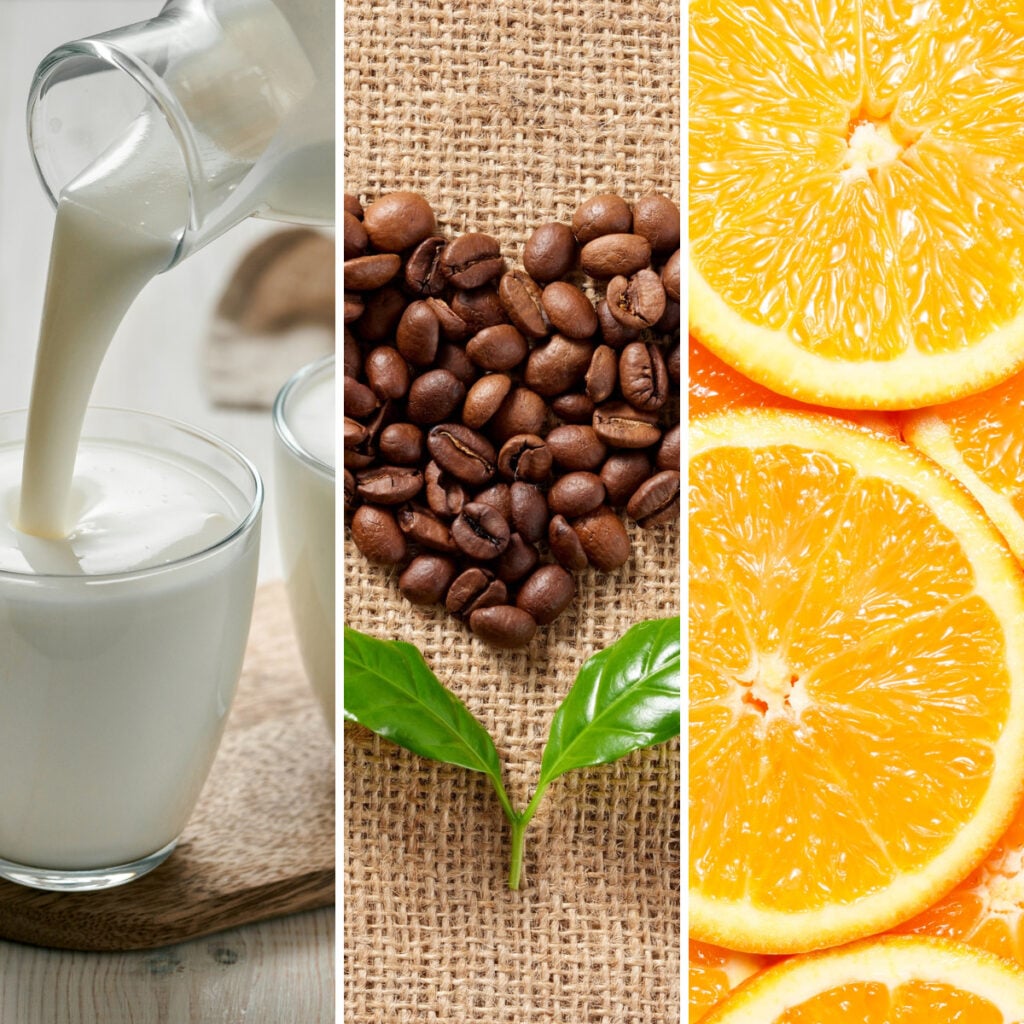
8. Include Fermented Foods
Fermented foods improve gut health, which enhances nutrient absorption—including iron.
Add yogurt, kefir, or fermented vegetables regularly.
A healthy gut, a happier you!
9. Use Blackstrap Molasses
This natural sweetener contains iron and minerals that support haemoglobin production.
Mix 1 tablespoon in warm water or smoothies.
10. Avoid Iron Blockers
Certain substances reduce iron absorption. Coffee, tea or highly processed foods interfere with the absorption of iron from other foods. So, it wouldn’t matter if you include the most iron-rich foods into your diet if your body won’t be able to absorb it.
Limit:
- Tea and coffee with meals
- Highly processed foods
11. Maintain a Balanced, Nutrient-Dense Diet
Anemia is not just about iron it also involves vitamin B12, folate, and overall nutrient balance.
Focus on whole foods, including:
- Proteins
- Fruits and vegetables
- Whole Grains
This could probably the best remedy of them all to fight anemia, having a balanced diet that provides your body the right nutrients to raise haemoglobin production, energy levels and have a positive mood.
Important Precautions
While these remedies can support mild anemia, they are not a substitute for medical treatment.
Not all anemia is caused by iron deficiency. Some cases require supplements or specialized care. Excess iron intake can be harmful.
Always consult a healthcare professional before making significant dietary or supplementation changes.
When Should You See a Doctor?
While many mild cases of anemia can improve with dietary changes and home remedies, it’s important to recognize when medical evaluation is necessary. Seek professional care if you experience:
- Persistent fatigue that does not improve, even with adequate rest and nutrition
- Shortness of breath, especially at rest or with minimal physical activity
- Frequent dizziness, lightheadedness, or episodes of fainting
- A rapid, pounding, or irregular heartbeat
- Unusually heavy or prolonged menstrual bleeding
These symptoms may indicate a more severe form of anemia or an underlying health condition that requires specific treatment. It’s also important to be cautious if symptoms worsen over time or begin to interfere with your daily activities and quality of life.
A proper diagnosis cannot be made based on symptoms alone. Healthcare providers typically perform blood tests such as a complete blood count (CBC), iron studies, or vitamin level assessments to determine the exact type and cause of anemia.
Identifying the root cause is essential, as treatment may involve supplementation, medication, or addressing an underlying condition such as nutrient deficiencies, chronic disease, or blood loss.
Early detection and treatment not only improve symptoms faster but also help prevent potential complications. If in doubt, it’s always safer to seek medical advice.
My Final Thoughts
Treating anemia is not about quick fixes, but about understanding your body and supporting it consistently through nourishing foods, rest, and healthy daily choices.
These home remedies can help, but awareness is just as important because fatigue, brain fog, and low energy are often signs your body needs attention. Instead of pushing through these symptoms or accepting them as normal, take time to listen, reflect, and seek the support your body may need.
Your body is always communicating with you, so the real question is, are you truly paying attention to what it is trying to tell you?

Hi I’m Ana. I’m all about trying to live the best life you can. This blog is all about working to become physically healthy, mentally healthy and financially free! There lots of DIY tips, personal finance tips and just general tips on how to live the best life.
Leave a Reply