
Symptoms of irritable bowel syndrome can be easy to ignore at first, especially when life is busy, and you are used to pushing through discomfort. Maybe your stomach starts cramping after meals, your jeans feel tight from bloating, or you suddenly need to know where the nearest bathroom is before saying yes to plans.
After a while, it can be frustrating not knowing what your body will do next. You may start wondering if it is just stress, something you ate, or a sign that your gut is trying to tell you something more.
IBS can look different from person to person, which is why it can feel so confusing. This article is not here to diagnose you, but to help you understand the signs worth paying attention to, so you can feel a little more informed and less alone.
And if you want to understand the bigger picture behind these symptoms, learning a few simple ways to support a healthier gut can be a helpful place to start.
What Is IBS, in Simple Terms?

Irritable bowel syndrome, or IBS, is a group of digestive symptoms that usually happen together.
According to research, IBS often includes repeated abdominal pain and changes in bowel movements, such as diarrhea, constipation, or both, without visible signs of damage or disease in the digestive tract.
That last part matters. IBS can feel very real and disruptive, but it usually does not damage the gut or raise the risk of colon cancer. Cleveland Clinic notes that IBS can often be managed with diet, lifestyle changes, medications, and behavioral support.
It is also common.
Experts estimate that about 10% to 15% of adults in the United States have IBS, but only about 5% to 7% see a provider and receive a diagnosis. Women are also up to twice as likely to be diagnosed.
Stress can also affect how your gut feels, because the brain-gut connection is real and quite powerful.
9 Symptoms of Irritable Bowel Syndrome You Should Not Ignore
1. Abdominal Pain or Cramping

Belly pain is one of the most common symptoms of IBS. It may feel like cramping, pressure, twisting, or an ache that comes and goes, especially around bowel movements. In fact, research describes IBS as recurring abdominal pain linked to bowel movements, stool frequency, or stool appearance.
You may notice:
- Cramps after eating
- Pain before needing to use the bathroom
- Relief after pooping or passing gas
- Pain that keeps coming back
How serious can it be?
Mild cramping can happen sometimes, but pain that returns often, affects your routine, or feels severe should be checked by a doctor.
2. Bloating That Feels Hard to Ignore
Bloating due to IBS can make your stomach feel tight, swollen, heavy, or excessively full. It is one of the main symptoms of IBS, describing a tummy that feels inflated and uncomfortable.
You may notice:
- A swollen-feeling belly
- Pants feeling tighter
- Bloating after meals
- Pressure that gets worse during the day
How serious can it be?
Bloating is common with IBS, but painful, constant, or unusual swelling should not be ignored.
If bloating is one of the symptoms you notice the most, these easy ways to reduce bloating after eating may be a helpful next read.
3. Excess Gas or Frequent Flatulence
Gas is normal, but IBS can make it feel more frequent, uncomfortable, or embarrassing.
You may notice:
- More burping
- Frequent flatulence
- Trapped gas
- Belly pressure that improves after passing gas
How serious can it be?
Gas alone is usually not dangerous, but if it comes with severe pain, significant bloating, or sudden changes in bowel habits, it is worth paying attention to.
4. Diarrhea or Loose Stools
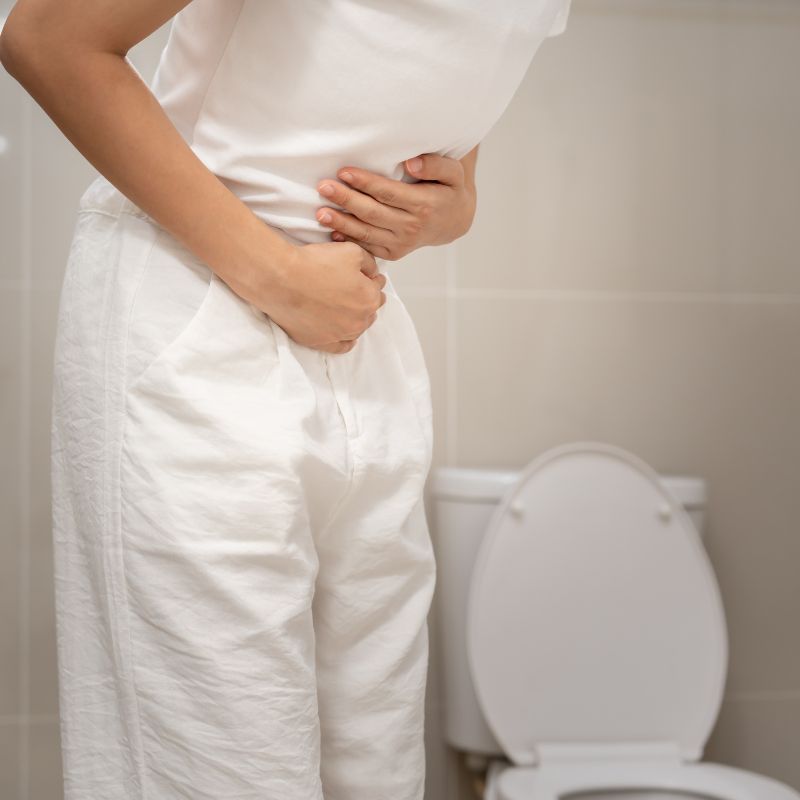
Individuals with IBS may experience loose or watery stools, particularly during flare-ups. IBS-related diarrhea consists of watery stool that often comes with a sudden urgency to use the restroom.
You may notice:
- Loose stools
- Sudden bathroom urgency
- More frequent bathroom trips
- Symptoms after eating or during stress
How serious can it be?
Occasional diarrhea can happen, but repeated diarrhea, dehydration, or diarrhea that wakes you at night should be checked.
5. Constipation or Hard Stools
IBS can also show up as constipation. Instead of rushing to the bathroom, you may feel like your digestion has slowed down.
If constipation is the symptom that bothers you most, these home remedies for chronic constipation relief may also be useful to read next.
You may notice:
- Hard or dry stools
- Straining
- Fewer bowel movements
- Feeling unfinished after going
How serious can it be?
Constipation is common, but ongoing pain, bleeding, vomiting, weight loss, or severe swelling should be discussed with a doctor.
6. Switching Between Diarrhea and Constipation
Some people with IBS go back and forth between loose stools and constipation. This can make digestion feel unpredictable and frustrating.
You may notice:
- Diarrhea some days
- Constipation other days
- Changes in stool texture
- A bathroom routine that feels hard to predict
How serious can it be?
This pattern can happen with IBS, but a new or worsening change in bowel habits should be checked, especially if it feels unusual for you.
7. Mucus in the Stool
Seeing mucus in your stool can feel alarming, but some people with IBS may notice clear or whitish mucus when they go to the bathroom.
You may notice:
- Clear mucus
- Whitish mucus
- A slimy coating on stool
- Mucus during flare-ups
How serious can it be?
Mucus can happen with IBS, but blood is different. Blood in the stool, black stool, or bleeding from the bottom should always be checked.
8. Feeling Like You Did Not Fully Empty Your Bowels

This is the frustrating feeling of going to the bathroom and still not feeling finished. It may happen more often when constipation is part of the flare-up.
You may notice:
- Pressure after going
- Feeling unfinished
- Needing to return to the toilet
- Straining even after a bowel movement
How serious can it be?
This can happen with IBS, especially with constipation. But if it comes with bleeding, weight loss, worsening pain, or major bowel changes, it needs medical attention.
9. Tiredness, Nausea, or Feeling Drained During Flare-Ups
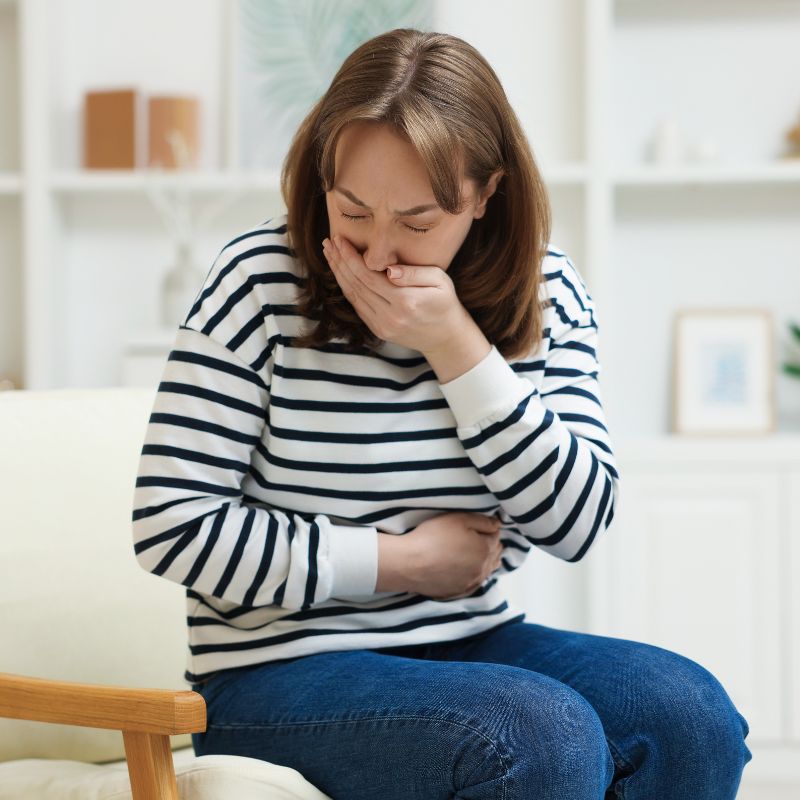
IBS is not always just about stomach pain or bathroom changes. Some people feel tired, nauseous, or generally worn out when their gut symptoms flare.
You may notice:
- Low energy
- Nausea
- Feeling drained after symptoms
- Not wanting to eat because your stomach feels off
How serious can it be?
Feeling tired during a flare-up is common, but repeated vomiting, severe fatigue, unexplained weight loss, or worsening symptoms should be evaluated by a healthcare provider.
When IBS Symptoms May Be More Than IBS
IBS can be uncomfortable, but some symptoms should not be ignored. Talk to a doctor if your symptoms last for weeks, keep coming back, or start affecting your daily life. Research recommends seeing a GP if IBS-like symptoms last more than 4 weeks.
Seek medical care sooner if you notice:
- Blood in your stool
- Unexplained weight loss
- Fever or repeated vomiting
- Diarrhea that wakes you at night
- Severe abdominal pain
- A hard lump or unusual swelling in your belly
- Shortness of breath, palpitations, or unusual paleness
These signs do not always mean something serious, but they are important enough to be checked.
What Can You Do If You Think You Have IBS?
Start by tracking your symptoms for 2 to 4 weeks. Write down what you eat, when symptoms appear, your bathroom habits, bloating, pain, stress, and sleep. It can also help to pay attention to hydration, especially if you are dealing with diarrhea or constipation, since staying hydrated supports normal digestion.
This can help you notice patterns and explain your symptoms more clearly to a healthcare provider. IBS does not have a single test, so your doctor may review your symptoms and health history and sometimes order tests to rule out other conditions.
The main thing is simple: do not panic, but do not ignore recurring symptoms.
Conclusion: Pay Attention!
IBS can feel frustrating and unpredictable, but noticing the symptoms of irritable bowel syndrome is often the first step toward feeling more in control. You do not have to panic over every stomach issue, but you also do not have to keep guessing alone.
If your gut has been asking for your attention, could this be the moment you finally start listening?

Hi I’m Ana. I’m all about trying to live the best life you can. This blog is all about working to become physically healthy, mentally healthy and financially free! There lots of DIY tips, personal finance tips and just general tips on how to live the best life.
Leave a Reply